
 Water damage drying
 Fire & smoke cleanup
 Mold remediation
 Storm response
 Sewage cleanup
 Reconstruction
Free visual inspection and a written scope of work before any mitigation begins - photos, moisture readings, and drying logs go in your claim file
The scope we write is the scope we bill. Anything new gets shown to you, in writing, before we touch it.
Get your free estimateFast, Reliable Mold Remediation Across Banning
Mold remediation in Banning costs between $1,800 and $6,500 for most homes, with smaller contained jobs starting around $800 and full-structure treatments on older stucco homes reaching $12,000 or more. Most jobs in the 92220 zip code are completed within three to five days once we start, though wind-driven intrusion cases take longer because we trace the source before we treat the surface. If you’ve spotted discoloration, smelled mustiness, or had a pass wind event force grit and rain into your attic or walls, call Flood Guard Water Damage at (844) 716-1094. We’re based out of Rancho Cucamonga and we run crews into Banning regularly – the San Gorgonio Pass is not a side trip for us, it’s part of our service area, and we know precisely how its wind and dust profile changes the way mold takes hold in a home.
Why Flood Guard Water Damage Is Banning’s Preferred Mold Remediation Company
Banning homeowners face a different mold problem than the valleys on either side of the pass. Most restoration outfits approach mold as a plumbing-leak problem. Around here, the wind is just as often the culprit. Sand, grit, and ember dust blow through the San Gorgonio Pass and find their way into roof vents, window tracks, and the hairline cracks that stucco-on-wood-frame construction develops over decades. When the next monsoon or atmospheric river rolls through, that accumulated dust becomes a moisture wick. We’ve traced Banning mold colonies back to a windward attic edge more times than we can count.
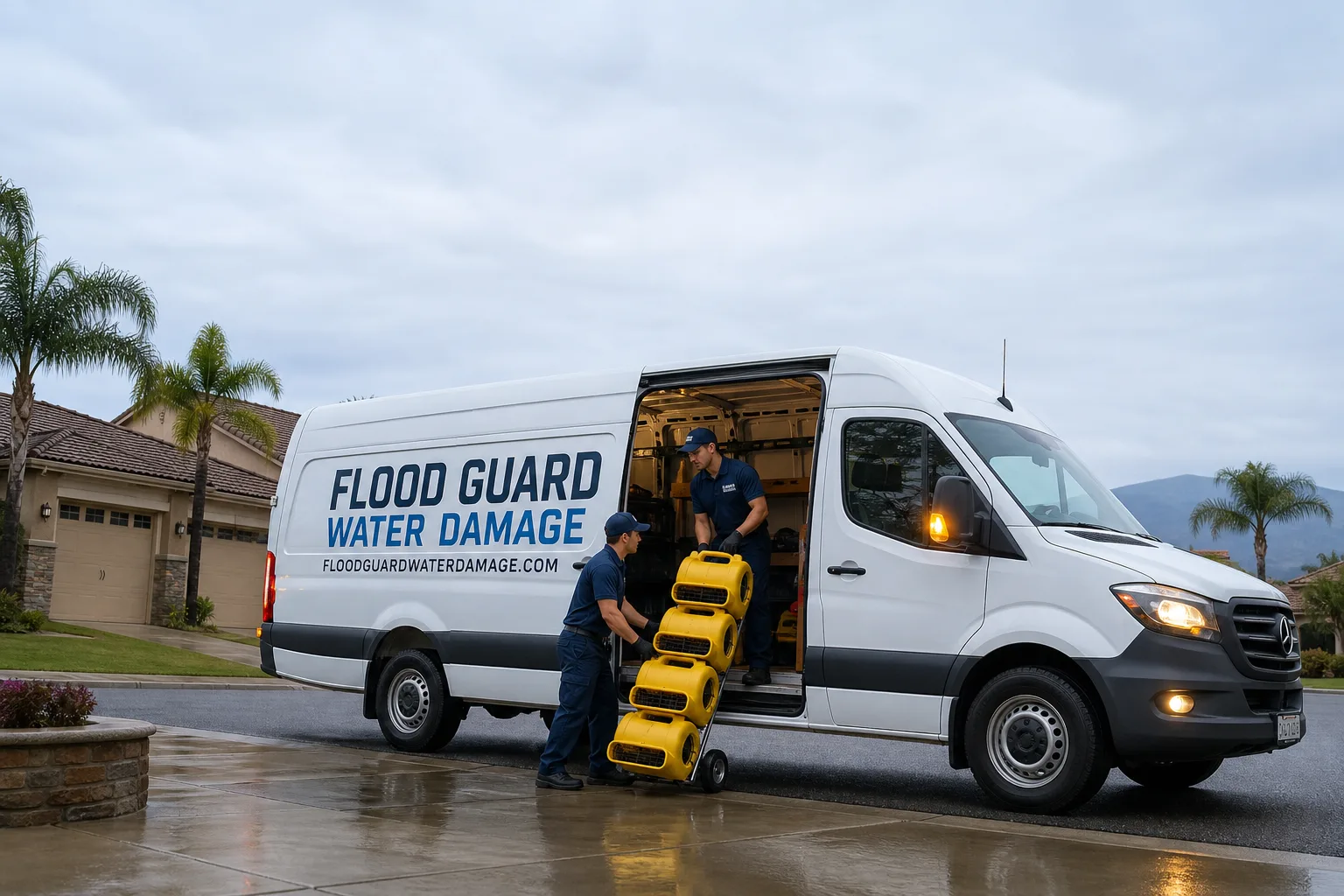
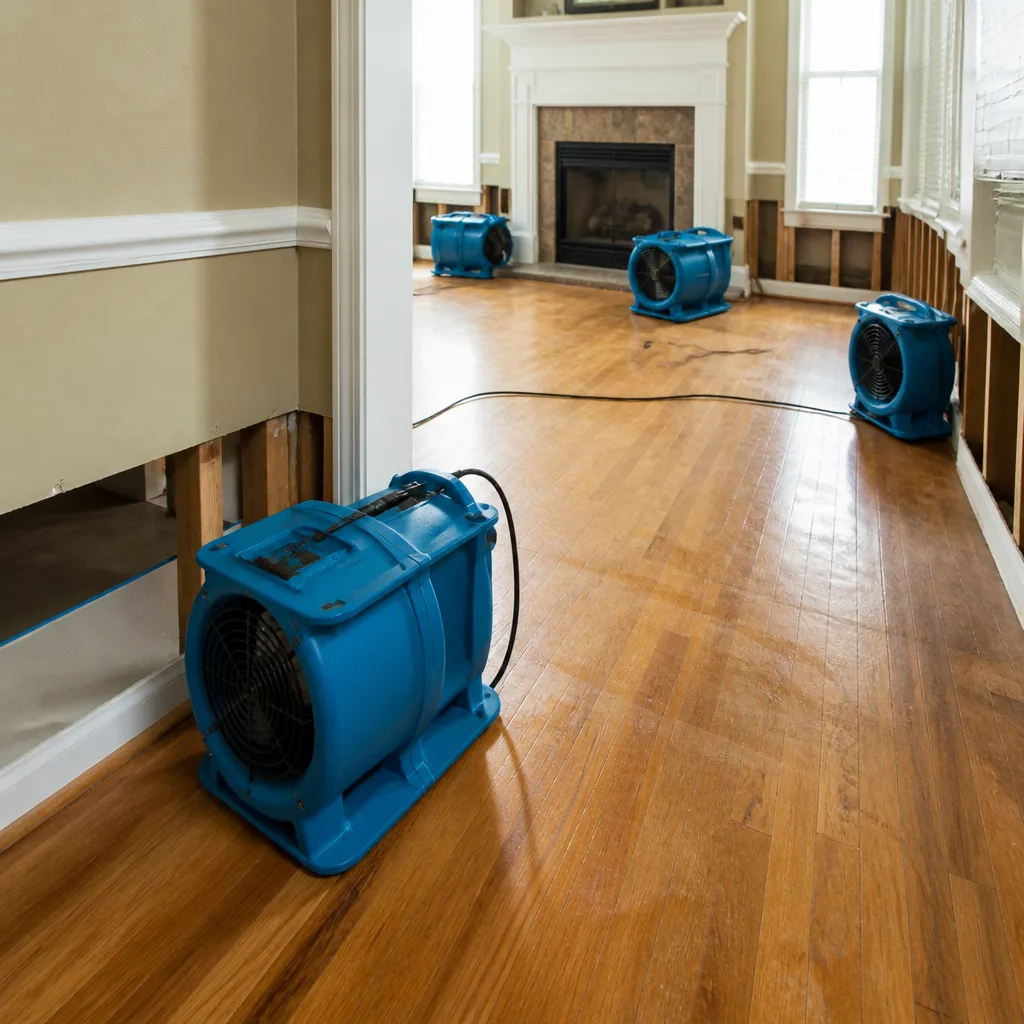
Our crews work under IICRC-certified methodology, which means every job starts with measurement, not assumption. We use Dri-Eaz and Phoenix equipment for structural drying and air scrubbing, and we document moisture levels before, during, and after remediation. When a Banning homeowner calls us about a patch of mold near a bedroom ceiling, our first question is always the same: what did the last wind event look like at your roofline?
Noel Ibarra leads our team, and he has built Flood Guard Water Damage around one principle: the source gets found, documented, and fixed before the surface gets cleaned. That’s why Banning customers call us back when the second leak, the second wind event, or the second insurance claim shows up. One accountable team handles the whole chain – water, mold, and fire – with no handoff gaps. For Banning specifically, that matters because a wind event that strips shingles often brings both water and ember contamination in the same week.
Restoration work we handle
Mold Removal Service in Banning
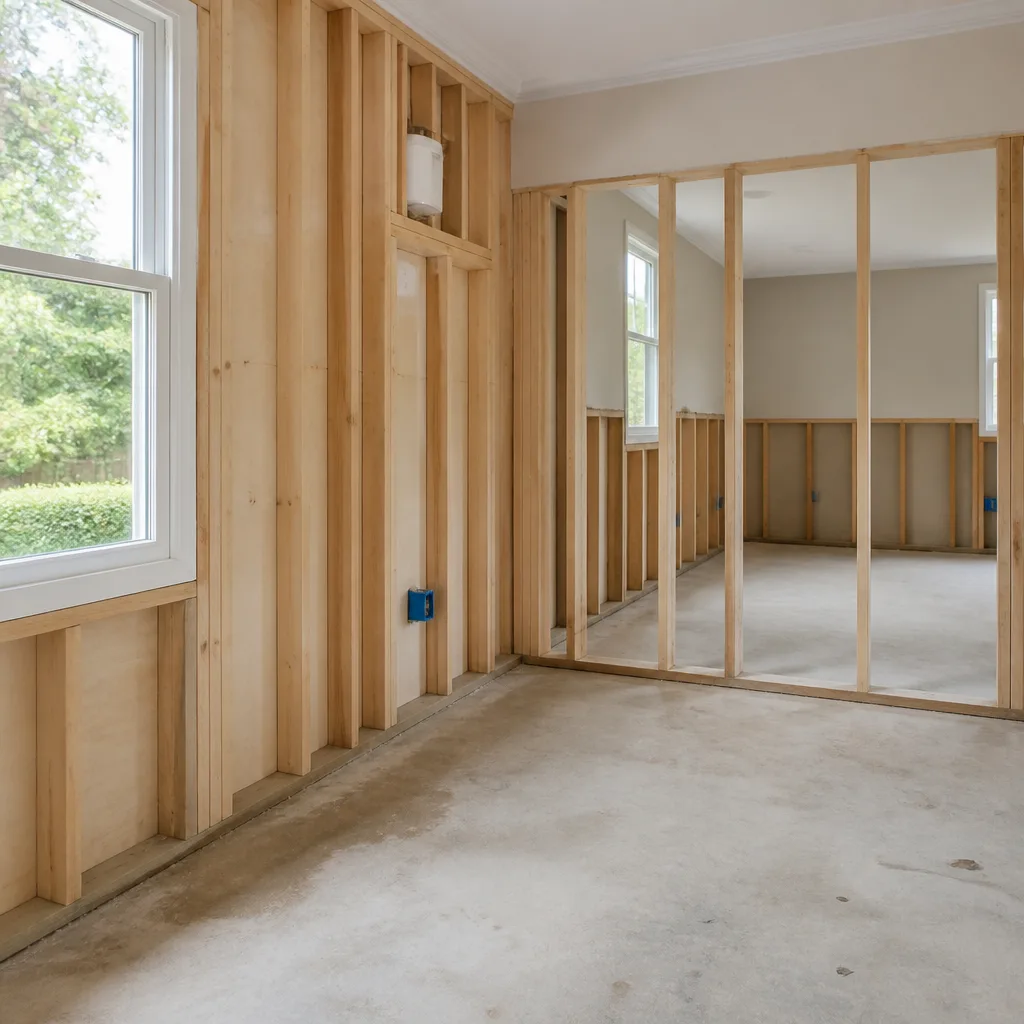
Mold Removal Service in Banning means more than cutting out the visible patch. The pass winds force grit into the structural envelope of your home, and that grit traps moisture long after the rain stops. A proper removal job starts with containment so spores don’t spread through your living space. Then we pull the affected material, dry the cavity with commercial air movers and dehumidifiers, and apply antimicrobial treatment to the framing. Only after moisture readings confirm the area is dry do we rebuild. Typical mold removal in Banning runs $1,800 to $6,500 depending on how far the intrusion spread, whether wall cavities are involved, and whether the roof edge needs repair as part of the scope.
Containment and Source Tracing
Before we touch visible mold, we set negative-pressure containment so the spores don’t move through your home. In Banning’s older homes – mid-century stucco boxes, manufactured units, and slab-on-grade ranches – we also trace the windward side of the structure. If grit packed into your roof vents or window tracks set the moisture trap, cleaning the mold without addressing that pathway means it comes back after the next Santa Ana.
Air Quality Restoration
Mold that colonizes behind stucco doesn’t always show itself on the wall surface. Air sampling and particle counts tell us whether spores have migrated into your HVAC system or attic space. We run HEPA air scrubbers during the job and re-test before we hand the house back, so you’re not breathing what we couldn’t see.
Mold Remediation Services in Banning
Mold Remediation Services in Banning follow the same full-spectrum protocol we use on a large commercial loss: assess, contain, remove, dry, treat, and verify. The difference in Banning is the pre-existing condition we’re almost always dealing with – decades of wind-driven dust sitting inside wall cavities and attic spaces. That dust is a moisture reservoir. When a flash flood drains through a compromised roofline or a poorly sealed window track, the water gets absorbed and held against wood framing for days. That’s when mold takes off. Remediation here costs more than in, say, Calimesa, because the windward exposure on many Banning homes requires roof-edge and vent work as part of the scope. Expect $2,500 to $8,000 for a typical full remediation that includes cavity drying, antimicrobial treatment, and source repairs.
Moisture and Humidity Control for Pass Wind Homes
Before we close up a wall, we verify the framing has dried to an acceptable moisture content. We use penetrating moisture meters on the wood, not just the drywall surface. In Banning’s dry climate, homeowners sometimes assume things dry out on their own. They don’t inside a wall cavity. Trapped moisture behind stucco stays trapped, and it feeds mold for months after the visible leak is gone.
Crawl Space and Attic Treatment
Banning’s raised-foundation homes and older slab houses both have problems the other doesn’t. Crawl spaces hold humidity after a flood, and attics on windward exposures collect dust and ember grit that turns to mud when rain follows wind. We treat both with targeted drying equipment and antimicrobial agents, and we seal the entry points that let pass wind carry contaminant into those spaces in the first place.
What happens when you call
- 1
A real person answersNo phone trees — you reach a local pro.
- 2
You get an upfront price rangeHonest numbers before anyone is dispatched.
- 3
A background-checked tech heads outLicensed & insured, dispatched right away.
- 4
You approve before work beginsNothing starts until you say go.
Trusted Brands We Service in Banning
We run Dri-Eaz dehumidifiers, Phoenix air movers, and XPOWER air scrubbers on Banning jobs – the same equipment brands large commercial restoration teams deploy. When you call us for mold in a Banning manufactured home or a mid-century stucco ranch, we’re not showing up with a box fan and a spray bottle. We also stock the consumables and containment materials we need in our Rancho Cucamonga shop, so we don’t burn a day waiting on parts for a Banning job. That means faster setup, faster drying, and a tighter timeline for your insurance claim. You can see our full Mold Remediation scope for details on how we handle jobs from initial assessment to post-remediation verification.
See the difference
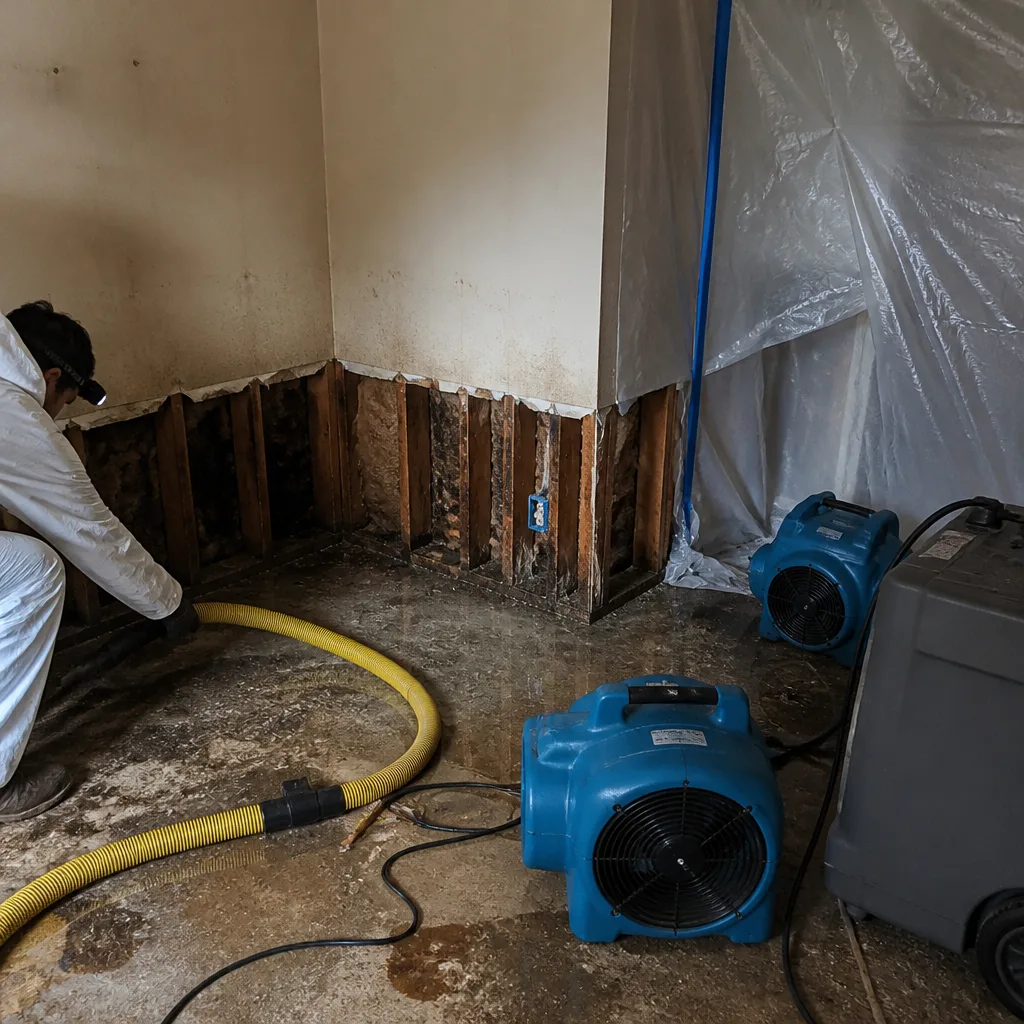 Before
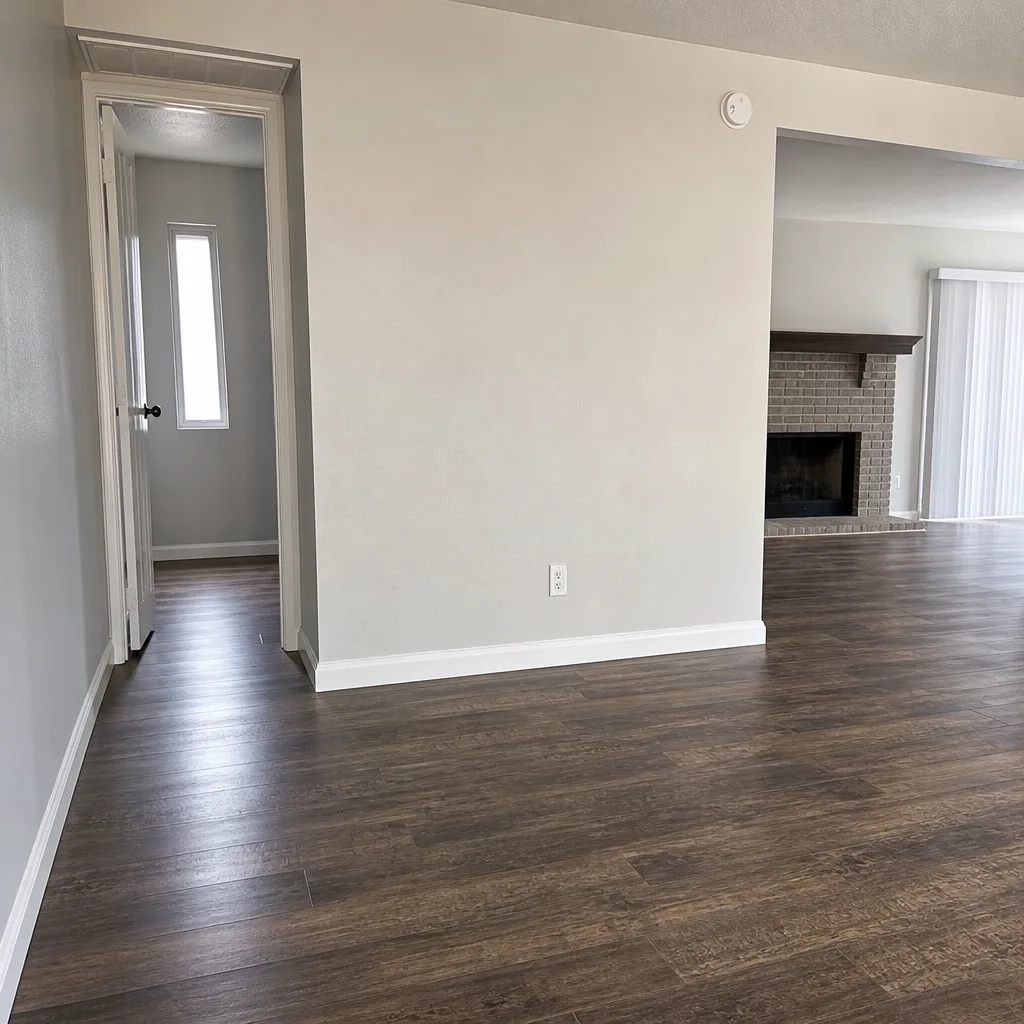 After
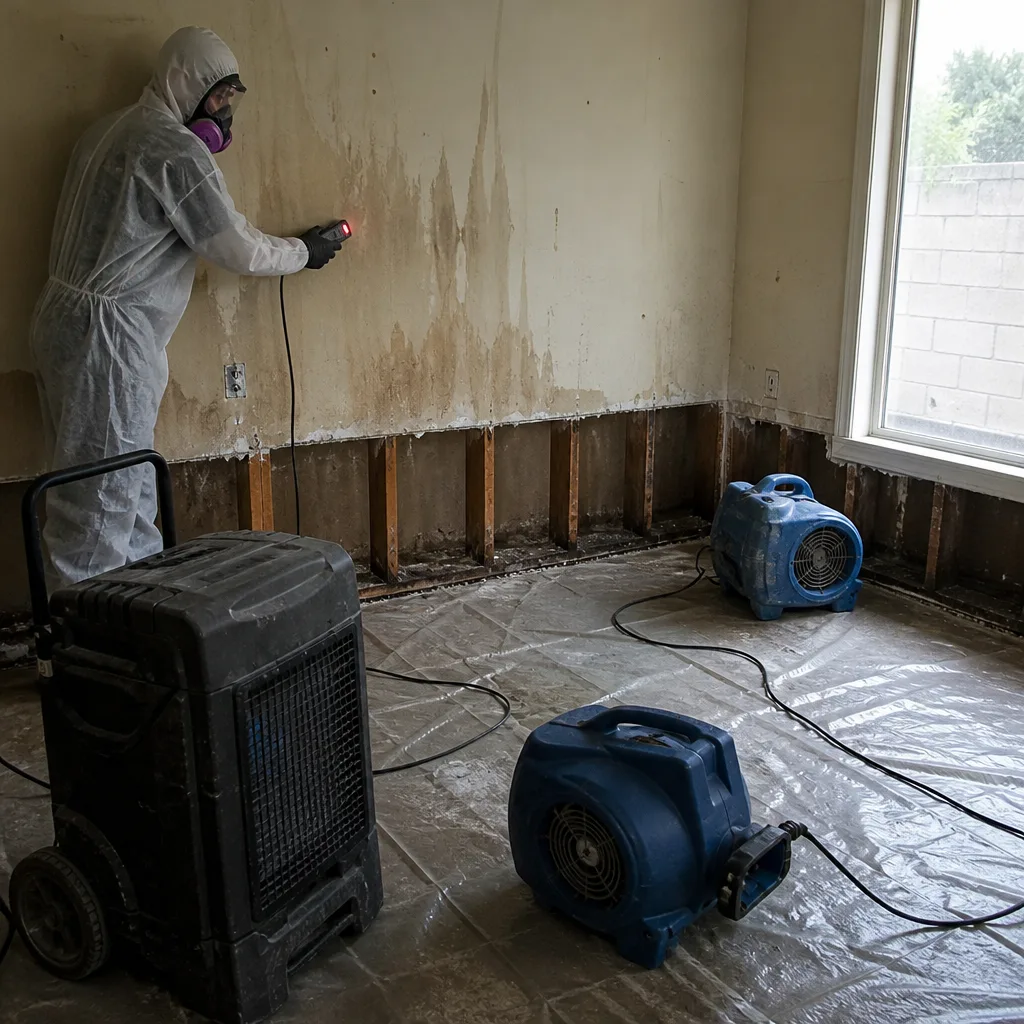 Before
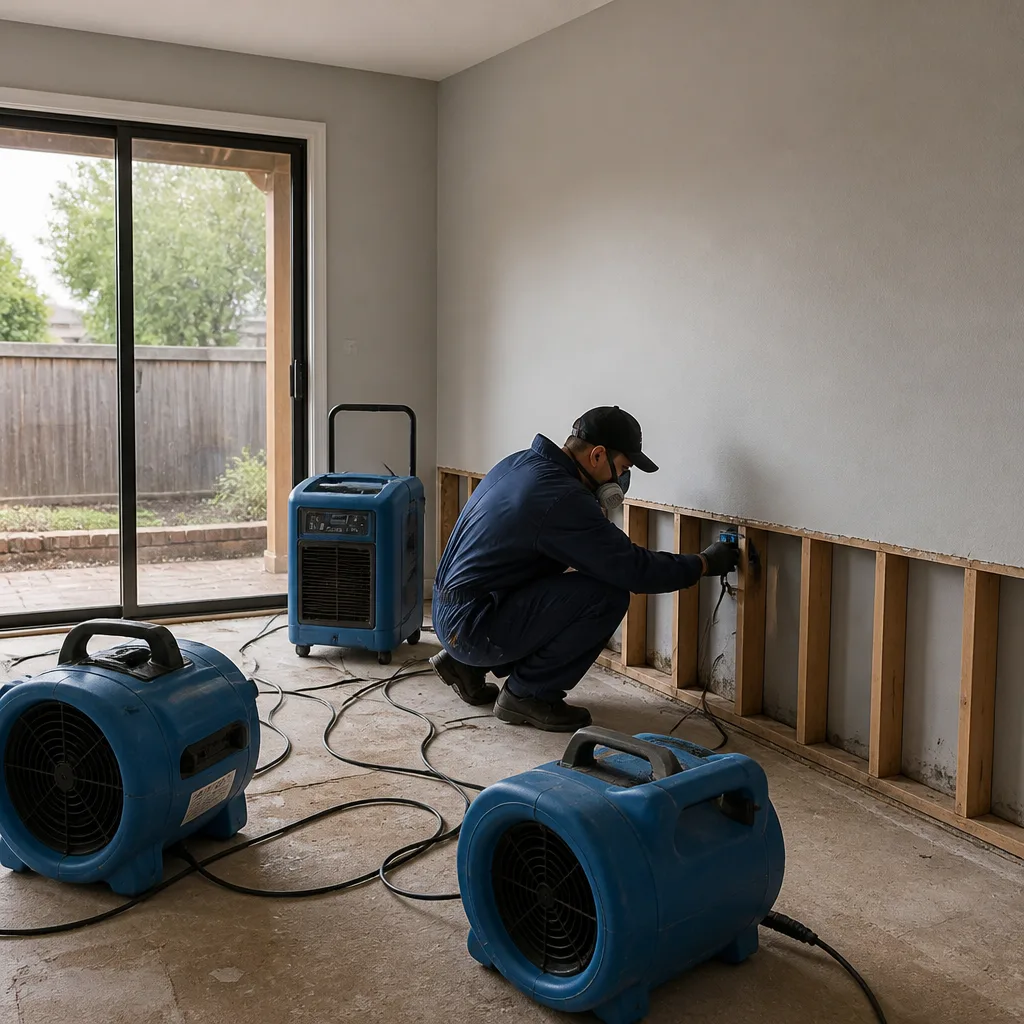 After
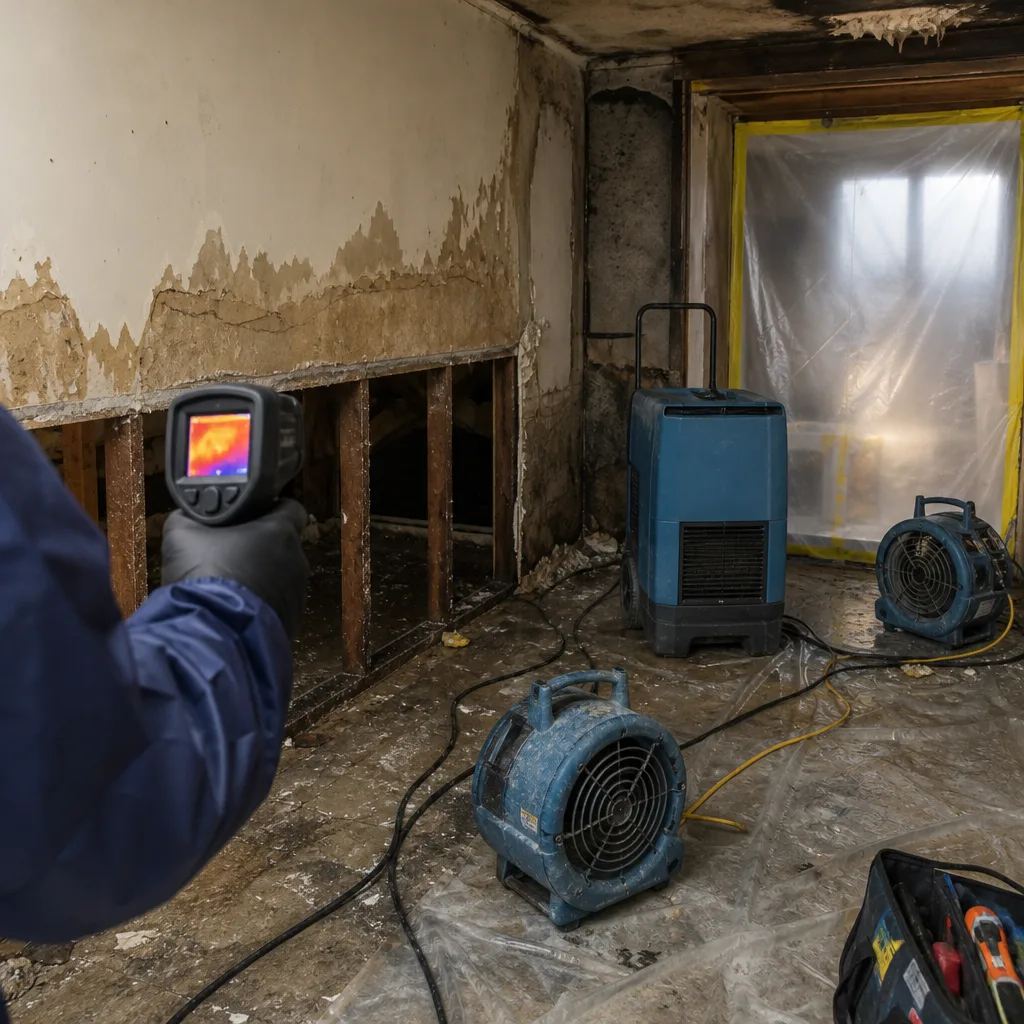 Before
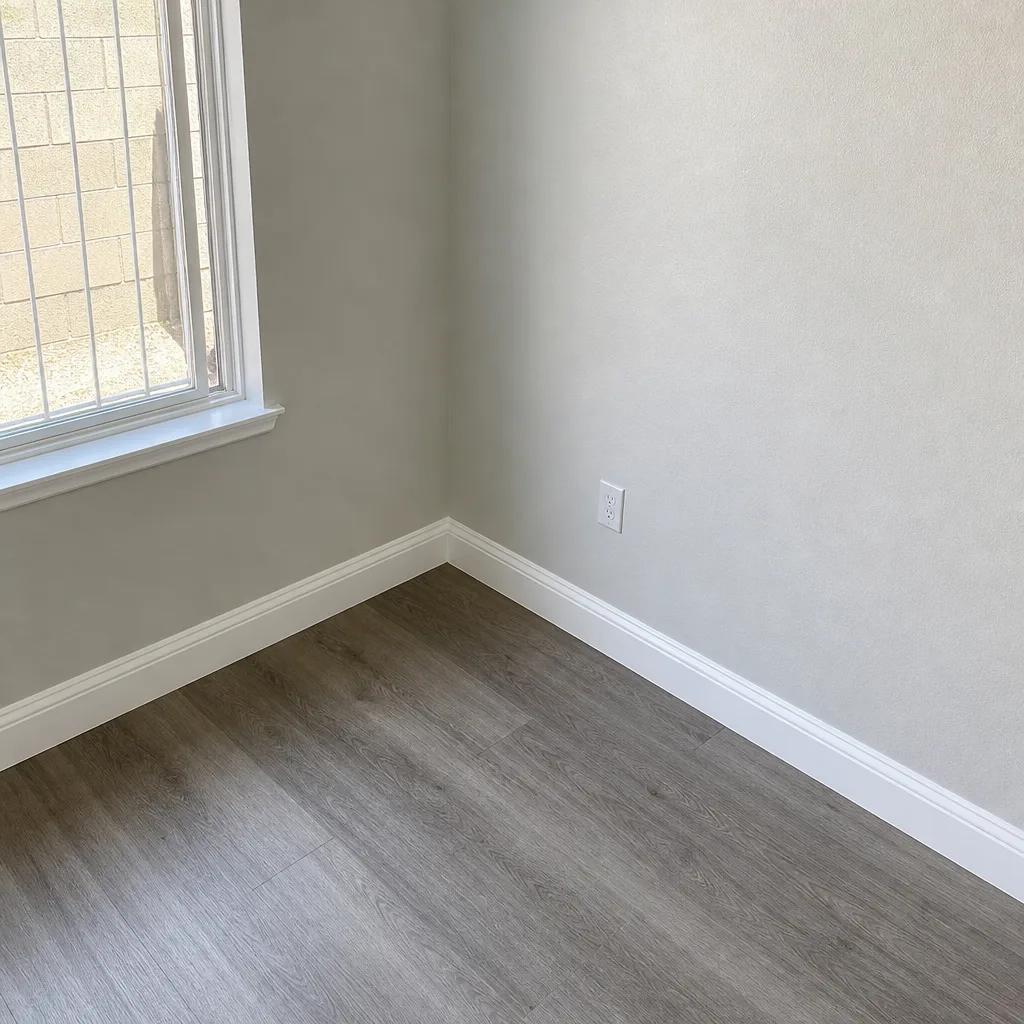 After
Common Mold Remediation Problems We See in Banning Homes
- Wind-driven grit in attic spaces. The San Gorgonio Pass winds push fine sand through roof vents and along the attic edges. After a rain event, that grit holds moisture against the sheathing and rafters, creating mold conditions that never originated from a plumbing leak.
- Stucco cracks as moisture entry points. Banning’s stucco-on-wood-frame homes develop hairline cracks as they age. Wind forces dust into those cracks, and rain follows the same path, saturating the wood behind the stucco where nobody sees it until mold stains bleed through the interior drywall.
- Ember and grit contamination on windward roof edges. Homes on the windward side of Banning collect wildfire ember dust along the roofline. That dust is contaminated with organics and minerals that, once wetted, accelerate microbial growth in ways typical household dust doesn’t.
- Manufactured home underbelly humidity. Mobile and manufactured homes in Banning often have crawlspace or underbelly moisture issues after flash floods. The enclosed space traps humidity, and mold spreads through the ductwork before anyone notices visible growth inside the living area.
Pricing for Mold Remediation in Banning, CA
We Also Serve Cities Near Banning
We run the same IICRC-certified mold remediation protocols in Cabazon, Calimesa, Yucaipa, and Valle Vista. Each town has its own wind exposure profile through the pass, but every one of them sends fine grit into the same kinds of older stucco and manufactured homes you see in Banning. Same crews, same equipment, same documentation your adjuster needs.
Serving Banning, CA — Our Local Coverage Area
We’re based in the Banning area and know this community well. Use the map below to see our service coverage — if you’re nearby, we can almost certainly help.
FAQs About Mold Remediation in Banning
The wind itself doesn’t cause mold, but it creates the conditions mold needs. Grit and dust blown through the San Gorgonio Pass pack into roof vents, window tracks, and stucco cracks. When rain or humidity follows, that packed dust holds moisture against wood and drywall, and mold colonizes inside the cavity. It’s a wind-driven moisture pathway, and we treat it differently than a plumbing leak. Call (844) 716-1094 if you suspect wind intrusion at your roofline.
Mold can begin growing within 24 to 48 hours after moisture reaches organic material like drywall paper or wood framing. In a wind-driven Banning roof leak, the damage is often already a week old by the time you see the ceiling stain, because the water sat inside the attic under insulation before bleeding through. That’s why we recommend calling before the stain appears if you know shingles lifted during a pass wind event.
Water category determines how we treat the material. Category 1 is clean water from a supply line. Category 2 carries contaminants. Category 3 is sewage or floodwater. Wind-driven rain that passes through a dirty attic or roof deck often lands as category 2 or worse. That changes the remediation scope, the antimicrobial treatment, and what gets removed versus dried in place. We’ll tell you which category you have, with moisture readings to back it up, before we write the scope.
Banning sits in a wind zone that requires roofing and structural repairs to meet specific uplift and fastening standards. If your mold remediation scope includes repairing the roof edge, sheathing, or structural framing that failed during a wind event, those repairs need to comply with the California Building Code wind provisions for the pass area. We coordinate that as part of the written scope, so the fix isn’t just cosmetic and the next wind event doesn’t reopen the same intrusion path.
Yes, and those are the majority of what we see in the 92220 zip code. Stucco-on-wood-frame hides moisture inside wall cavities, and manufactured homes trap humidity in underbelly spaces. We use penetrating moisture meters on the framing itself, not just the surface, and we set drying equipment in the cavities, not just the room. That’s the difference between remediation that lasts and cleanup that gets done twice.
Mold doesn’t wait, and in Banning the wind doesn’t either. If you see staining, smell something off, or just went through a pass wind event that lifted shingles or drove grit into your vents, call Flood Guard Water Damage at (844) 716-1094 for a free assessment. We’ll bring meters, not guesses.
Written by Noel Ibarra, Owner at Flood Guard Water Damage, serving Banning and the San Gorgonio Pass with IICRC-certified mold remediation and structural drying.