
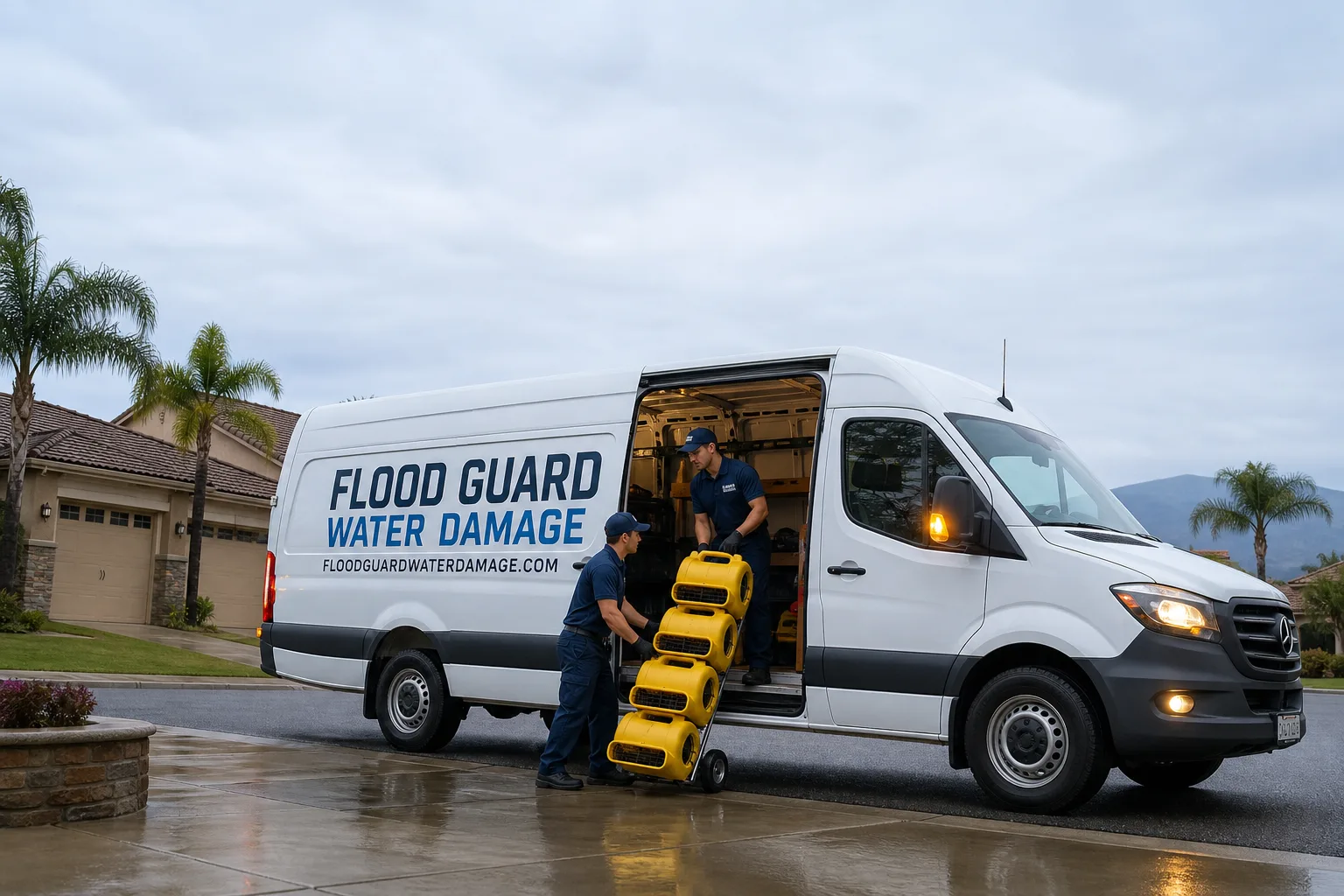
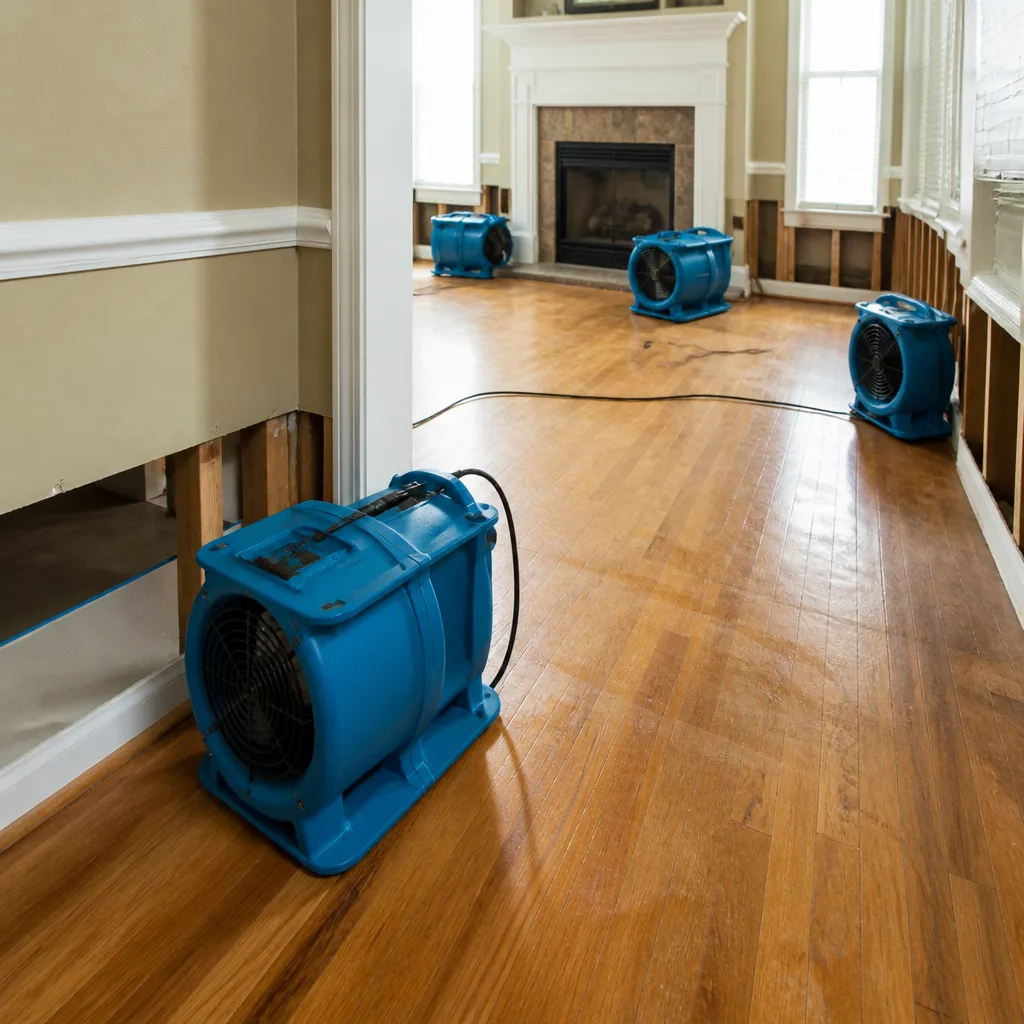
 Water damage drying
 Fire & smoke cleanup
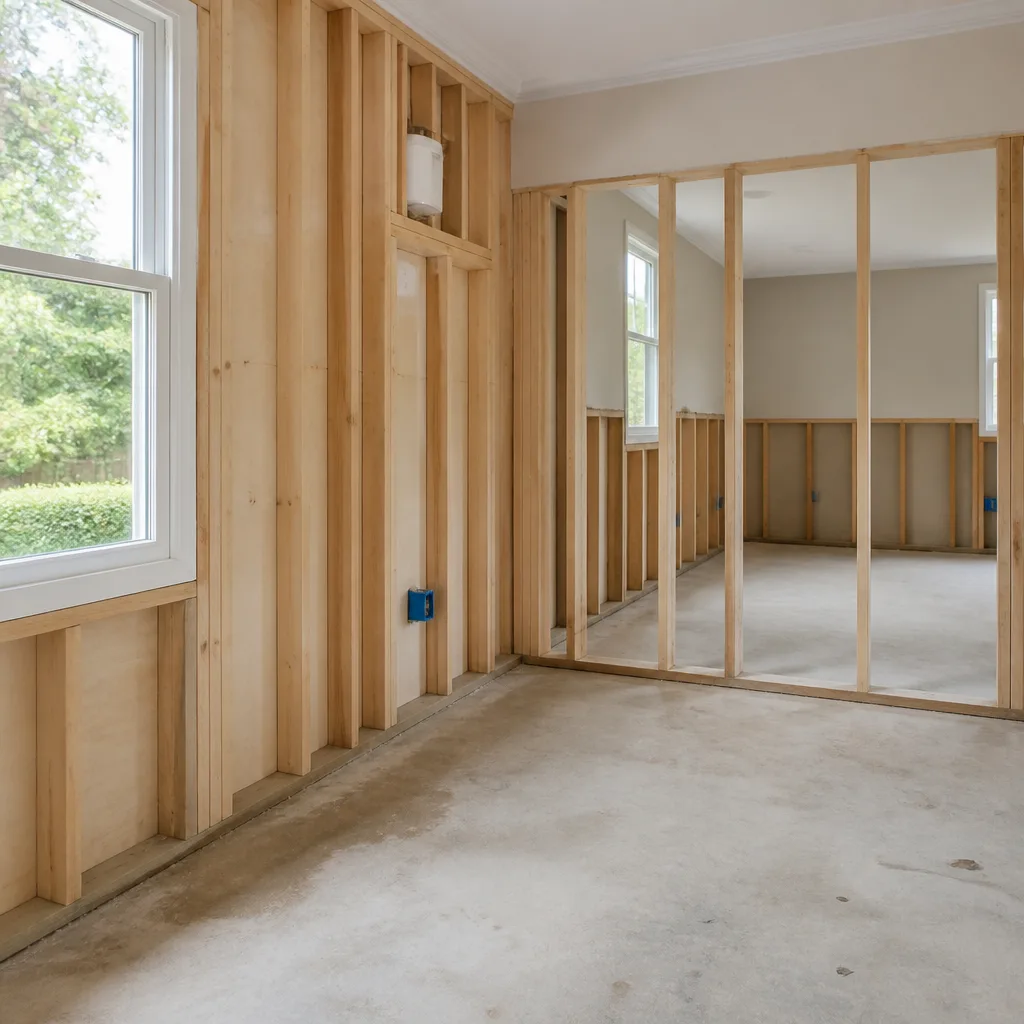 Mold remediation
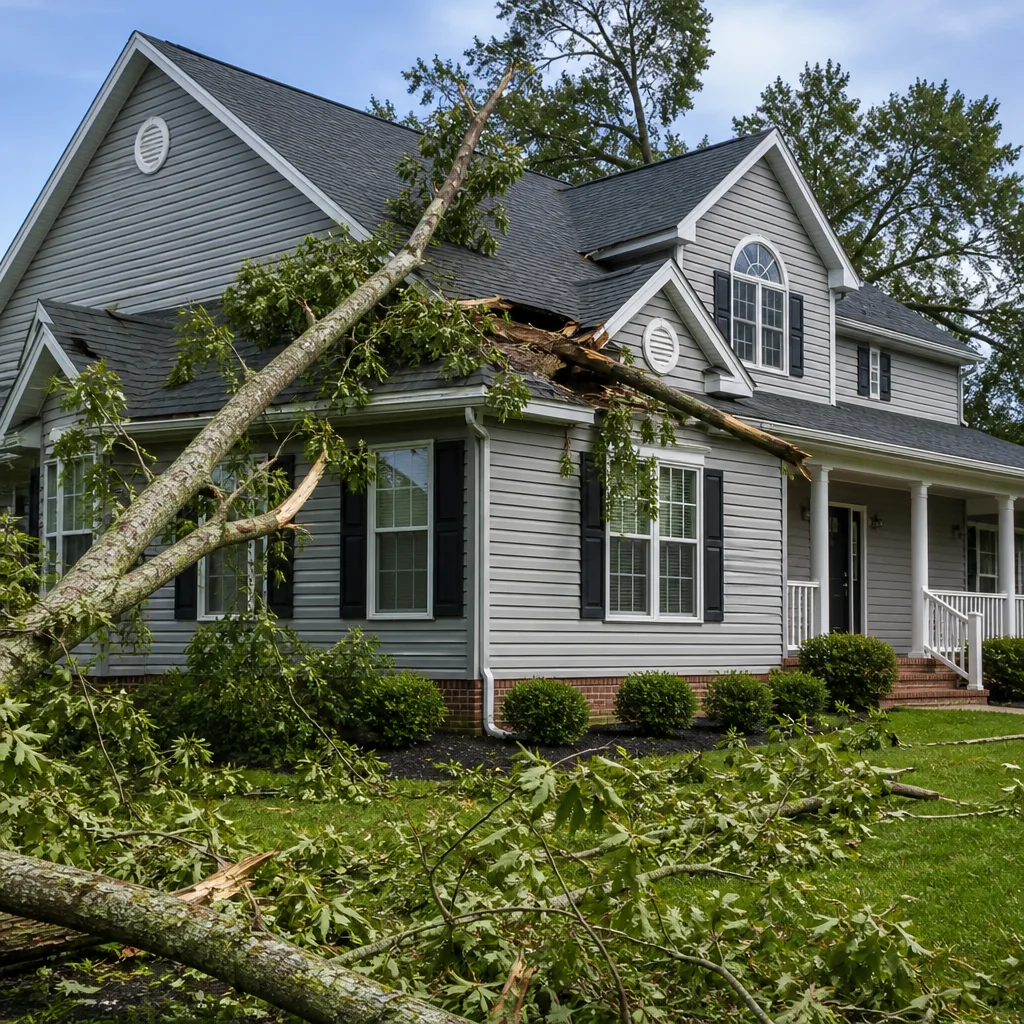 Storm response
 Sewage cleanup
 Reconstruction
Free visual inspection and a written scope of work before any mitigation begins - photos, moisture readings, and drying logs go in your claim file
The scope we write is the scope we bill. Anything new gets shown to you, in writing, before we touch it.
Get your free estimateFast, Reliable Water Damage Restoration Across Claremont
Water damage in Claremont usually arrives after a Santa Ana wind event or a root-backed sewer line gives out, not after a flood. When it happens, the first 24 to 48 hours decide whether you face a cleanup or a rebuild. We know Claremont’s homes, the tight Village streets, and the reasons water finds its way in. Call (844) 716-1094 and we’ll have a team at your door with commercial-grade equipment and IICRC-certified drying protocols, not estimates and guesses.
Claremont’s older bungalows and campus-adjacent buildings hold water differently than the tract homes in neighboring Upland or Montclair. Plaster walls, lath assemblies, mature root systems – these change the drying math. Our team works this exact housing stock every week, so we plan mitigation around what Claremont actually throws at us.
Key Takeaways
- Claremont water damage is driven most often by oak and deodar roots and wind-driven roof intrusion, not flood-zone overflow.
- Lath-and-plaster walls in Village-area homes release moisture slowly; pulling drying equipment too early invites mold within 24 – 48 hours.
- We serve all of zip code 91711, including the Village, the Claremont Colleges area, and the northern foothill streets.
- IICRC-certified methodology, commercial-grade Dri-Eaz equipment, and one accountable team from extraction to clearance.
Why Flood Guard Water Damage Is Claremont’s Preferred Water Damage Restoration Company
We built our reputation in Claremont on jobs other restorers had to redo. A lot of crews treat a 1920s Village bungalow like a modern drywall house. They pull equipment when the surface reads dry, miss the moisture locked in the plaster core, and hand the homeowner a mold problem three weeks later. Our techs measure, document, and dry to IICRC standards – Water Damage Restoration is not a side service for us, it’s what we do every day.
Led by Noel Ibarra, our team carries the professional associations that matter in this trade: IICRC certification, RIA membership, and IFA standing. That means our drying logs, moisture readings, and scope of work hold up when the insurance adjuster comes through. We document with photos, map moisture with a plan, and run Dri-Eaz and Injectidry equipment sized for large-loss work, not big-box rentals.
When a Claremont homeowner calls, the clock matters. We dispatch to Claremont quickly, and we arrive knowing what we’ll likely find: a plaster ceiling holding water from a skylight puncture, a Village basement with a root-backed sewer line, or a crawlspace under a mid-century ranch that never quite dries. Local knowledge like that shortens the mitigation plan, and it’s why Claremont property managers keep our number on file.
Restoration work we handle
Emergency Water Damage Restoration in Claremont
Emergency Water Damage Restoration in Claremont is what happens when a deodar limb comes through a roof or a water supply line lets go overnight. The job starts with extraction, moves to structural drying, and ends with documented moisture readings that show the assembly is dry, not just the surface. In Claremont, a typical emergency extraction and structural drying job runs $3,200 to $6,800 depending on square footage, the number of affected rooms, and how far water traveled through plaster or flooring cavities.
The first hour matters because water in a Claremont Village home doesn’t stop at the ceiling. It migrates through lath, soaks into plaster keys, and finds its way into wall cavities. Our techs map the migration with moisture meters before setting equipment, so we dry the structure, not just the visible stain.
Wind-Driven Roof and Skylight Intrusion
After a Santa Ana event, the older streets on the north side of Claremont see a spike in roof and skylight damage. Limbs from coast live oaks and deodar cedars punch through older shingle and tile assemblies, sending category 1 water down into plaster-and-lath ceilings. We contain the area, extract what’s accessible, and build a drying plan that accounts for slow plaster release rates.
Sewer Backups from Root Intrusion
Root-backed sewer lines in the Village area often get misclassified as category 1 water by contractors who don’t check the source. Root intrusion into clay sewer pipes brings category 2 or 3 water into the home, which changes what gets dried versus what gets removed. We verify the water category before we write the scope, so porous materials that should come out don’t get reinstalled into a contaminated assembly.
Water Damage Repair in Claremont
Water Damage Repair in Claremont follows emergency extraction and drying, and it’s where a lot of crews cut corners. Once the drying logs show the assembly is stable, the repair scope covers what comes out and what goes back: insulation, baseboards, plaster matching, paint, and often flooring. In Claremont, a typical repair scope after a contained water event runs $4,500 to $12,000 depending on the finishes involved, with Village-era Craftsman and Spanish Colonial homes skewing higher because matching plaster and period trim takes longer than spec-grade drywall.
The repair phase is where our one-team approach pays off. The same techs who ran the drying plan know what got wet, what got cut, and what needs to match back. When a homeowner or adjuster asks why a wall was opened, the answer exists in the moisture logs and photos from day one.
Plaster and Period Finish Matching
Water-damaged plaster in a 1930s Village bungalow can’t be patched with a bucket of joint compound and painted over. The texture, the lime composition, the corner beads – matching these back to pre-loss condition takes an experienced hand. We don’t tear out plaster assemblies by default. We open what the moisture map says needs opening, and we match what we repair.
Flooring and Subfloor Drying
Water that reaches a wood subfloor in a Claremont home doesn’t just sit on top. It wicks through the boards and into the joist bays. Our Injectidry capability lets us dry floor cavities and wall assemblies from the inside, which in many cases avoids pulling up hardwood or tile. We open floors when necessary, not by default.
Trusted Brands We Service in Claremont
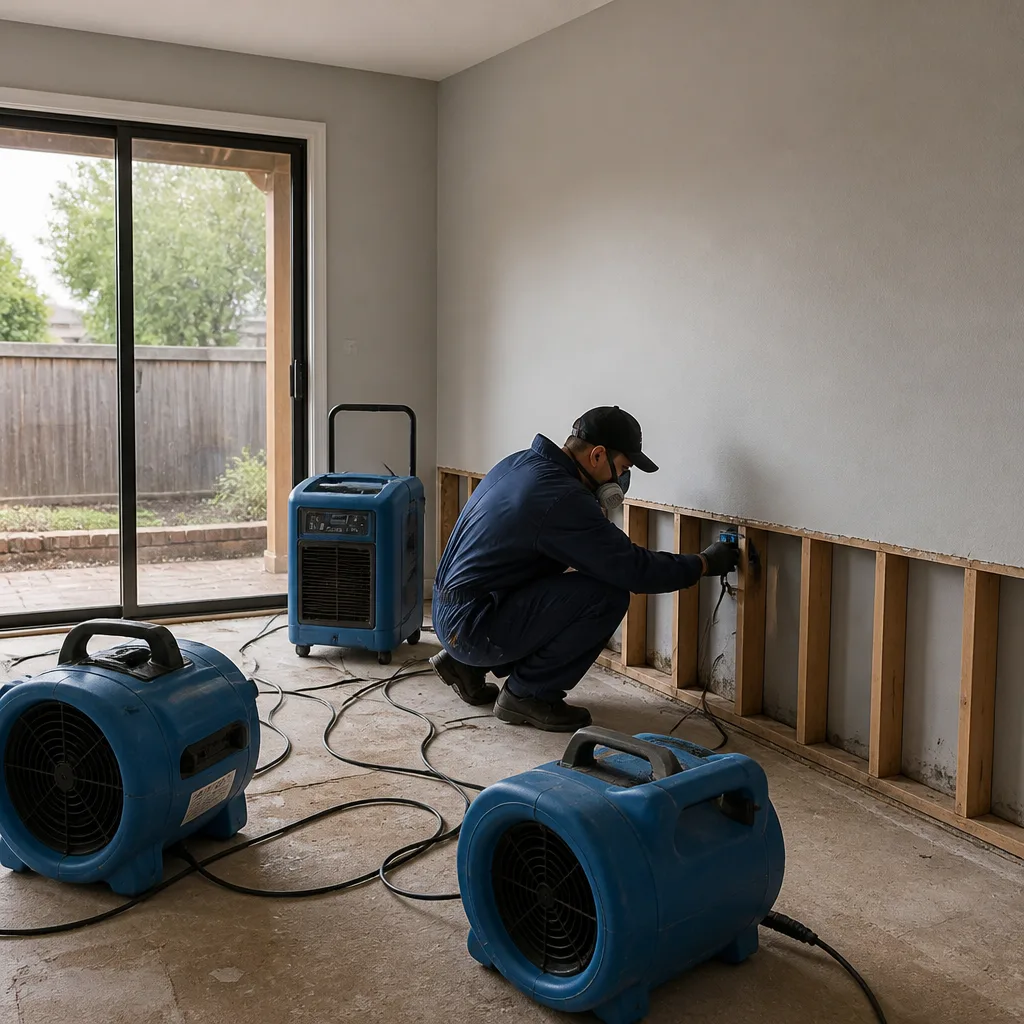
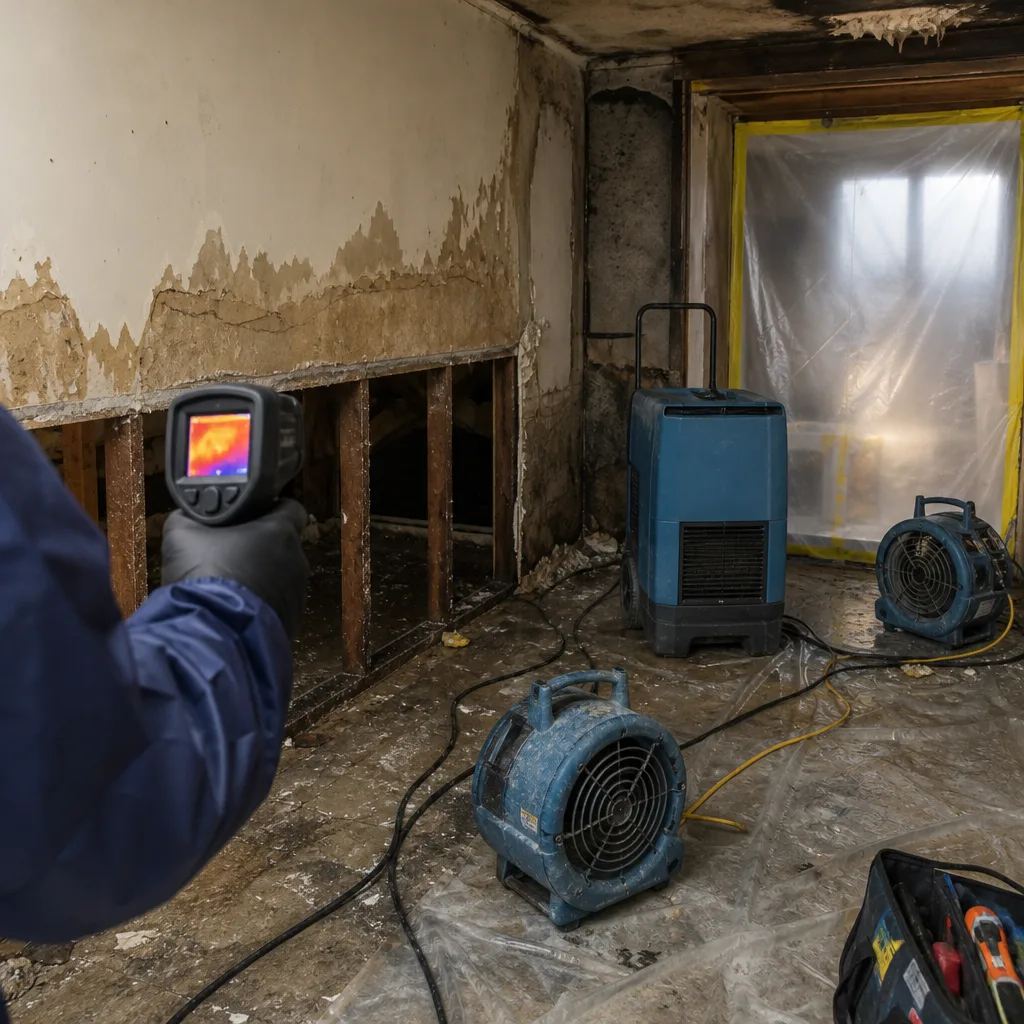
Most homeowners in Claremont don’t choose between our equipment and their contractor’s; they choose between a crew that shows up with Dri-Eaz and a crew that shows up with a rental dehumidifier from a hardware store. The difference shows up in drying time and in how the structure reads three weeks later. We run Dri-Eaz dehumidifiers, Phoenix air movers, and Injectidry drying panels on Claremont jobs, sized for the square footage and the assembly type. We keep common replacement parts and filtration media on our trucks, so a run to a supplier in Claremont or Rancho Cucamonga doesn’t slow down your mitigation. When a Village bungalow needs a containment chamber built around a plaster cavity, we build it with the right materials the first time.
See the difference
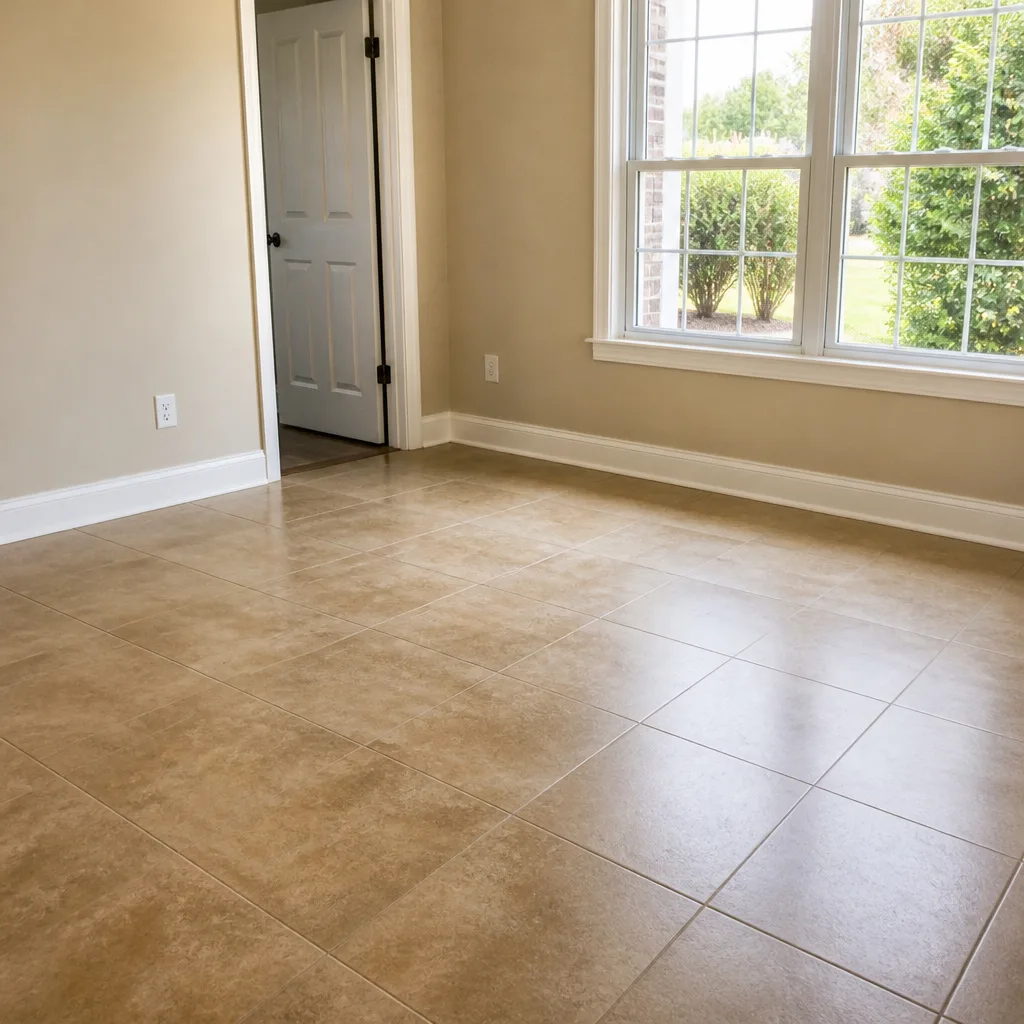
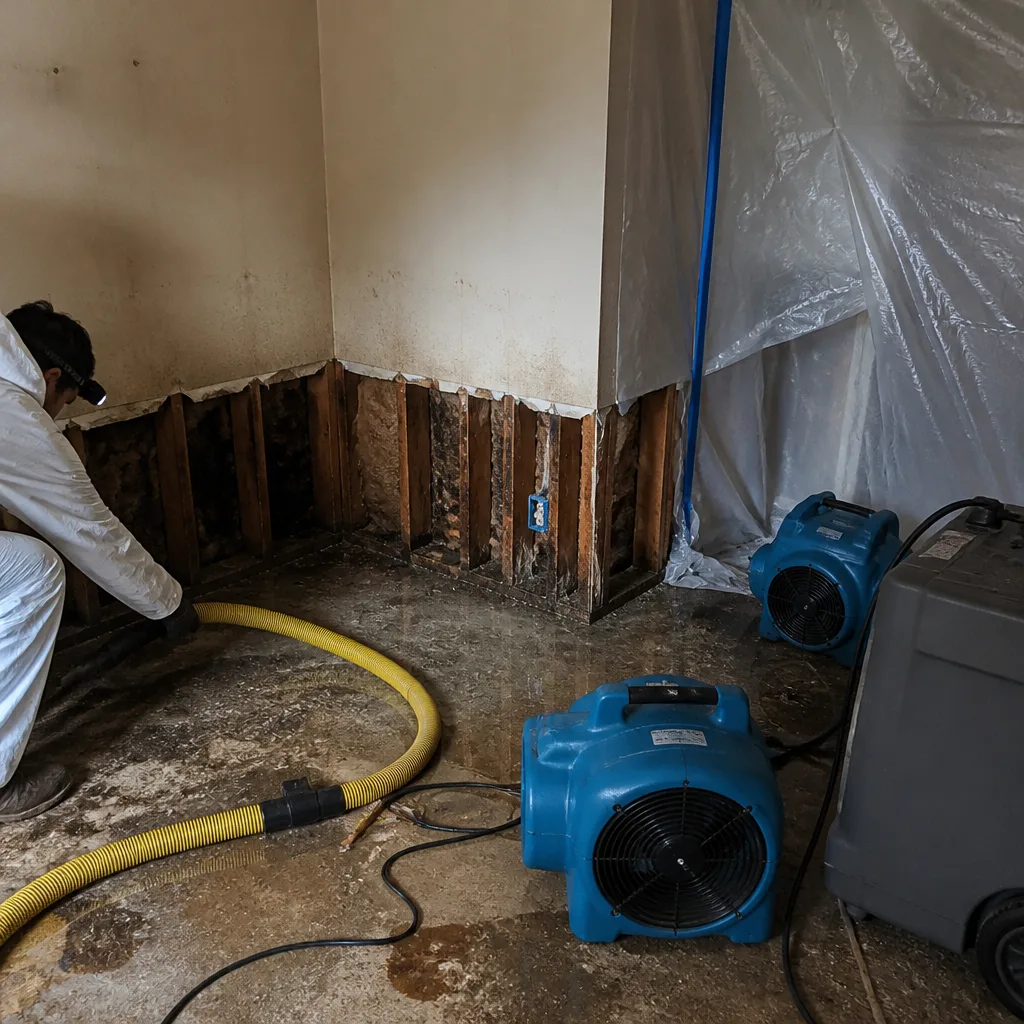 Before
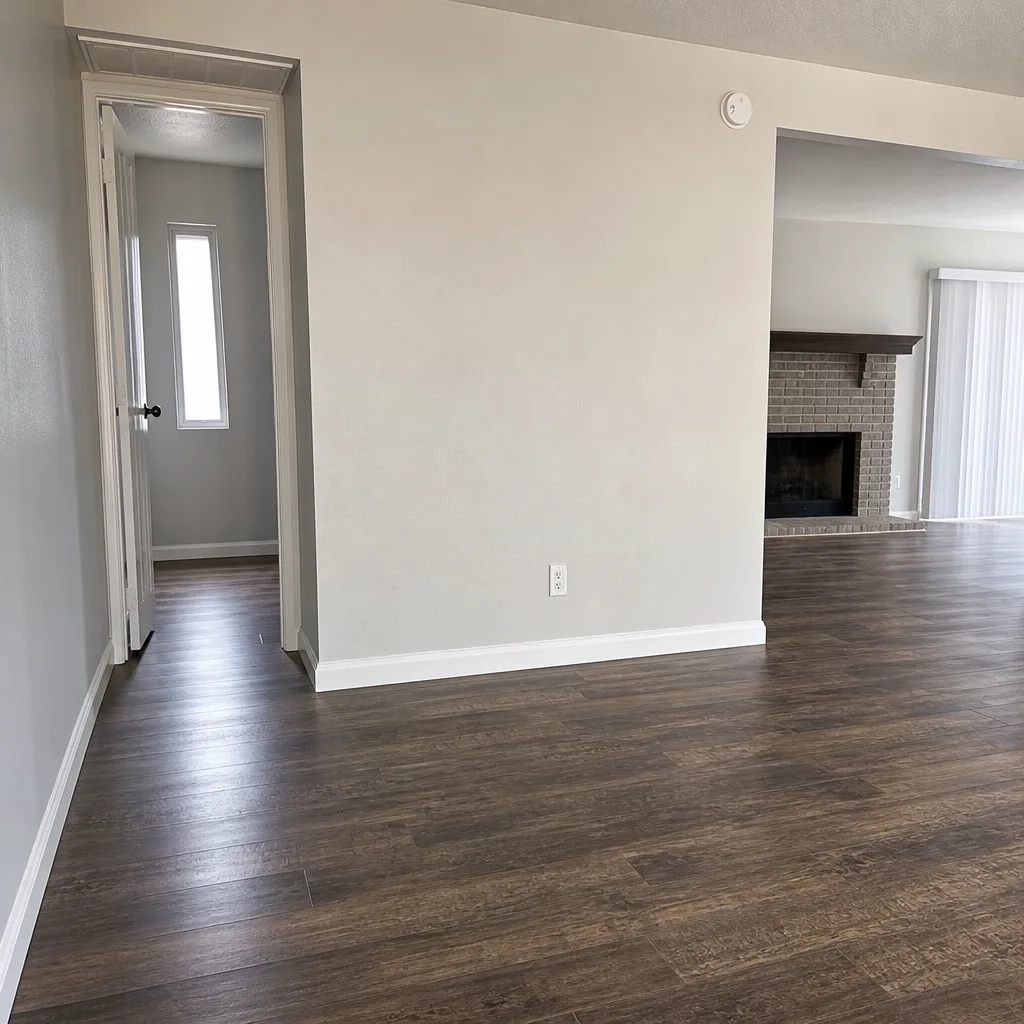 After
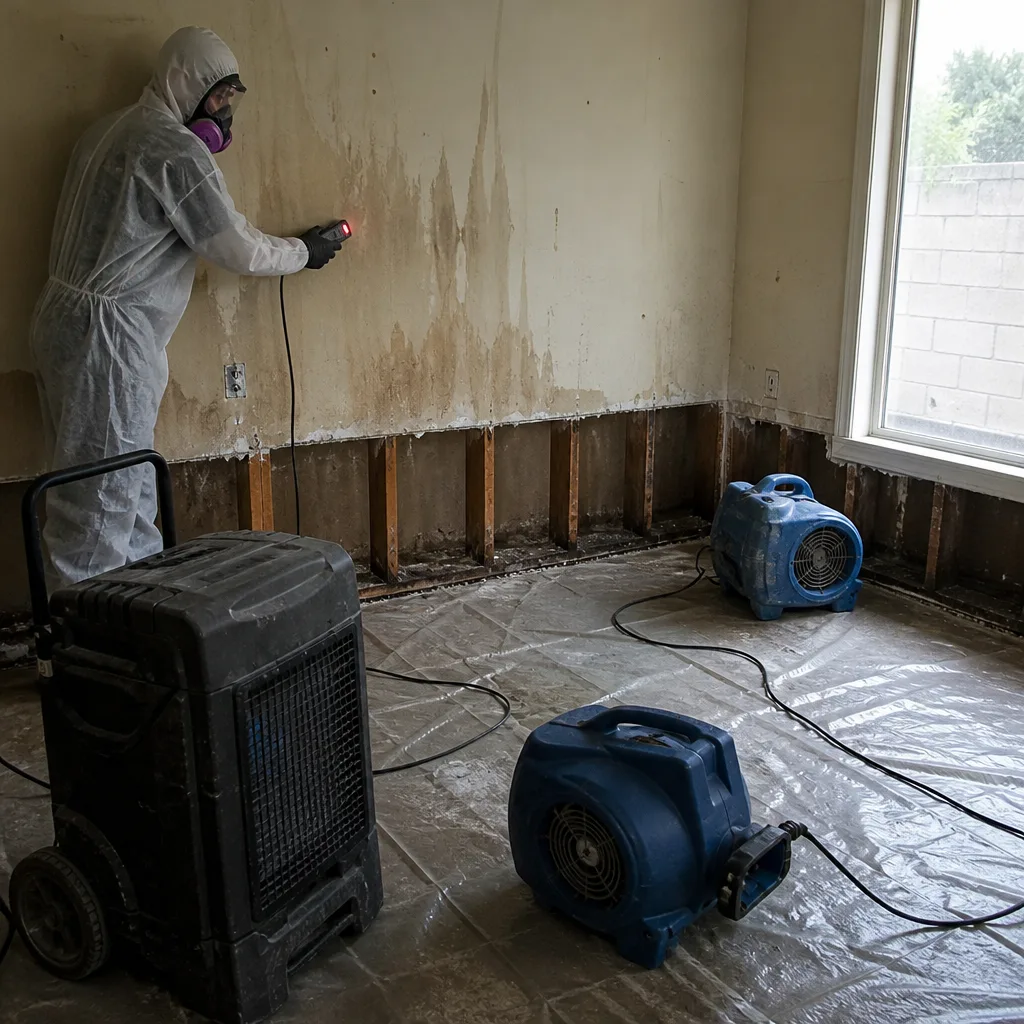 Before
 After
 Before
 After
Common Water Damage Restoration Problems We See in Claremont Homes
- Plaster that reads dry on the surface and isn’t. Lath-and-plaster releases moisture far slower than gypsum board. Techs who pull air movers when the surface reads dry leave a wet plaster core that feeds mold inside the wall. We hold equipment until the core readings come down, not just the face readings.
- Root-backed sewer lines logged as category 1. Oak and deodar roots break into old clay sewer laterals across the Village area and north Claremont. When that backup reaches the house, the water is category 2 or 3. Porous materials like carpet pad and insulation should come out, not get dried and reinstalled.
- Tight clearances leading to under-deployed equipment. Village-area alleys, narrow side yards, and street parking constraints mean some crews bring less air movement than the space needs. We plan equipment placement around access, including containment corners and crawlspaces that other teams skip.
- Slow leaks hiding in wall cavities through long dry spells. Claremont’s hot, dry inland climate lets a slow plumbing or flashing leak sit for months. By the time it surfaces as a stain on plaster or baseboard, the wall cavity has been feeding mold for weeks. We map the cavity, not just the visible stain.
Pricing for Water Damage Restoration in Claremont, CA
Here’s what we tell Claremont homeowners before anyone opens a wall. Emergency water extraction and structural drying in Claremont typically runs $3,200 to $6,800. Repair scopes after drying generally land between $4,500 and $12,000, with Village-era plaster matching at the higher end. Basement water removal in the college-adjacent neighborhoods often adds $1,500 to $3,500 when sump pump or root intrusion work is involved.
What drives cost in Claremont more than anything is the assembly. A plaster wall dries slower than drywall, which means more equipment and more days. A root-backed sewer backup means containment and antimicrobial treatment, not just extraction. We provide a written scope of work before demolition starts, with photo documentation and a drying plan the adjuster can follow. Call (844) 716-1094 for a free estimate, and we’ll give you numbers based on your house, not a generic square-footage table.
We Also Serve Cities Near Claremont
While this page focuses on Claremont, our crews work the surrounding foothill corridor too. We run regular routes through Water Damage Restoration in Claremont and the neighboring communities of Montclair, La Verne, Upland, and San Antonio Heights. If you’re calling from a home on the border of any of these, the same team, equipment, and IICRC drying protocols apply.
Serving Claremont, CA — Our Local Coverage Area
We’re based in the Claremont area and know this community well. Use the map below to see our service coverage — if you’re nearby, we can almost certainly help.
FAQs About Water Damage Restoration in Claremont
A Village bungalow with plaster-and-lath walls releases moisture far slower than a tract home with gypsum board, because the plaster core holds water deeply and only reads dry at the surface after several days. Add in older framing and enclosed cavities, and a job that takes three days in Rancho Cucamonga can take five or six in Claremont. That’s why we keep equipment on site until core readings come down, not surface readings. If you’re seeing a stain return weeks after another crew “finished,” call (844) 716-1094 and we’ll re-map the assembly.
Yes, wind-driven storm damage is almost always covered as emergency work under a standard homeowner’s policy, and an insurance carrier will expect you to begin mitigation immediately to prevent further loss. What matters for your claim is the documentation: photos of the point of entry, moisture readings, and a written scope of work. We coordinate with adjusters and provide all three on every Claremont job. Call (844) 716-1094 as soon as the limb is off the roof, and we’ll start the drying log while the claim is still open.
No, a sewer backup from root intrusion is category 2 at minimum, and usually category 3 if it carries raw sewage. That changes the restoration scope dramatically: carpet pad, insulation, and other porous materials in the affected area should be removed and replaced, not dried and reinstalled. A contractor who treats a root-backed sewer backup as clean water is making a classification error that can leave contamination in your home. We verify the water category at the source before writing the scope. Call (844) 716-1094 and we’ll send a tech to assess it correctly.
Act the same day you see the first stain or smell the first musty note, because a hidden leak in a plaster wall in Claremont’s dry climate has often been feeding moisture into the cavity for weeks or months before it surfaces. The longer the cavity stays wet, the more likely you’re dealing with mold remediation on top of water damage restoration. We schedule emergency response across all of zip code 91711 and the surrounding neighborhoods, so a same-day assessment is usually possible. Call (844) 716-1094 and describe what you’re seeing; we’ll tell you honestly what it likely is.
Yes, we plan equipment placement and vehicle staging around tight Village clearances, alley-load garages, and street parking restrictions near the Claremont Colleges before we arrive. Our crews carry handheld moisture meters and can stage air movers and dehumidifiers in configurations that work for narrow side yards and small basements. If your property’s access requires a smaller footprint or a specific staging plan, call (844) 716-1094 and we’ll walk through it with you before we dispatch.
Written by Noel Ibarra, Owner at Flood Guard Water Damage, serving Claremont and the Inland Empire foothill communities.