 Water damage drying
 Fire & smoke cleanup
 Mold remediation
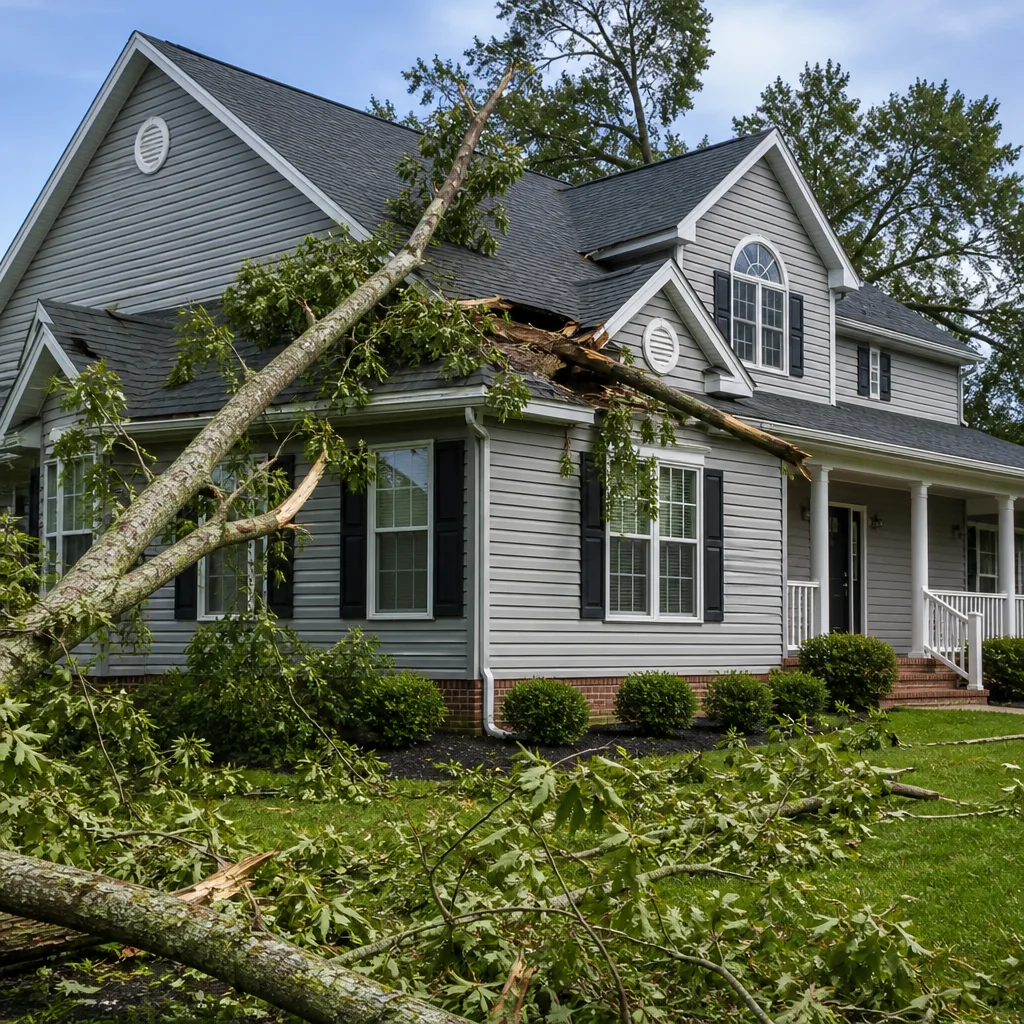 Storm response
 Sewage cleanup
 Reconstruction
Free visual inspection and a written scope of work before any mitigation begins - photos, moisture readings, and drying logs go in your claim file
The scope we write is the scope we bill. Anything new gets shown to you, in writing, before we touch it.
Get your free estimateFast, Reliable Water Damage Restoration Across March Air Force Base
Water damage restoration in March Air Force Base typically costs between $1,200 and $4,500 for a standard category 1 or 2 loss, with emergency water extraction alone running $350 to $800. Most jobs we handle on and around March ARB are completed within 3 to 5 days from first response to final drying verification. If you’re standing in water right now, call us at (844) 716-1094 and we’ll walk you through the first 30 minutes while a crew gets dispatched to the 92551 ZIP code.
Flood Guard Water Damage knows this area differently than a generalist who punches “92551” into a GPS. We understand that some homes here sit behind base access gates, that much of the housing is managed by privatized military housing contractors, and that a water loss at 2 a.m. doesn’t follow normal business hours. Our Water Damage Restoration teams carry commercial-grade drying systems and IICRC-certified protocols, and we’ve worked enough jobs around the historic March Field area to know what mid-century plumbing does when it finally gives out.
Why Flood Guard Water Damage Is March Air Force Base’s Preferred Water Damage Restoration Company
Noel Ibarra built Flood Guard around a simple principle: measure the moisture, document everything, and dry the structure until the numbers say it’s dry. Not until it looks dry. That approach matters in March Air Force Base, where housing contractors and property managers need defensible documentation before they sign off on mitigation. We hand them drying logs, moisture maps, and photo documentation that hold up under review.
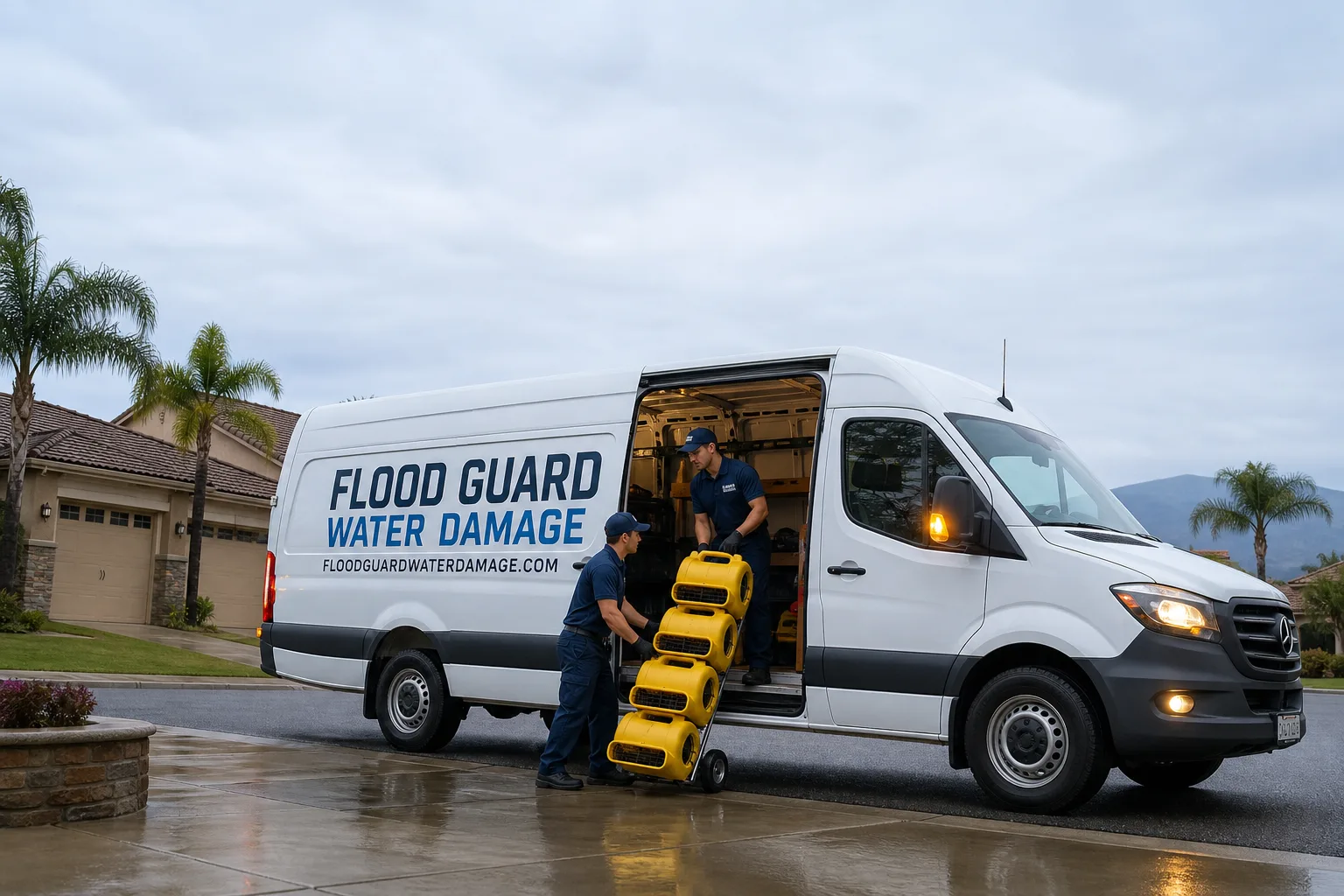
Our reputation in the 92551 area comes from jobs where access coordination was the first hurdle. We’ve managed base entry requirements for equipment hauling, coordinated scope approvals with privatized housing managers, and still hit response times that homeowners expect in a crisis. We deploy Dri-Eaz and Phoenix air movers and dehumidifiers, plus Injectidry systems for drying inside wall cavities without tearing out drywall unnecessarily. That last part saves residents weeks of reconstruction and thousands in repair costs.
The difference between Flood Guard and a contractor who shows up with a shop vac and a fan? We use IICRC-certified drying protocols. We hold active standing with the Restoration Industry Association (RIA) and IFA. When a housing manager at March ARB asks for documented drying progress, we already have it ready.
Restoration work we handle
Water Extraction in March Air Force Base
Water extraction in March Air Force Base means removing standing water fast, before category 1 water from a supply line degrades into category 2 or 3 contamination, and we typically arrive within 60 to 90 minutes of your call. Older slab-on-grade homes throughout the 92551 ZIP have nowhere for water to go but through flooring and into drywall. Our extraction teams use truck-mounted and portable extraction units to pull water from carpet, pad, hardwood, tile, and concrete, then map the moisture path to find what you can’t see. In March Air Force Base, a standard extraction on a 200 to 400 square foot affected area runs $350 to $800, depending on how far the water traveled.
What Actually Happens During Extraction
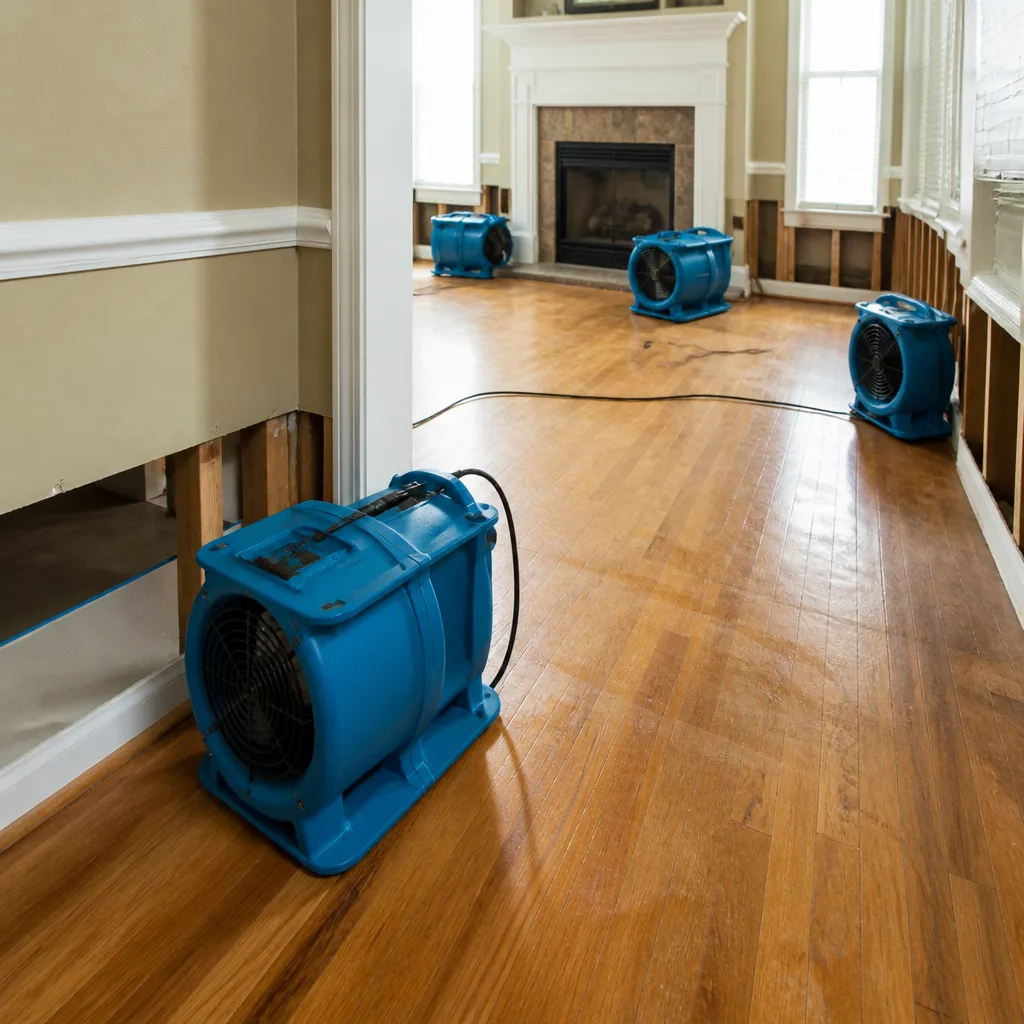
We remove standing water, yes. But we also check the water source category, cut and remove saturated pad where necessary, and place the first air movers before we leave. Every minute of standing water increases absorption into drywall, cabinets, and framing. In March Air Force Base’s dry climate, people assume things will air out on their own. They won’t. Moisture trapped behind baseboards and under vinyl develops hidden mold long after the surface feels dry.
Quarter-Inch Rule for Base Housing
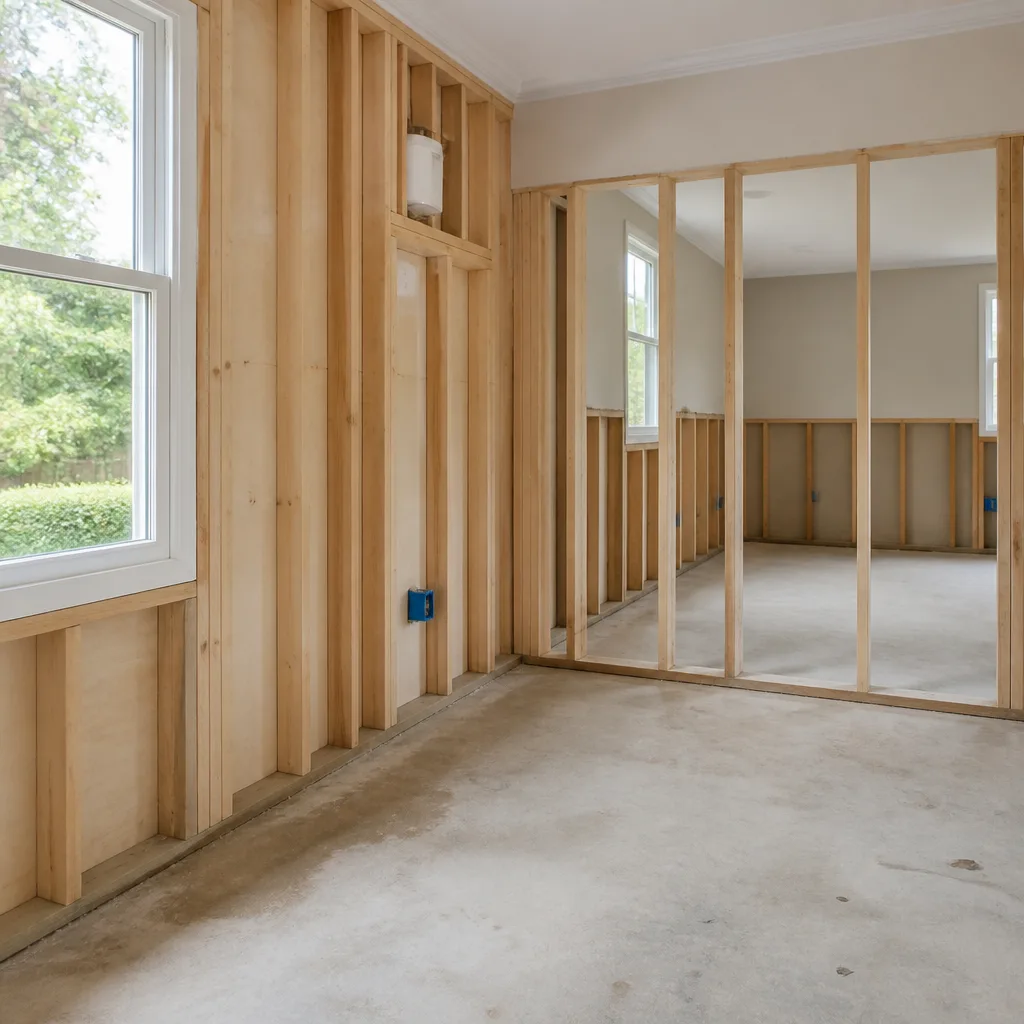
Homes around the historic March Field area and privatized military housing often have original slab construction. Water that’s a quarter inch deep at the front wall has already wicked six inches into the drywall. Our thermal imaging and moisture meters find that hidden migration before it becomes a mold claim that a privatized housing contractor has to fight.
Emergency Water Removal in March Air Force Base
Emergency water removal in March Air Force Base is a race against two clocks: the 24-to-48-hour window before mold colonizes, and the base-access window that can cost you hours if your restoration company doesn’t plan for it. Our crews pre-coordinate base entry credentials and have worked with housing managers across March ARB enough times to know what they require before equipment rolls. For a burst pipe at 11 p.m. in a 1960s base-era duplex, we aim to have water pulled and drying equipment placed before sunrise. Emergency water removal typically costs $500 to $1,200 in this market, with extraction, initial drying setup, and moisture assessment bundled into that first response.
Supply Line Failures in Older Stock
We see more sudden supply line breaks in the mid-century housing around March ARB than nearly anywhere else in the Riverside area. Galvanized pipes from the 1950s and 1960s corrode from the inside out. They hold pressure for decades, then fail without warning, often inside a wall or under a slab. The water damage you don’t see for hours is the one that costs the most.
Why Speed Alone Isn’t Enough
Fast water removal without moisture mapping is just fast guesswork. We’ve taken over jobs where a previous contractor extracted the water, set a couple fans, and pronounced the home dry. Two weeks later, mold bloomed behind the baseboards. Flood Guard measures moisture content in materials, tracks daily drying progress, and gives housing managers or homeowners a written record showing the structure reached dry standard. Not estimates. Measurements.
Trusted Brands We Service in March Air Force Base
We run Dri-Eaz and Phoenix drying systems because those are the brands large commercial restoration teams use on big-loss jobs, and March Air Force Base homes and quarters deserve the same equipment regardless of square footage. Our Injectidry panels let us dry inside walls and under cabinets without automatic demolition, which matters when a housing contractor wants minimal disruption. We keep B-Air and XPOWER units on our trucks for spot drying and air scrubbing. When you call Flood Guard at (844) 716-1094, the equipment that shows up is the equipment we’d bring to a 10,000-square-foot commercial loss. Just scaled to your floor plan.
Common Water Damage Restoration Problems We See in March Air Force Base Homes
- Galvanized and polybutylene pipe failures. Original supply lines in homes built from the 1950s through the 1970s fail behind walls and under slabs. By the time water shows at the baseboard, it’s been migrating through framing for hours.
- Slab-on-grade water migration. Most base-era housing has no crawlspace or basement. Water sits directly on concrete and pushes under flooring, where moisture readings and thermal imaging are the only ways to know how far it spread.
- Base access delays compounding damage. A water event on March ARB requires contractor credentials and often scope approval from a privatized housing manager. If your restoration company doesn’t plan for that step, category 1 water becomes category 2 or 3 before equipment ever gets through the gate.
- Santa Ana wind and roof damage storms. Inland Riverside County gets sudden heavy winter rain after long hot, dry stretches. Aged roofing seals and flashing crack under intense summer sun, then fail when storms hit. Water enters along roof penetrations and runs down inside wall cavities.
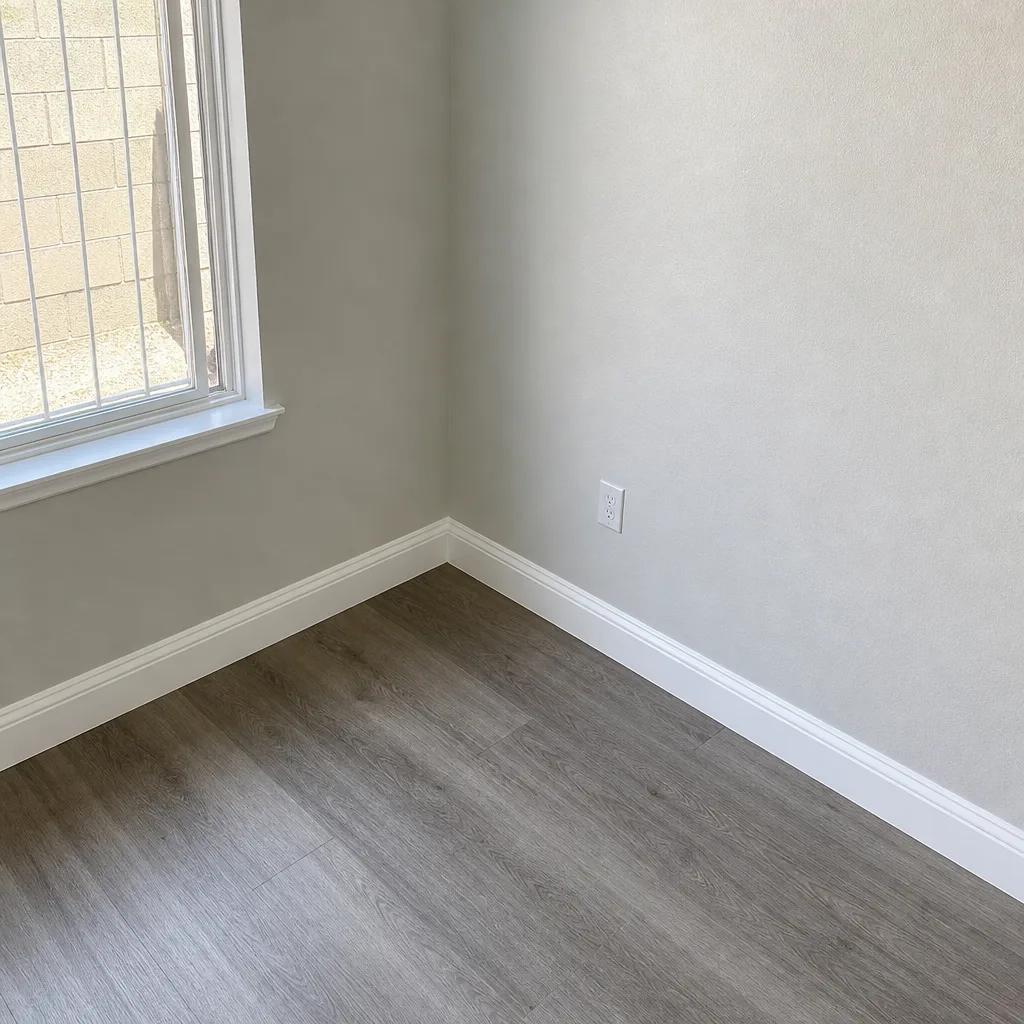
See the difference
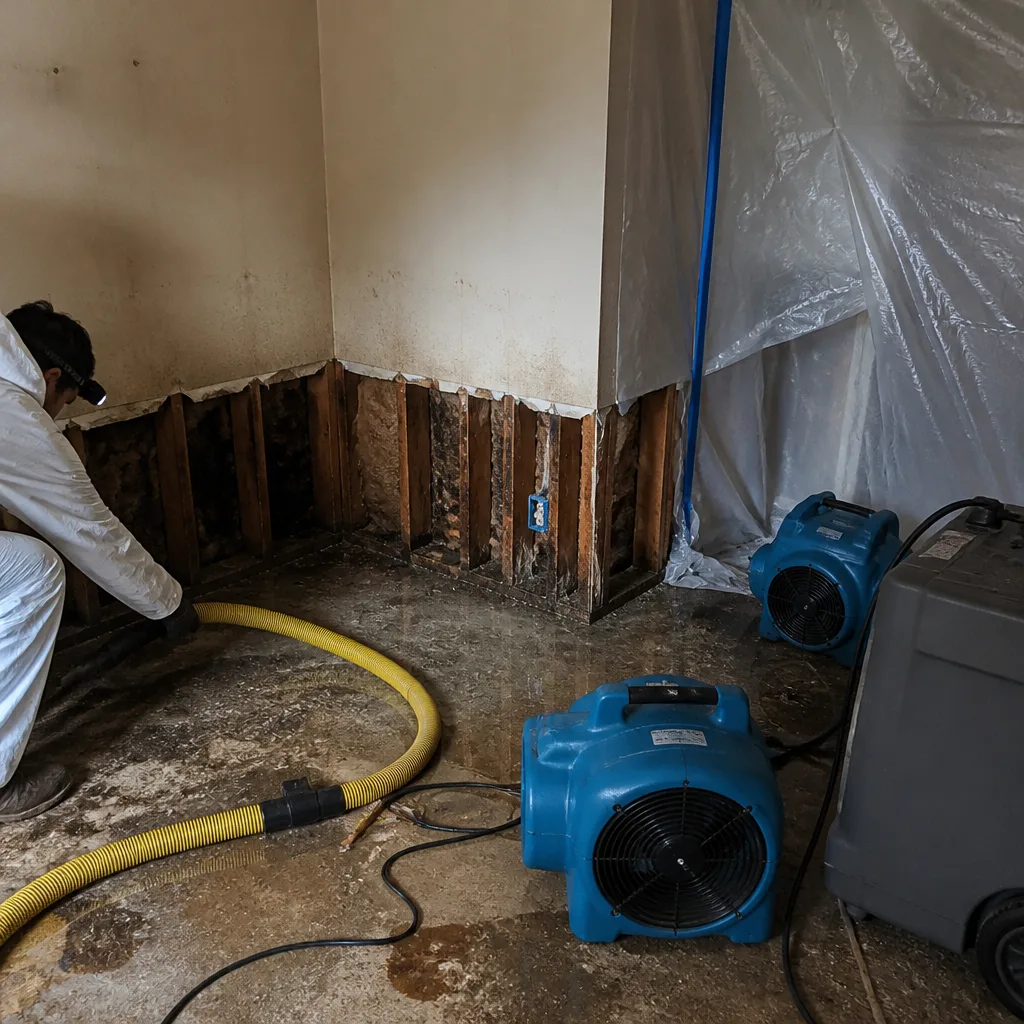 Before
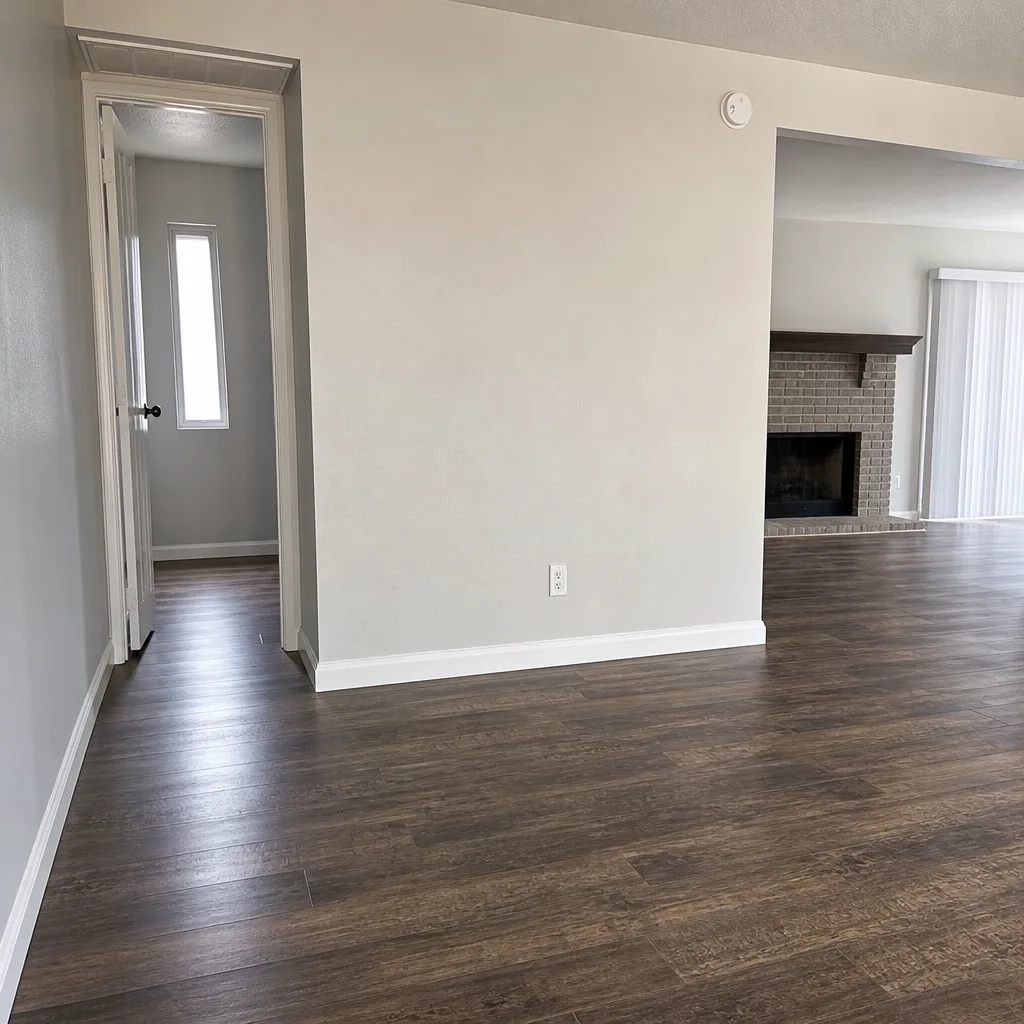 After
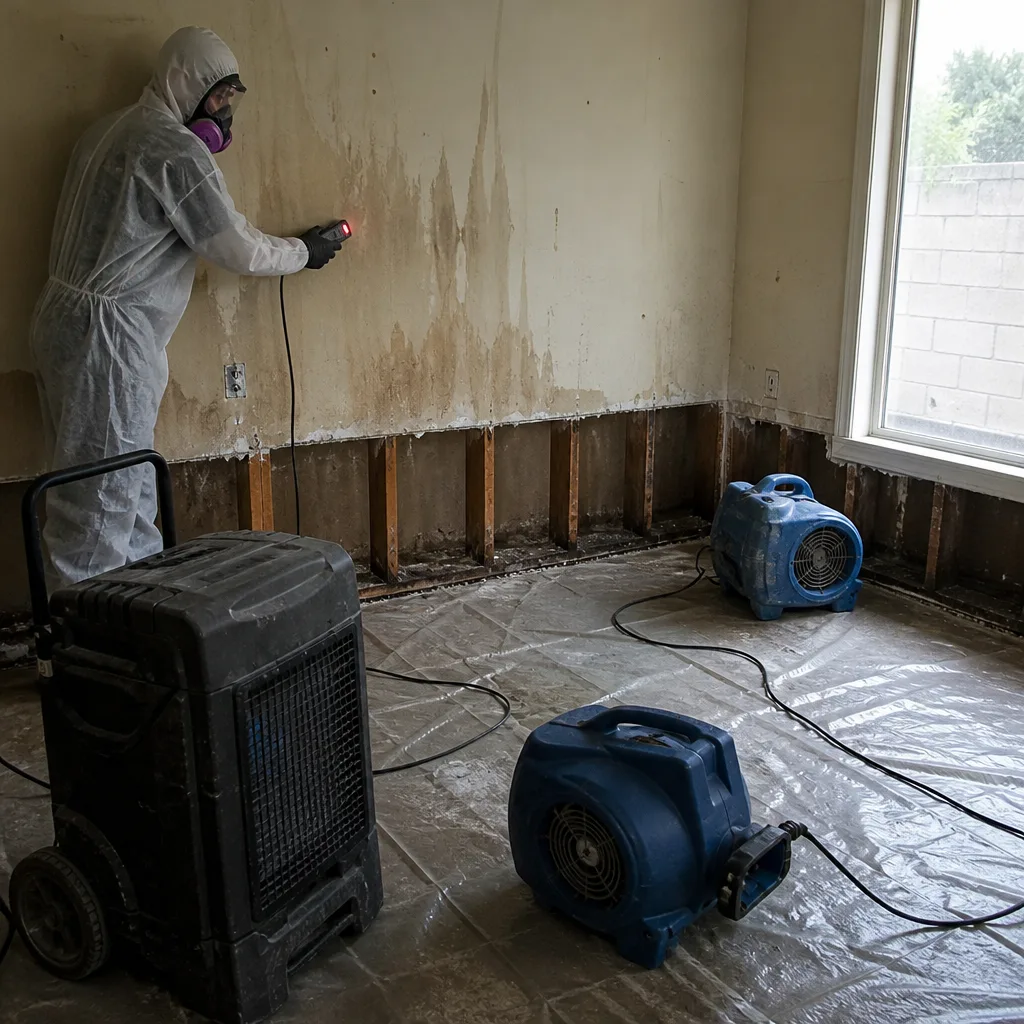 Before
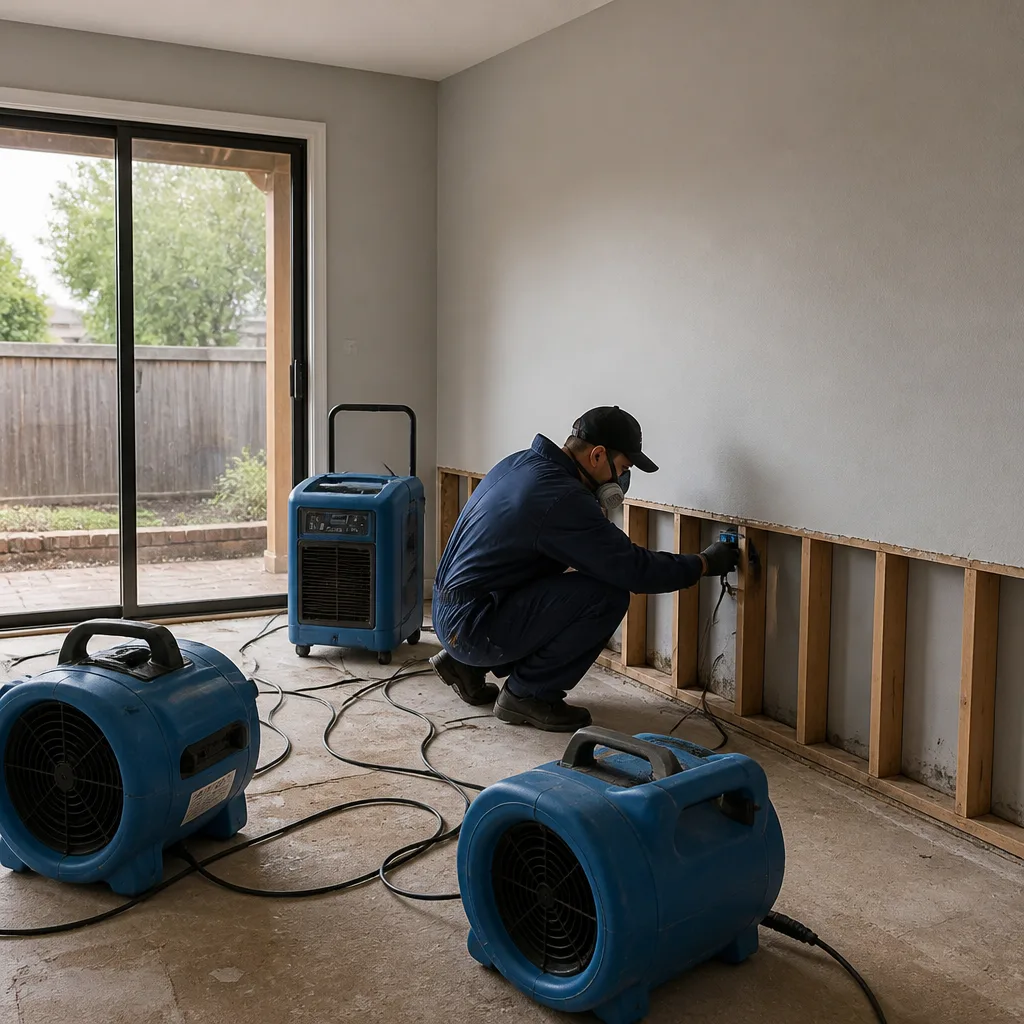 After
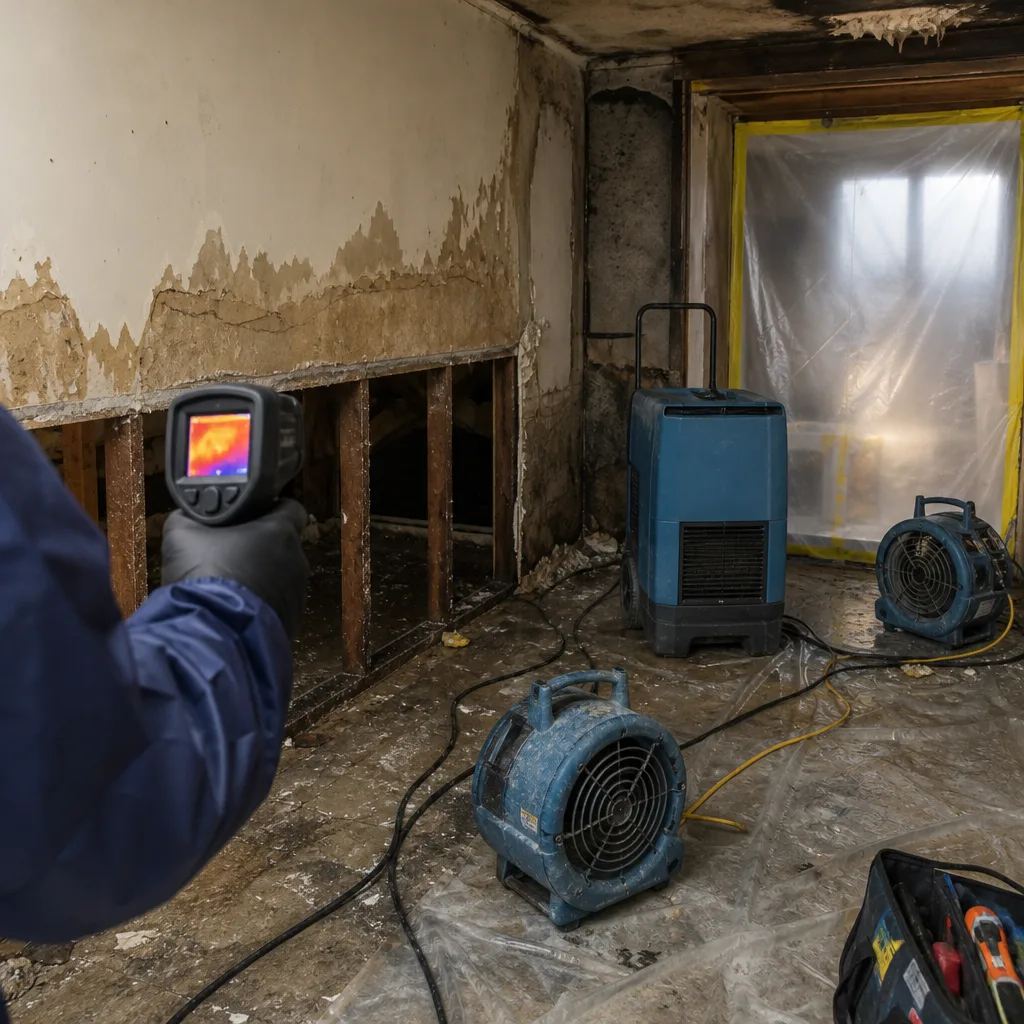 Before
 After
Pricing for Water Damage Restoration in March Air Force Base, CA
Water extraction for a single-room loss in March Air Force Base runs $350 to $800. Structural drying with multiple air movers and a dehumidifier typically adds $500 to $1,500 depending on affected square footage. Full water damage restoration, including removal of damaged drywall, antimicrobial treatment, and drying verification, lands between $1,200 and $4,500 for a standard category 1 or 2 loss. Category 3 losses involving sewage backup can push toward $7,000 or more once containment and sanitization are factored in. On-base jobs may include additional coordination time, but our documentation meets what privatized housing contractors require. Call (844) 716-1094 for a free, written estimate. We’ll tell you what it costs before you commit to anything.
We Also Serve Cities Near March Air Force Base
Flood Guard Water Damage works throughout the 92551 ZIP and beyond. We respond to water damage calls in Moreno Valley, Woodcrest, Perris, and Good Hope, especially in emergencies where waiting for a crew from outside the area means more water in the structure. If you live near March Air Force Base and need immediate water removal, call us and we’ll confirm our current dispatch time to your street.
Serving March Air Force Base, CA — Our Local Coverage Area
We’re based in the March Air Force Base area and know this community well. Use the map below to see our service coverage — if you’re nearby, we can almost certainly help.
FAQs About Water Damage Restoration in March Air Force Base
We typically arrive within 60 to 90 minutes of your call to anywhere in the 92551 ZIP, including on-base quarters once access is confirmed. If you’re in privatized military housing, call the housing manager immediately after you call us so base access doesn’t delay our crew. Every hour of standing water expands the damage footprint and pushes you closer to mold territory. Call (844) 716-1094 now for an actual response estimate to your specific address.
Yes, we regularly coordinate with the privatized housing managers who oversee much of the family housing at March ARB. That means we handle scope approval, provide the drying documentation and moisture logs they require, and manage base access for our crew and equipment. The coordination step is unique to working on base, and it’s part of why our documentation is built to satisfy contractor review. If you’re in managed housing and dealing with a water event, we can talk directly with your housing office.
The most common causes we see in the mid-century housing around the historic March Field area are galvanized supply line failures, aging angle stops under sinks, and washing machine hose bursts. Original plumbing from the 1950s and 1960s corrodes internally for years before failing suddenly, often inside a wall cavity. By the time you see water, the framing has been wet for hours. Those are the jobs where thermal imaging and moisture mapping make the difference between a targeted dry-out and a full tear-out.
Yes, we handle category 3 losses including sewage backups and flood water intrusion in March Air Force Base homes. Category 3 means the water carries bacteria and pathogens, so we set up containment, remove contaminated materials, apply antimicrobial treatment, and follow IICRC-certified protocols throughout. Documentation for these jobs is critical with privatized housing contractors, and we provide the full drying log and clearance paperwork your housing manager will request.
We use Dri-Eaz and Phoenix air movers and dehumidifiers, plus Injectidry panels for drying inside wall cavities and under cabinets without automatic demolition. March ARB’s hot, dry climate actually means uncontrolled drying can happen too fast on the surface, hiding moisture deeper in materials. Our equipment measures and manages the drying process rather than relying on ambient conditions. For homes with slab construction and no crawlspace, that controlled approach keeps hidden moisture from becoming a mold claim later.
Contact Flood Guard Water Damage for March Air Force Base Service
Water damage doesn’t wait, and neither should you. Whether you’re in a 1960s base-era duplex near the historic March Field area, a newer tract home in the surrounding 92551 neighborhoods, or privatized military housing on March ARB, Noel Ibarra and our team are ready to respond. We’ll show up with commercial-grade equipment, document everything, and dry your structure until the moisture numbers prove it’s done. Call (844) 716-1094 now for a free estimate and immediate dispatch.
Written by Noel Ibarra, Owner at Flood Guard Water Damage, serving March Air Force Base and the surrounding Riverside County area.