
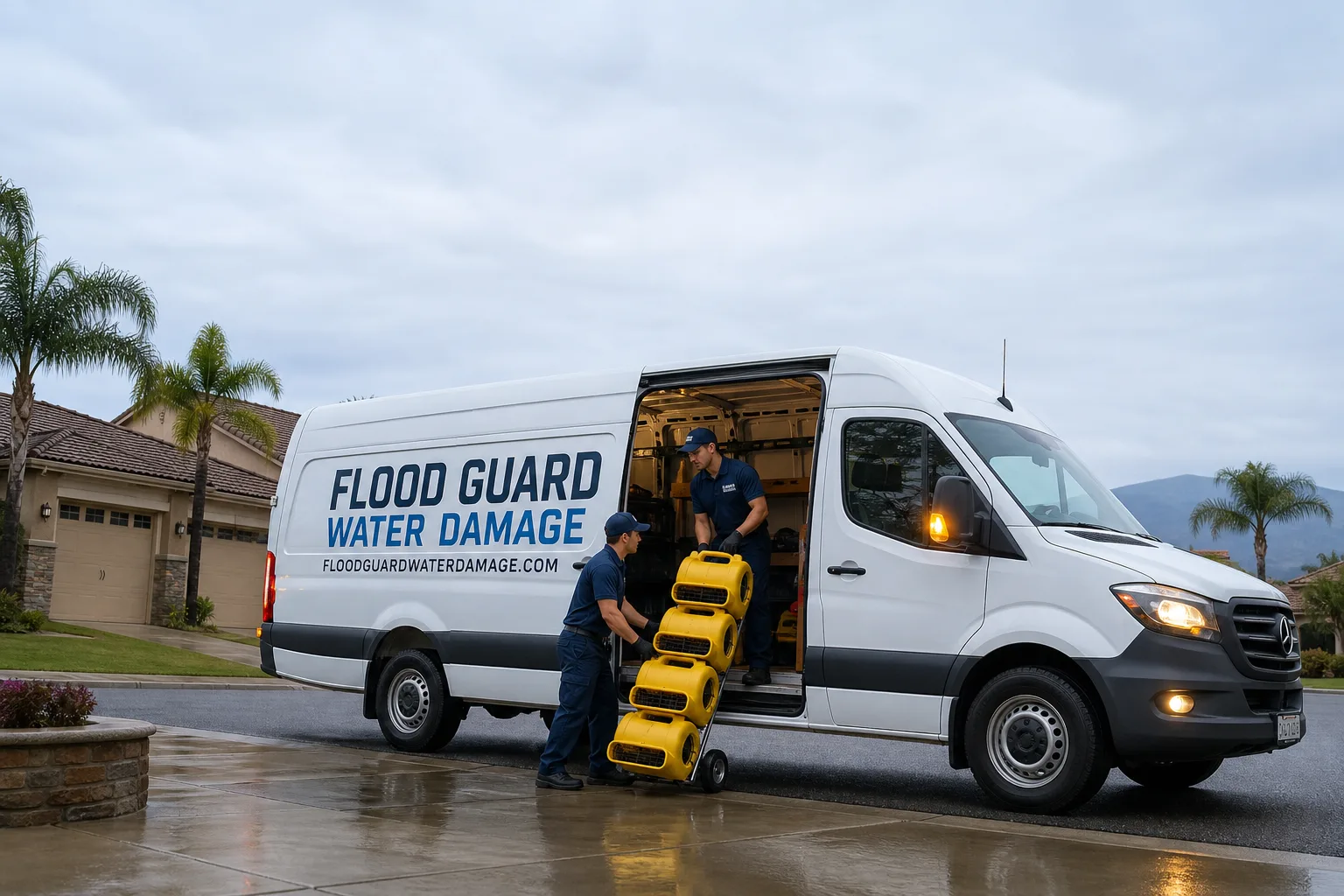
 Water damage drying
 Fire & smoke cleanup
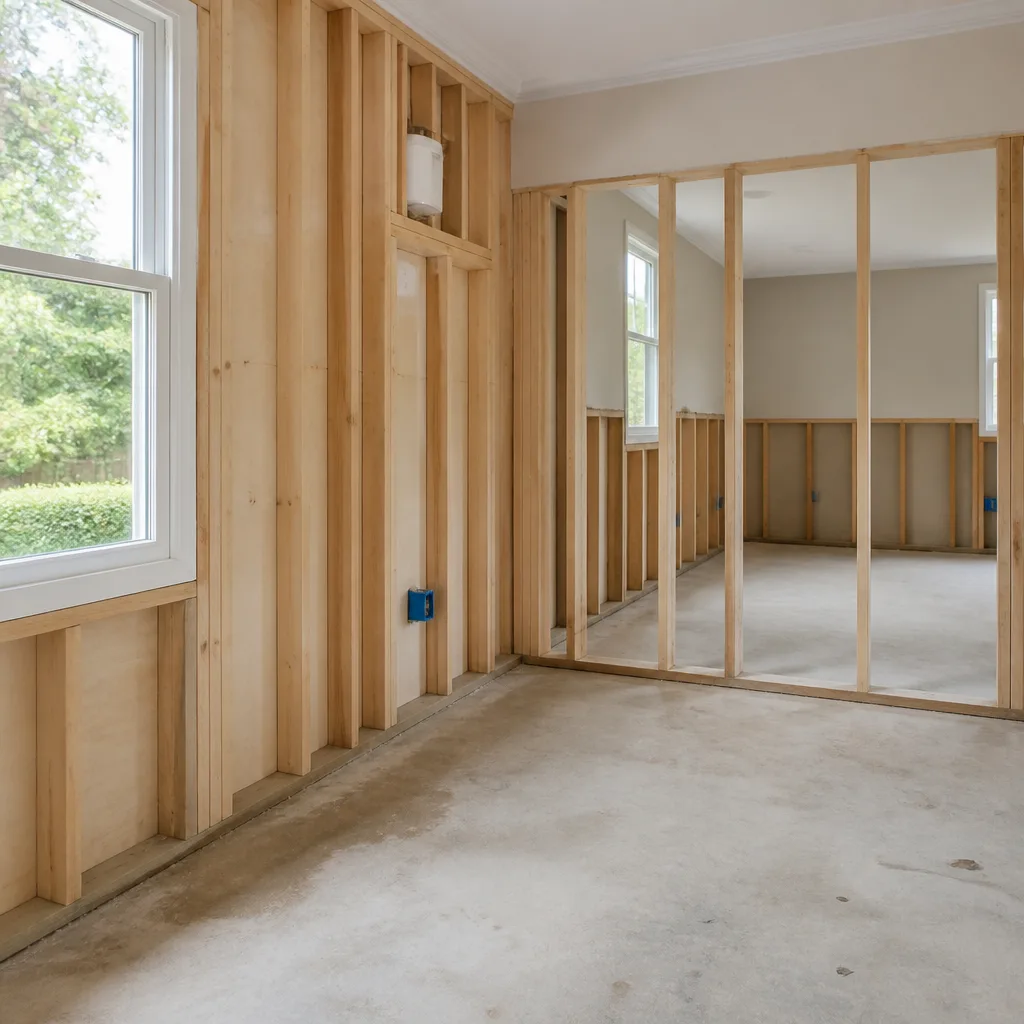 Mold remediation
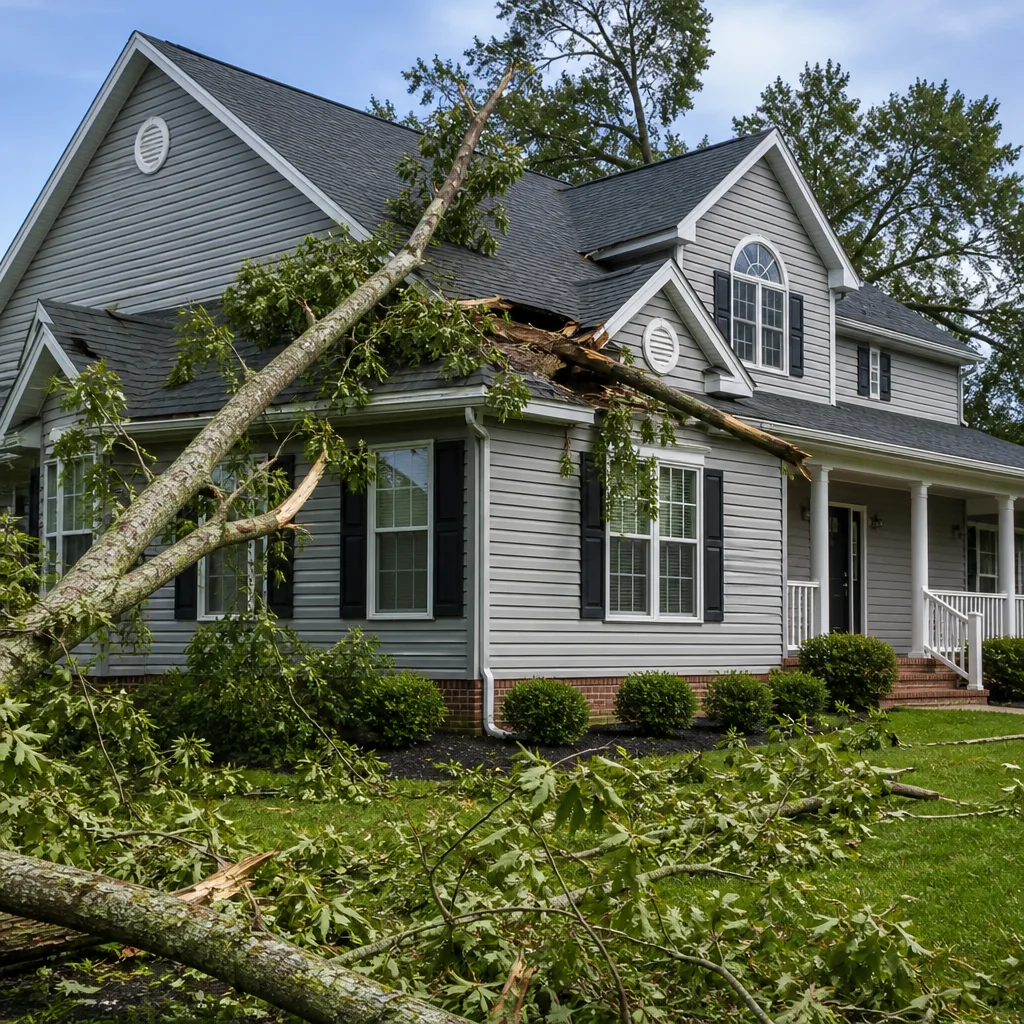 Storm response
 Sewage cleanup
 Reconstruction
Free visual inspection and a written scope of work before any mitigation begins - photos, moisture readings, and drying logs go in your claim file
The scope we write is the scope we bill. Anything new gets shown to you, in writing, before we touch it.
Get your free estimateFast, Reliable Water Damage Restoration Across Mission Viejo
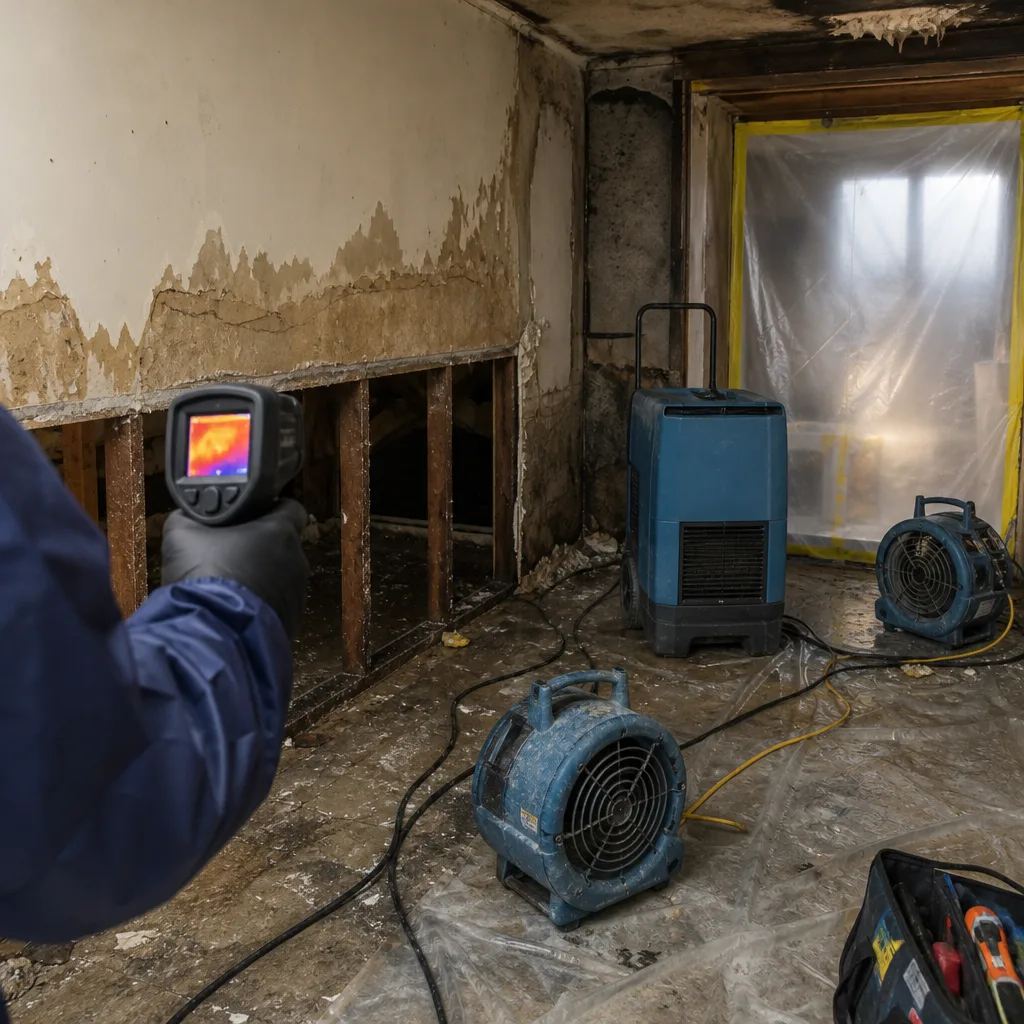
Water damage restoration in Mission Viejo typically runs $2,800 – $7,500 for a standard interior water loss, with emergency extraction starting around $900 – $1,400. Our crew reaches most Mission Viejo neighborhoods within 60 – 90 minutes on emergency calls. We’re not guessing when we arrive – we’re carrying thermal imaging cameras, penetrating moisture meters, and commercial-grade drying equipment built by Dri-Eaz, Phoenix, and Injectidry. Call (844) 716-1094 the moment you see water where it shouldn’t be. Every hour it sits, it wicks deeper into drywall, subfloor, and framing.
Why Flood Guard Water Damage Is Mission Viejo’s Preferred Water Damage Restoration Company
Mission Viejo is a planned community – and that planning shows up in the restoration work we do here. The housing stock from the late 1960s through the 1980s shares the same builder-grade supply lines, the same roof pitch failures, and the same shared wall cavities across hundreds of nearly identical units. When a pipe lets go in a tract townhome off Marguerite Parkway, we already know what we’re likely to find behind the drywall before we cut the first inspection hole. That’s not luck. It’s repetition across thousands of Mission Viejo homes.
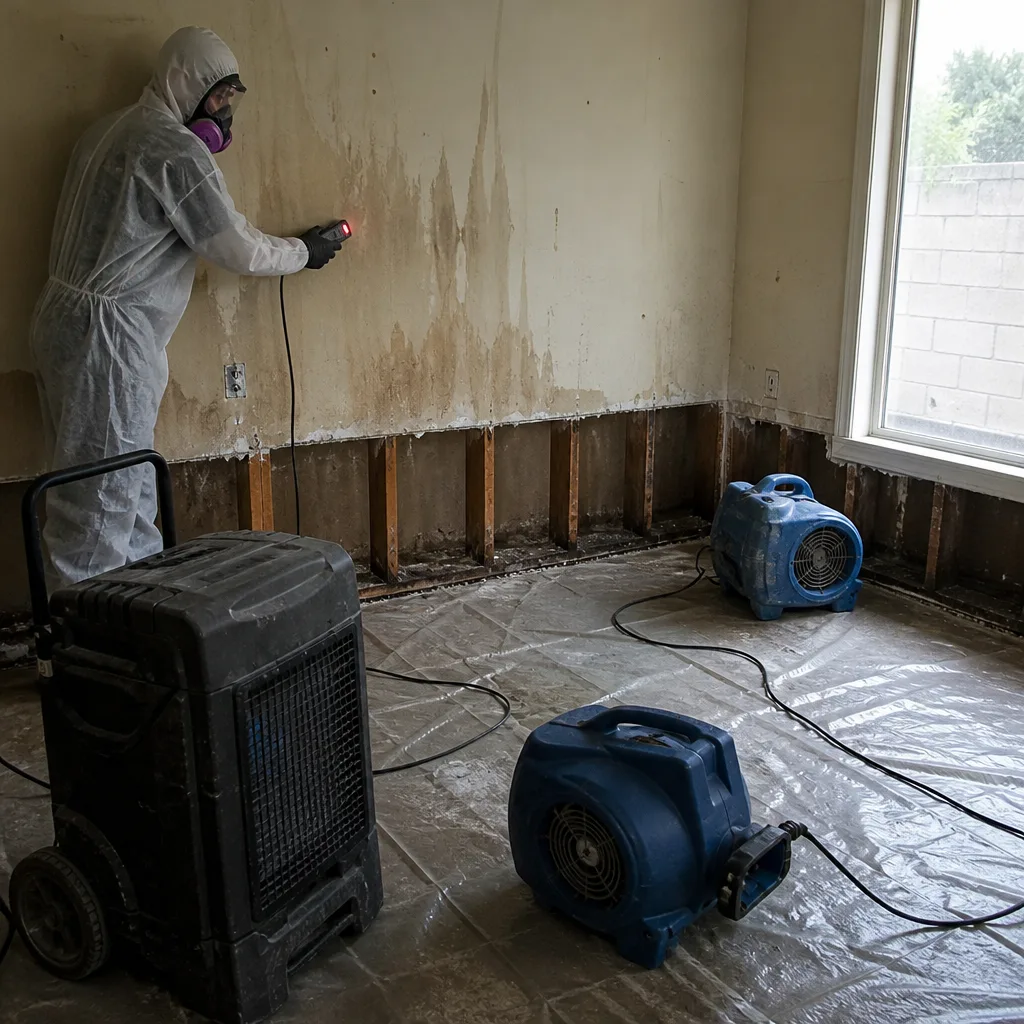
Our work follows IICRC-certified drying protocols. Not estimates, measurements. We document moisture levels with meters, map the affected area in writing, and track drying progress daily until the structure reaches dry standard. The RIA and IFA affiliations matter here: they keep us accountable to evolving technical standards, not a set-it-and-forget-it license from a decade ago.
Mission Viejo homeowners call us because we treat an attached condo water loss for what it actually is: a potential multi-unit event, not a one-bathroom cleanup. That distinction is the single biggest difference between a restoration team that gets it and a crew that learns about shared-wall migration the hard way.
Restoration work we handle
Water Mitigation in Mission Viejo
Water mitigation in Mission Viejo means stopping active water movement, removing standing water, and starting structural drying before secondary damage like mold gets a foothold. In Mission Viejo’s attached townhome and condo clusters, mitigation usually means more than extraction in one unit. Water that enters a shared wall cavity does not respect property lines. A second-floor bathroom supply line failure off La Paz Road will wick through framing and leave the unit next door with elevated moisture readings within 24 to 48 hours.
Extraction and Containment First
The first hour on site is extraction and containment. We pull standing water with truck-mounted and portable extraction systems, then isolate the affected area with proper containment so airborne moisture and contaminants do not spread through the HVAC system. In Mission Viejo’s slab-on-grade construction, special attention goes to wall baseplates and under-cabinet cavities where water hides.
Structural Drying With Documented Readings
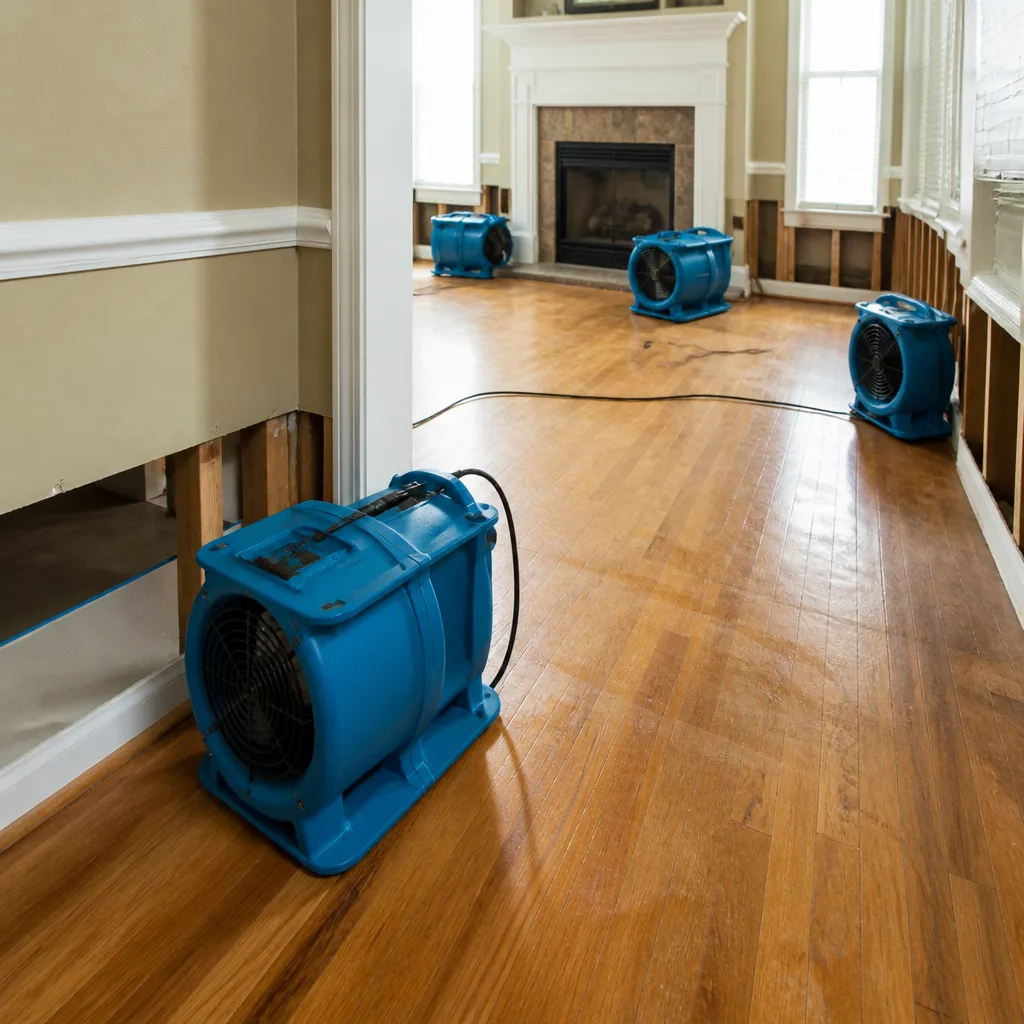
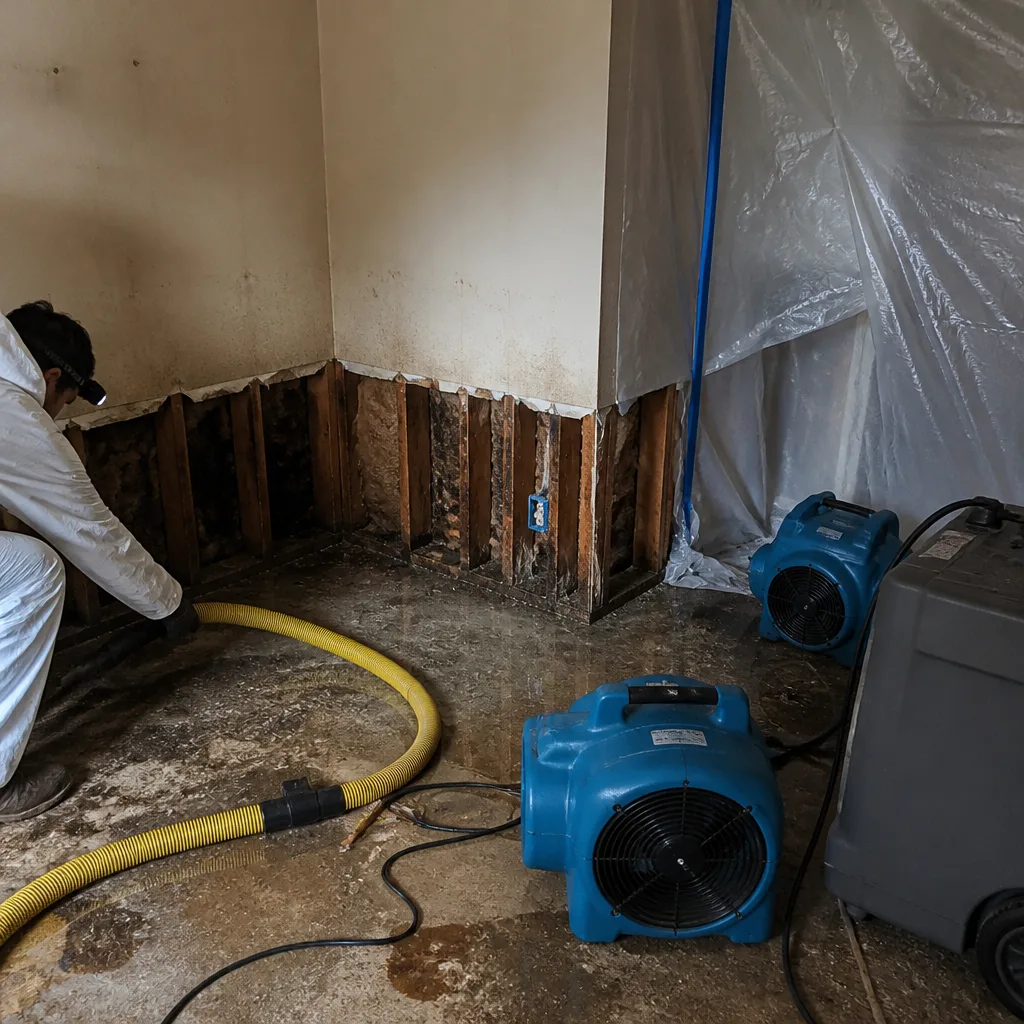
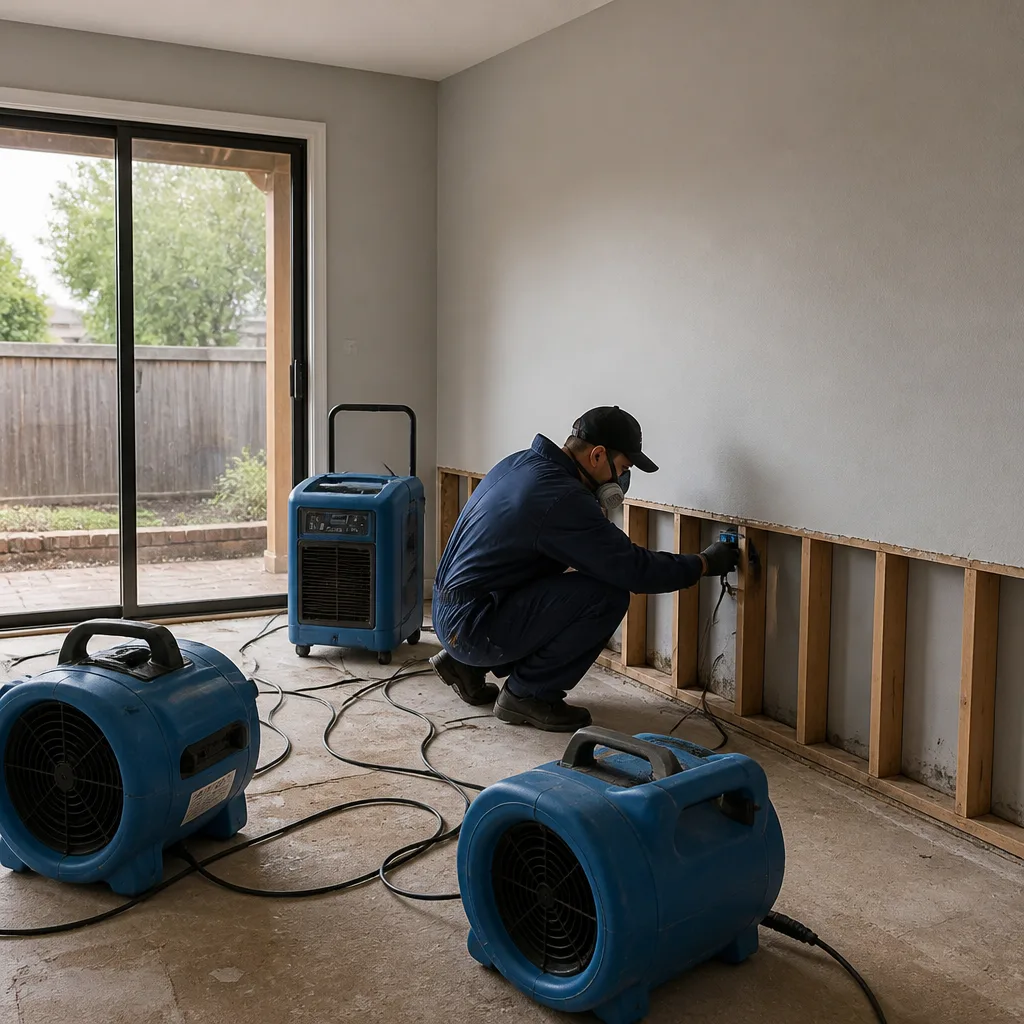
Drying is not a matter of setting fans and hoping. We place commercial air movers and dehumidifiers from brands like Dri-Eaz and B-Air, then measure progress daily with penetrating and non-penetrating moisture meters. Injectidry technology lets us dry inside wall and floor cavities without automatically tearing out drywall – which matters a lot when HOA architectural approval controls what can and cannot be opened. Typical water mitigation in Mission Viejo runs $1,800 – $4,200 depending on how many rooms and shared cavities are involved.
Flooded Basement in Mission Viejo
A flooded basement in Mission Viejo is less common than in older cities – most homes here are slab-on-grade – but the lower-level units in split-level tracts and the few raised-foundation homes still see this. When it happens, standing water in a Mission Viejo basement usually comes from a failed water heater, a washing machine supply line, or drainage backup during intense winter rain events. What surprises people is the speed of damage: gypsum wicks moisture upward within hours, and pad under carpet becomes a sponge.
Category of Water Changes the Scope
We categorize the water first because it changes everything. Category 1 water from a clean supply line is straightforward extraction and drying. Category 2 water – washing machine discharge or sump overflow – requires antimicrobial treatment and affected material removal. Category 3 water from sewage or exterior flood carries pathogens and demands full containment, disposal of affected porous materials, and post-remediation clearance. In Mission Viejo, a flooded basement restoration typically runs $3,200 – $8,000 depending on category and square footage.
Same-Day Extraction, Same-Week Drying
Emergency extraction for a flooded basement in Mission Viejo is usually same-day work. We pull standing water, remove saturated pad and base trim, set containment, and get drying equipment running. Full structural drying generally takes three to five days. We provide a written scope before work starts so you know exactly what we’re doing and why, and we photograph everything for your insurance file.
Trusted Brands We Service in Mission Viejo
Mission Viejo homeowners run equipment from Carrier, Lennox, Rheem, Ruud, and Goodman – and when those systems leak, we restore what they damaged. Our team stocks common supply lines, shutoff valves, p-traps, and water heater connectors specific to the builder-grade plumbing found in Mission Viejo’s 1960s-to-1980s tracts. That means for many water losses we can extract, dry, and replace failed components without waiting on shipped parts. The restoration work itself uses Dri-Eaz, Phoenix, XPOWER, B-Air, and Injectidry equipment – the same brands used on large-loss commercial jobs, because Mission Viejo’s attached-unit water losses deserve more than a box fan and a shop vac.
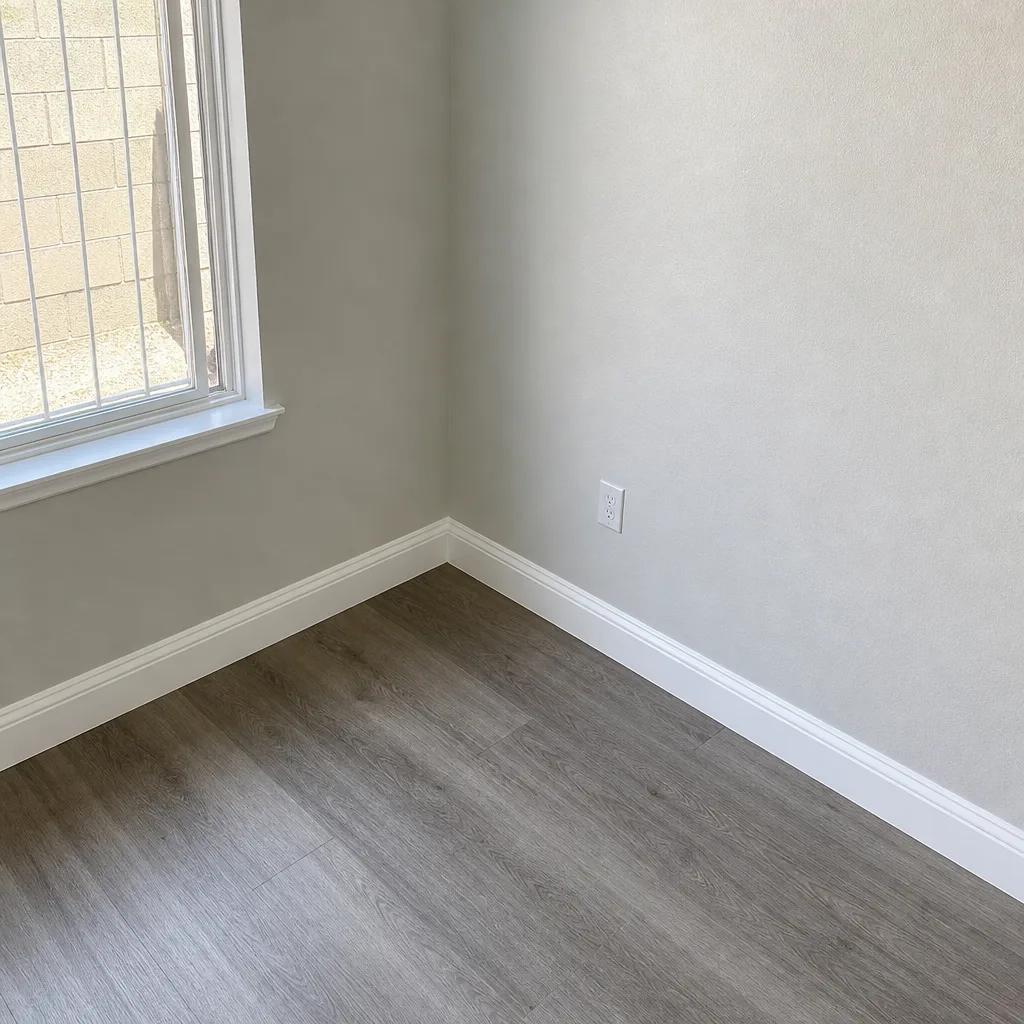
See the difference
 Before
 After
 Before
 After
 Before
 After
Common Water Damage Restoration Problems We See in Mission Viejo Homes
- Shared wall cavity migration in attached condos and townhomes. A single-unit bathroom leak off Crown Valley Parkway quietly wicks through framing into the adjacent unit. By the time anyone notices, both units need drying and containment, not just the one where the pipe failed.
- Original 1970s and 1980s supply lines failing at identical points. The same builder-grade copper and galvanized supply lines run through hundreds of neighboring units. When one fails at a crimp or elbow, we typically see the same failure in adjacent units within months.
- Roof and window leaks during intense winter rain events. Mission Viejo’s semi-arid climate means long dry spells, then sudden heavy rain. Dry-rotted flashing and aged window seals that held fine all summer open up during the first real storm, soaking drywall and insulation.
- HOA architectural review slowing down restoration timelines. In planned communities like Mission Viejo, opening walls or replacing finishes often requires architectural committee approval. Build that step into the schedule or lose days waiting mid-project.
Pricing for Water Damage Restoration in Mission Viejo, CA
Water damage restoration costs in Mission Viejo break down by scope. Emergency water extraction runs $900 – $1,400 for a standard single-room loss. Structural drying with commercial equipment runs $1,500 – $3,000 for three to five days of equipment runtime, monitoring, and documentation. Full water mitigation including removal of affected drywall, baseboards, carpet pad, and antimicrobial treatment runs $2,800 – $7,500 for most Mission Viejo homes. A flooded basement with Category 2 or 3 water pushes higher: $3,200 – $8,000. What changes the number: how many shared wall cavities are wet, whether the water crossed into a neighbor’s unit, how much material needs removal, and how long drying takes. Estimates from Flood Guard are free, in writing, and photograph-documented. Call (844) 716-1094 for an exact quote.
We Also Serve Cities Near Mission Viejo
Our Water Damage Restoration team covers Mission Viejo and the surrounding South Orange County communities, including Coto De Caza, Lake Forest, Laguna Hills, and Rancho Santa Margarita. If your home is in one of these nearby cities and you’re looking for Water Damage Restoration in Mission Viejo, call us – same crew, same equipment, same documentation-first approach.
Serving Mission Viejo, CA — Our Local Coverage Area
We’re based in the Mission Viejo area and know this community well. Use the map below to see our service coverage — if you’re nearby, we can almost certainly help.
FAQs About Water Damage Restoration in Mission Viejo
Yes, and in Mission Viejo’s attached condo and townhome clusters, it is more likely than not. Shared wall cavities mean water from one unit’s failed supply line, tub overflow, or drain assembly can wick through framing into the adjacent unit within a day. We check both units with moisture meters before declaring the loss contained, and we generate a single drying log that covers both spaces so owners and the HOA see one coordinated scope. Call (844) 716-1094 and we’ll assess both units the same day.
It depends on the community, but in Mission Viejo’s planned developments, any work that opens walls, changes finishes, or affects shared building elements usually requires architectural committee review. Mitigation – extraction, drying, containment – can start immediately because it’s emergency work. Reconstruction and material replacement may need approval. We build that approval window into the schedule so you’re not waiting mid-project. Our team coordinates with HOAs directly.
Mold can begin growing within 24 to 48 hours on wet drywall and insulation after a Mission Viejo rain-event leak. The semi-arid climate does not protect you: once water is inside a wall cavity, the temperature and moisture levels are set by indoor conditions, not outdoor weather. That’s why we push mitigation immediately after a leak is discovered, and why we run antimicrobial treatment on affected materials during drying.
Because Mission Viejo’s tracts were built fast by the same builders, using the same materials, at the same time. The original supply lines, drain assemblies, and fittings in homes built in the late 1960s through 1980s were installed under the same production pressures. When one unit fails, its neighbor – built the same month with the same components – is often close behind. We’ve seen identical crimp failures in adjacent units off La Paz Road and Marguerite Parkway within weeks of each other.
Category 1 water is clean: a failed supply line or water heater. Category 2 carries contamination: washing machine discharge, sump overflow, or an aquarium leak. Category 3 is grossly contaminated: sewage backup, exterior floodwater, or any water that has sat long enough to grow pathogens. The category determines what we remove, what we treat, and what documentation your insurance carrier needs. Our crew tests and categorizes on every Mission Viejo job before writing the scope. Call (844) 716-1094 for an assessment.
Written by Noel Ibarra, Owner at Flood Guard Water Damage, serving Mission Viejo and South Orange County with IICRC-certified restoration practices, RIA membership, and commercial-grade drying equipment.