
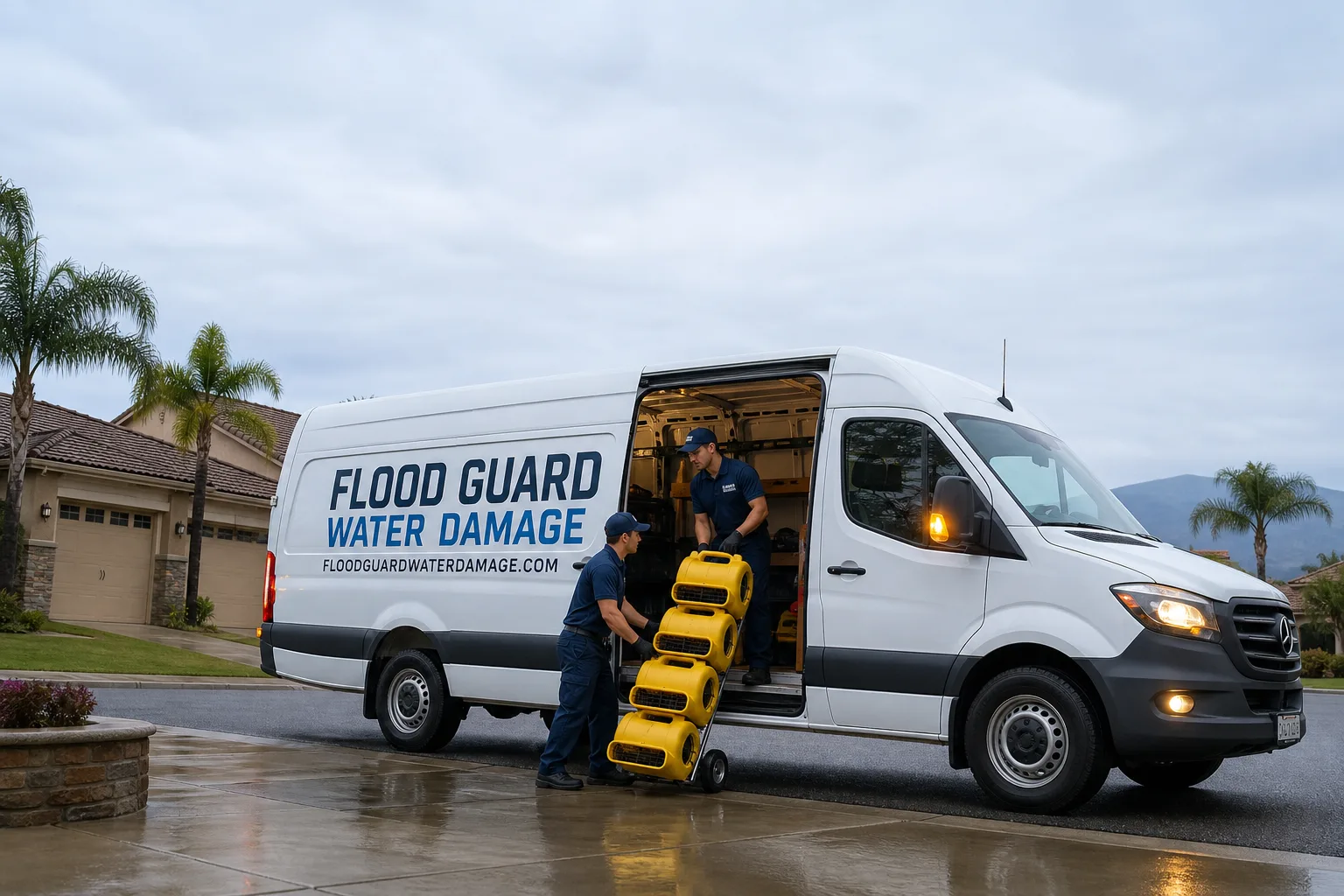
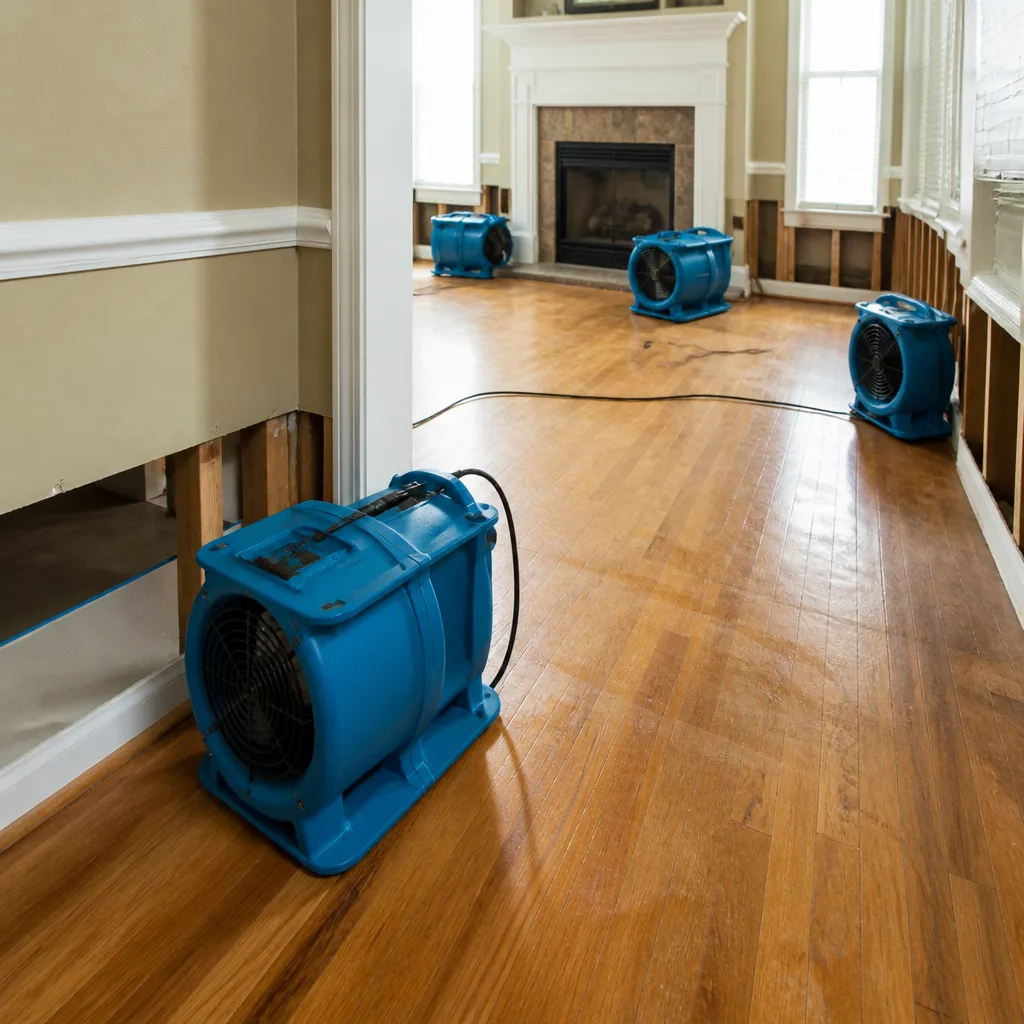
 Water damage drying
 Fire & smoke cleanup
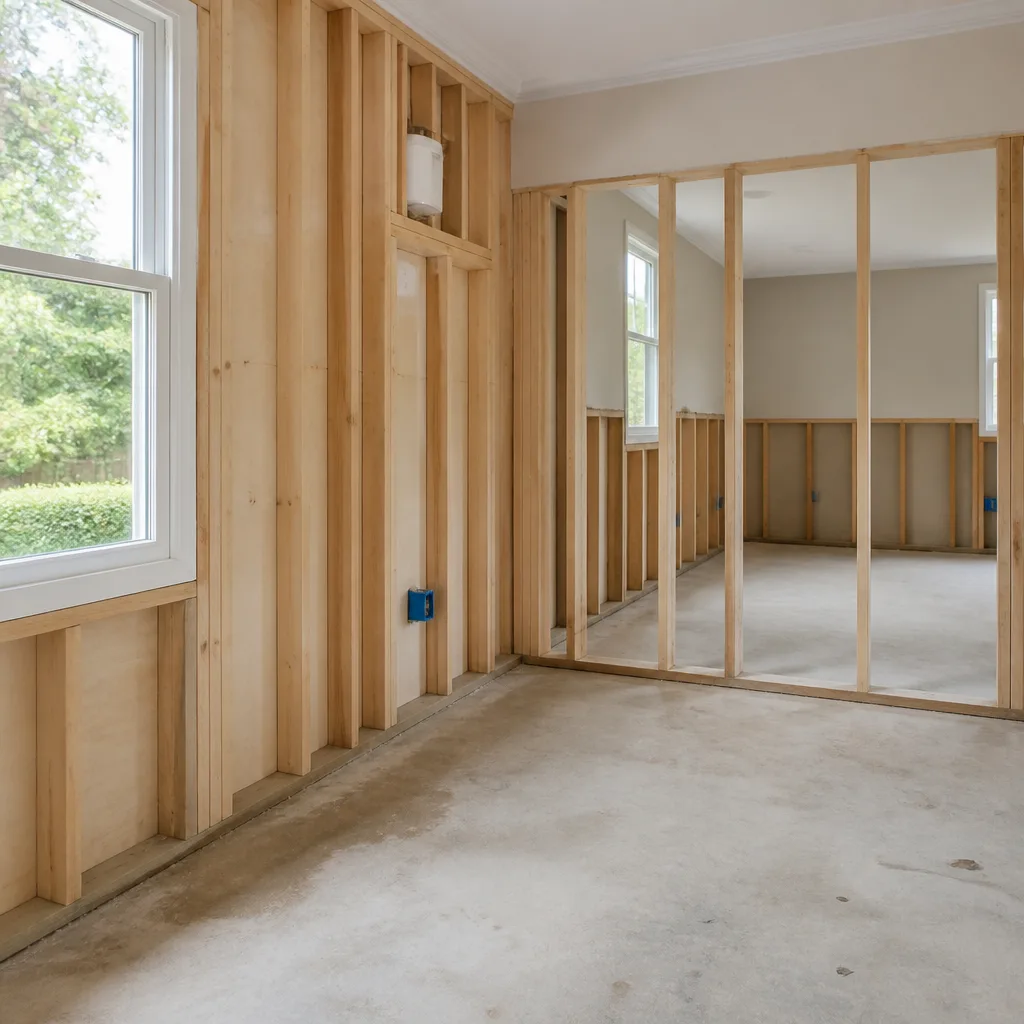 Mold remediation
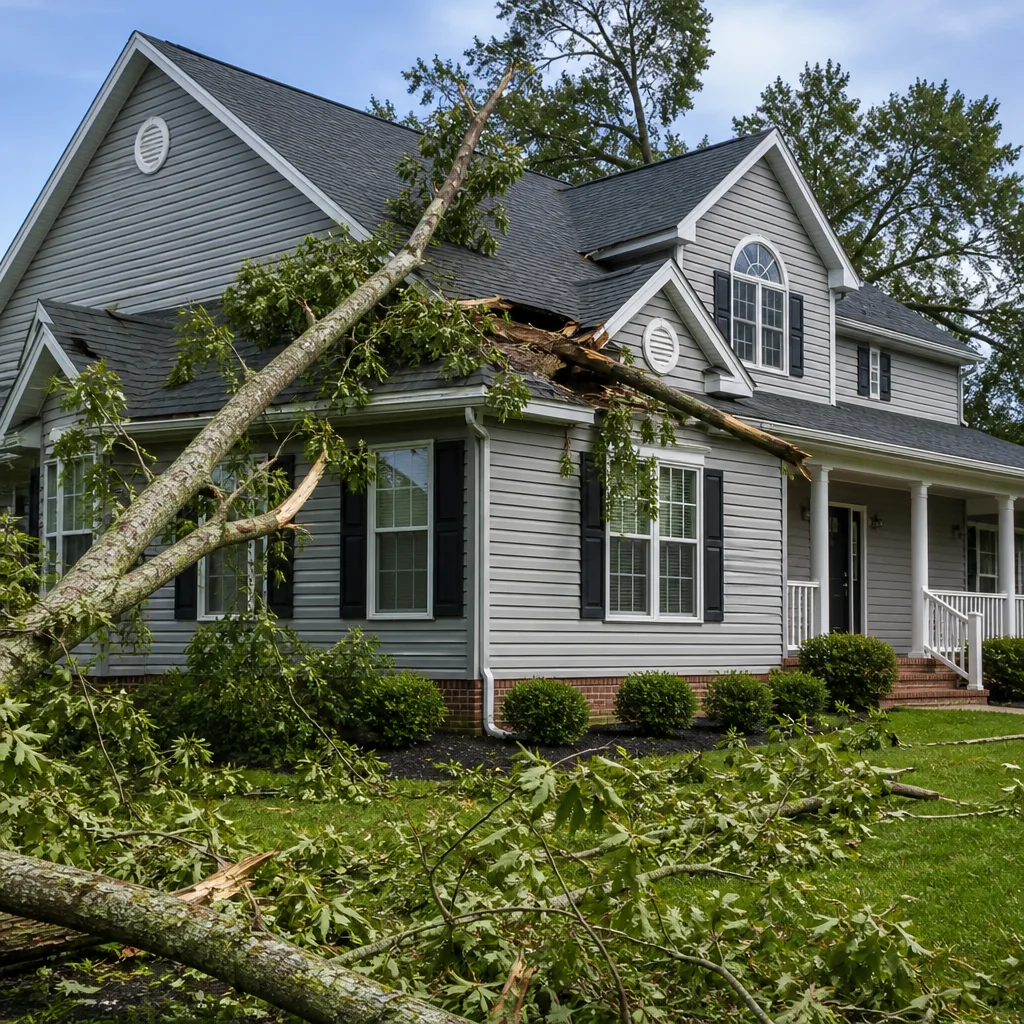 Storm response
 Sewage cleanup
 Reconstruction
Free visual inspection and a written scope of work before any mitigation begins - photos, moisture readings, and drying logs go in your claim file
The scope we write is the scope we bill. Anything new gets shown to you, in writing, before we touch it.
Get your free estimateFast, Reliable Water Damage Restoration Across Santa Ana
Water damage restoration in Santa Ana looks different than in most California cities. Here, the majority of calls we field are not from storms or flooding. They’re from aging galvanized and copper pipes buried under slab foundations, failing slowly for months before anyone notices. Our Water Damage Restoration team knows exactly how to read those early warning signs in Santa Ana’s pre-1970s housing stock. Response time to most Santa Ana neighborhoods runs 60 to 90 minutes, and we arrive with commercial drying equipment, not a mop and fans. Call (844) 716-1094 the moment you suspect a slab leak, because slow category 1 water becomes category 3 quickly in a dense bungalow.
Why Flood Guard Water Damage Is Santa Ana’s Preferred Water Damage Restoration Company
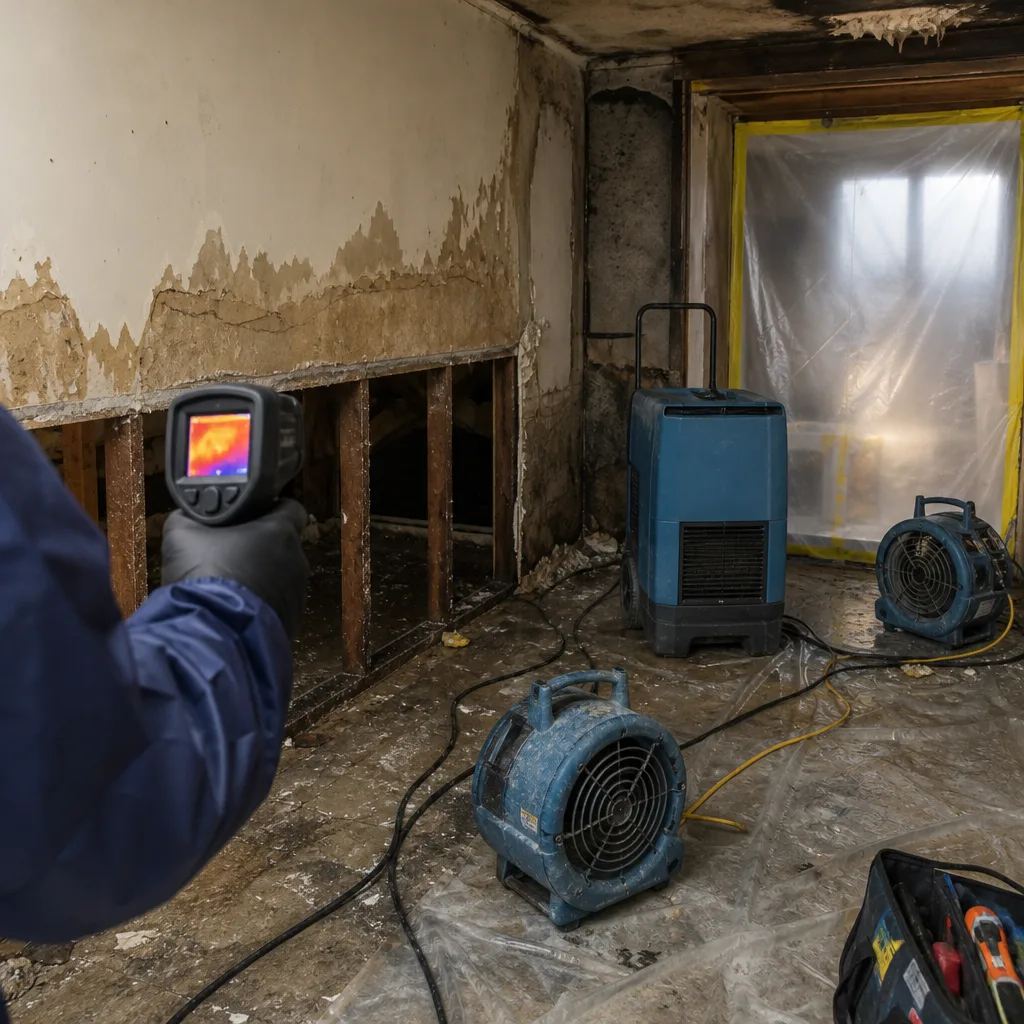
Santa Ana homeowners call us because we measure moisture, we don’t guess at it. Every assessment follows IICRC-certified drying protocols, which means we document pre-loss condition, map moisture behind original plaster, and submit drying logs that adjusters actually accept. Our team, led by Noel Ibarra, holds active standing with the Restoration Industry Association (RIA) and IFA, so the methodology on your Santa Ana job matches what commercial restoration teams use on large-loss claims. The difference shows up fast: injectidry systems dried inside a 1940s shared wall on a Washington Square bungalow last month without opening a single lath-and-plaster surface. That’s the kind of result your insurance adjuster respects, and it’s the kind of outcome that keeps neighbors from calling us next week because your water became their water.
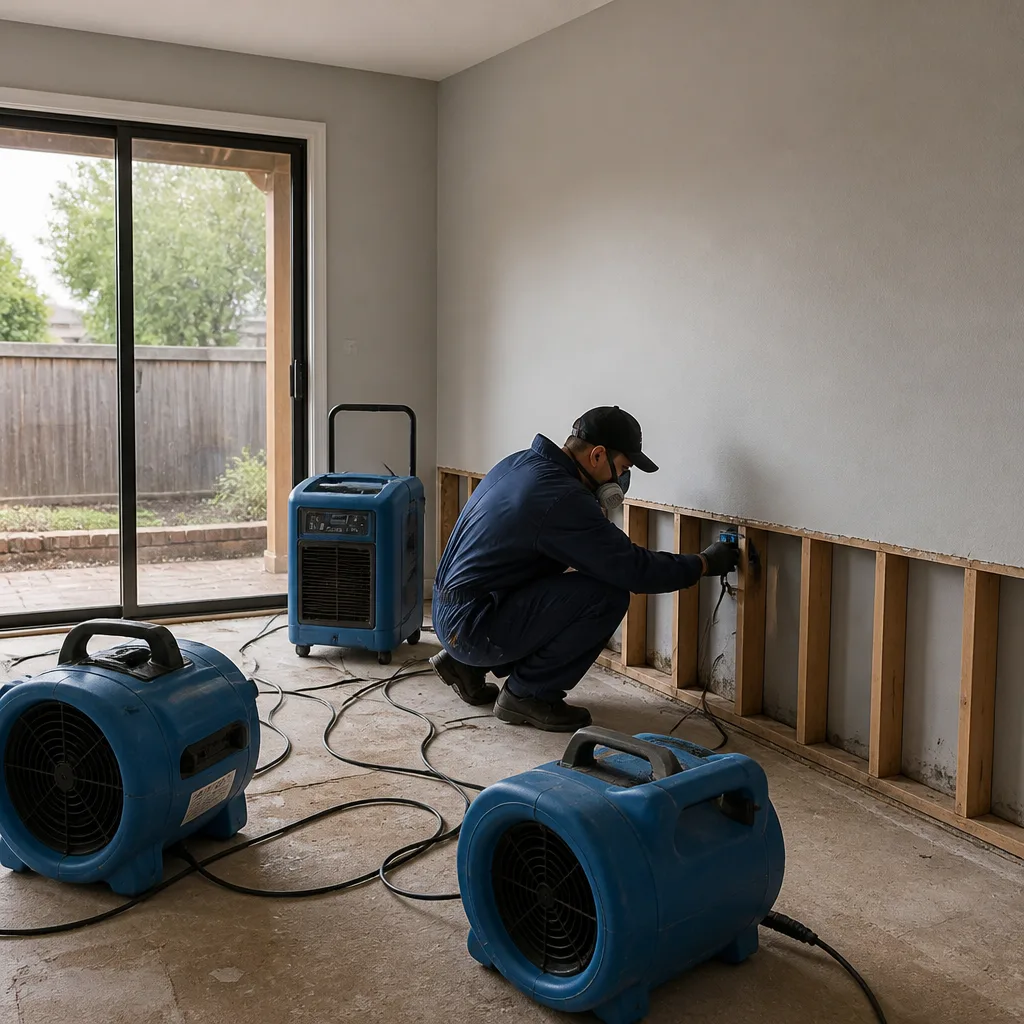
We run the same equipment brands used on commercial jobs: Dri-Eaz and Phoenix air movers, XPOWER fans for airflow, B-Air filtration, and Injectidry for non-invasive structural drying. When a Santa Ana homeowner asks what we’ll do differently than the last restoration company they called, the answer is concrete: we dry the structure, not just the surface. And we document it in writing before we pack a single piece of equipment out of your house.
Restoration work we handle
Water Mitigation in Santa Ana
Water Mitigation in Santa Ana is where the real work happens, because it’s what stops a hard-water slab leak from becoming a mold claim and a pack-out. Mitigation means stopping the source, extracting standing water, setting containment and drying equipment, and monitoring moisture levels daily until the structure hits the dry standard. Most Santa Ana homeowners don’t call until the damage is already a week old, because a warm spot on tile doesn’t look like a water emergency. By the time we arrive, that category 1 pinhole leak under a 1950s slab has often become category 2 or 3 water saturating carpet pad and wicking up original plaster walls. A typical water mitigation job in Santa Ana runs $2,500 to $6,800, depending on how far the water traveled before someone pulled a moisture meter out.
Slab Leak Detection and Drying
In the 92703/92704 corridor we were called to a 1940s stucco bungalow where the homeowner noticed an unexplained warm patch spreading across the tile floor weeks before any water showed. Our techs pulled moisture readings, confirmed a pinhole failure in the aging copper under the slab, extracted the category 1 water, set Dri-Eaz and Phoenix air movers with a dehumidification plan, and dropped drying logs into containment so the pack-out and scope of work matched the pre-loss condition for the adjuster.
Behind-Plaster Moisture Mapping
Santa Ana’s 1920s-to-1950s bungalows hide water behind original plaster in ways that consumer-grade moisture meters miss. We map the full wall cavity, not just the obvious wet spot, because untreated moisture behind plaster wicks horizontally into studs and sill plates. Left unaddressed, that’s a structural drying job that costs three times what the original plumbing repair did.
Flooded Basement in Santa Ana
A Flooded Basement in Santa Ana is less common than in Midwestern markets, but when it happens, it’s usually from a failed water heater, a corroded supply line, or irrigation backflow, not weather. Basement water removal here runs $1,200 to $4,500, depending on depth, square footage, and whether finishes like drywall or flooring need removal. Santa Ana’s older pier-and-beam basements often share air with crawlspaces, which means standing water introduces humidity that rises into the living space within 48 hours. The job involves extraction pumps, containment, structural drying, and often injectidry systems to dry floor cavities without pulling up original hardwood that an adjuster would rather preserve than replace.
Water Heater and Supply Line Failures
We regularly see water heaters in Santa Ana basements that were never strapped for seismic or connected with dielectric unions, so the hard city water eats the tank fitting until it fails at 2 a.m. The extraction is straightforward. The secondary damage to stored belongings and adjacent finished walls is what costs real money.
Sump and Drainage Failures
Santa Ana’s dense infill lots mean your neighbor’s downspout or irrigation runoff often drains toward your foundation. When a basement floods from exterior drainage, we document the water path and the source, because your insurance carrier will ask whether this was a sudden event or a maintenance issue. A written scope of work, with photos, is what separates a covered claim from a denied one.
Trusted Brands We Service in Santa Ana
We service and restore damage around every major fixture and appliance brand found in Santa Ana homes, from Rheem and Bradford White water heaters to Kohler and American Standard supply lines, and we stock local parts for common Santa Ana failure points like galvanized-to-copper transitions and slab manifold fittings. If a hard-water failure took out your water heater in a Floral Park basement or your supply line under a Sunwood Circle slab, we know the exact part chain and can often source same-day replacements from local supply houses in Orange County. Fast turnaround means less time with your water shut off at the street.
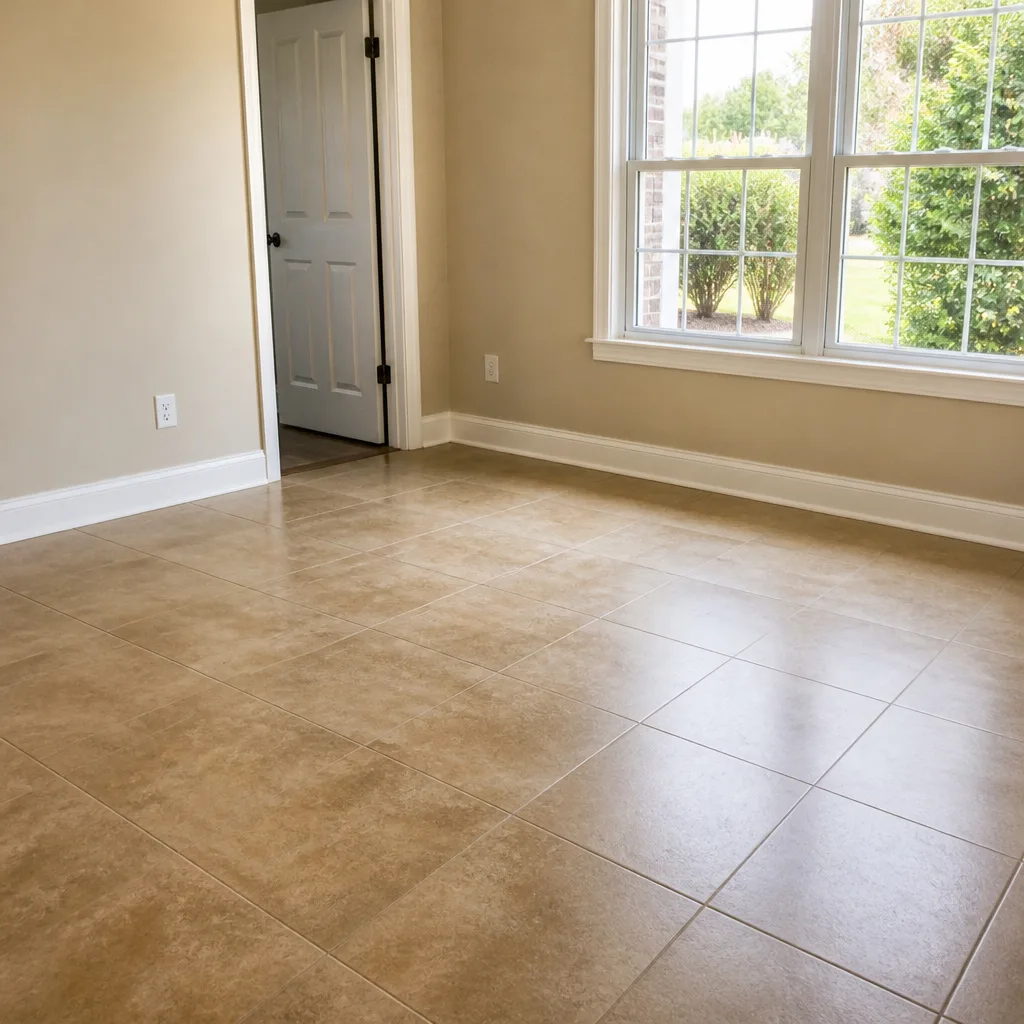
See the difference
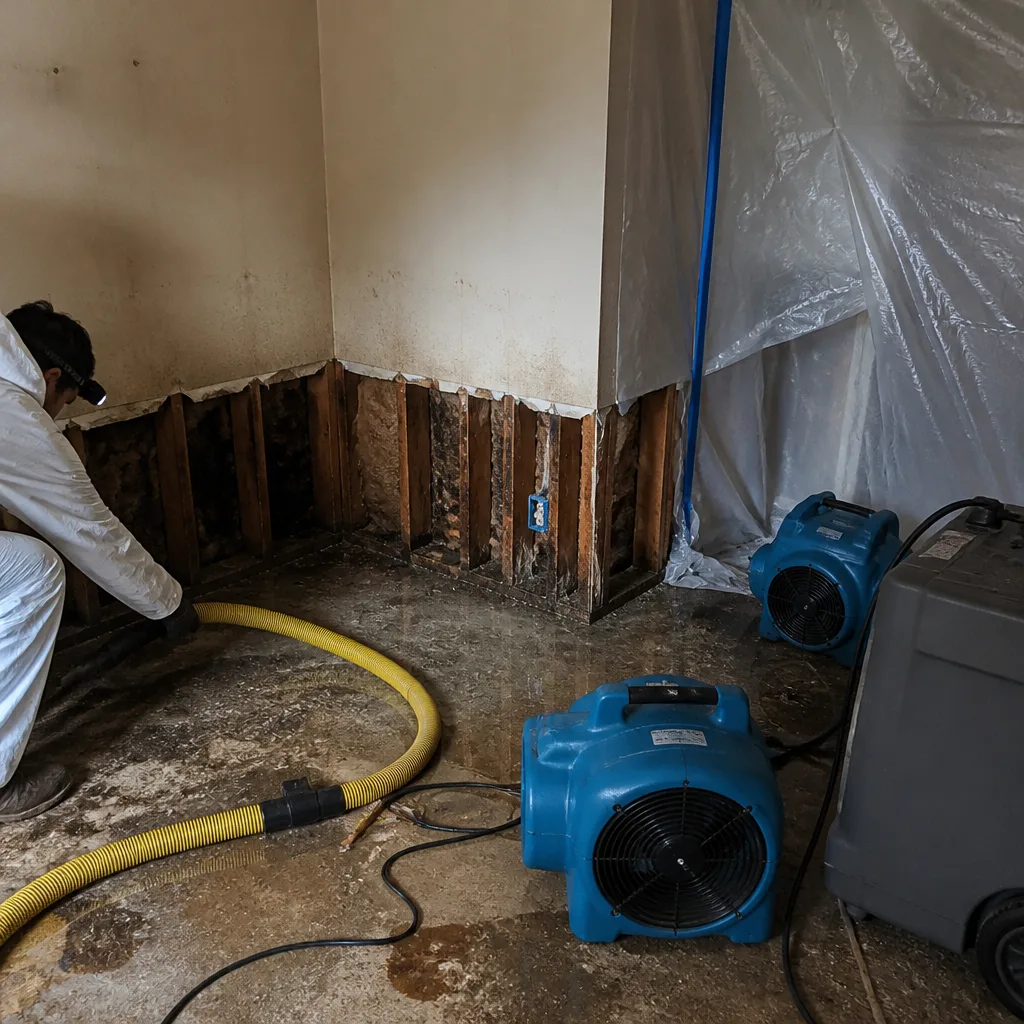 Before
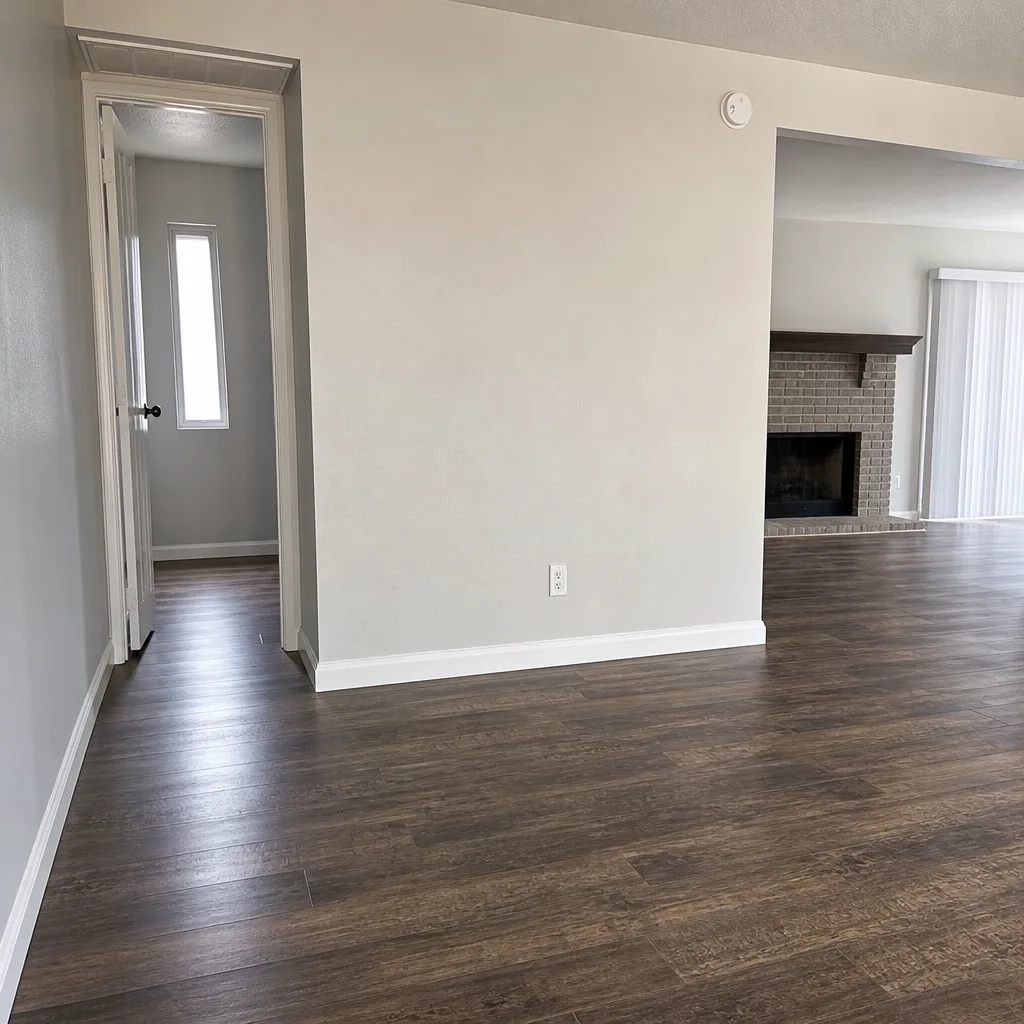 After
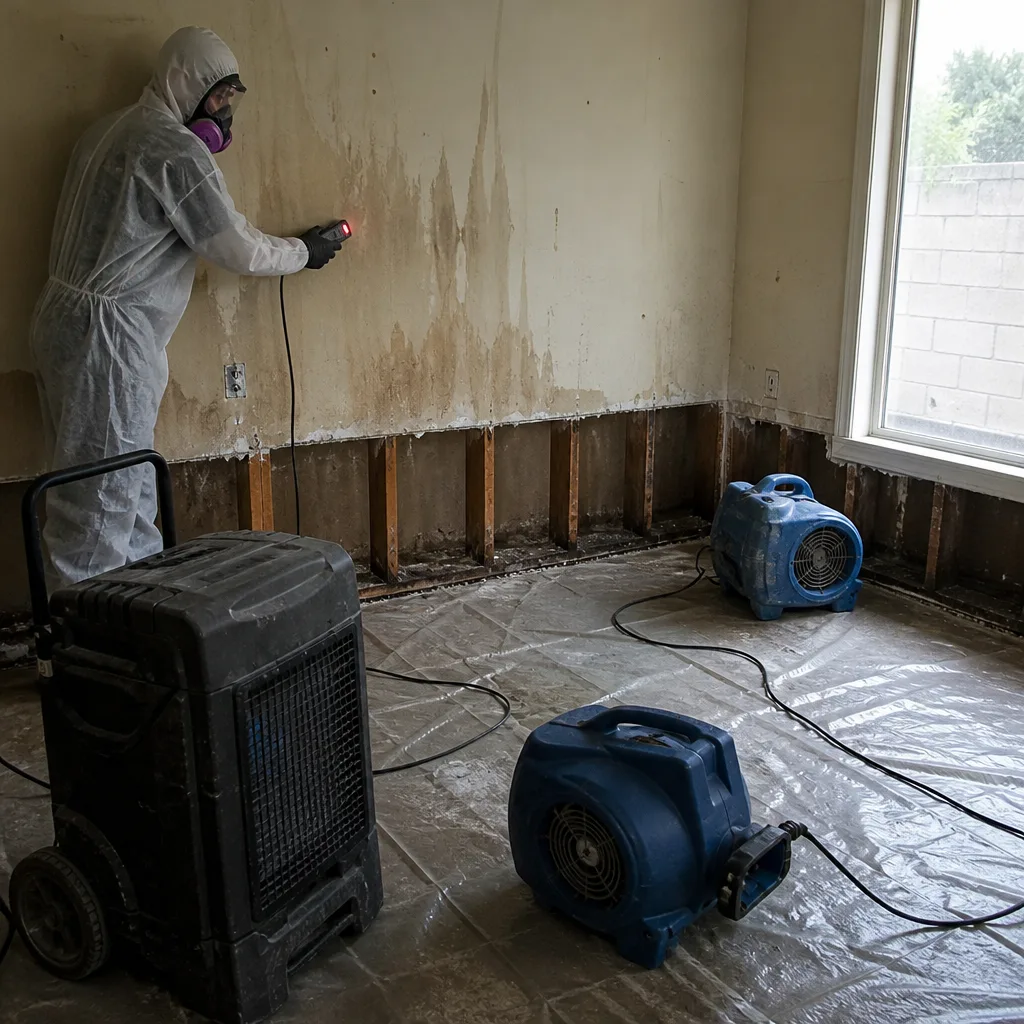 Before
 After
 Before
 After
Common Water Damage Restoration Problems We See in Santa Ana Homes
- Slab leaks from hard groundwater: Santa Ana’s mineral-heavy water scales the inside of copper and galvanized lines, causing pinhole failures under slabs that show up as warm tile spots weeks before visible water. By the time a homeowner calls, category 1 water has usually degraded into category 2 or 3 and saturated the floor assembly.
- Original galvanized and early copper supply lines: The 1920s-to-1950s bungalows and post-war tracts still running original piping fail behind plaster walls, where moisture mapping done only at visible wet spots misses the full footprint. We map the entire cavity, including shared walls.
- Dense infill lot spread: Close-set single-family blocks mean water in one home wicks into a neighbor’s shared wall or fence line before anyone realizes the property line was crossed. Mitigation that stops at the edge of the visible stain misses the real footprint, and you don’t want your neighbor filing a claim against your policy.
- Deferred maintenance on original drain lines: Cast iron drain lines under 1920s-era bungalows corrode from the inside, and the first sign is usually a sewage smell under cabinets, not standing water. Once that line fails, category 3 water moves fast through the floor cavity and anywhere the slab has settled.
Pricing for Water Damage Restoration in Santa Ana, CA
Santa Ana restoration pricing runs tighter than coastal Orange County markets because the work is concentrated in older slab homes where drying time and containment are predictable. Emergency water extraction typically runs $800 to $2,200. Full structural drying after a slab leak or supply line burst runs $2,500 to $6,800. A flooded basement with finishes removal runs $1,200 to $4,500. What moves the number is how long the water sat before we arrived, whether category 2 or 3 contamination is present, and how many shared walls or floor cavities the moisture reached. Our estimates are free, written, and include photo documentation and a drying plan before any equipment gets set. Call (844) 716-1094 and we’ll get you a number the same day.
We Also Serve Cities Near Santa Ana
Our team covers the broader central Orange County area around Santa Ana, including Tustin, North Tustin, Fountain Valley, and Orange. If your water damage is in one of these surrounding communities, the same IICRC-certified methodology and commercial drying equipment apply, with the same direct billing to your carrier.
Serving Santa Ana, CA — Our Local Coverage Area
We’re based in the Santa Ana area and know this community well. Use the map below to see our service coverage — if you’re nearby, we can almost certainly help.
FAQs About Water Damage Restoration in Santa Ana
Because the most common source of water damage in Santa Ana is a slab leak in a hot or warm water line, and the first evidence is heat radiating through the tile, not water pooling. By the time water shows, the slab has been saturated for days or weeks, and the damage footprint is far larger than the visible spot. Call (844) 716-1094 the day you notice the warm spot.
No. Santa Ana’s semi-arid climate and Santa Ana wind events dry the surface quickly, but moisture inside wall cavities, under slab tile, and in shared wall assemblies does not evaporate fast enough on its own before mold and rot set in. Structural drying is about the inside of the assembly, not the room air.
Category 1 is clean water from a supply line. Category 2 has contaminants from washing machines or dishwashers. Category 3 is sewage or flood water with pathogens. In a 1940s bungalow with original plaster and wood lath, category 2 or 3 water soaks into porous materials that must be removed and replaced, not just dried, and the cost difference is significant.
Yes, especially in the dense infill lots of Santa Ana’s older neighborhoods, where shared walls and fences sit inches from the property line. Untreated water wicks horizontally through stud bays and sill plates, which is why we map moisture beyond the visible stain and document any water that may have crossed into a neighboring structure.
The Santa Ana winds are a fire and wind-driven intrusion concern, not a rain concern, but strong gust events lift shingles, crack boot flashings, and drive any existing small leak deeper. We see roof water damage calls spike during fall wind events, and the water usually tracks into ceilings and walls before anyone notices a stain. Get a roof inspection before the October wind season starts.
If you suspect water damage in your Santa Ana home, or you’ve already spotted a warm tile or a ceiling stain, call (844) 716-1094. We’ll walk you through what we’re seeing, give you a written scope, and get your structure drying the same day.
Written by Noel Ibarra, Owner at Flood Guard Water Damage, serving Santa Ana with IICRC-certified restoration practices and commercial-grade drying equipment.