 Water damage drying
 Fire & smoke cleanup
 Mold remediation
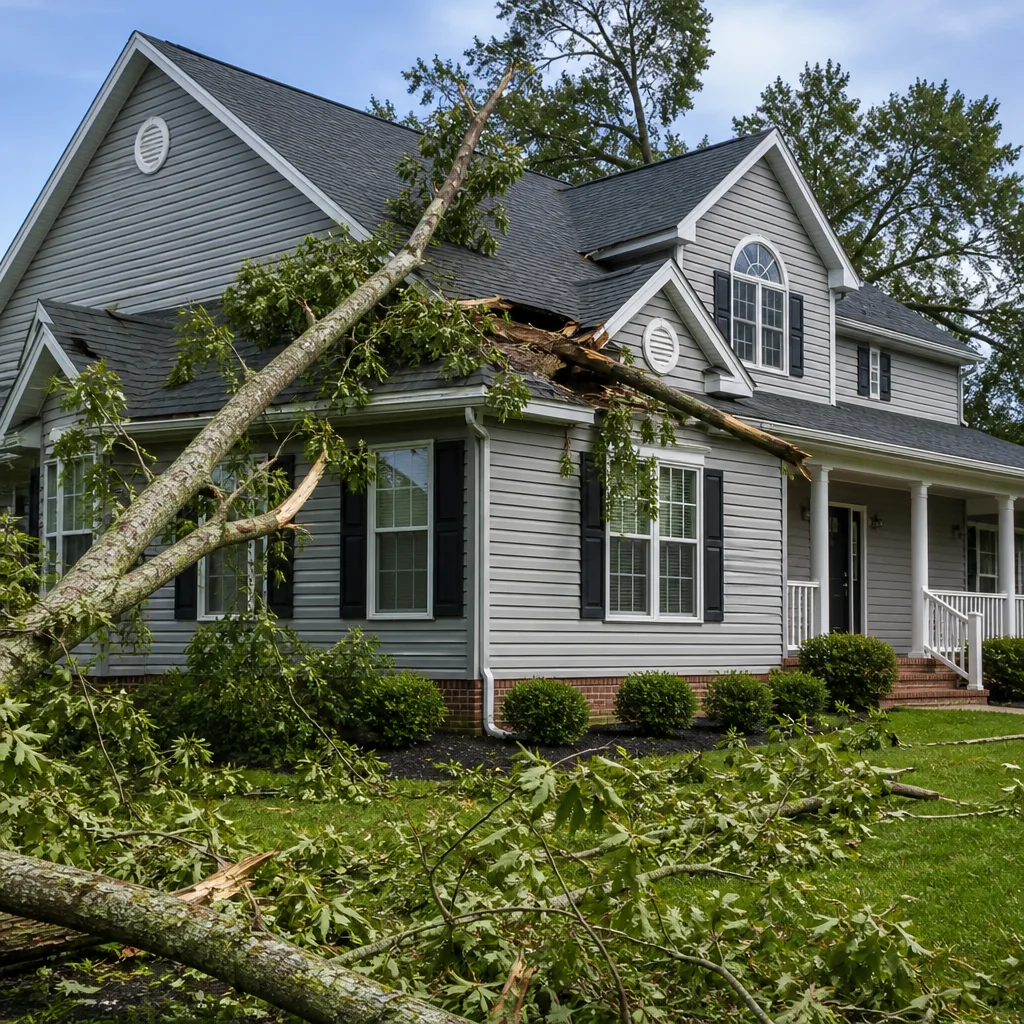 Storm response
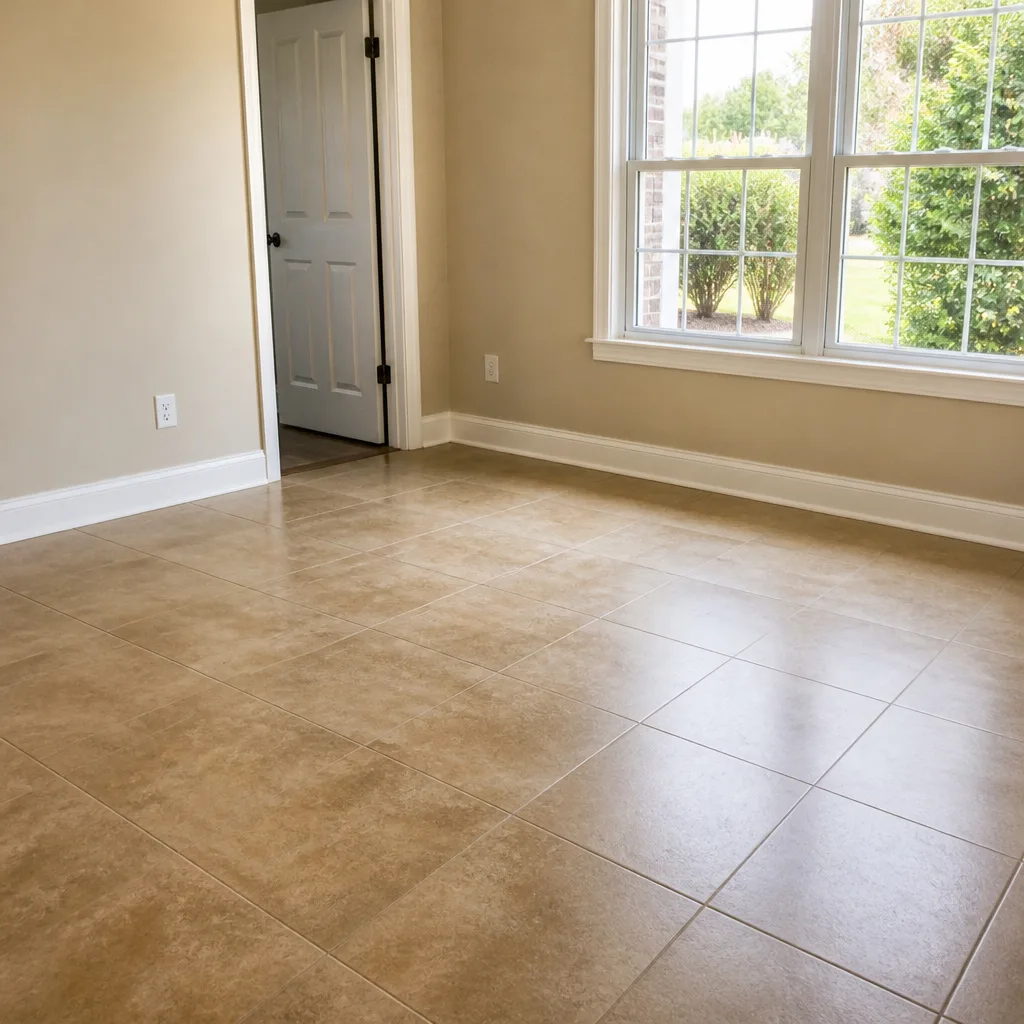 Sewage cleanup
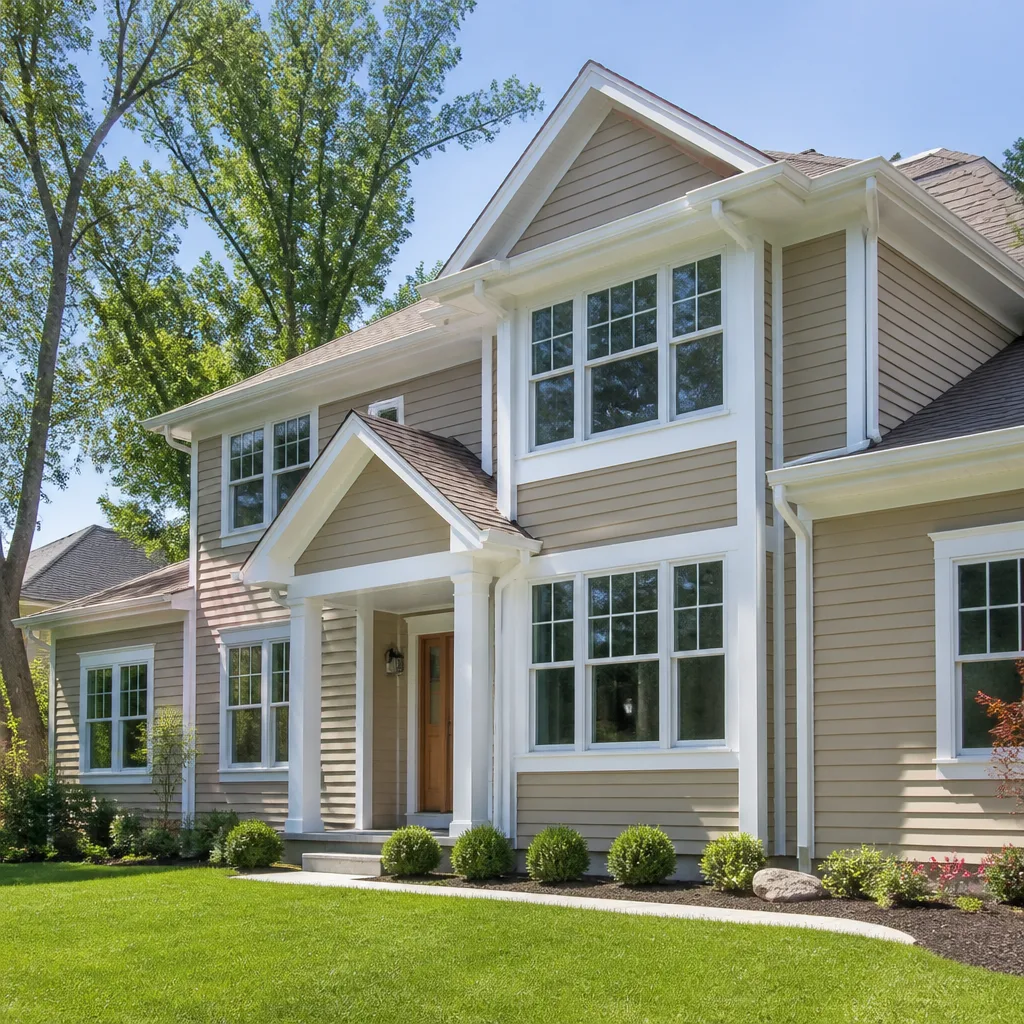 Reconstruction
Free visual inspection and a written scope of work before any mitigation begins - photos, moisture readings, and drying logs go in your claim file
The scope we write is the scope we bill. Anything new gets shown to you, in writing, before we touch it.
Get your free estimateFast, Reliable Water Damage Restoration Across Villa Park
Water damage in Villa Park doesn’t wait for business hours, and neither do we. Flood Guard Water Damage runs 24/7 emergency dispatch into the 92861 corridor, often arriving within the hour because we stage crews out of Orange County, not across the county line. Villa Park’s semi-rural layout with long private driveways and half-acre-plus lots creates access challenges generalist outfits misjudge, but our technicians work these streets routinely and know how to position extraction and drying equipment without damaging mature landscaping or septic-adjacent systems. Call (844) 716-1094 and you’ll get Noel Ibarra’s crew, trained to IICRC-certified drying protocols, not a call center. We dry the structure, not just the surface.
Why Flood Guard Water Damage Is Villa Park’s Preferred Water Damage Restoration Company
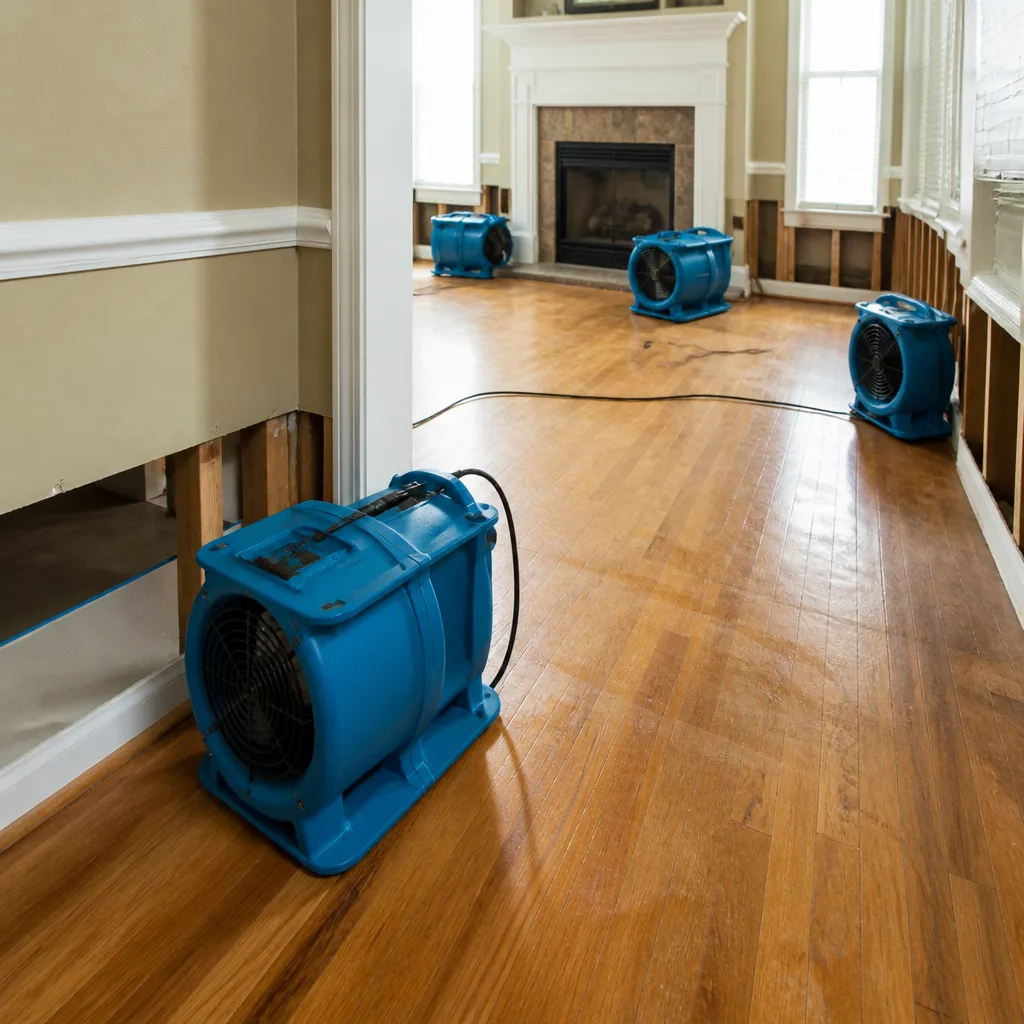
Villa Park homeowners don’t call a restoration company casually. They call when a eucalyptus limb has gone through an original tile roof or a galvanized supply line has been weeping into a slab for weeks. These are not handyman jobs, and the homes here, custom-built in the 1960s and 1970s with design-grade finishes, deserve measured, documented restoration. We’ve worked enough of these houses to know what a lath-and-plaster ceiling looks like when it’s failing, how original copper piping behaves under a 1968 ranch, and why an oak canopy changes the whole drying sequence. Our Water Damage Restoration team carries Dri-Eaz and Phoenix drying systems, the same commercial-grade equipment used on large-loss jobs, not the rental-shop units some contractors roll in.
Noel Ibarra runs every job with the RIA’s ethical standards in mind. We show up with moisture meters, thermal imaging, and a written scope before we open a single wall. Villa Park customers expect precision; fluff doesn’t survive a five-minute phone call here. That’s why we lead with measurements, not estimates.
Restoration work we handle
Water Damage Repair in Villa Park
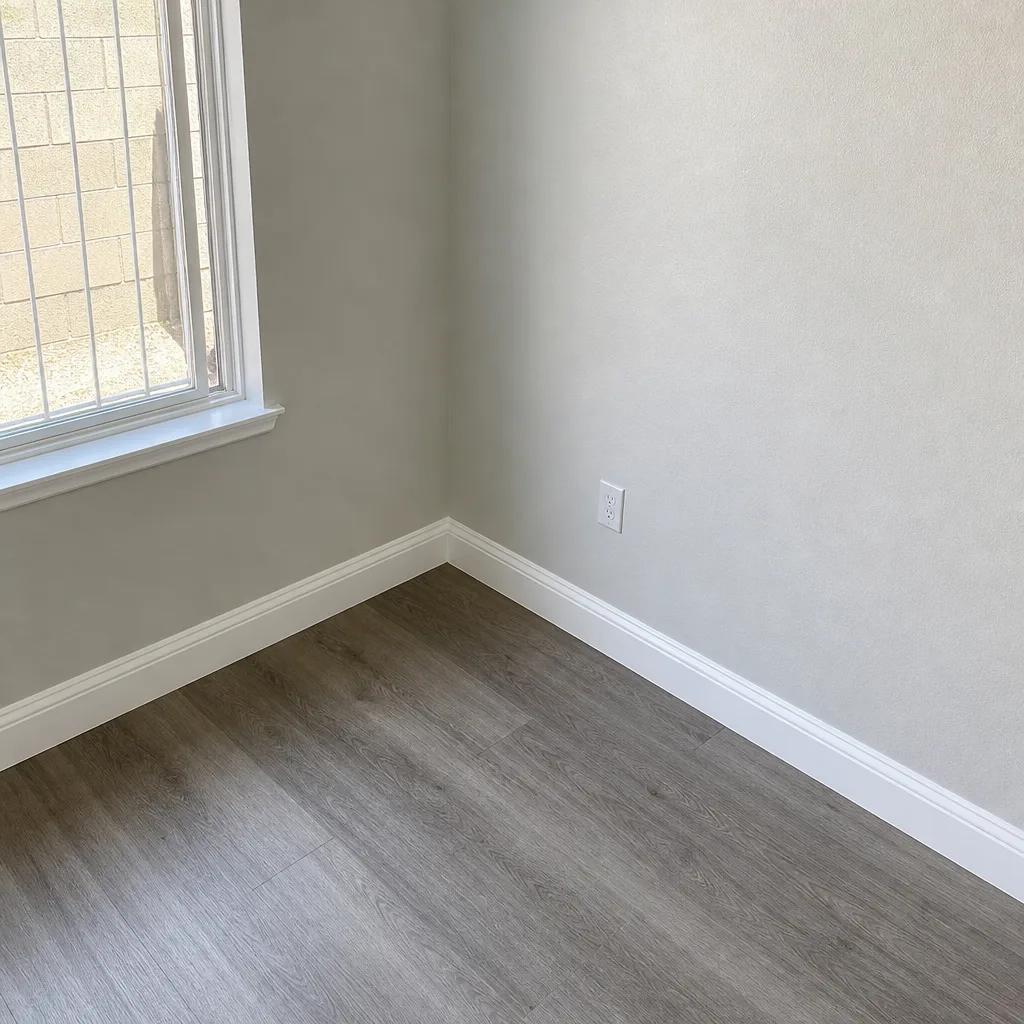
Water Damage Repair in Villa Park means restoring finishes and structural components to original condition after extraction and drying are complete, and in this city, that matching work is where the craftsmanship lives. You’re not painting over a drywall patch in a 900-square-foot condo; you’re matching original plaster textures, sourcing period-appropriate baseboard profiles, and rebuilding sections of a 2,800-square-foot ranch so the repair never reads as one. Typical repair scopes in Villa Park run $1,800 to $7,500 depending on finishes, with high-end original details pushing some projects higher. We write the scope in the same document as the drying plan so you see exactly what gets replaced and why.
Finish Matching on 1960s-70s Custom Work
Villa Park homes carry finishes you can’t buy off a shelf at a big-box store. Original plaster texture, custom millwork, tile from long-closed manufacturers. Our process includes photographing and cataloging every removed material before demolition so the rebuild references the original, not a 2026 approximation. We’ve matched knockdown textures and skip trowel finishes on more Villa Park ceilings than we can count, and we bring that muscle memory to every job.
Repair vs. Retrofit Decisions
Some repairs shouldn’t be repairs. If a section of original galvanized pipe failed, we’ll tell you whether patching it is short-term thinking and map what a targeted repipe costs before you agree to anything. We don’t upsell; we lay out the logic and the numbers. A burst copper line under a slab in a 1972 custom home might be a $900 repair or a $6,000 replacement depending on access and line condition, and you’ll get that range in writing before we cut concrete.
Water Mitigation in Villa Park
Water Mitigation in Villa Park is the first response, the phase where speed determines whether a $3,000 loss becomes a $30,000 rebuild. It means stopping the source, extracting standing water, containing the affected area, and starting structural drying before mold has a chance to colonize wet drywall, which happens in the 24 to 48 hour window. On large lots where water has traveled through slab foundations or behind original plaster, mitigation work here typically falls between $2,200 and $6,800. What you’re paying for is control: IICRC-certified drying protocols, not guesswork.
Top-Down Drying Sequence
Because so many Villa Park losses begin at the roofline, our mitigation sequence starts with tarping, gutter clearing, and attic ventilation before we touch interior drywall. You can’t dry a wall cavity if water is still entering from above. We map moisture with meters and thermal imaging, log every reading, and adjust equipment placement daily, not on a set-and-forget timer.
Injectidry Structural Drying
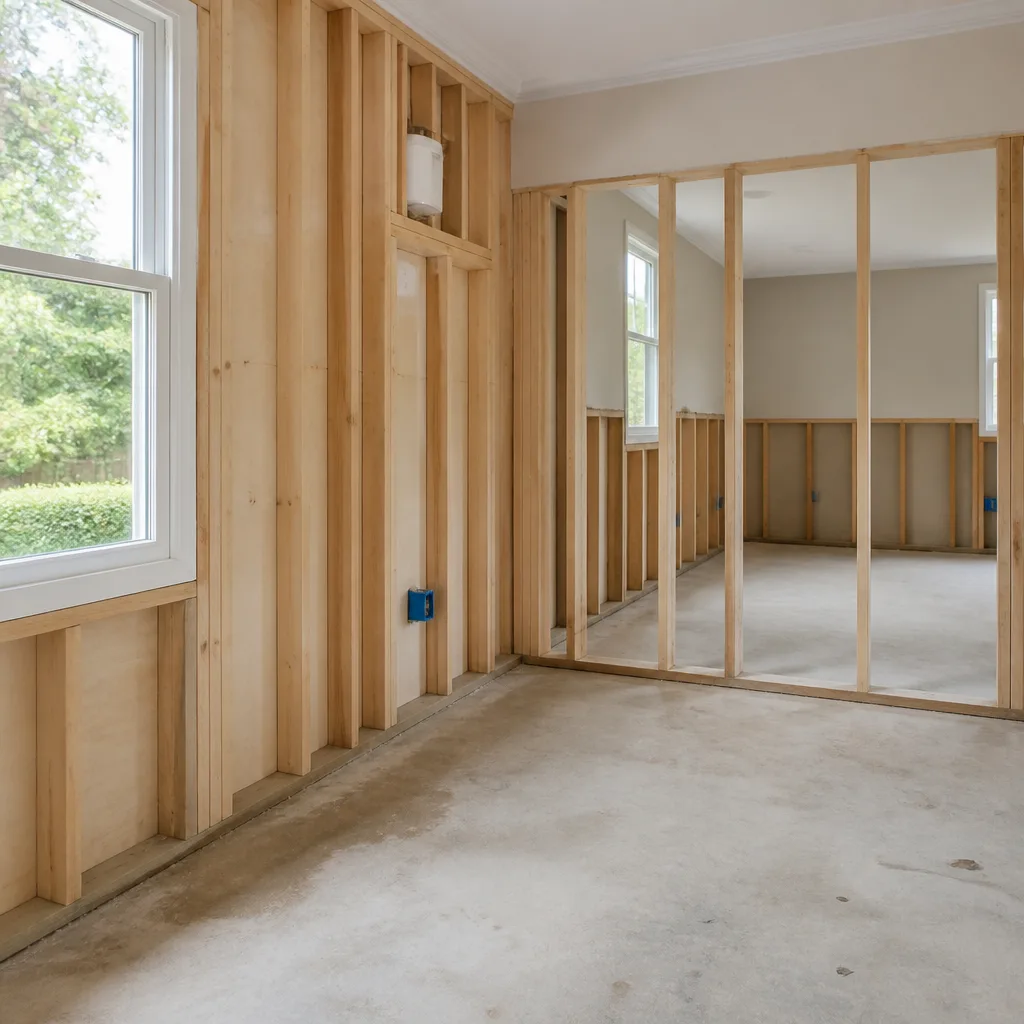
Injectidry panels let us dry inside wall cavities, under original hardwood floors, and behind custom cabinetry without automatic demolition. On a 1960s home with plaster walls, that’s the difference between a contained repair and a month-long reconstruction. We open walls when necessary, not by default, and the moisture data tells us which one applies.
Trusted Brands We Service in Villa Park
Our equipment list reads like a commercial restoration spec sheet: Dri-Eaz dehumidifiers and air movers, Phoenix desiccants, XPOWER air scrubbers, and Injectidry drying panels. These are the brands large-loss restoration teams deploy on hospitals and schools, and we bring the same gear to every Villa Park job because a 1970s custom home with original plaster doesn’t deserve consumer-grade fans. We stock replacement filters, hoses, and panel fittings locally so a failed component doesn’t stall your drying schedule. The goal is continuous, documented drying from day one through clearance.
See the difference
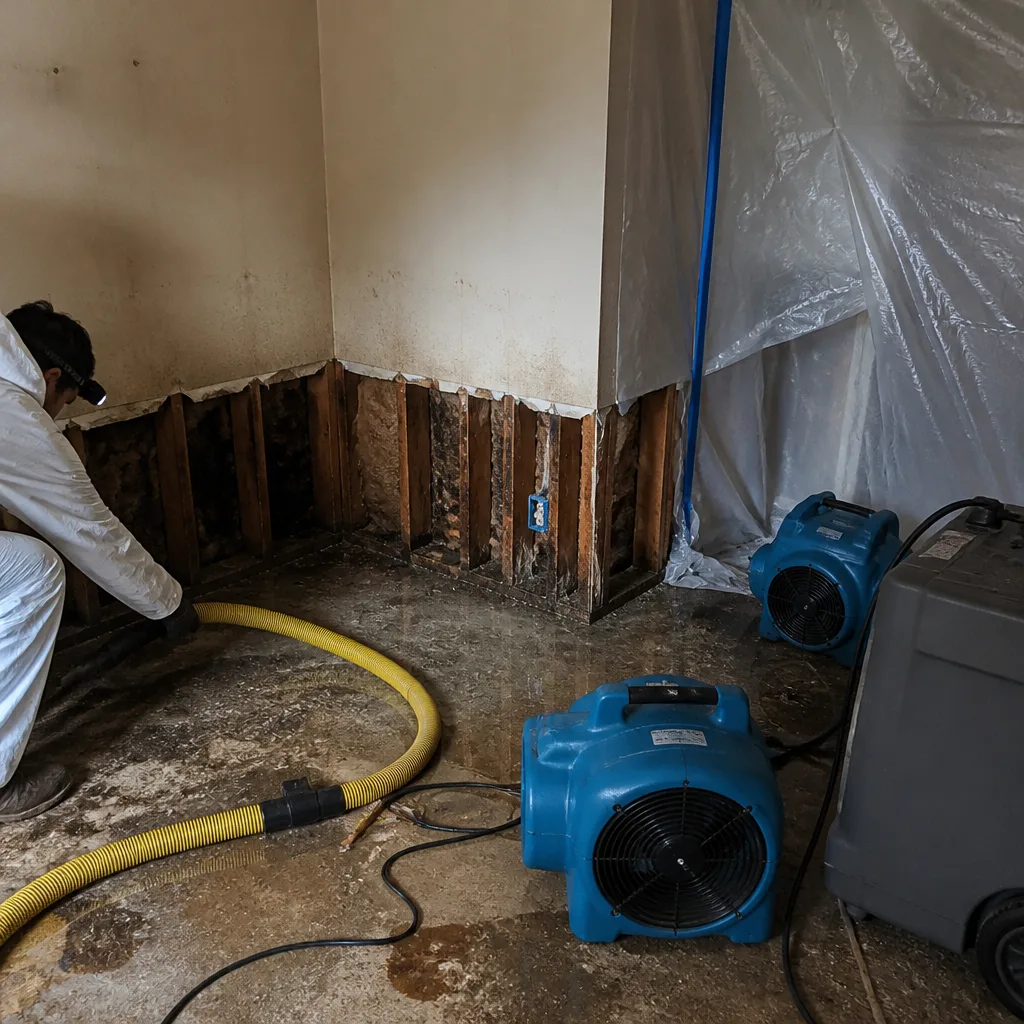 Before
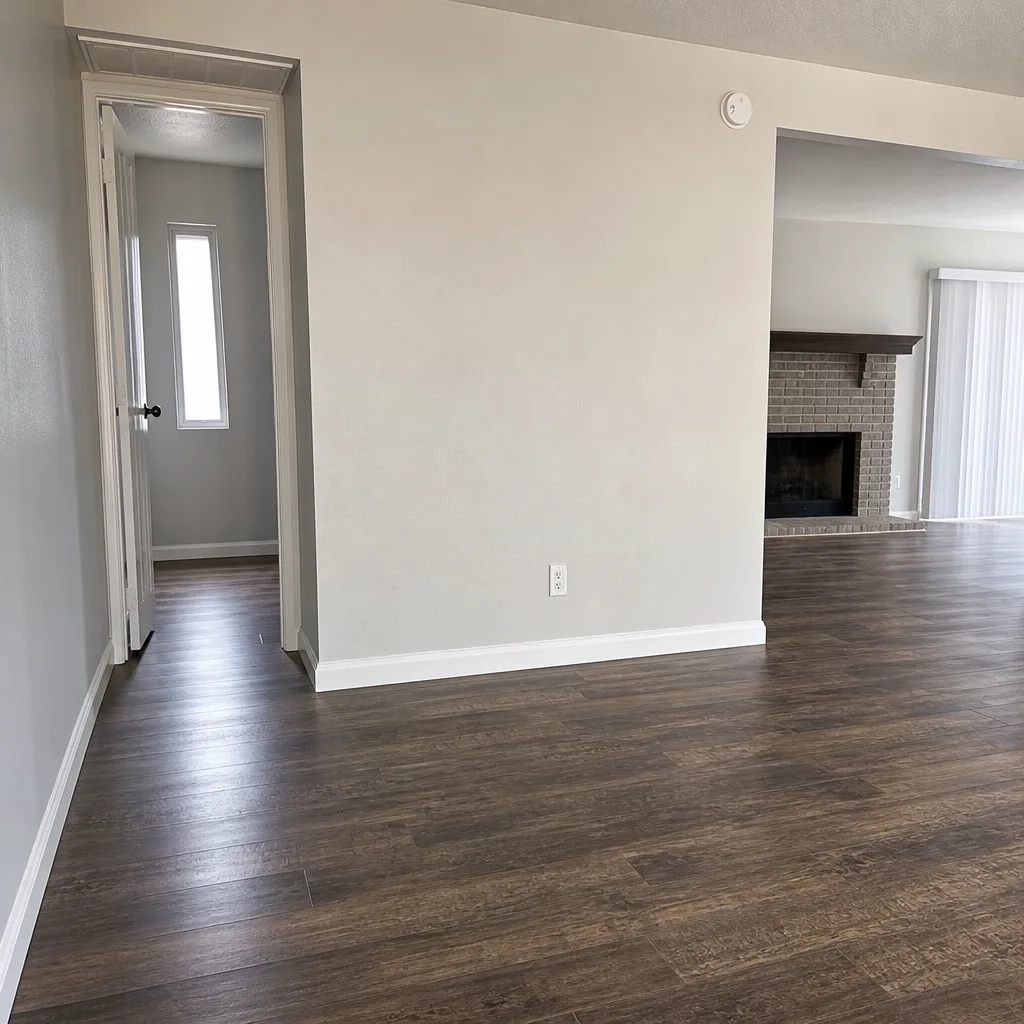 After
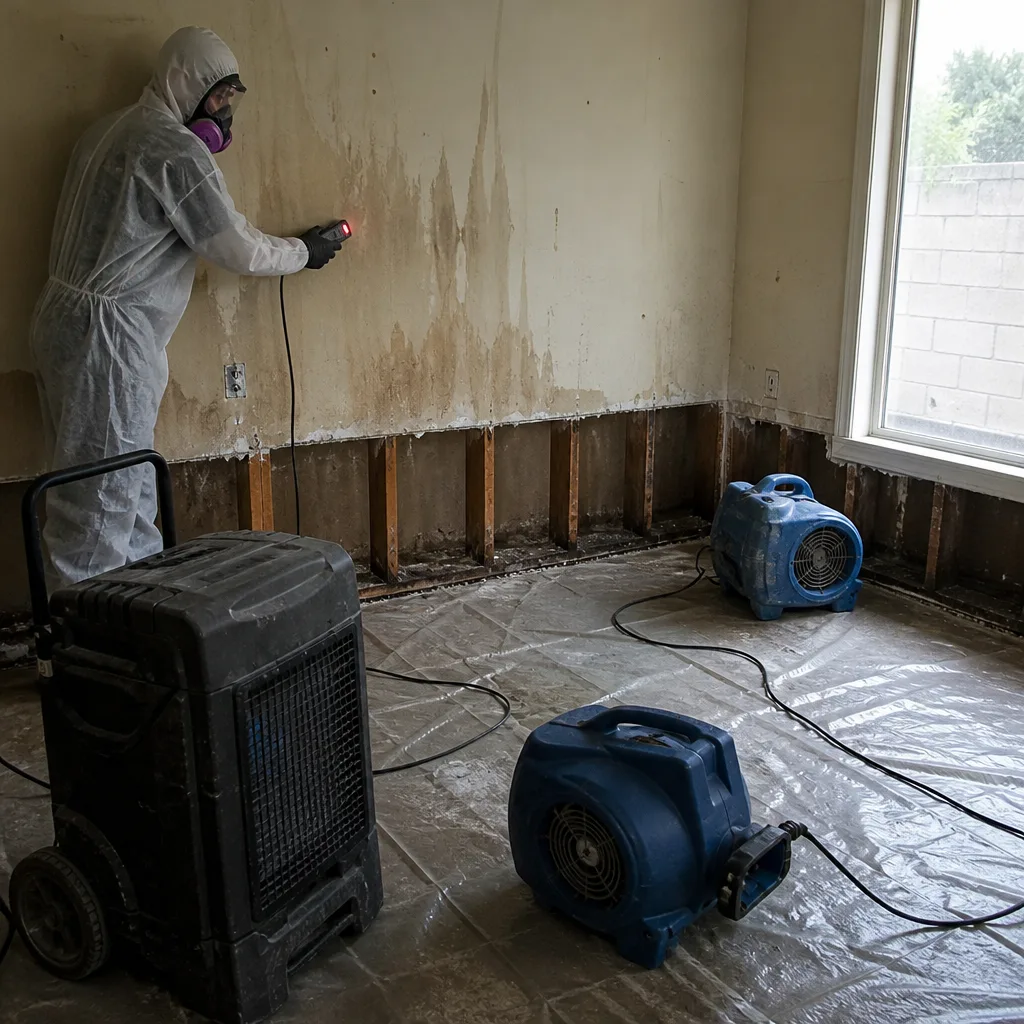 Before
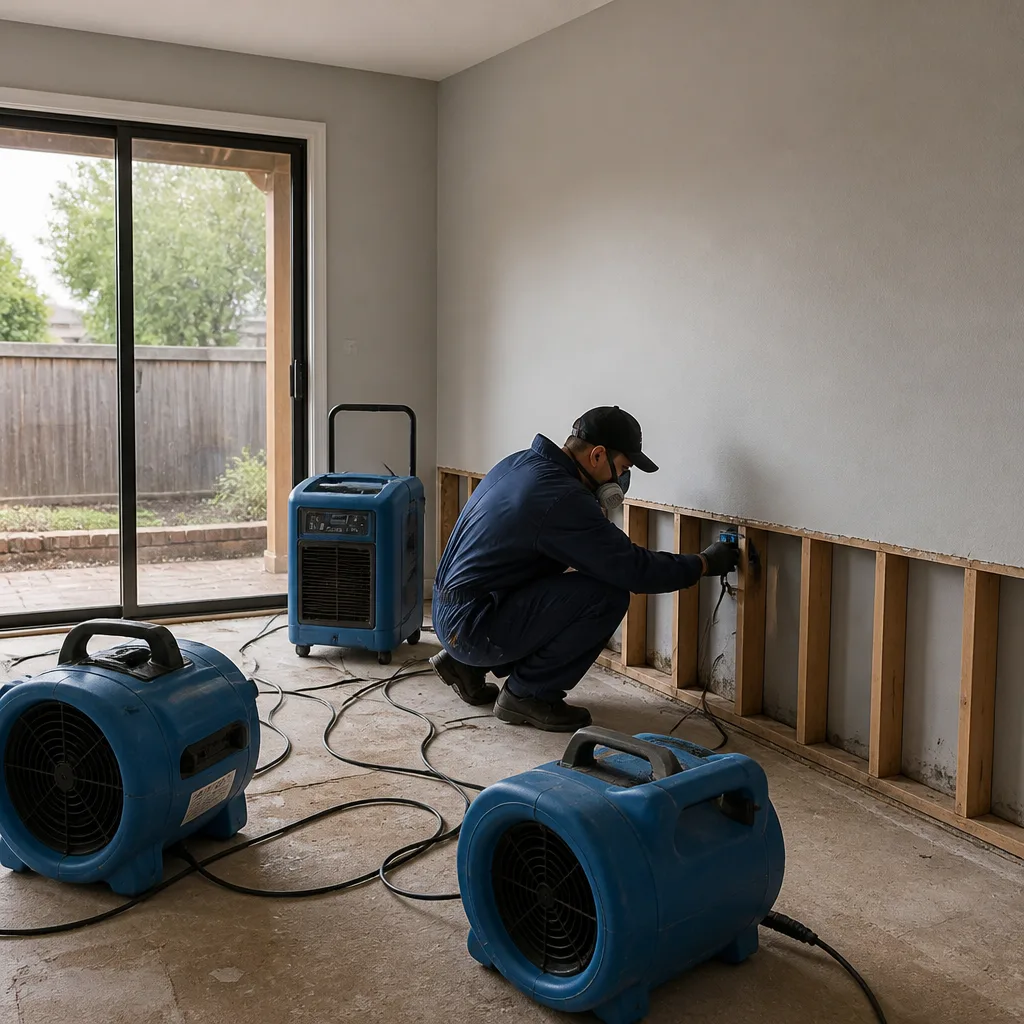 After
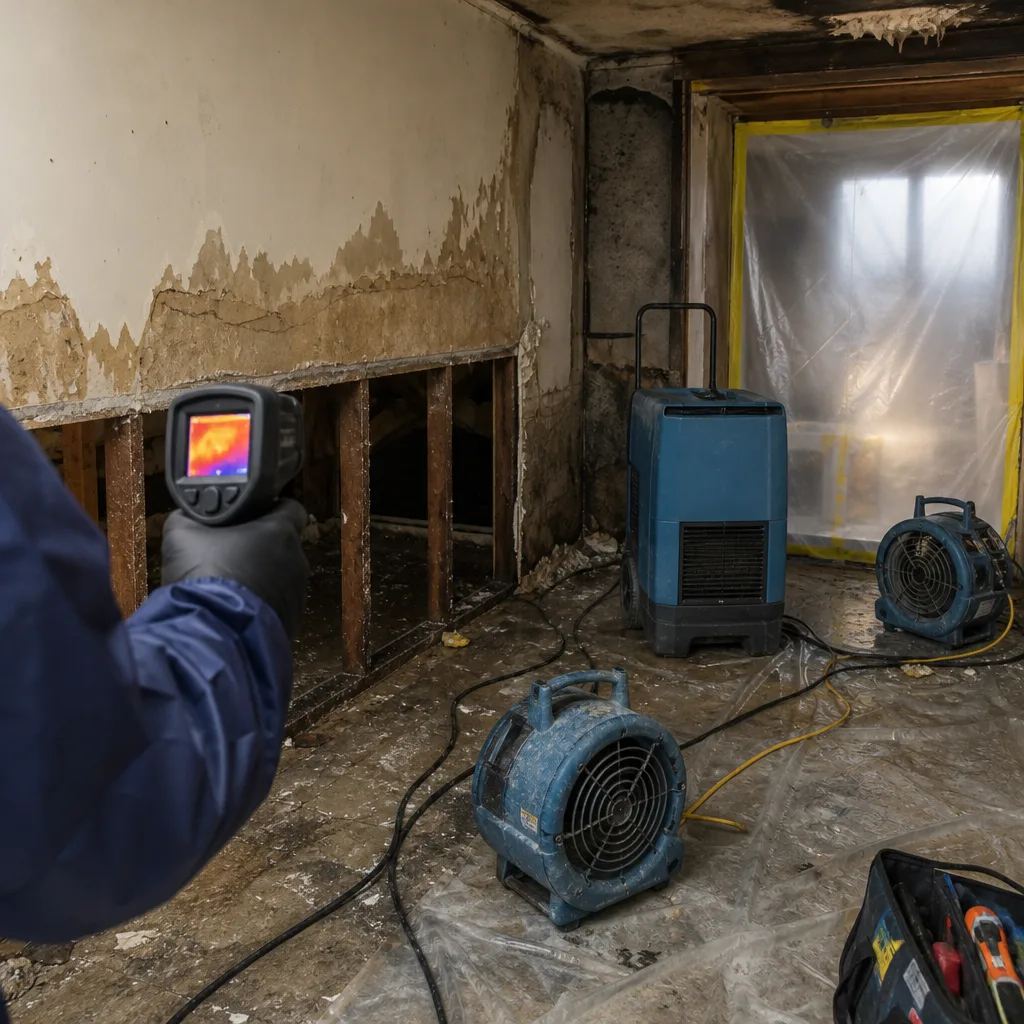 Before
 After
Common Water Damage Restoration Problems We See in Villa Park Homes
- Roof-originated losses from the oak and eucalyptus canopy. Winter storms drop limbs through original tile roofs or pack gutters with debris, backing water into eaves and down wall cavities. Homeowners often don’t know until a ceiling swells days later.
- Undetected slab leaks under expansive 1960s floor plans. Original copper and galvanized supply lines fail slowly under slab foundations. By the time buckling or a musty odor appears, moisture has migrated across hundreds of square feet of subfloor.
- Hidden saturation in lath-and-plaster walls. Plaster hides water longer than drywall, and by the time staining appears, the cavity behind it has often been wet for days. We probe and meter plaster assemblies differently than drywall.
- Access and equipment placement on long driveways and septic-adjacent lots. Standard drying setups don’t account for 200-foot driveways, limited turnaround space, or well and septic clearances. We plan equipment staging before dispatch, not after arrival.
Pricing for Water Damage Restoration in Villa Park, CA
We Also Serve Cities Near Villa Park
Flood Guard Water Damage covers the neighborhoods bordering Villa Park, including Orange, North Tustin, Placentia, and Anaheim. If your property sits close to the city line or your damage event spans multiple addresses, our crews dispatch to the whole corridor. Read more about our work across the region on our Water Damage Restoration in Villa Park page.
Serving Villa Park, CA — Our Local Coverage Area
We’re based in the Villa Park area and know this community well. Use the map below to see our service coverage — if you’re nearby, we can almost certainly help.
FAQs About Water Damage Restoration in Villa Park
Older housing stock in Villa Park, primarily custom homes from the 1960s and 1970s, means restoration work has to account for original plaster, lath-and-plaster assemblies, aging copper and galvanized plumbing, and finishes that can’t be replaced off the shelf. We dry these structures differently, with slower, monitored drying curves and finish matching as a core part of the scope, because a generic dry-and-patch approach leaves visible repairs and hidden moisture. Call (844) 716-1094 and we’ll talk you through what your specific construction type actually requires.
Call us first, then shut off power to the affected area if you can do so safely, and place a bucket or tarp if the interior is actively taking water. Do not climb onto the roof; a damaged tile assembly under a mature oak is unstable, and Noel Ibarra’s crew will handle tarping, containment, and top-down drying. The first 24 hours decide whether a roof puncture stays a $3,000 mitigation job or becomes a full ceiling and wall rebuild.
We plan equipment staging before dispatch, because Villa Park’s long private driveways and generous setbacks can mean 150 to 300 feet between the truck and the affected structure. That planning includes hose runs, power requirements, and access paths that don’t damage mature landscaping or septic drain fields. For detached structures like pool houses or guest quarters, we set up independent drying zones with separate monitoring, so the main house and outbuilding dry on their own schedules.
Yes, in many cases. Injectidry panels and floor mat systems let us dry inside wall cavities and under original hardwood without tearing out plaster or pulling up flooring. We make that call based on moisture readings and material type, not a default demolition checklist. If the dry-out is successful, the finish-matching scope shrinks dramatically, which matters a lot on these original 1960s finishes.
The most common category in Villa Park is clean water from roof leaks and plumbing failures, which is Category 1 until it sits. Once water travels through plaster, insulation, or subfloor for more than 24 to 48 hours, it degrades toward Category 2 or 3, and that changes containment, antimicrobial protocols, and what gets removed. We classify every job by category from the first reading. Call (844) 716-1094 for an on-site assessment, and we’ll tell you exactly what category your loss falls into.
Written by Noel Ibarra, Owner at Flood Guard Water Damage, serving Villa Park and Orange County with IICRC-certified restoration since the company’s founding.