

 Water damage drying
 Fire & smoke cleanup
 Mold remediation
 Storm response
 Sewage cleanup
 Reconstruction
Free visual inspection and a written scope of work before any mitigation begins - photos, moisture readings, and drying logs go in your claim file
The scope we write is the scope we bill. Anything new gets shown to you, in writing, before we touch it.
Get your free estimateFast, Reliable Mold Remediation Across Brea
Mold remediation in Brea typically costs $1,800 – $6,500 depending on how far the growth has spread and whether wall cavities or crawl spaces are involved. Most jobs in Brea are completed within 2 – 5 days, and we can usually have a crew on-site within hours, not days. If you’ve spotted discoloration on drywall, smelled a persistent musty odor, or had water intrusion from the recent rains, call (844) 716-1094 and we’ll walk you through what to do next. We’re based in Rancho Cucamonga and run crews into Brea daily, including Blackstone, Olinda Ranch, and the hillside streets off Carbon Canyon Road.
Brea’s housing stock is older than people realize. The mid-century ranch homes in 92821 and the hillside stucco construction in 92823 hide moisture in ways newer builds don’t. We see it every week: original cast-iron drains with hairline cracks, galvanized supply lines sweating behind drywall, and attic vents that let in ash during Santa Ana events. By the time a homeowner sees the black speckling on a baseboard, the colony has usually been feeding for weeks. That’s why our approach starts with measurement, not guesswork. A moisture map tells us where the water is, where the mold is, and where it’s going next. Then we contain it. Then we remove it. The last step is drying the structure to IICRC standards so the problem doesn’t return with the next rain cycle.
Need someone now? Call (844) 716-1094. We answer live, and we’ll tell you straight what you’re dealing with.
Why Flood Guard Water Damage Is Brea’s Preferred Mold Remediation Company
We’ve worked enough jobs in Brea to know exactly how your house handles water. The 1960s tract homes in 92821 share common failure points: original drain lines under the slab, single-pane windows that collect condensation, and attics with ventilation that was barely adequate new and is now forty years past useful. The 1980s and 90s stucco homes in 92823 have their own problems: window flashing that fails after a decade of Santa Ana-driven heat cycling, tile roofs with cracked mortar, and stucco hairline cracks that wick rainwater straight into the wall system.
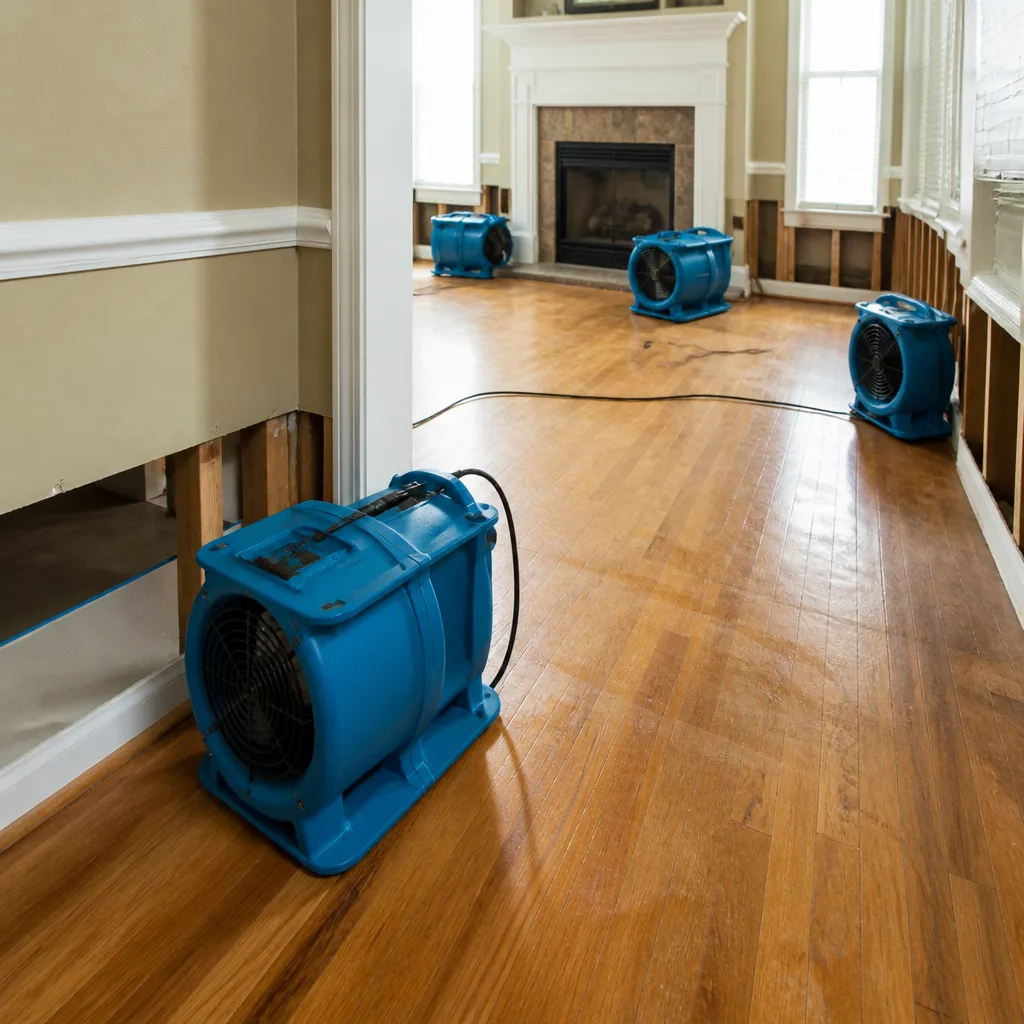
Our crews bring commercial-grade drying equipment into Brea homes every week. You’ll see Dri-Eaz dehumidifiers, Phoenix air movers, and XPOWER air scrubbers in our trucks, not the rental-shop fans a generalist carries. We run IICRC-certified protocols on every job, which means moisture mapping before we touch a wall, containment before we disturb a colony, and written documentation at every stage. Noel Ibarra leads our team with one rule: we dry the structure, not just the surface. If a subcontractor showed up with a consumer dehumidifier and a spray bottle of bleach, he’d be sent home. That’s not how you fix mold in Brea’s older housing stock.
Homeowners in Brea have told us the same thing after other companies left: the mold came back. It comes back because the moisture wasn’t eliminated, only covered. We don’t paint over problems here. We find the water source, fix it, remove the mold, and verify the structure is dry before we leave. That’s the difference between a cleanup and a remediation.
Restoration work we handle
Black Mold Removal in Brea
Black mold removal in Brea is a job we handle frequently, particularly in the older homes of 92821 and the hillside properties off Carbon Canyon Road where hidden moisture pockets feed Stachybotrys growth in wall cavities and around original plumbing penetrations. The work involves full containment of the affected area, HEPA air scrubbing to prevent spore spread, removal of contaminated drywall and insulation, antimicrobial treatment of remaining framing, and verification that the moisture source is eliminated. In Brea, black mold removal on a contained bathroom or laundry wall typically runs $2,200 – $4,800; if the colony has spread into multiple rooms, the honest range climbs to $5,000 – $8,500.
What We Remove
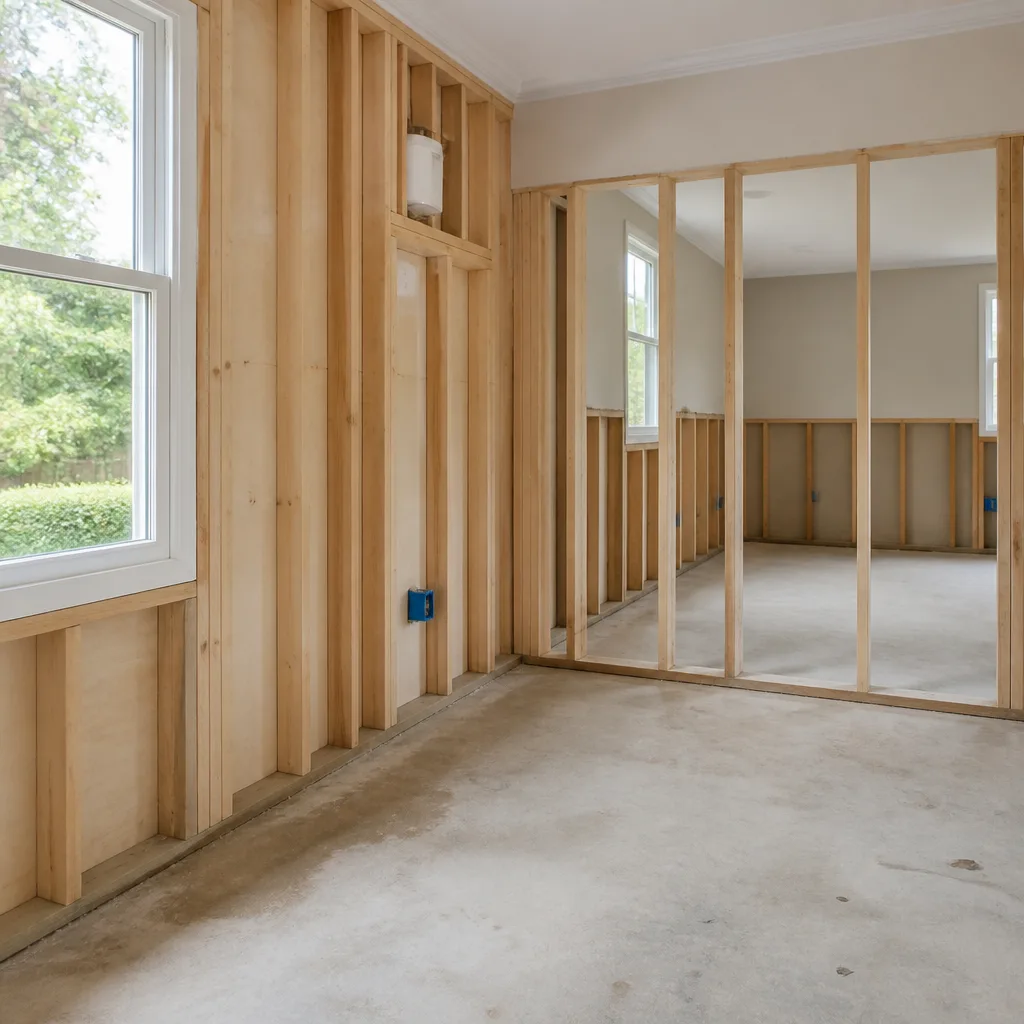
We remove the visible colony and the hidden one. Black mold doesn’t stop at the drywall face. It roots into the paper backing, the insulation behind it, and the framing. In Brea homes built before 1980, the drywall is often three-quarter inch with old batt insulation that holds moisture like a sponge. We take out all of it. That’s not over-removal. That’s remediation.
Containment Before Disturbance
Every black mold job starts with containment. We seal the work area with 6-mil poly sheeting, run HEPA-filtered air scrubbers to create negative pressure, and only then open the walls. This prevents the spore cloud that happens when an untrained crew starts pulling baseboards without isolation. If a contractor skips containment, they’re spreading mold through your vents. We never work that way in Brea or anywhere else.
Mold Removal Contractor in Brea
When Brea homeowners tell us they’re looking for a mold removal contractor, they usually mean they’ve gotten three quotes from three different skill levels: a handyman with a Home Depot ozone machine, a franchise restoration outfit that charges national pricing for local work, and us. We’re the crew that shows up with Injectidry equipment, a moisture meter, and a written scope of work before we pull a single piece of baseboard. General mold removal in Brea, where the colony is visible and contained to one room, runs $1,800 – $3,500. Multi-room jobs with hidden spread run $4,000 – $7,000.
The Written Scope
Before we begin, you get a written scope. It says exactly what we’ll remove, how we’ll contain it, what we’ll treat, and what the drying targets are. You sign it. We work to it. If something changes, we stop and tell you. This is not a trade where surprises should happen after the invoice.
Crawl Space and Attic Work
Brea homes with crawl spaces and vented attics hold mold where nobody looks. We regularly find fungal growth on floor joists over dirt crawl spaces in 92821, where poor ventilation traps humidity against the subfloor. Attic mold in 92823 homes often starts when ash from canyon fires clogs soffit vents, then winter rains raise attic humidity. These aren’t specialty add-ons for us. They’re part of a standard Mold Remediation scope when the moisture map says so.
Trusted Brands We Service in Brea
Our equipment choices matter because Brea’s jobs are rarely simple. We run Dri-Eaz dehumidifiers and Phoenix air movers because they’re built for multi-day structural drying, not a weekend floor-drying project. The XPOWER air scrubbers we run in containment zones move enough air to hold negative pressure in a full-size bedroom. Our Injectidry system lets us dry inside wall cavities and under cabinets without opening everything up, which matters a lot in Brea’s older homes where the original plaster and lath are worth preserving. The brands we stock parts for, from HEPA filters to desiccant cartridges, means we don’t lose a day waiting on a shipment when your home needs us moving. When you call Mold Remediation in Brea through us, you get the same equipment we’d run on a commercial loss in Brea’s retail centers.
See the difference
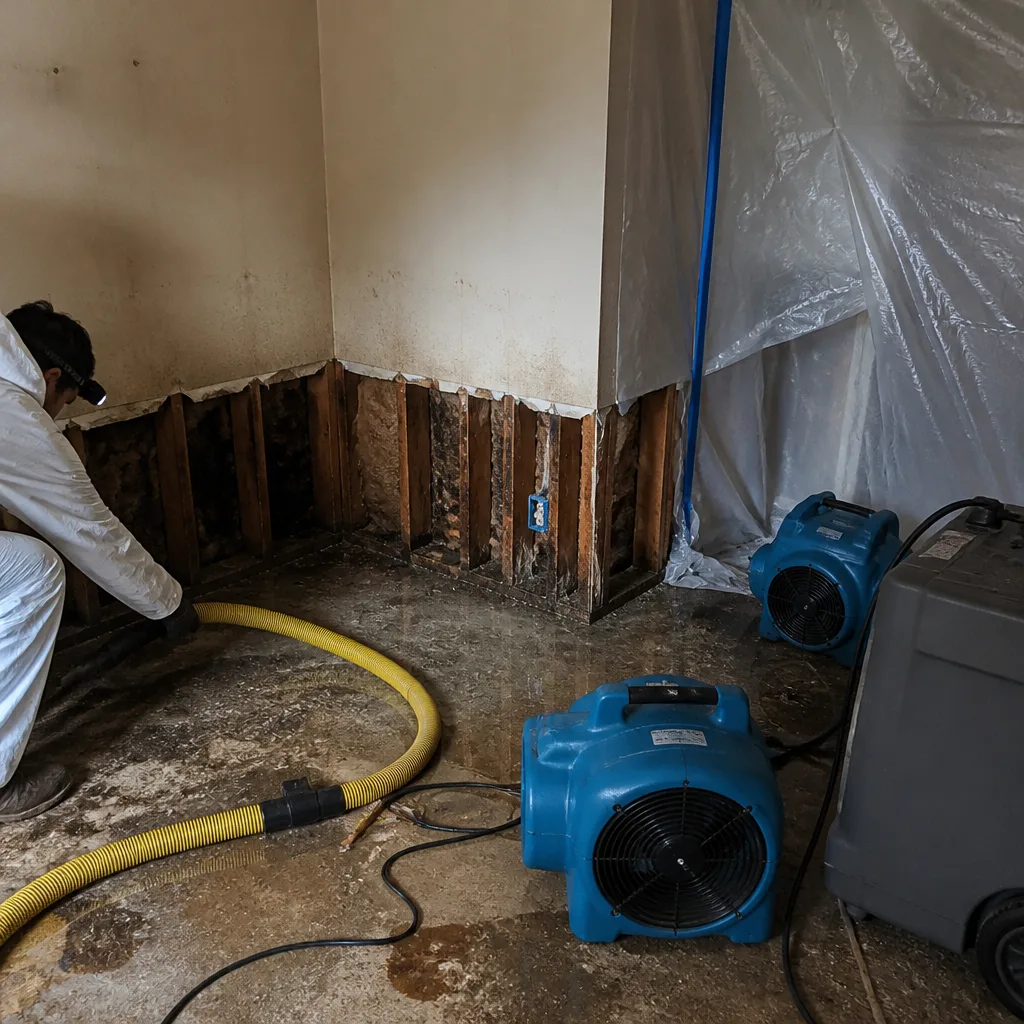 Before
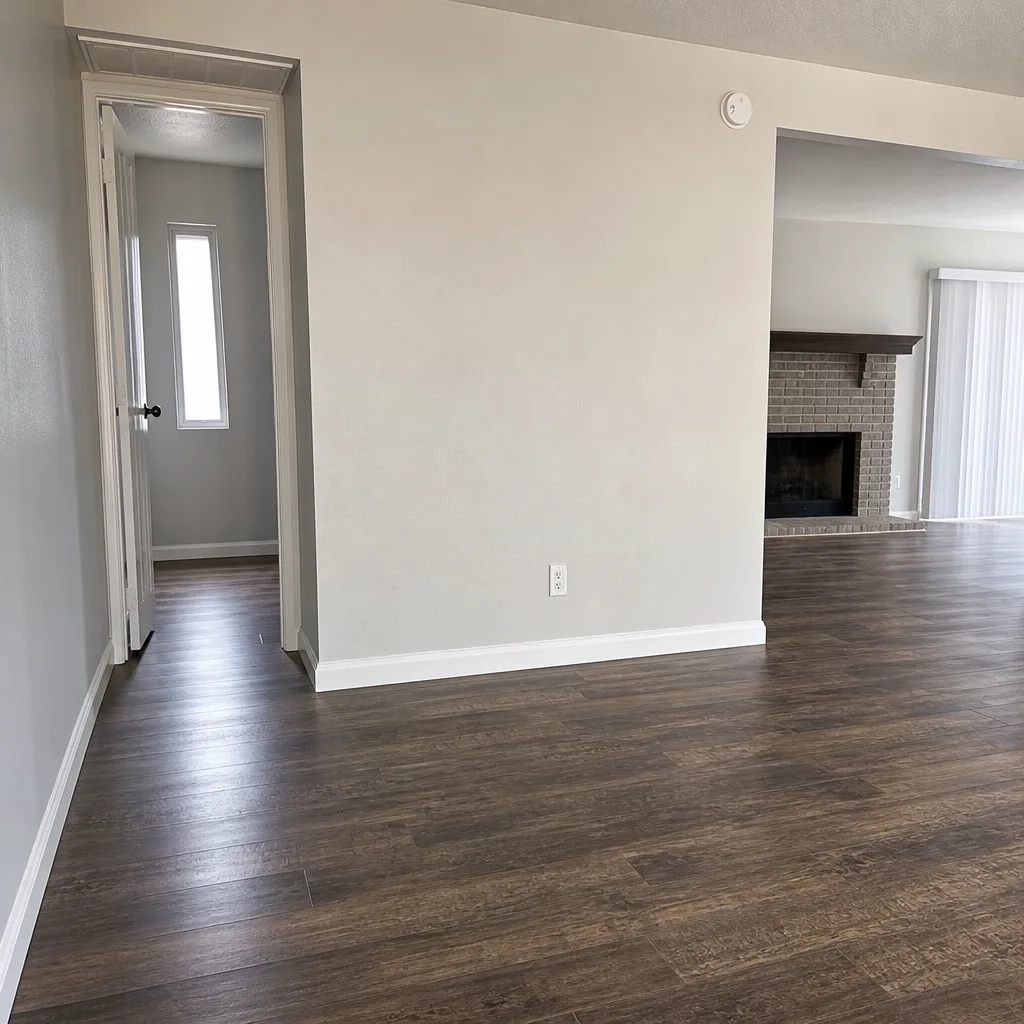 After
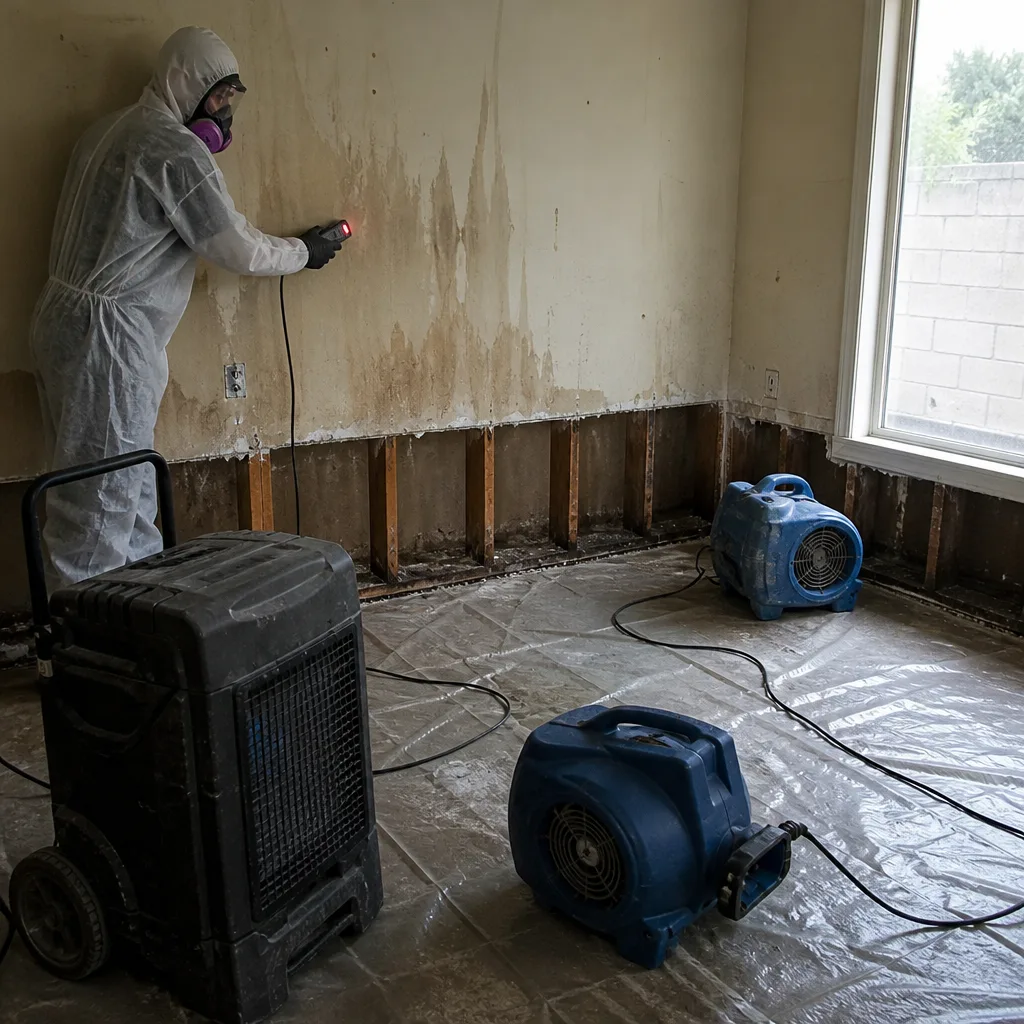 Before
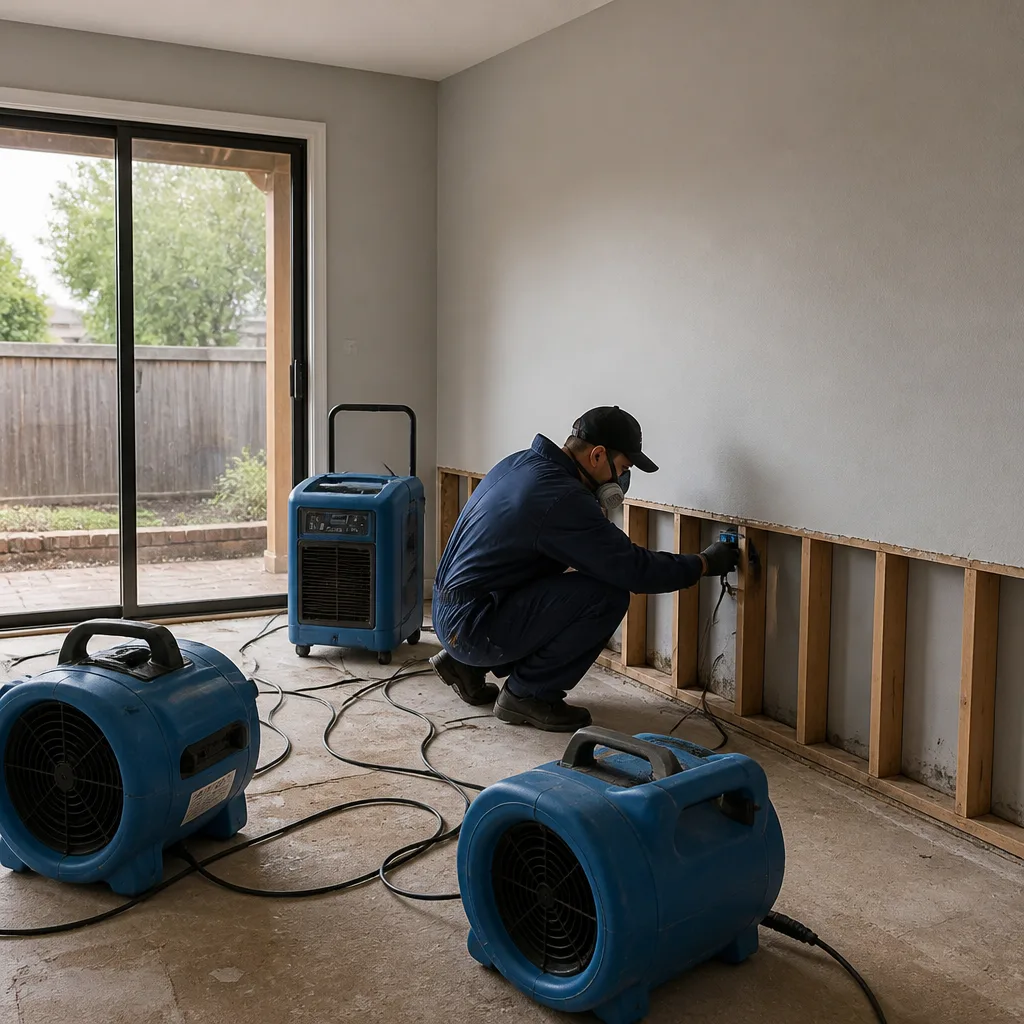 After
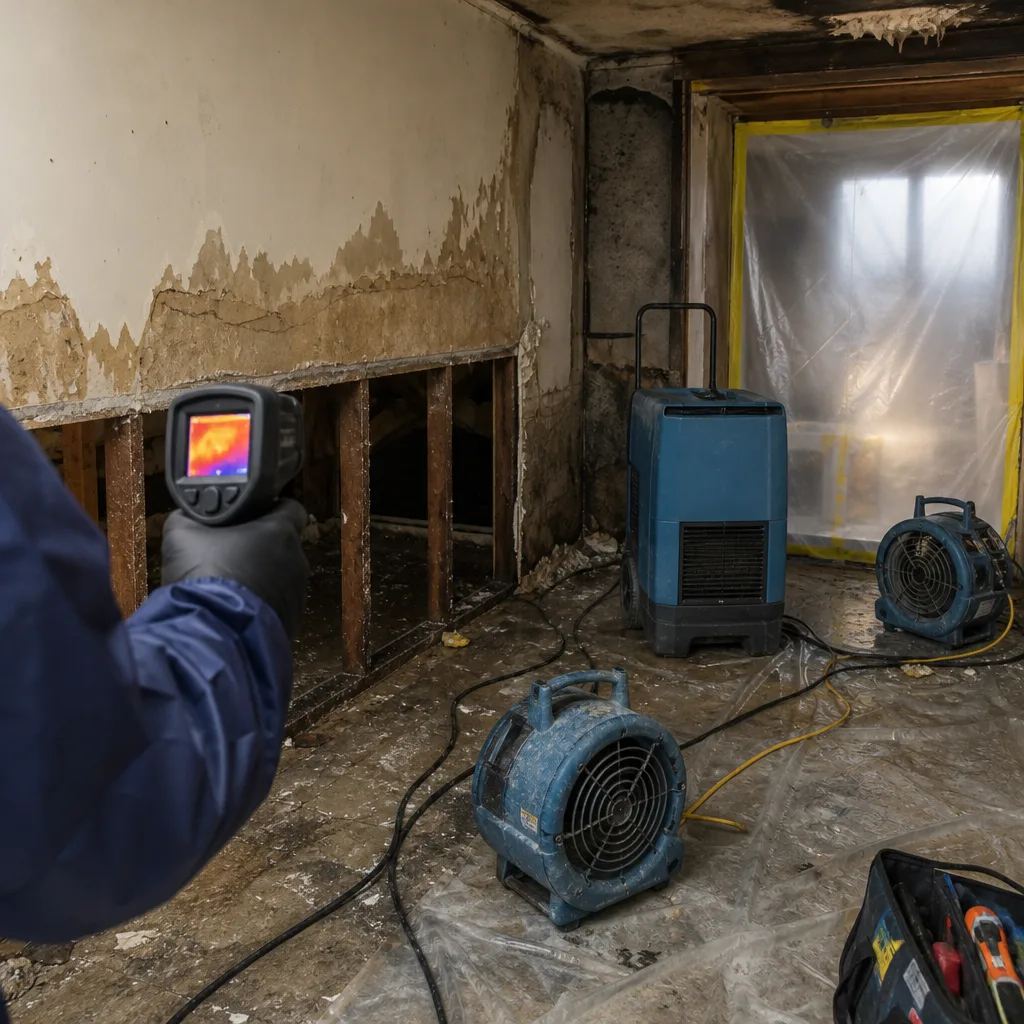 Before
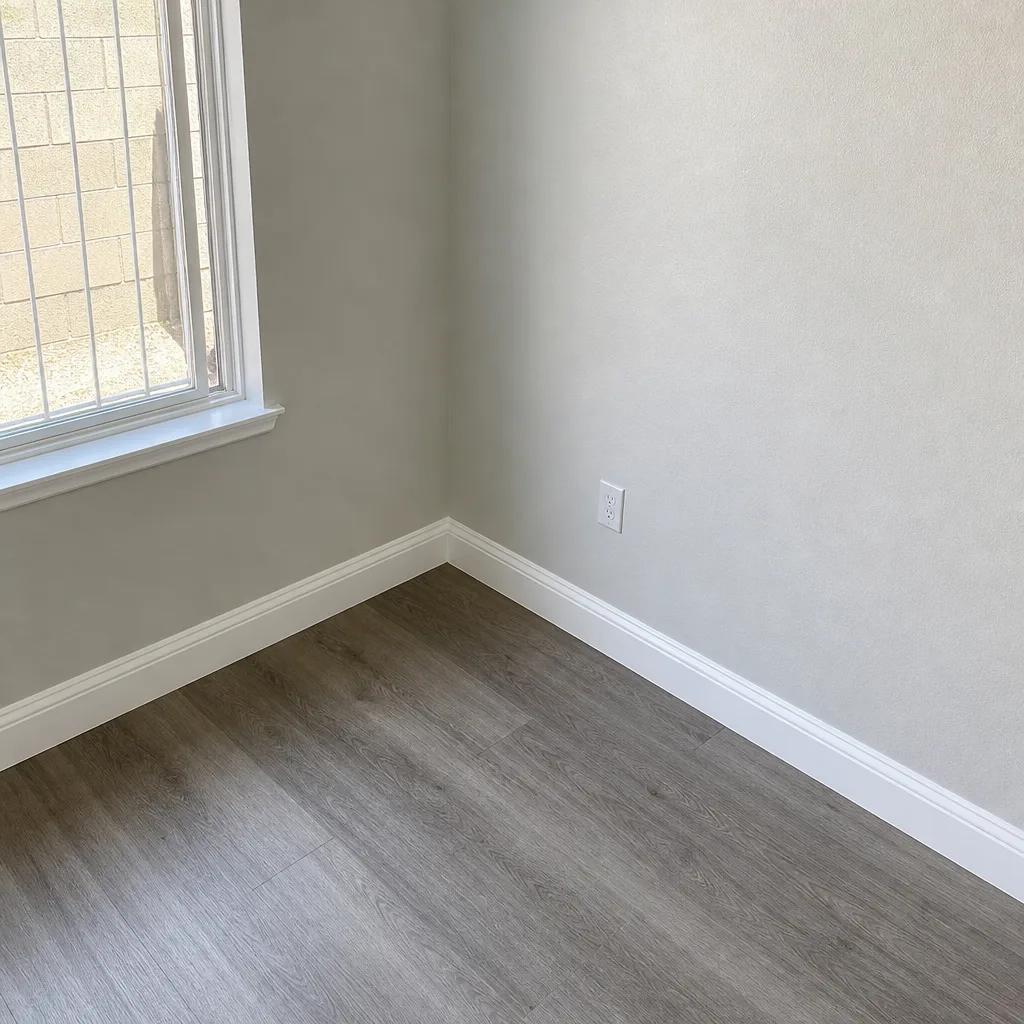 After
Common Mold Remediation Problems We See in Brea Homes
- Hidden supply-line leaks in 1960s ranch homes. Galvanized pipes in 92821 sweat and pin-hole behind walls, feeding mold for weeks before any stain appears. The first sign is often just a musty smell in a hallway.
- Ash intrusion after canyon fires followed by rain. In 92823, the October fire season deposits ash into tile roof gaps and attic vents. The first January downpour washes that ash into wall cavities, where it holds moisture and feeds mold behind the stucco.
- Failed window and door flashing on stucco homes. Brea’s hot-dry-day, cool-damp-night cycling opens hairline stucco cracks around windows. Rain follows the crack into the wall system, and mold follows the rain.
- Category 3 water losses spread by unsupervised air movement. We’ve walked into Brea homes where a previous crew ran air movers on a sewage or dishwasher overflow without containment, spreading spores through the HVAC. The mold was worse after the “cleanup” than before.
Pricing for Mold Remediation in Brea, CA
You deserve actual numbers, so here they are. A contained single-room mold removal in Brea runs $1,800 – $3,500. That includes containment, removal, antimicrobial treatment, and drying verification. Black mold remediation on a bathroom or laundry wall runs $2,200 – $4,800. A crawl space treatment with anti-microbial application and encapsulation runs $3,000 – $6,500 depending on square footage and access. Whole-home or multi-room jobs run $5,000 – $9,000. What drives cost in Brea specifically: age of the structure, whether we’re opening original lath-and-plaster or modern drywall, how far the moisture has traveled, and whether you’re in a hillside home in 92823 where access is tighter. Every quote includes a written scope before work starts. Estimates are free. Call (844) 716-1094 for an exact number.
We Also Serve Cities Near Brea
Flood Guard Water Damage runs mold remediation crews into Brea and the surrounding north Orange County cities daily. We also serve Placentia, Fullerton, Yorba Linda, and La Habra. If you’re just over the Brea line and wondering whether we cover your street, call us. The answer is almost always yes.
Serving Brea, CA — Our Local Coverage Area
We’re based in the Brea area and know this community well. Use the map below to see our service coverage — if you’re nearby, we can almost certainly help.
FAQs About Mold Remediation in Brea
Because the October-to-January cycle in Brea is a fire-and-flood system. Santa Ana winds push ash and embers into tile roofs, attic vents, and stucco cracks along Carbon Canyon and throughout 92823. That ash holds moisture. When the first winter rains hit the Puente Hills, the wet ash turns into a damp, organic layer inside wall cavities and under roof tiles. Mold spores that were dormant all summer suddenly have everything they need: moisture, organic matter, and a dark, protected space. Homes in Fullerton and Placentia don’t get this same ash-then-rain sequence. Brea’s geography creates a mold pressure that inland neighbors don’t experience. Call (844) 716-1094 if your hillside home smells musty after rain.
Mold can germinate within 24 – 48 hours of water contact on drywall, insulation, or wood in Brea’s climate. In an older ranch home with original cast-iron drains, the timeline is often faster because the water isn’t clean. A slow seep from a cracked drain line introduces not just moisture but organic matter, which mold feeds on immediately. By the time you smell it, you’re usually two to three weeks past the original event. If you’ve had any water event in a pre-1980 Brea home, get a moisture mapping inspection. Waiting is how a $2,000 remediation becomes a $7,000 one.
Category 1 is clean water from a supply line or shower. Category 2 is gray water with some contamination, like a washing machine overflow. Category 3 is black water: sewage, flood waters, or anything that carries pathogens. For mold remediation, the category changes the severity of what we treat. A Category 3 loss in a Brea crawl space requires full containment, disposal of affected materials, and antimicrobial treatment before drying even begins. A Category 1 supply-line drip in a 92821 bathroom may allow for targeted drying and local removal. Tell us what you saw when you call, and we’ll set expectations honestly.
Yes, every job gets documented drying logs with daily moisture readings, humidity levels, and temperature measurements. We don’t guess at dry. We measure it. If you’re filing an insurance claim, this documentation matters because it’s what your adjuster uses to verify the work was done to IICRC standards. Noel Ibarra’s rule is simple: if it’s not written down, it didn’t happen. We provide photo documentation of containment, removal, and the dry-out process for every Brea job.
Mold can return if the moisture source is not fully eliminated or if the structure is not dried to the correct standard. In Brea’s fire-and-flood climate, this is the most common cause of recurrence: a crew removes the visible mold but leaves a slow drain leak active, or fails to dry the wall cavity before buttoning everything up. The October fire-ash problem adds another recurrence vector: if attic vents aren’t cleaned and sealed, the next rain washes ash back into the same wall cavity. We write our scopes to address the water source, the mold, and the drying target together. That’s what prevents a callback. Call (844) 716-1094 and ask us anything about your Brea home’s mold situation. We’ll give you straight answers, not a sales script.
Written by Noel Ibarra, Owner at Flood Guard Water Damage, serving Brea and the surrounding north Orange County communities.