
 Water damage drying
 Fire & smoke cleanup
 Mold remediation
 Storm response
 Sewage cleanup
 Reconstruction
Free visual inspection and a written scope of work before any mitigation begins - photos, moisture readings, and drying logs go in your claim file
The scope we write is the scope we bill. Anything new gets shown to you, in writing, before we touch it.
Get your free estimateFast, Reliable Mold Remediation Across Highland
Mold remediation in Highland, CA typically costs $1,800 – $6,500 depending on how far the spores have traveled and whether wall cavities or ductwork are involved. We respond to Highland calls within 60 – 90 minutes because we know that delay only spreads the problem. If you smell mustiness or see black staining along baseboards in a 92346 home, call (844) 716-1094 now. We’ve worked in East Highlands, the neighborhoods off Baseline, and the older tracts near Sterling Avenue. We know what hides behind those mid-century stucco walls.
Why Flood Guard Water Damage Is Highland’s Preferred Mold Remediation Company
Highland homeowners call us because we show up with equipment that actually measures the problem. Not a flashlight and a guess. Our IICRC-certified methodology means every remediation follows a documented, science-based protocol with moisture mapping, containment, and post-remediation verification. Noel Ibarra built this company around one principle: if you can’t measure it, you can’t fix it.
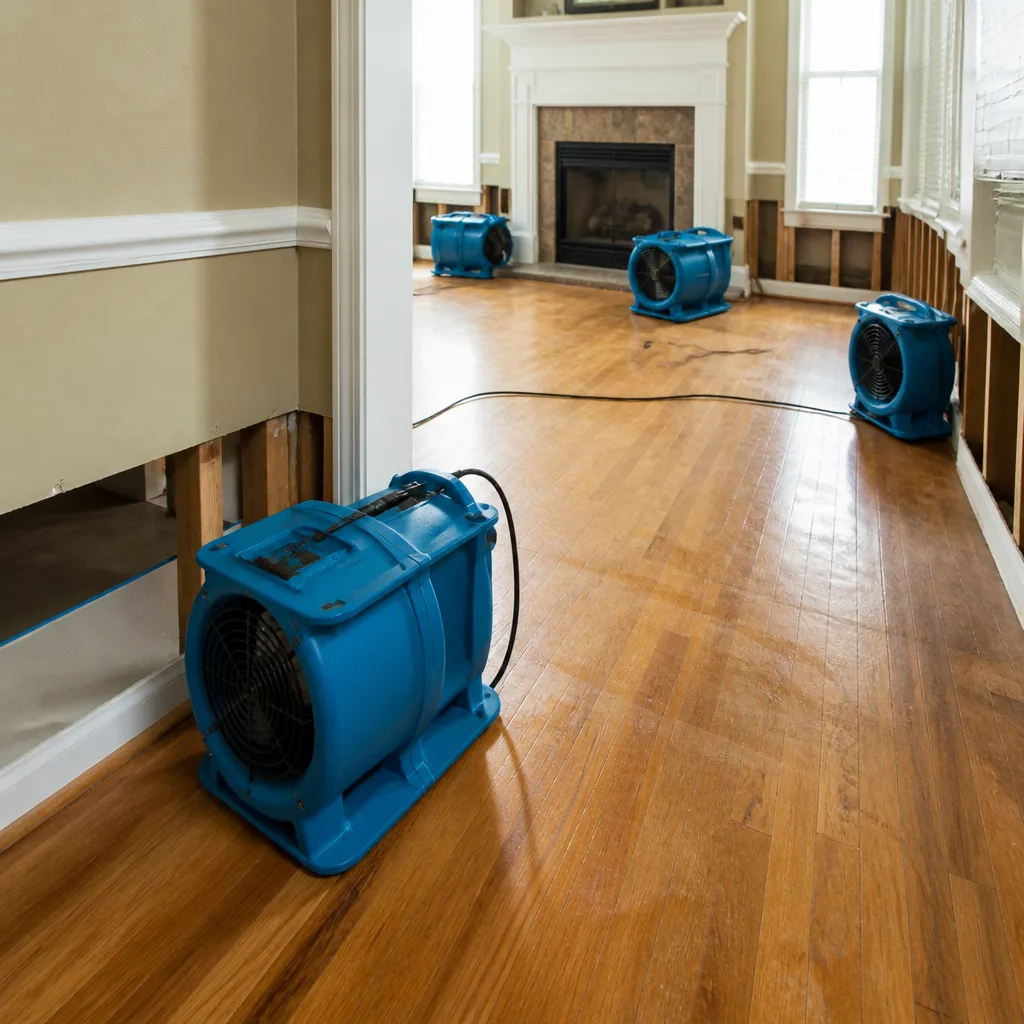
The housing stock in Highland demands this approach. Stucco-clad mid-century homes hide moisture in wall cavities for weeks before anyone notices. A generalist with a spray bottle can’t address that. Our teams use Dri-Eaz dehumidifiers, Phoenix air movers, and XPOWER air scrubbers, the same commercial-grade systems used on large-loss commercial jobs. When we open a wall in Highland, we know exactly why we opened it. Injectidry technology lets us dry inside wall cavities without automatic demolition. We open walls when necessary, not by default.
We’re active members of the Restoration Industry Association and IFA-affiliated. That means ongoing training, not a set-it-and-forget-it license. Local knowledge matters in the East San Bernardino Valley, and we’ve earned our reputation one water heater failure and one hidden mold colony at a time.
Restoration work we handle
Professional Mold Removal in Highland
Professional Mold Removal in Highland starts with containment and negative air pressure, then measured removal, not surface wiping. We set up plastic barriers, seal HVAC returns, and run HEPA-filtered air scrubbers before we touch the affected material. This prevents spores from traveling to your living room or your kids’ bedrooms. For most Highland homes, removal runs $1,800 – $4,200 depending on square footage and whether the colony is behind drywall or inside cabinetry.
Containment Before Removal
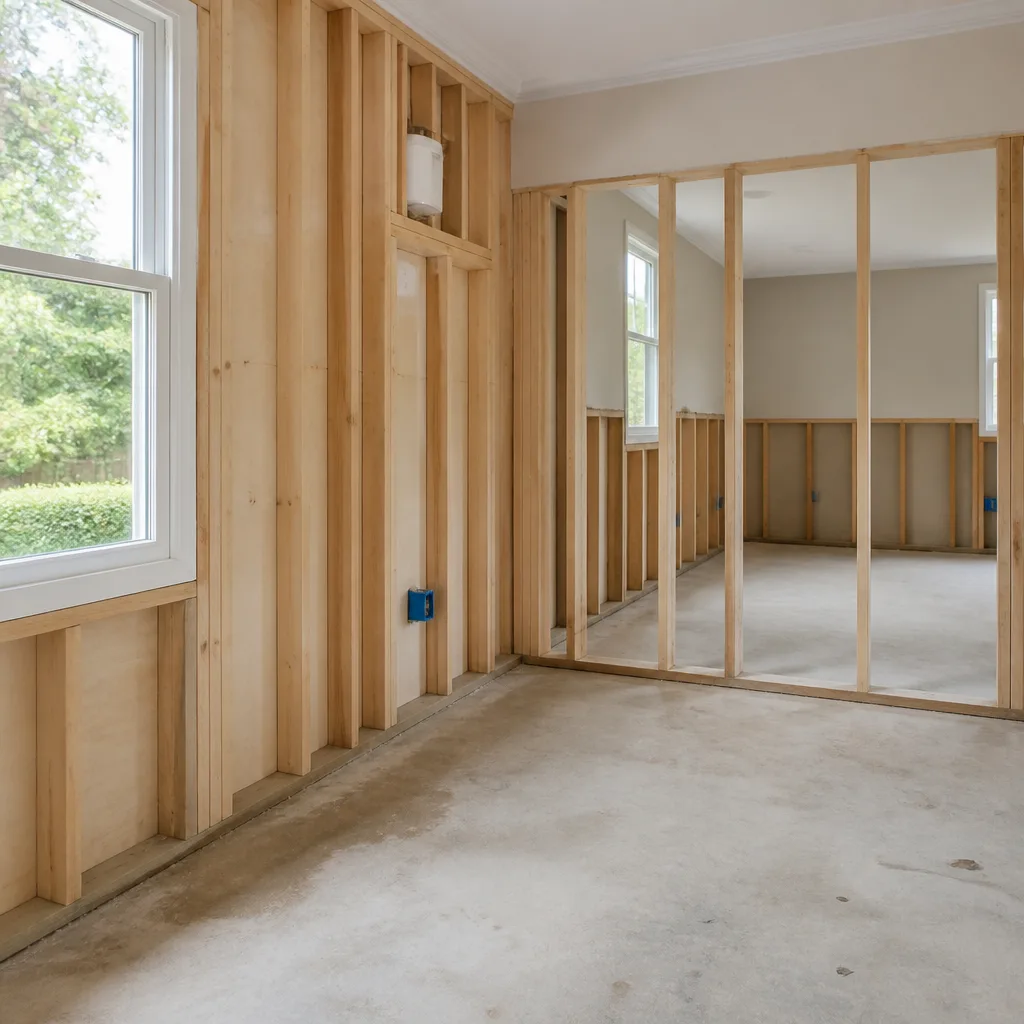
You can’t clean mold without first stopping it from moving. We establish containment zones with negative air pressure so spores don’t spread during demolition. In Highland’s mid-century floor plans, where open living spaces connect directly to hallways, this step matters even more. One wrong move with a hammer sends thousands of spores airborne.
Material Removal and Drying
Affected drywall, baseboards, and insulation come out under controlled conditions. Then we dry the cavity to below 16% moisture content using Dri-Eaz refrigerant dehumidifiers and high-volume air movers. Only then do we apply antimicrobial treatment to the framing. This sequence is what separates certified remediation from a handyman with bleach.
Mold Inspection in Highland
A Mold Inspection in Highland involves moisture mapping interior walls, testing air samples, and visually inspecting attic spaces and HVAC ducting. The cost runs $350 – $700 for a full inspection with lab results. If you suspect mold but can’t see it, don’t guess. Hidden mold behind stucco is the single most common finding we document in Highland homes built between 1955 and 1975.
Moisture Mapping Without Demolition
We use pinless moisture meters and thermal imaging to locate elevated moisture inside wall cavities. This tells us where mold is likely growing before we cut anything. For Highland homeowners, this matters because stucco exteriors hide leaks from view for months. The first visible sign may be nothing more than a persistent musty smell in the hallway.
Air Sampling and Lab Analysis
When mold is suspected but not visible, we collect air samples inside and outside the home. We send them to an independent lab and compare spore counts. That comparison tells us whether your indoor air is genuinely contaminated or whether you’re reacting to seasonal pollen drifting down from the San Bernardino foothills. The lab report gives you documentation for insurance and for any future disclosure requirements.
Trusted Brands We Service in Highland
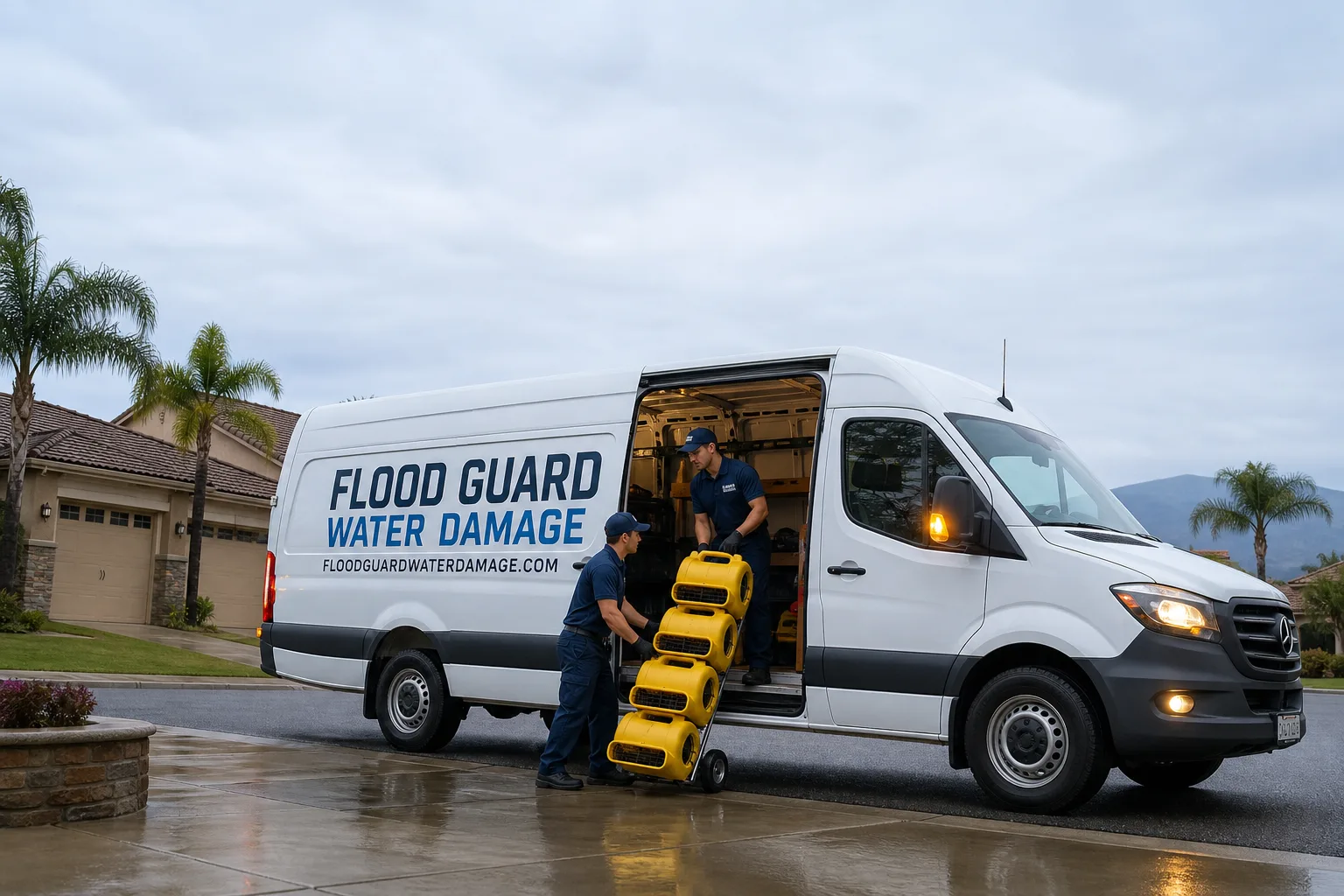
We stock commercial-grade equipment parts and supplies for the brands that matter in restoration: Dri-Eaz, Phoenix, XPOWER, B-Air, and Injectidry. Why does that matter to a Highland homeowner? Because we don’t wait on a supply house in San Bernardino when your remediation needs a specific HEPA filter or a replacement dehumidifier hose. Our trucks arrive equipped. We service these systems in-house, and if we need a part, we typically have it on hand or can source it within 24 hours from our Rancho Cucamonga location. For commercial property managers along Highland Avenue, that translates to less downtime and faster clearance.
Common Mold Remediation Problems We See in Highland Homes
- Musty smell mistaken for “old house odor”: Highland’s mid-century tract homes legitimately smell like old wood and stucco, but mold has a distinct damp, earthy smell. Homeowners wait months because the smell blends in. By the time we arrive, the colony has often traveled through the HVAC returns and into the attic.
- Hidden moisture behind stucco exteriors: Stucco traps moisture after a plumbing leak or winter rain. The exterior may look dry while the interior wall cavity reads 30% moisture content. We’ve found mold colonies extending eight feet along stud bays in homes with no visible interior staining.
- Santa Ana wind-driven spore dispersal: After a Santa Ana event, we see a spike in calls from Highland. The dry winds pull moisture out of walls, and that evaporation releases spores that had been dormant. Homeowners suddenly smell mold that was there for months. Attic vents are a common entry point for wind-driven ash and spores, adding to indoor air quality issues.
- DIY cleanup that spread the problem: We regularly follow DIY attempts where a homeowner scrubbed visible mold with bleach and ran box fans. The bleach bleached the stain but didn’t kill the colony inside the drywall. The fans spread spores to every adjoining room. What started as a $2,500 remediation became a $7,000 whole-house project because containment wasn’t used.
See the difference
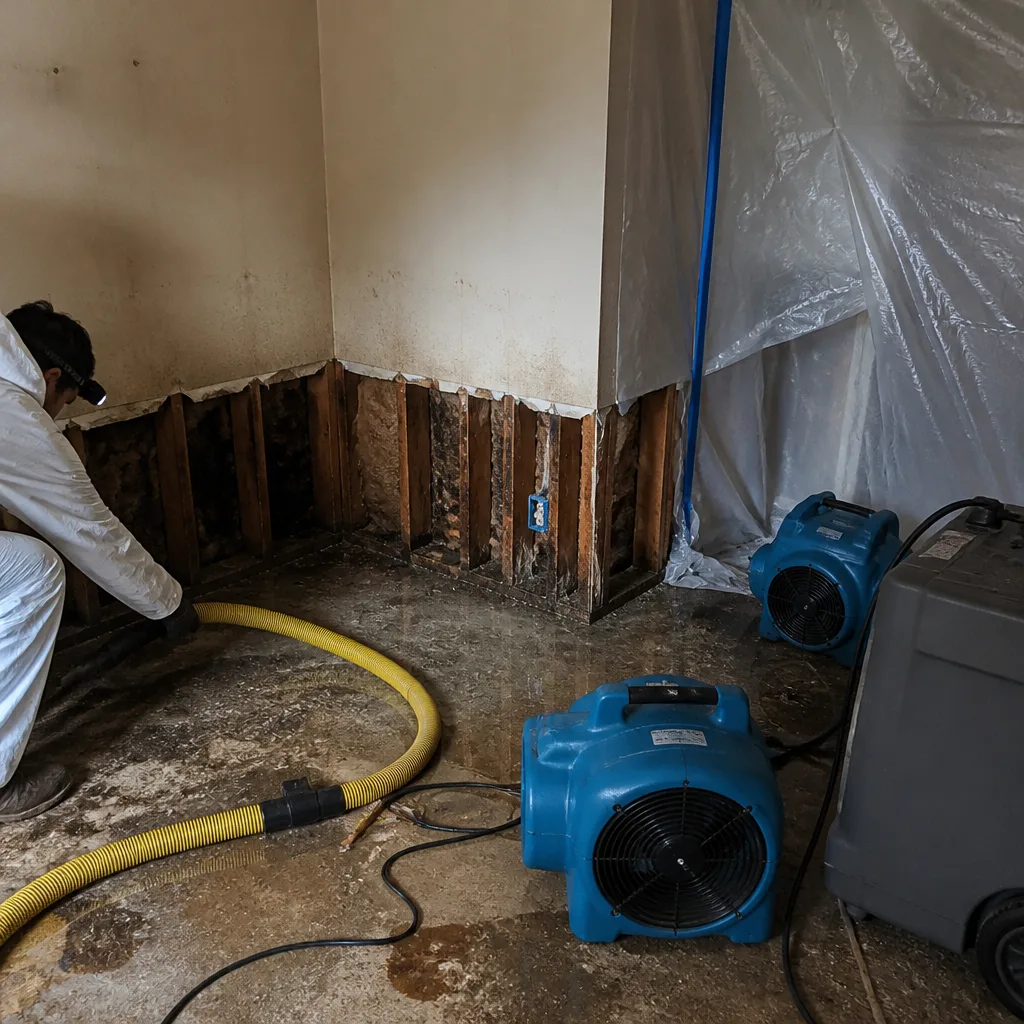 Before
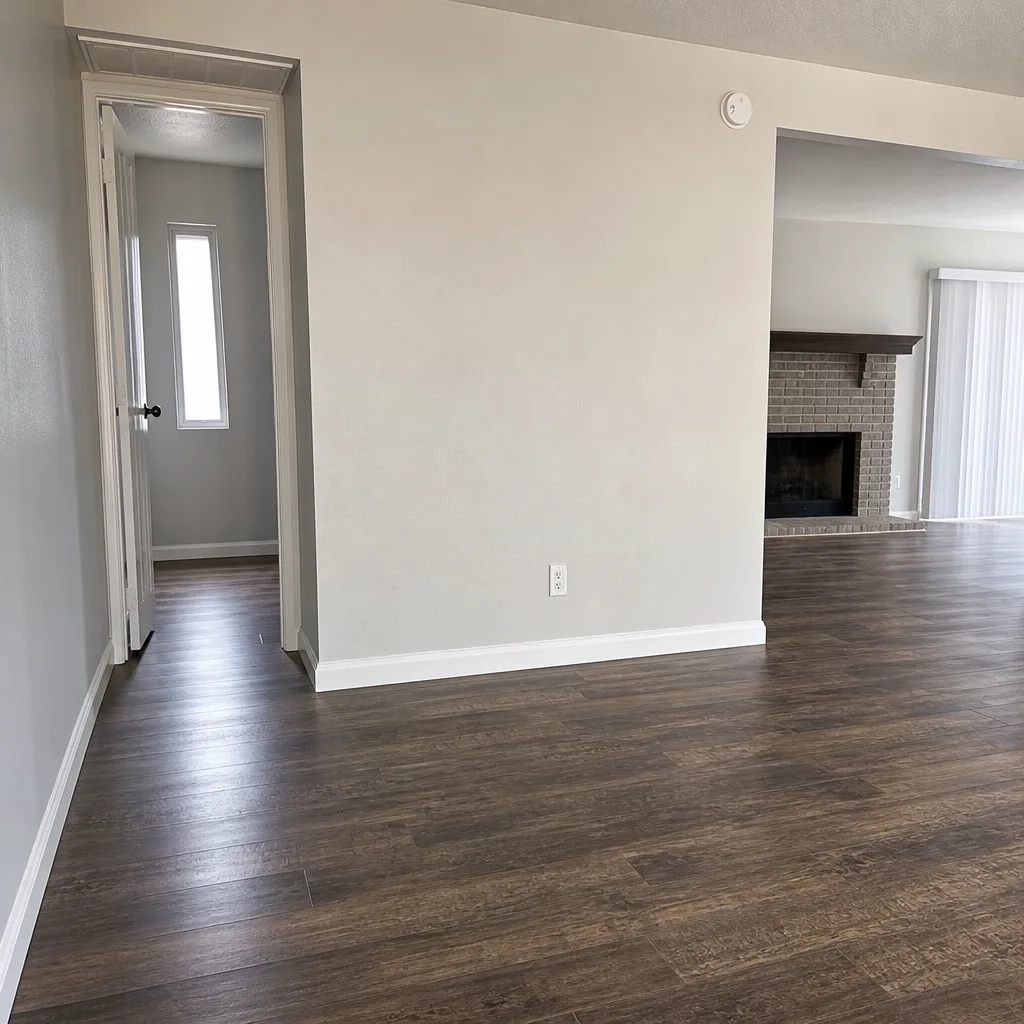 After
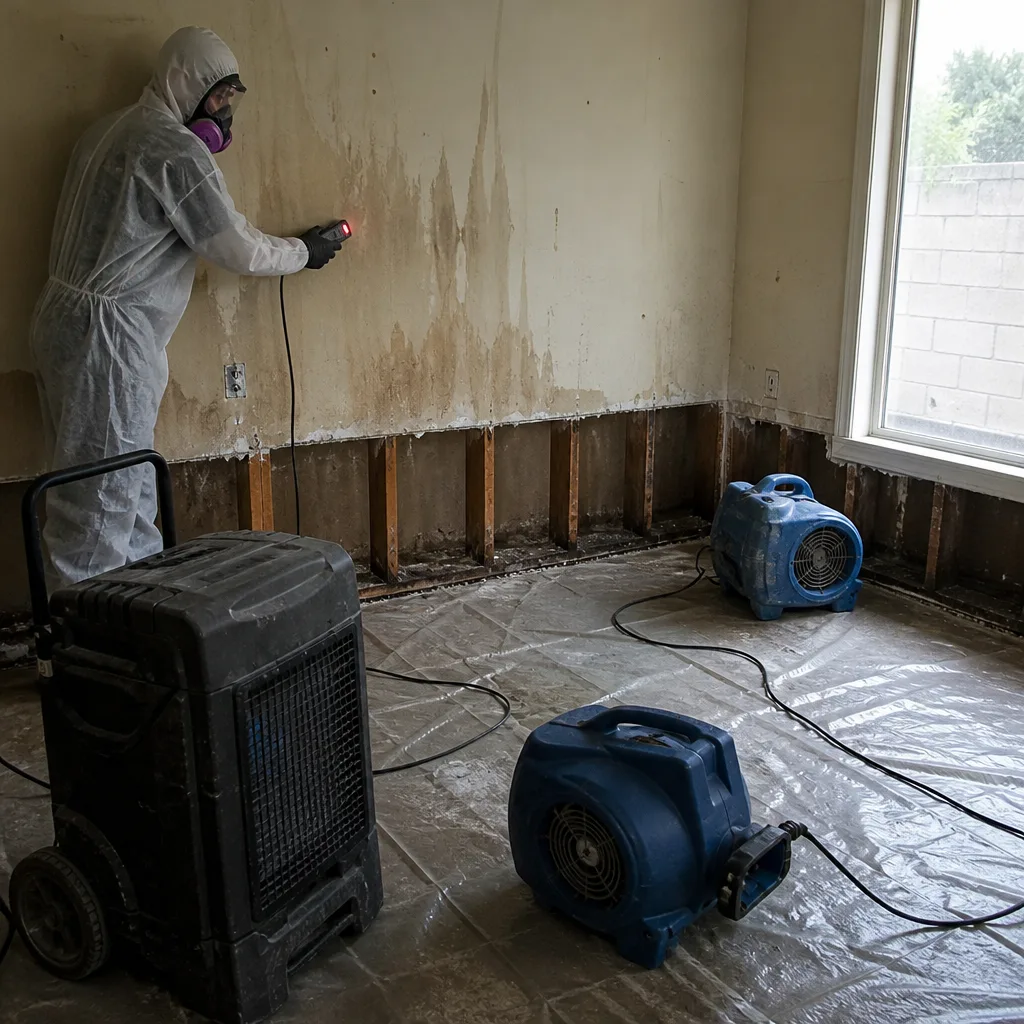 Before
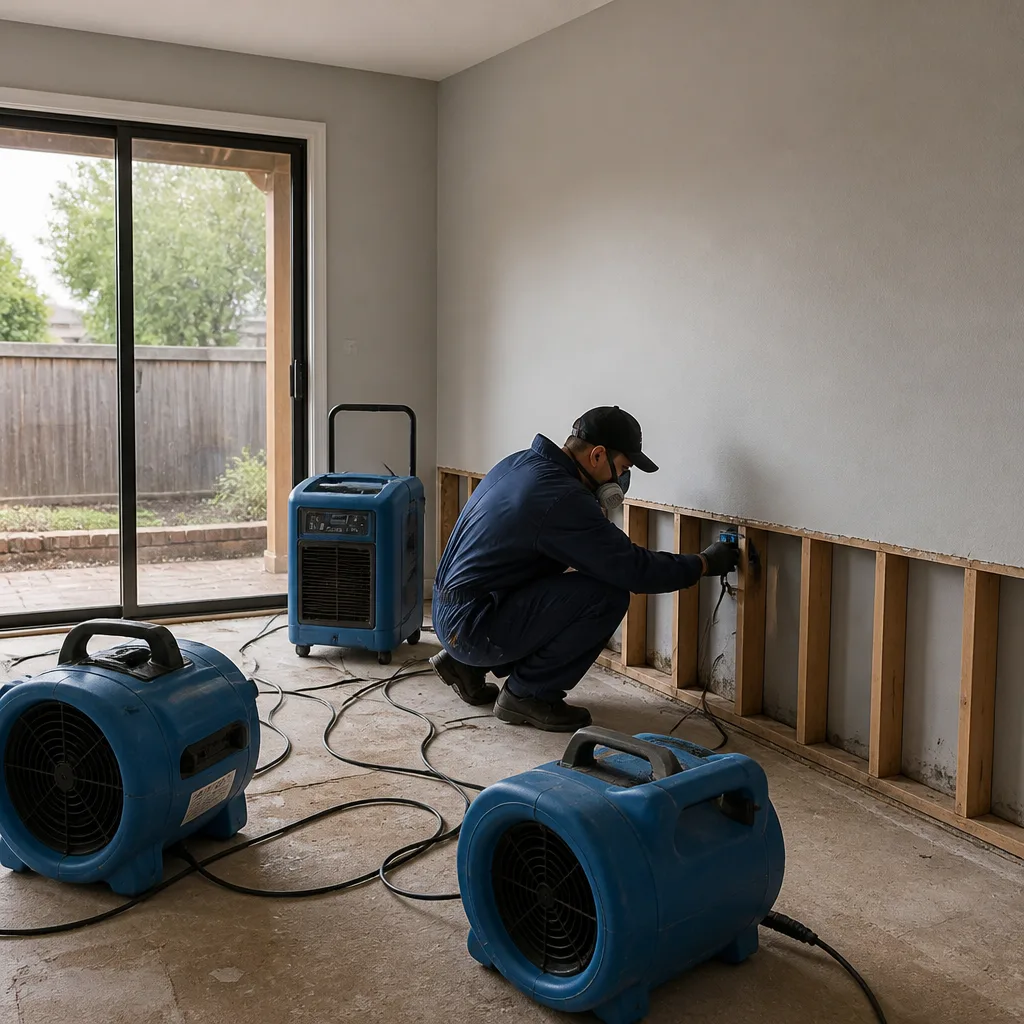 After
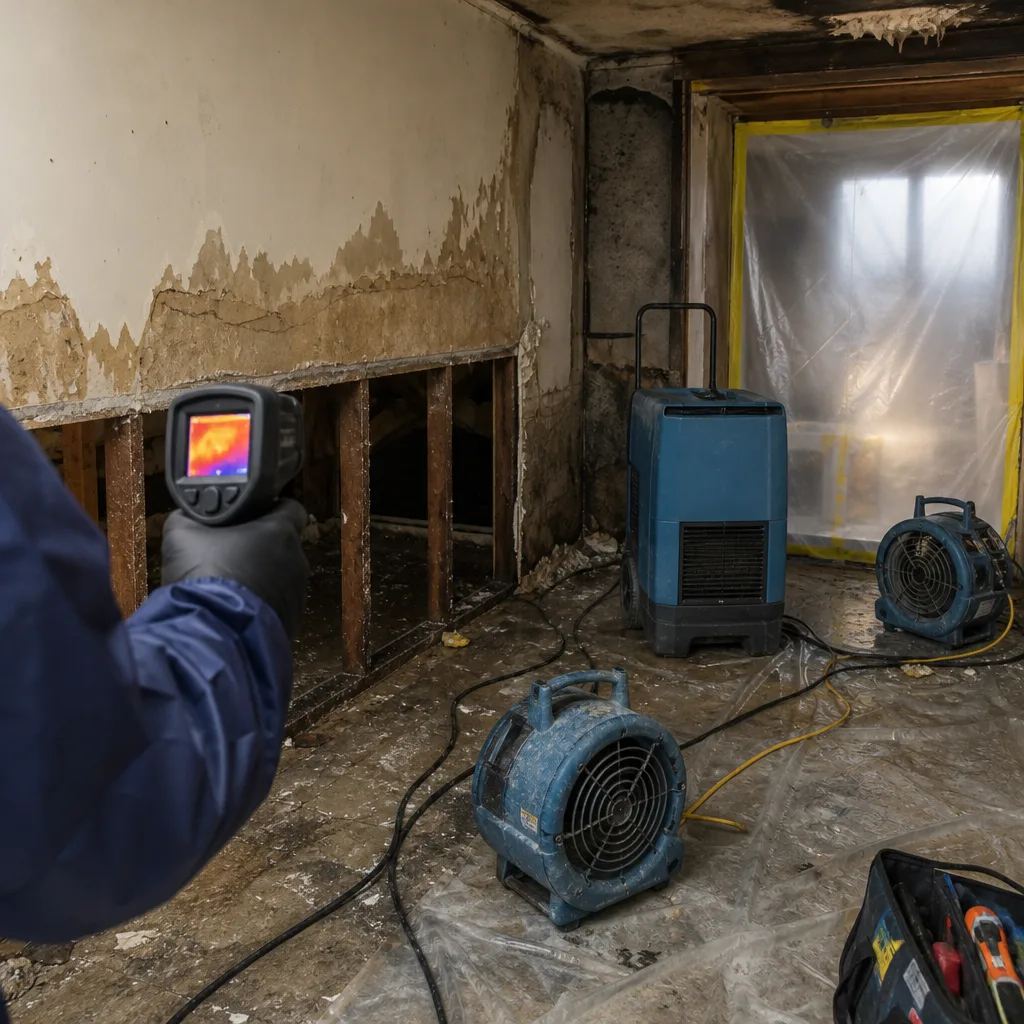 Before
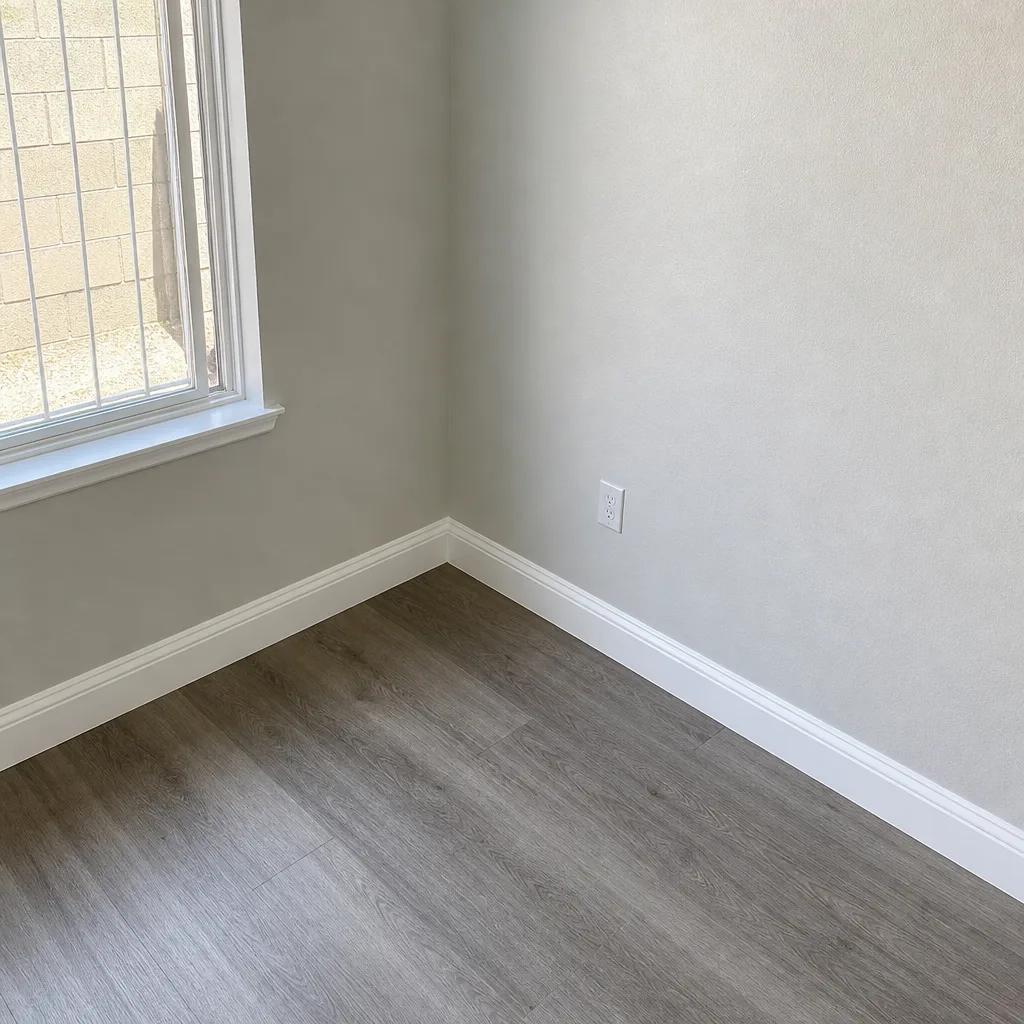 After
Pricing for Mold Remediation in Highland, CA
Here’s what homeowners in the 92346 ZIP code can expect to pay. A basic bathroom or closet remediation with containment runs $1,800 – $3,200. Hidden mold behind stucco that requires opening walls and treating framing runs $3,500 – $6,500. Full HVAC duct cleaning after mold spread adds $800 – $1,500. Attic mold treatment ranges $2,200 – $4,800 depending on square footage and whether insulation needs removal. Several factors move the needle: how far spores traveled, whether the attic or crawl space is involved, and whether structural framing needs treatment. We don’t price blindly. Noel Ibarra insists on moisture mapping before any quote so you know exactly what’s included and why. Estimates are free. Call (844) 716-1094 and we’ll schedule an inspection within one business day.
We Also Serve Cities Near Highland
Our team covers the East San Bernardino Valley, including Highland, San Bernardino, Muscoy, Redlands, and Loma Linda. For the full scope of our process, see our Mold Remediation service page. Same certified crews, same commercial-grade equipment, same measured approach from extraction to clearance.
Serving Highland, CA — Our Local Coverage Area
We’re based in the Highland area and know this community well. Use the map below to see our service coverage — if you’re nearby, we can almost certainly help.
FAQs About Mold Remediation in Highland
Stucco exteriors create a vapor barrier that traps moisture inside wall cavities after a leak. In Highland homes built in the 1950s through 1970s, original galvanized plumbing and single-pane windows contribute to condensation and slow leaks. This means mold often grows behind walls for weeks or months before showing on interior drywall. Remediation in these homes requires moisture mapping and sometimes Injectidry drying inside cavities rather than surface treatment alone. Call (844) 716-1094 for an inspection with thermal imaging.
Santa Ana winds are extremely dry, often dropping relative humidity below 10%. That dry air pulls moisture out of wall cavities, and as the moisture evaporates, it carries mold spores into your living space. Homeowners suddenly notice a musty smell that wasn’t there before. The wind also drives ash and debris into attic vents, adding organic material that mold can feed on. If you smell mold after a wind event, the colony predates the wind. Get it inspected before it spreads through the HVAC.
Yes. Some of the worst colonies we’ve found in Highland had no visible water staining. Slow leaks from original galvanized plumbing, condensation on uninsulated pipes, and water migrating behind stucco can keep a wall cavity damp for months. The first sign is usually smell, not staining. If your home has a persistent musty odor, especially after rain, we recommend a moisture inspection. It costs $350 – $700 and tells you definitively whether you have a problem.
We set up full containment, seal HVAC registers, and run HEPA air scrubbers to create negative air pressure. This means air flows into the work area, not out of it. Demolition happens inside the containment zone. Contaminated materials are bagged and removed through the nearest exterior door or window. We also turn off the HVAC system during the active work phase so spores don’t circulate through ductwork. This protocol follows IICRC standards and protects the rest of your home.
Category 1 is clean water from a supply line. Category 2 has some contamination, like washing machine overflow. Category 3 is grossly contaminated, like sewage or standing floodwater. The category matters because it determines how aggressively we treat the affected materials. A Category 1 leak from a copper pipe behind a Highland wall still requires drying and possibly mold treatment if it sat long enough. Category 3 water requires removal of porous materials and antimicrobial treatment on everything else. We document every category designation so your insurance adjuster can see the reasoning.
Get a Mold Inspection in Highland Today
If you smell something that shouldn’t be there, don’t wait. Mold colonies double in size every 24 to 48 hours under the right conditions. Call Flood Guard Water Damage at (844) 716-1094 and we’ll schedule a moisture mapping inspection at your Highland home. Estimates are free. We bring commercial-grade equipment, certified protocols, and a written scope before any work starts. One team from extraction to clearance. No handoffs, no gaps.
Written by Noel Ibarra, Owner at Flood Guard Water Damage, serving Highland and the East San Bernardino Valley.