
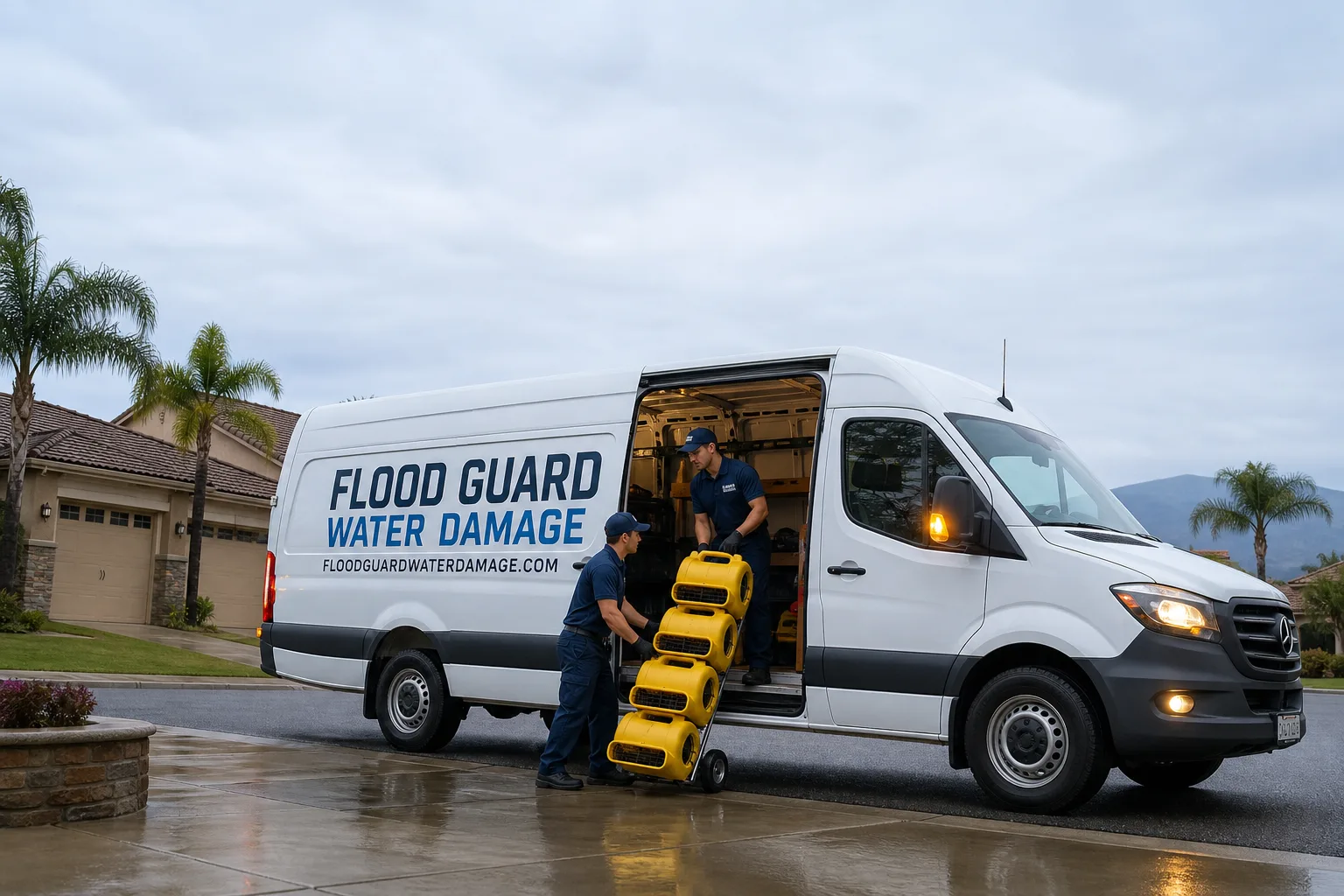
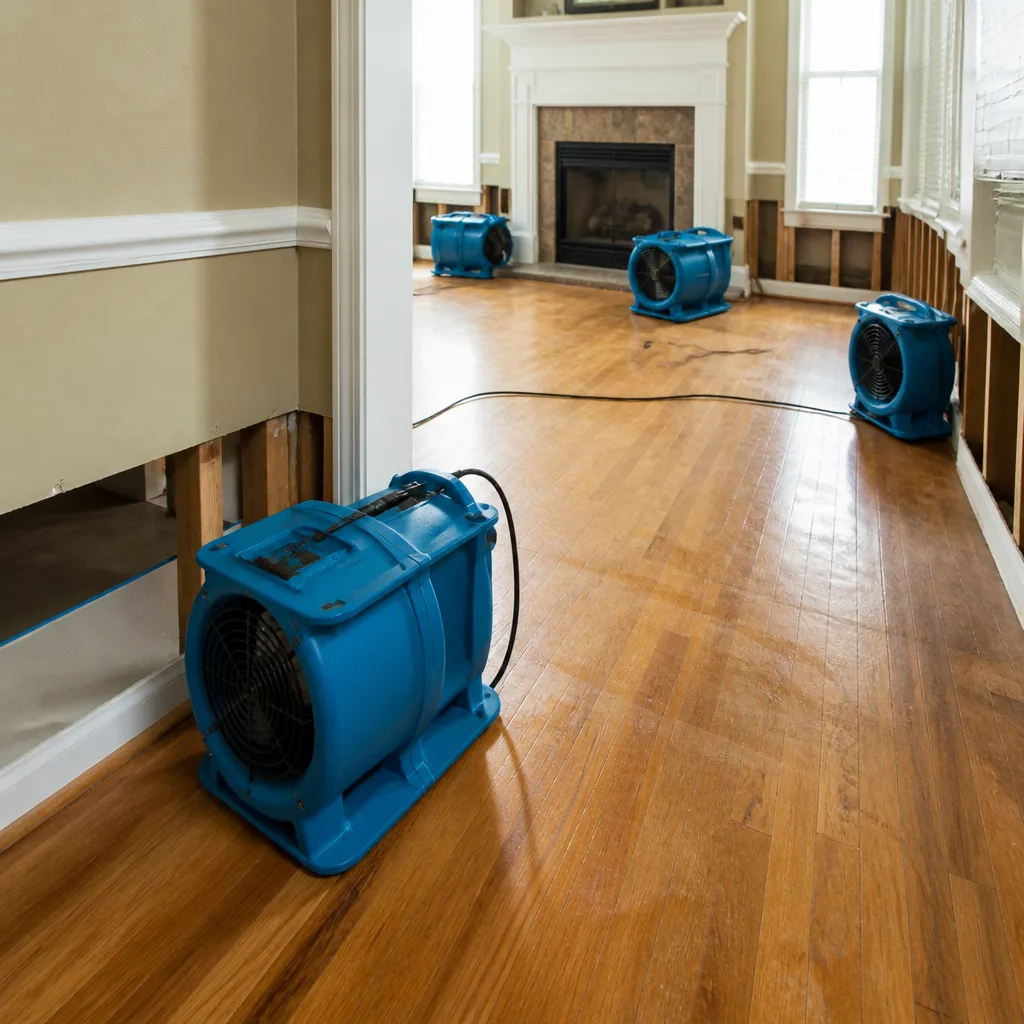
 Water damage drying
 Fire & smoke cleanup
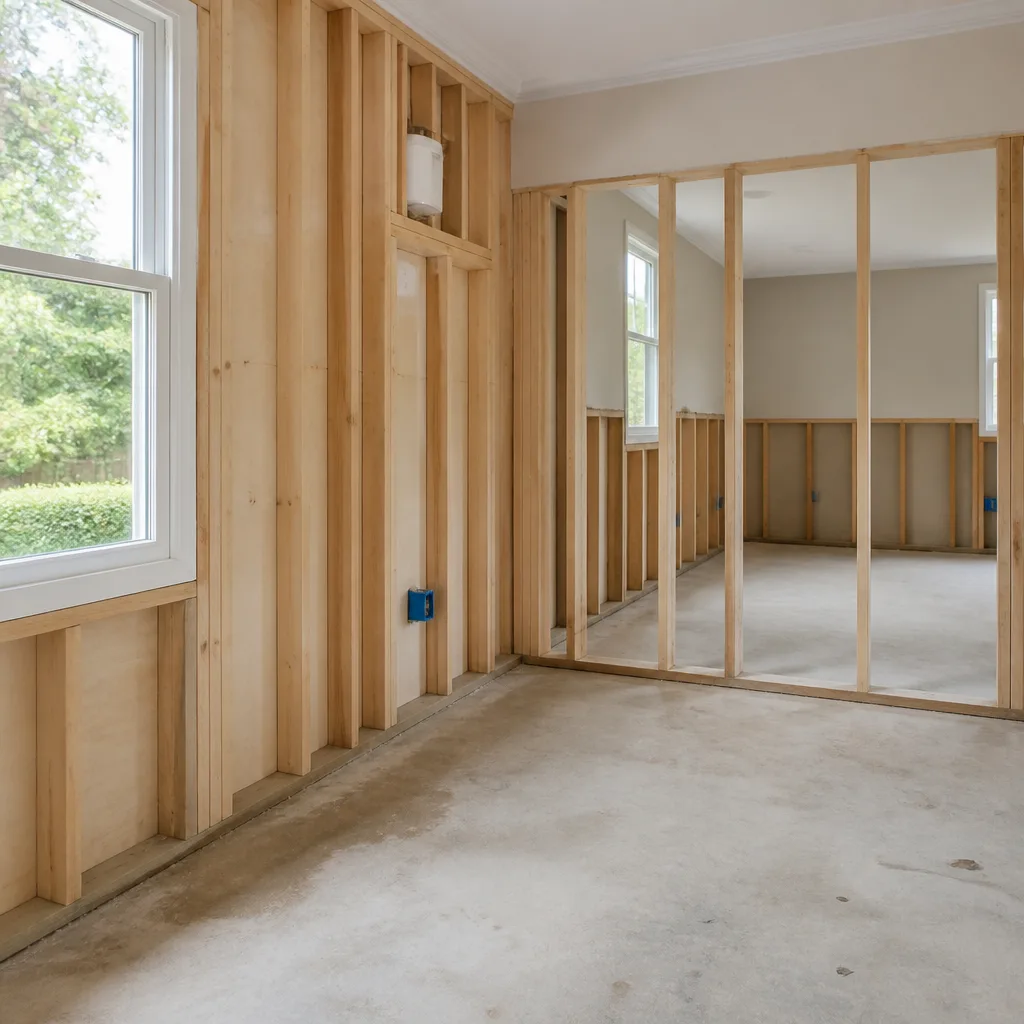 Mold remediation
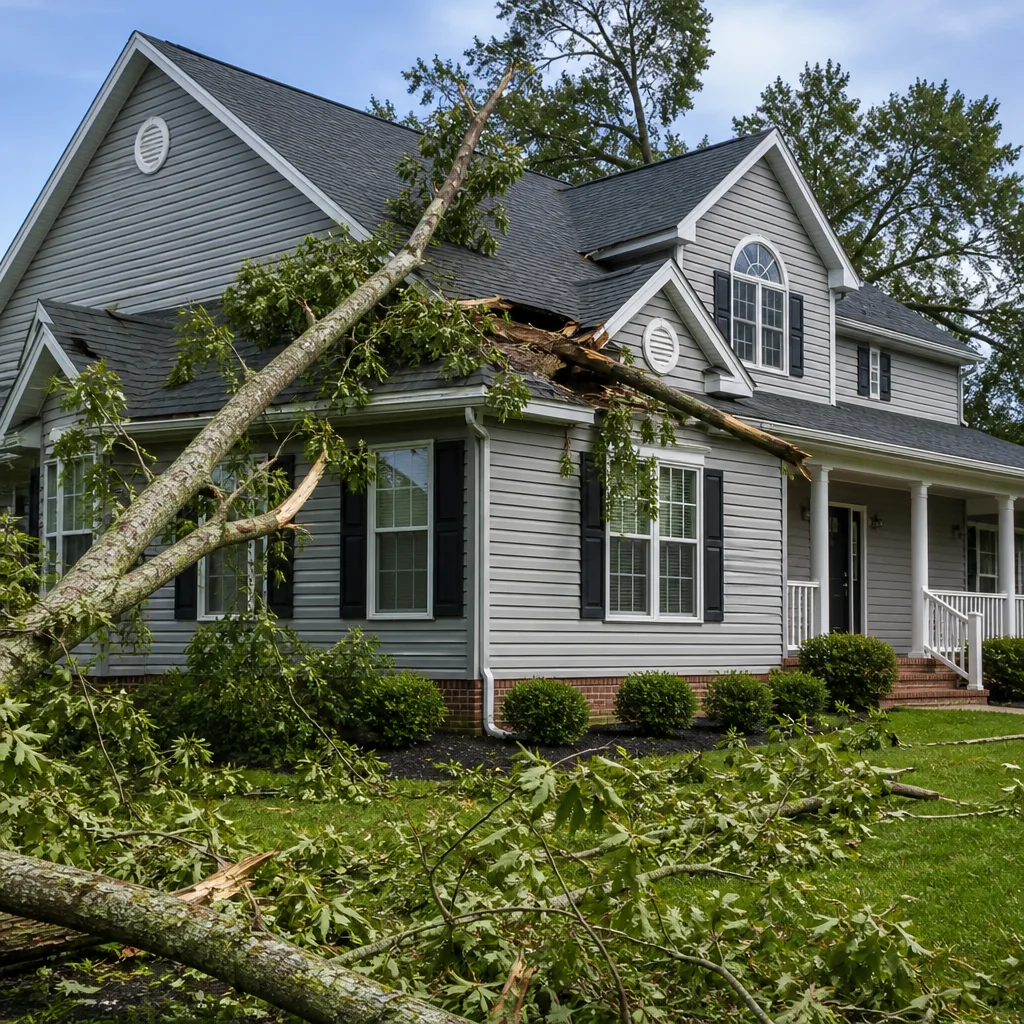 Storm response
 Sewage cleanup
 Reconstruction
Free visual inspection and a written scope of work before any mitigation begins - photos, moisture readings, and drying logs go in your claim file
The scope we write is the scope we bill. Anything new gets shown to you, in writing, before we touch it.
Get your free estimateFast, Reliable Mold Remediation Across Huntington Beach
Mold remediation in Huntington Beach typically costs $1,500 – $6,500 depending on square footage, containment requirements, and how far the growth has spread into framing or drywall. Most jobs we handle run $2,200 – $4,200 for a contained, HEPA-filtered removal with antimicrobial treatment and drying logs. If you’re seeing black staining on drywall, baseboards, or the garage ceiling near the coast, don’t wait. The marine layer doesn’t. Call (844) 716-1094 for a free assessment with moisture mapping, not guesswork.
We work throughout Huntington Beach zip codes 92615, 92646, 92647, and 92648, from the 1960s ranches west of Beach Blvd to the newer infill builds downtown. Our crews know this city’s salt-air failure patterns cold: fog-dampened garages, corroded fasteners, and crawlspaces that stay humid long after inland homes have dried out. That’s not something a generalist restoration company learns from a manual.
Why Flood Guard Water Damage Is Huntington Beach’s Preferred Mold Remediation Company
Most mold jobs in Huntington Beach fail because someone skipped moisture mapping. A contractor sprays antimicrobial on the visible growth, takes a check, and leaves the fog-dampened drywall and salt-corroded framing behind. We don’t work that way. Every Mold Remediation project starts with documented moisture readings across the affected area, including hidden cavities. IICRC-certified methodology means we follow a science-based drying and removal protocol, not a visual once-over.
Homeowners here call us because we carry commercial-grade gear from Dri-Eaz, Phoenix, B-Air, and Injectidry, the same brands used on large-loss commercial jobs. That matters in Huntington Beach because the marine layer keeps ambient humidity in the 70% – 80% RH range. Residential dehumidifiers and box fans don’t cut it in this climate. We size containment and drying equipment for cool, salt-laden air, which is not what equipment-spec sheets assume.
Noel Ibarra, owner at Flood Guard Water Damage, has built the company around a simple rule: measure first, treat second, document everything. That’s why we list moisture readings in our drying logs and make them available to you, your insurer, and your adjuster. When a mold claim crosses an insurance desk, documentation is what separates an easy approval from a weeks-long dispute.
Our team maintains active standing with the Restoration Industry Association (RIA), and we follow IICRC-certified protocols on every job. We’re not a franchise sending a different crew every time. Same team, same standards, same accountability from the first moisture reading to clearance.
Restoration work we handle
Mold Removal Specialist in Huntington Beach
A Mold Removal Specialist in Huntington Beach handles what general cleaning companies can’t: contained removal of mold that has colonized porous building materials like drywall, baseboards, insulation, and framing. In this city, that work usually starts in a garage or crawlspace where the marine layer has kept humidity high enough to support growth for weeks, even without a leak. Noel Ibarra’s crews follow IICRC-certified removal protocols: negative air containment, HEPA filtration, antimicrobial treatment, and moisture verification before anything gets closed up.
Most mold removal jobs in Huntington Beach run $1,800 – $4,500. The range depends on how many square feet of drywall has to come out, whether the contamination reached framing, and whether we need containment in multiple rooms. A single fog-dampened garage wall might cost $1,500 – $2,200. A crawlspace with widespread growth and subfloor involvement can push past $5,000 when structural drying is required. Estimates are free, and they include moisture readings, not just a ballpark.
Containment and HEPA air filtration
We don’t open up moldy framing without sealing the work area. Negative air pressure keeps spores from drifting into the rest of the house while we remove contaminated drywall, treat surfaces, and run air scrubbers. In Huntington Beach homes with children, elderly residents, or anyone with respiratory concerns, that containment step isn’t optional.
Moisture mapping before any demolition
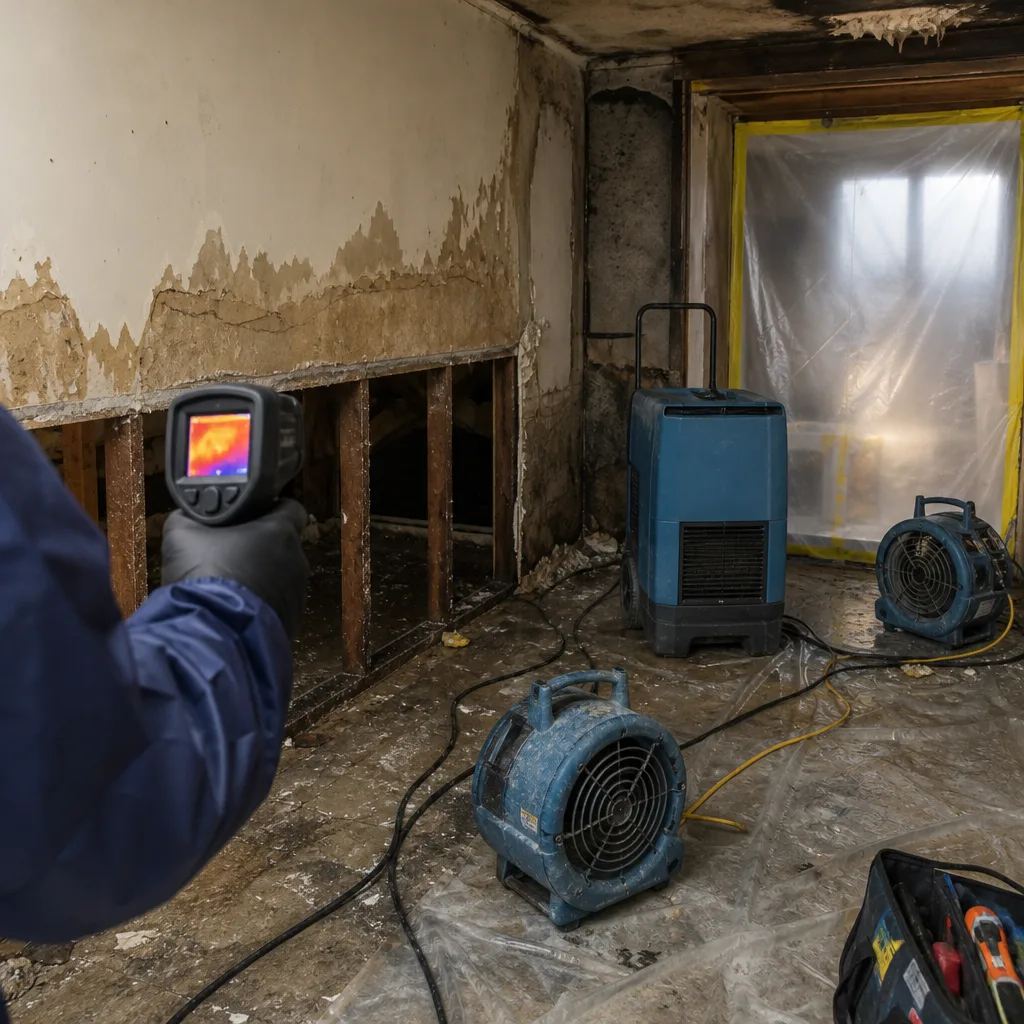
Salt air hides moisture. A garage wall can look dry while the cavity is holding 80% RH. We map every affected surface with penetrating moisture meters before we cut anything. That’s how we find growth hidden behind salt-worn drywall that only shows up after the June-gloom lifts.
Black Mold Removal in Huntington Beach
Black Mold Removal in Huntington Beach refers to the contained removal of Stachybotrys and other dark-pigmented molds most often found on chronically damp cellulose: drywall paper, cardboard boxes, stored fabric, and the paper backing on insulation. The salt-fog cycle near the coast creates ideal conditions for this. On a 1962 ranch home near Beach Blvd and Ellis Ave in ZIP 92646, our crew found black mold blooming on the garage ceiling drywall and bottom plate after a June-gloom cycle kept the space at 78% RH for weeks. No leak. Just salt air and fog.
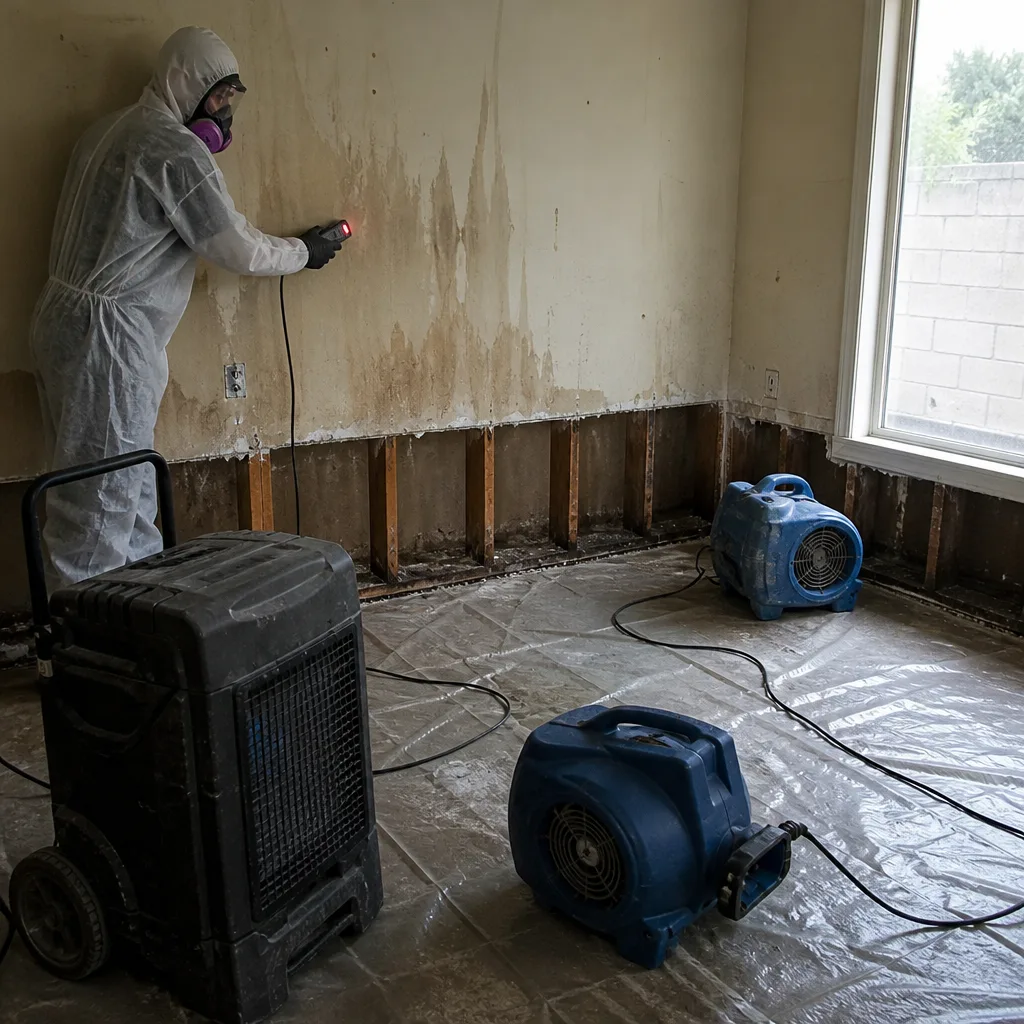
We set containment, HEPA-filtered, applied antimicrobial treatment, and ran Phoenix dehumidifiers with drying logs showing moisture readings dropping from 22% to 11% MC in three days. That’s the difference between treating mold and actually removing it.
When it’s more than surface staining
Black mold that appears as a thin dusting can often be cleaned with antimicrobial and HEPA vacuuming. But when the staining has soaked into drywall or spread behind baseboards, removal is the only real option. We’ll tell you which situation you have, and we’ll show you the moisture readings to back it up.
Post-removal verification
After removal and drying, we re-test moisture levels and visually inspect the treated area before we remove containment. You get documentation showing what was found, what was removed, and what the moisture readings were at the end. That’s what a thorough Black Mold Removal job in Huntington Beach should include.
Trusted Brands We Service in Huntington Beach
We don’t bring consumer-grade equipment to a Huntington Beach mold job. Our crews run Dri-Eaz and Phoenix dehumidifiers, B-Air air movers, and XPOWER air scrubbers. The Injectidry system lets us pull moisture from inside walls and cavities without ripping out drywall when the structure allows it. That matters here because so many Huntington Beach homes have original framing from the 1950s and 60s that is worth preserving. We keep our equipment maintained and calibrated, and we stock replacement filters, HEPA media, and containment materials so we’re not waiting on a supplier when a job in 92647 or 92648 needs to start the same day.
See the difference
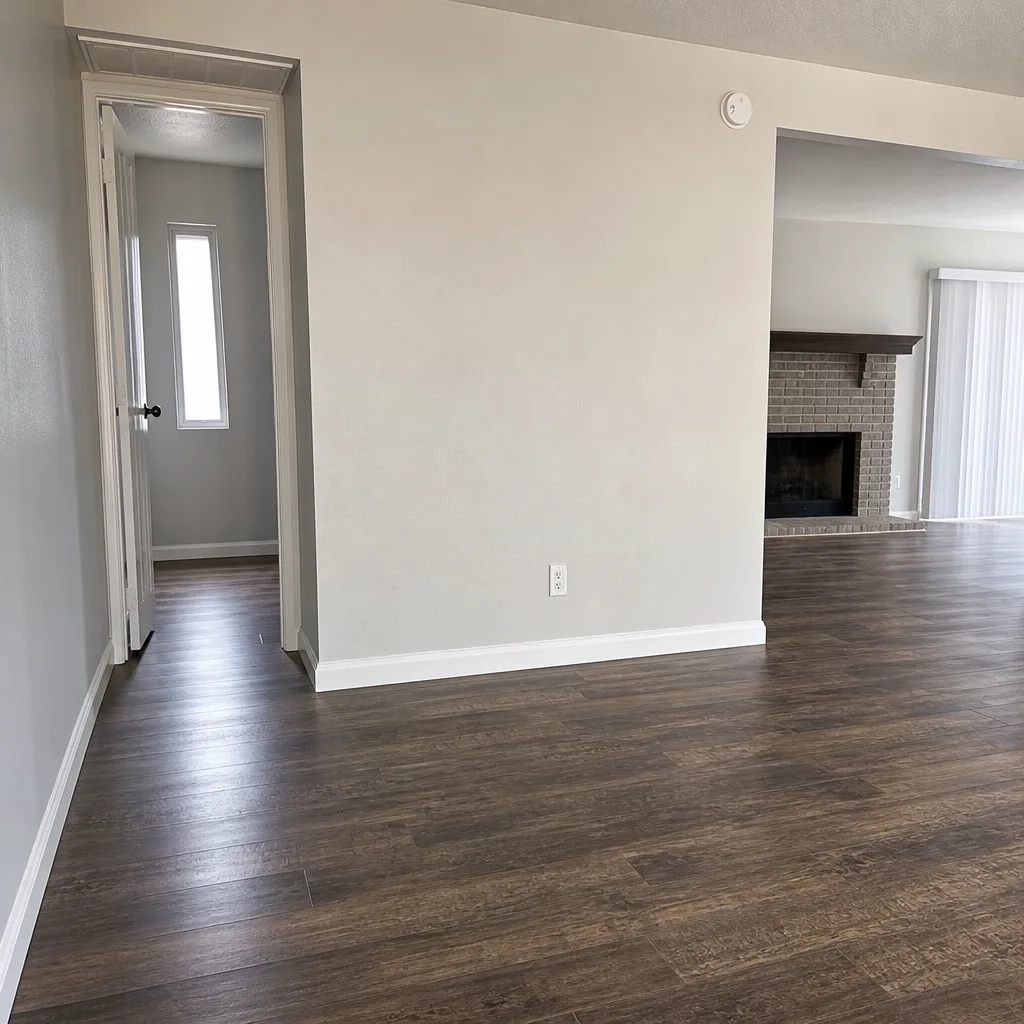
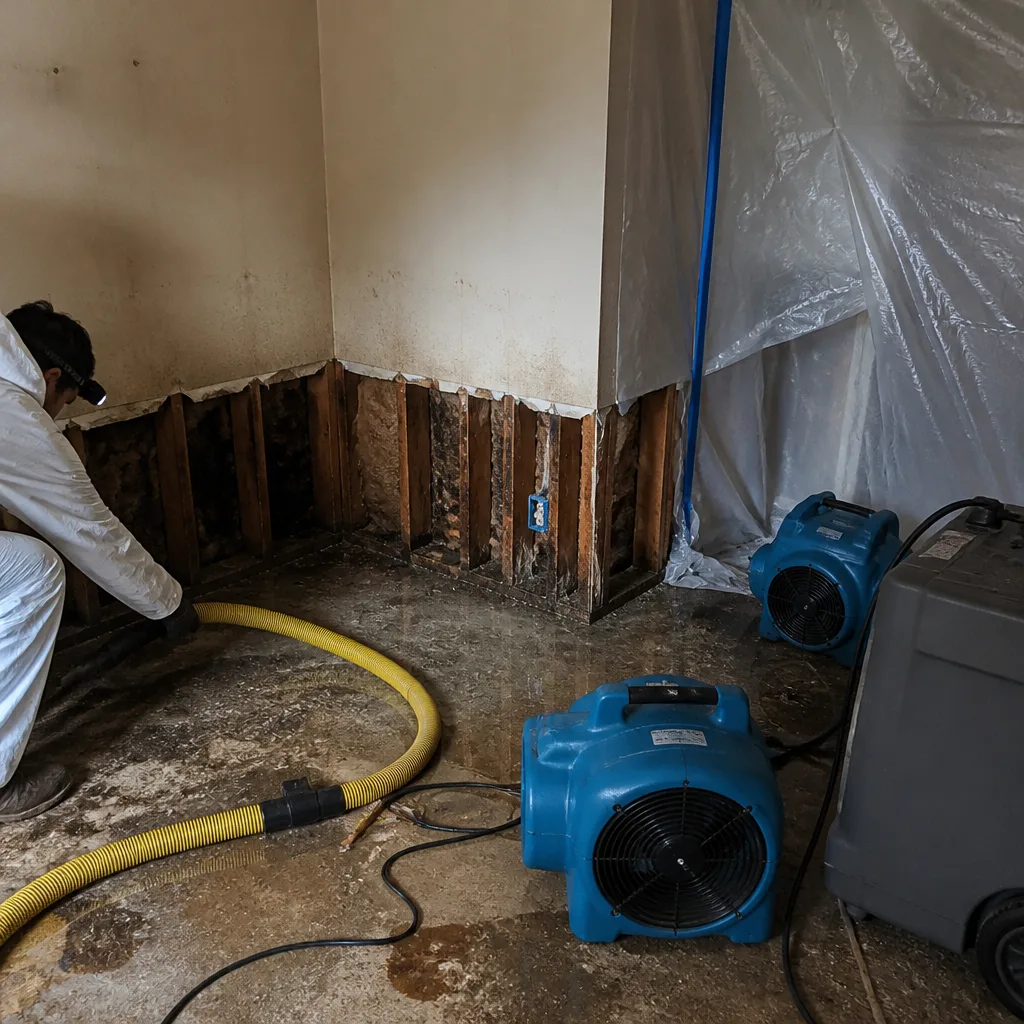 Before
 After
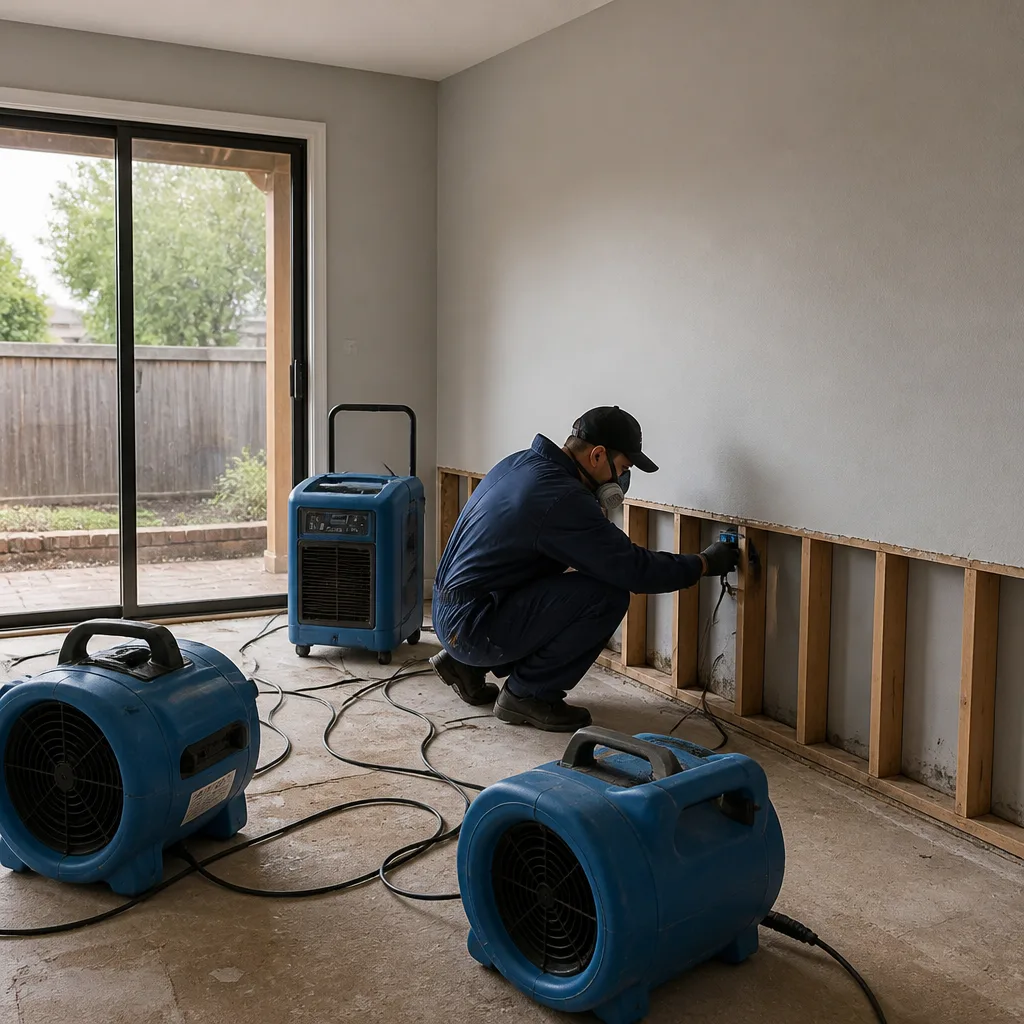
 Before
 After
 Before
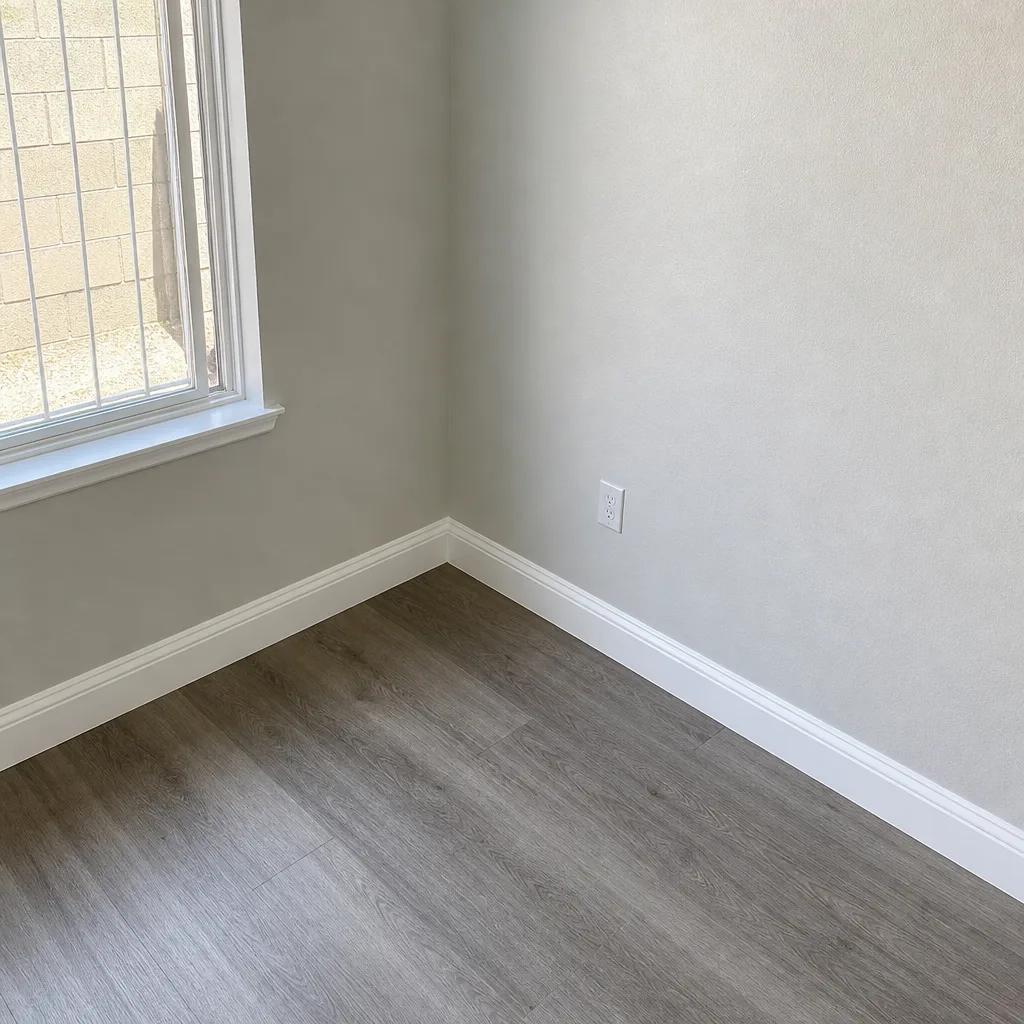 After
Common Mold Remediation Problems We See in Huntington Beach Homes
- Fog-dampened garages with no leak. The marine layer pushes humidity into garage drywall, cardboard, and stored fabric, and mold grows without any plumbing failure. We find this constantly in the cottages and single-story stucco homes west of Beach Blvd.
- Salt-corroded fasteners and hardware. Rusted hinges, utility brackets, and exposed metal framing near the coast hold moisture against drywall and wood, feeding mold from the back side. If the fastener is corroded, the material around it is usually damp.
- Crawlspaces that never dry out. Homes in 92646 and 92648 often have crawlspaces that stay above 70% RH from March through November because the fog cycle keeps the soil and air saturated. We size dehumidification for cool, humid air, not summer heat.
- Contractor shortcuts on moisture mapping. Some crews spray and walk away. The mold comes back. Moisture mapping with penetrating meters is the difference between treating the symptom and fixing the condition.
Pricing for Mold Remediation in Huntington Beach, CA
A contained, single-room mold removal in Huntington Beach typically runs $1,800 – $3,500. Garage and crawlspace jobs usually land between $2,200 and $5,500 when you factor in structural drying and any framing treatment. Large-scale whole-home remediation with multiple containment zones can exceed $6,500, and that’s before any reconstruction if the mold has destroyed drywall or insulation. What moves the number: square footage, whether the growth is on drywall alone or has reached framing, how many rooms need containment, and how long the structure has been wet. We give you a written scope before any work starts. Call (844) 716-1094 for a free estimate with moisture mapping.
We Also Serve Cities Near Huntington Beach
Our crews handle mold jobs throughout the coastal and inland edges of Orange County. That includes Mold Remediation in Huntington Beach, plus nearby Midway City, Fountain Valley, Westminster, and Costa Mesa. Wherever the salt air and fog reach, we’re the team that shows up with the right equipment and the right protocol.
Serving Huntington Beach, CA — Our Local Coverage Area
We’re based in the Huntington Beach area and know this community well. Use the map below to see our service coverage — if you’re nearby, we can almost certainly help.
FAQs About Mold Remediation in Huntington Beach
The marine layer keeps garage humidity at 70% – 80% RH for months at a time, and that’s enough for mold to grow on drywall, cardboard, and stored fabric within 24 – 48 hours of a fog intrusion. Coastal fog carries salt-laden moisture into every gap and seam, even during drought years. Inland Orange County doesn’t see this pattern because their humidity drops too fast to sustain growth. So no leak doesn’t mean no moisture problem. Call (844) 716-1094 if you see staining on garage drywall and want us to map the moisture.
Salt air corrodes fasteners, flashing, and exposed metal framing, and that corrosion holds moisture against wood and drywall from the back side. So in a 1950s or 60s ranch home, the mold is often growing around rusted hardware, not around a plumbing leak. Remediation has to address both: remove the mold, and replace or treat the corroded fasteners that keep reintroducing moisture through failed seals. Skipping the hardware is why mold comes back.
Black mold removal is a focused category for dark-pigmented molds like Stachybotrys that grow on chronically wet cellulose. General mold removal can cover common household molds on tile, grout, or surface dust. In Huntington Beach, both usually involve containment, HEPA filtration, antimicrobial treatment, and moisture verification. The difference is mostly how aggressive the removal has to be, since black mold on drywall typically means that drywall has to come out.
Often, yes. We use Injectidry technology to pull moisture from inside cavities and structural materials without opening the floor, as long as the framing is sound and the moisture readings justify it. In Huntington Beach crawlspaces that stay humid from the marine layer, we may also install sealed dehumidification sized for cool, salt-laden air. That’s what actually brings a crawlspace below 60% RH and keeps mold from regrowing. If subfloor is badly damaged, removal may still be necessary. We’ll show you the readings first.
You control the moisture, and you document everything. In Huntington Beach, that means sealing the containment space, sizing dehumidification for coastal humidity, treating any salt-corroded fasteners that hold moisture, and verifying the final moisture readings before we close anything up. We log every reading. If the structure drops below 12% MC and the ventilation or vapor barrier is addressed, regrowth is unlikely. Call (844) 716-1094 for a free assessment, and we’ll walk you through what your specific home needs.
Written by Noel Ibarra, Owner at Flood Guard Water Damage, serving Huntington Beach with IICRC-certified mold remediation and moisture mapping.