

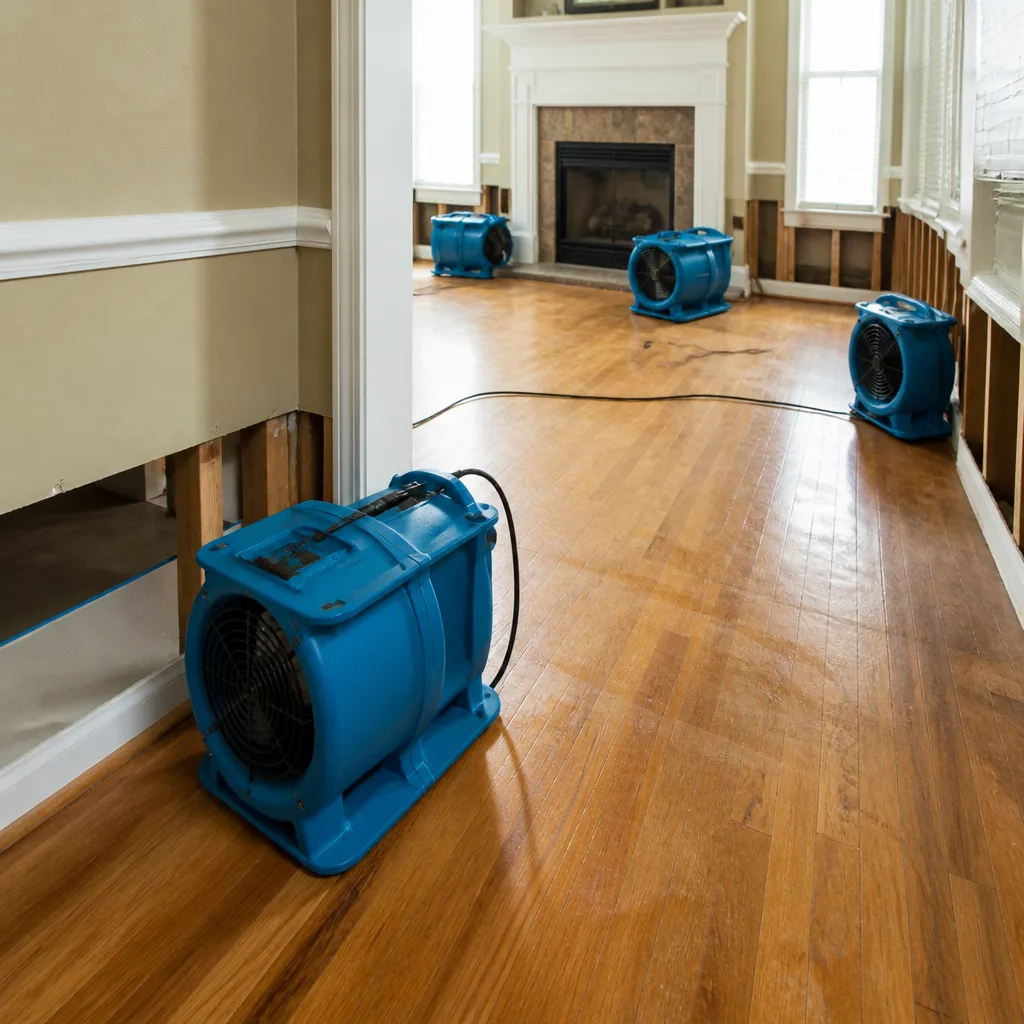
 Water damage drying
 Fire & smoke cleanup
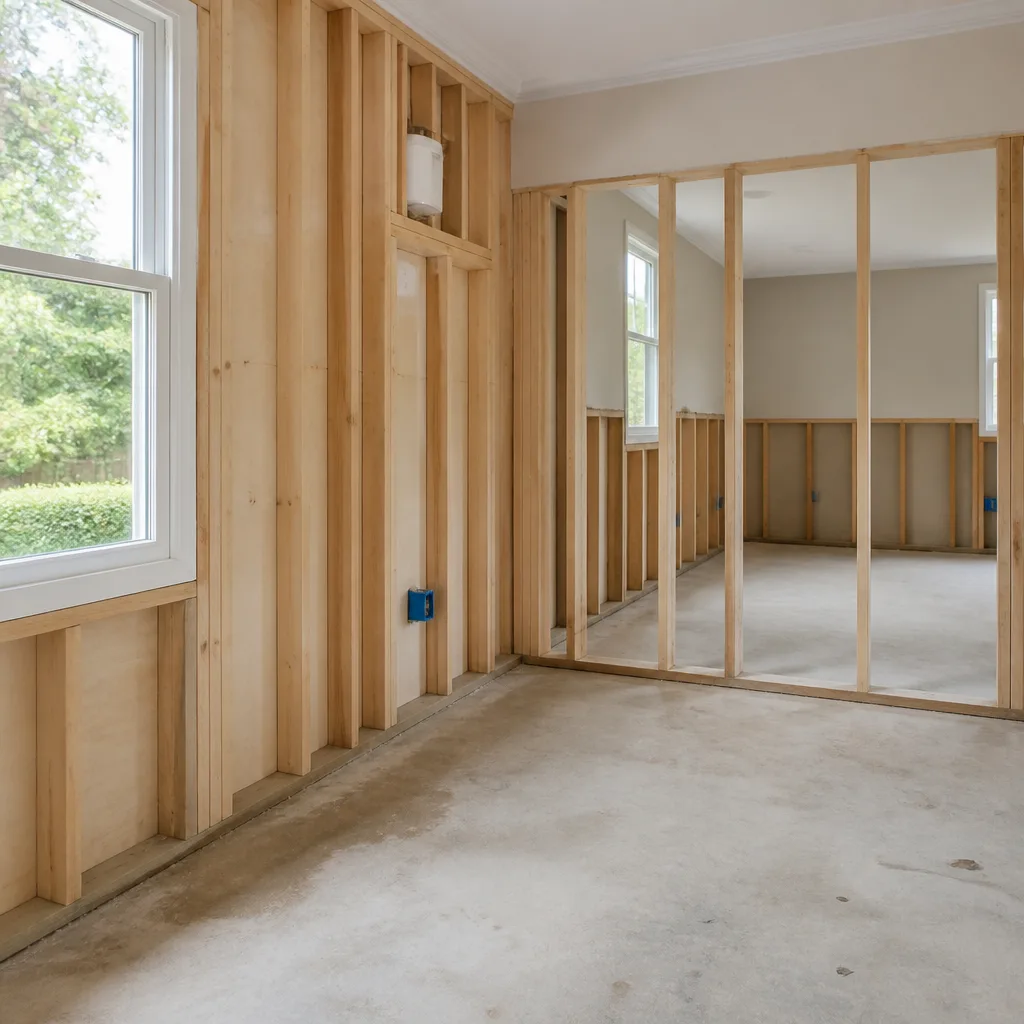 Mold remediation
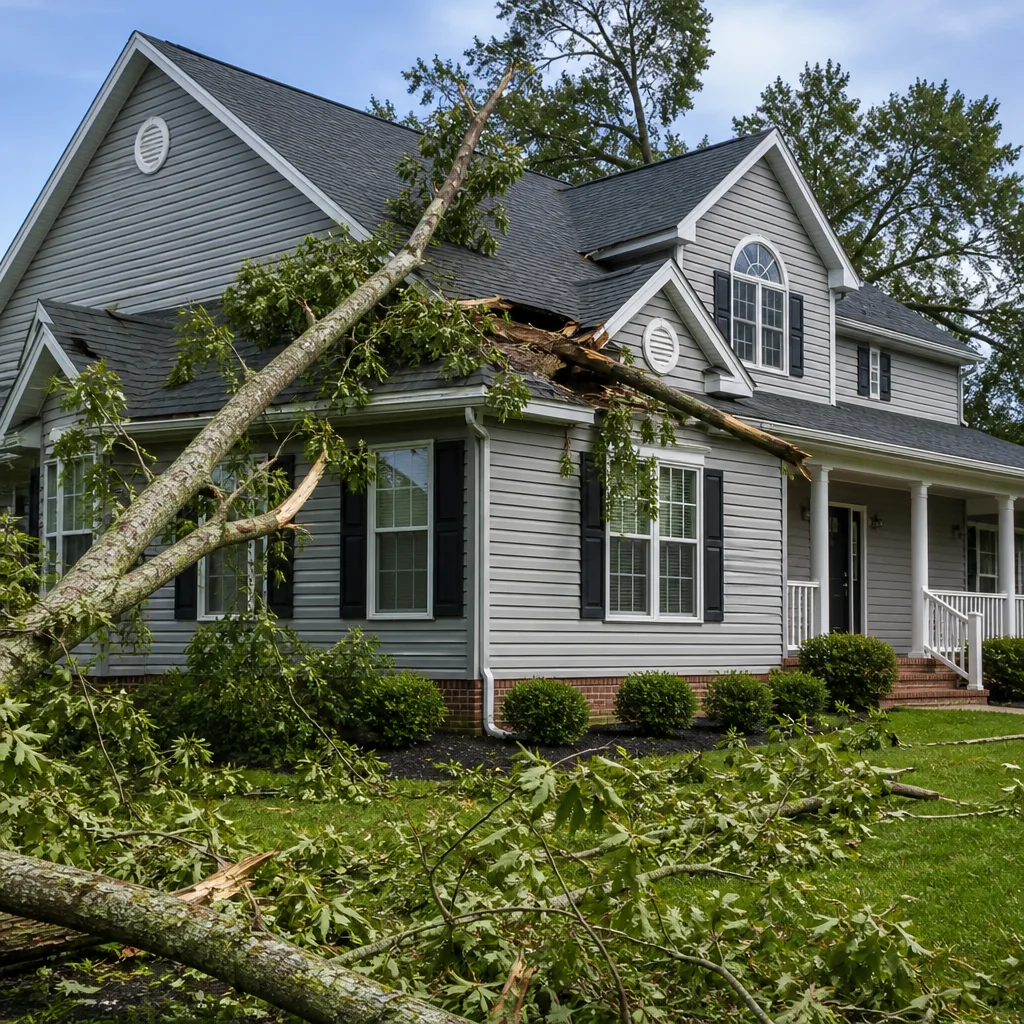 Storm response
 Sewage cleanup
 Reconstruction
Free visual inspection and a written scope of work before any mitigation begins - photos, moisture readings, and drying logs go in your claim file
The scope we write is the scope we bill. Anything new gets shown to you, in writing, before we touch it.
Get your free estimateFast, Reliable Mold Remediation Across Lake Forest
Mold remediation in Lake Forest typically runs $1,800 – $6,500 depending on square footage, containment complexity, and whether the moisture source is a hidden slab leak or a shared-wall issue in a townhome. Most jobs in the 92630 ZIP code are fully scoped and underway within 24 to 48 hours of the first call. If you can smell it but can’t see it, that’s the kind of job we’re built for: IICRC-certified protocols, commercial-grade drying equipment, and the patience to find the actual source before opening anything we don’t have to. Call (844) 716-1094 for a free inspection and written scope.
Why Flood Guard Water Damage Is Lake Forest’s Preferred Mold Remediation Company
Lake Forest is not a coastal humidity story. The semi-arid climate means mold here usually does not blow in through open windows or crawl out of a damp basement. It starts behind a wall, under a slab, or inside a shared townhome cavity, fed by a plumbing failure that has been quietly wicking for weeks or months. That is exactly the failure mode our team is trained to find first.
Noel Ibarra runs our mold and water restoration crews with a simple standard: we measure before we cut. Every Lake Forest job starts with moisture mapping across the affected area, including slab-edge readings on ground-floor rooms and along common walls in attached units. We document pre-existing conditions with photos before work begins, run drying logs during the job, and deliver a clearance summary when it’s done. That process is why homeowners and property managers in Foothill Ranch, Portola Hills, Mission Viejo, and Laguna Woods call us when a generalist already failed to solve the problem.
Being anchored in the Saddleback Valley matters. We know what the 1970s through 1990s tract stock in Lake Forest looks like behind the drywall: original fixtures, wood framing on slab, copper or polybutylene-era supply lines, and HOA rules that govern attached walls. A crew from outside the area often misses the shared-wall component until the association red-tags the job. We plan for it before the first piece of equipment comes off the truck.
Restoration work we handle
Mold Inspection in Lake Forest
A Mold Inspection in Lake Forest starts with finding the moisture source, not just the mold you can see. In the 92630 core, that means running moisture mapping on slab edges, behind baseboards on ground-floor walls, and inside shared townhome cavities where a slow copper pinhole can feed hidden growth for weeks before a musty smell shows up in a closet. We inspect the building envelope, the plumbing runs, and the HVAC condensate path to find every entry point, then document the scope with photos and measurements.
Inspection and testing in Lake Forest typically runs $350 – $800 depending on the number of rooms sampled, the number of air samples drawn, and whether lab analysis is required. A standalone visual inspection with moisture mapping falls at the lower end. Full air quality screening with third-party lab results and a written remediation protocol lands at the higher end.
What We Check in Builder-Era Tract Homes
Lake Forest’s original subdivisions share builder-era materials. If we find a corroded copper fitting on one supply line, we check for the same fitting in the adjoining walls and slab penetrations. Hidden mold in these homes rarely starts at the visible surface. It starts where the plumbing passed through the slab or the wall plate, and it travels behind drywall until a contractor finally opens the right section.
When Your HOA Needs a Written Finding
Attached townhomes in Lake Forest fall under HOA-governed common-wall rules. If your smell points toward a shared wall, the association often requires a written inspection finding before any demolition begins. We generate that documentation on the same day, including moisture readings and photo evidence, so the approval clock starts before containment goes up.
Mold Removal Specialist in Lake Forest
Calling a Mold Removal Specialist in Lake Forest means hiring someone who treats hidden moisture as the first job, and visible mold as the second. We dry the structure, not just the surface. On a typical 92630 townhome or single-family detached home, removal work includes HEPA-filtered containment, antimicrobial treatment of the affected cavity, structural drying with professional-grade air movers and dehumidifiers, and a final clearance check with new moisture readings.
Mold Removal in Lake Forest typically runs $1,800 – $5,500 for a single contained area like a shared wall, closet, or bathroom cavity. Whole-room pack-outs with material removal and rebuild planning fall in the upper range. The biggest cost driver in this city is not square footage. It is whether the moisture source sits behind a slab edge or a common wall, because that controls how much drywall has to come down to reach it.
Containment and Drying on Common Walls
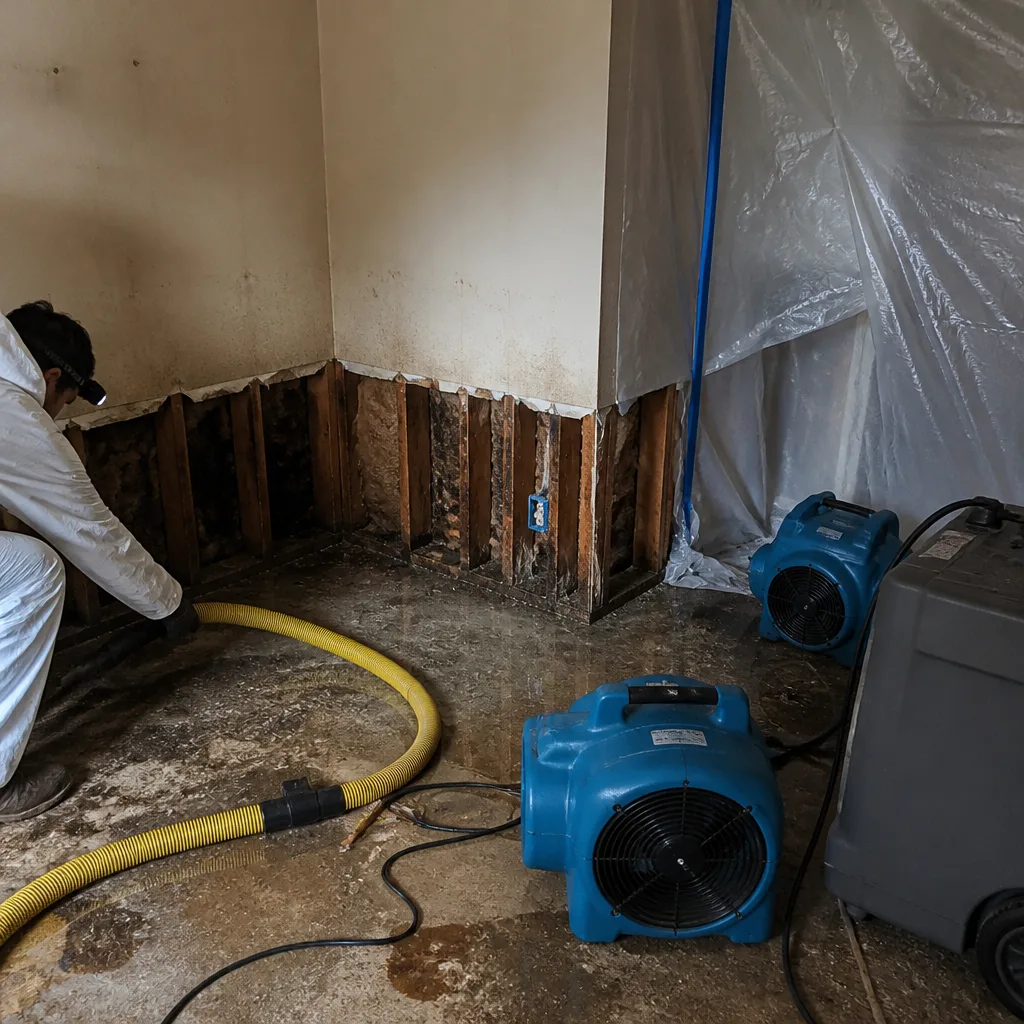
We run full containment when we open a shared wall, because mold spores do not respect property lines. Our techs use HEPA air scrubbers and negative air pressure inside the containment zone, keeping the rest of the unit and the neighbor’s side from taking on cross-contamination. Drying logs run the entire time so the job ends with measurements, not a guess.
Injectidry Cavity Drying Without Demolition
When mold reaches an area we can dry without opening the whole cavity, we use our Injectidry system to pull moisture from inside wall and floor assemblies. This technology means we open walls when necessary, not by default. On Lake Forest tract homes where the wall cavity matches a known builder’s layout, that often reduces the demolition footprint and keeps the rebuild smaller.
Trusted Brands We Service in Lake Forest
Our Lake Forest mold remediation and drying teams run equipment that matches what large-loss commercial restoration crews use: Dri-Eaz dehumidifiers, XPOWER air movers, Phoenix desiccants, and B-Air scrubbers. The advantage for a homeowner in 92630 is not just getting faster drying. It is getting the same mechanical documentation a commercial adjuster expects: logged temperature, relative humidity, and grain-dewpoint readings across the full drying period. We stock consumables and common fittings for the older copper and polybutylene-era plumbing we routinely encounter in Lake Forest’s original tracts, which keeps a supply-line small break from extending the job timeline while the tech waits on parts from a warehouse.
See the difference
 Before
 After
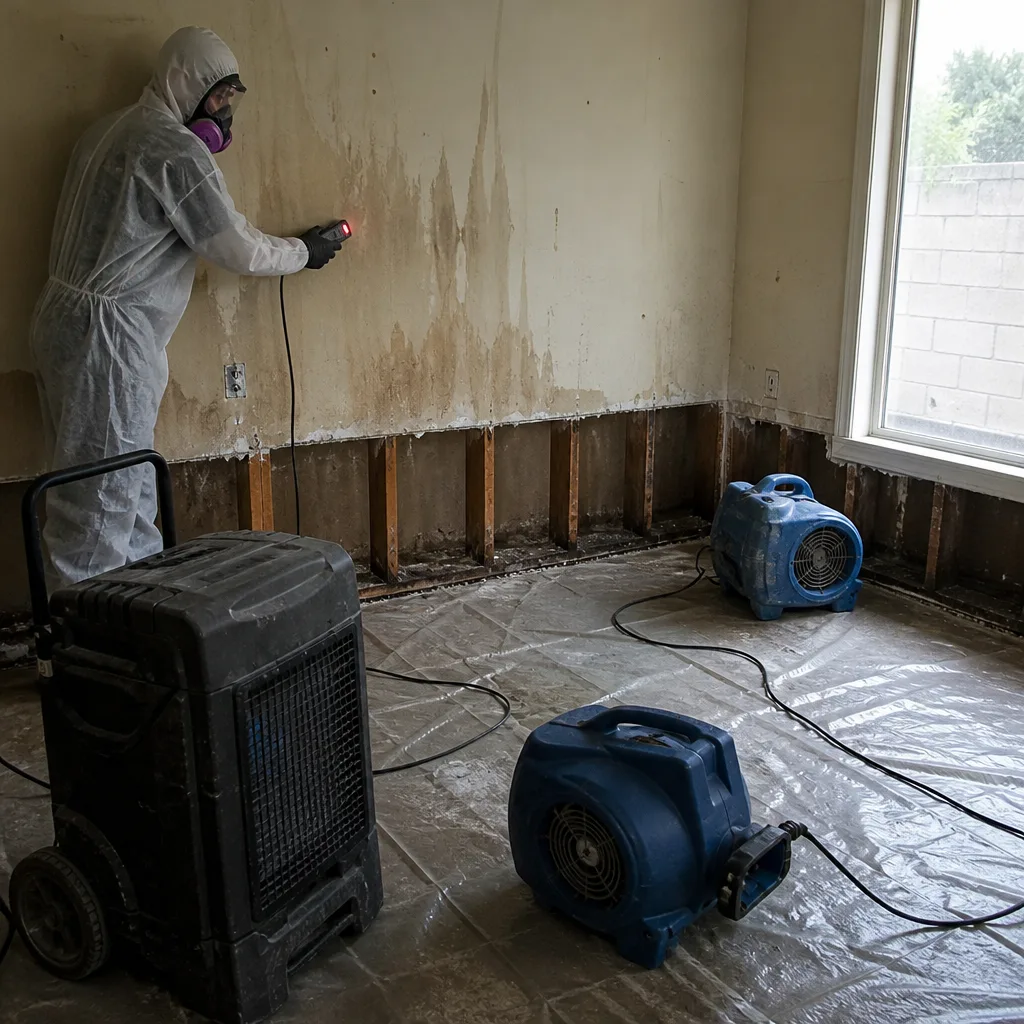 Before
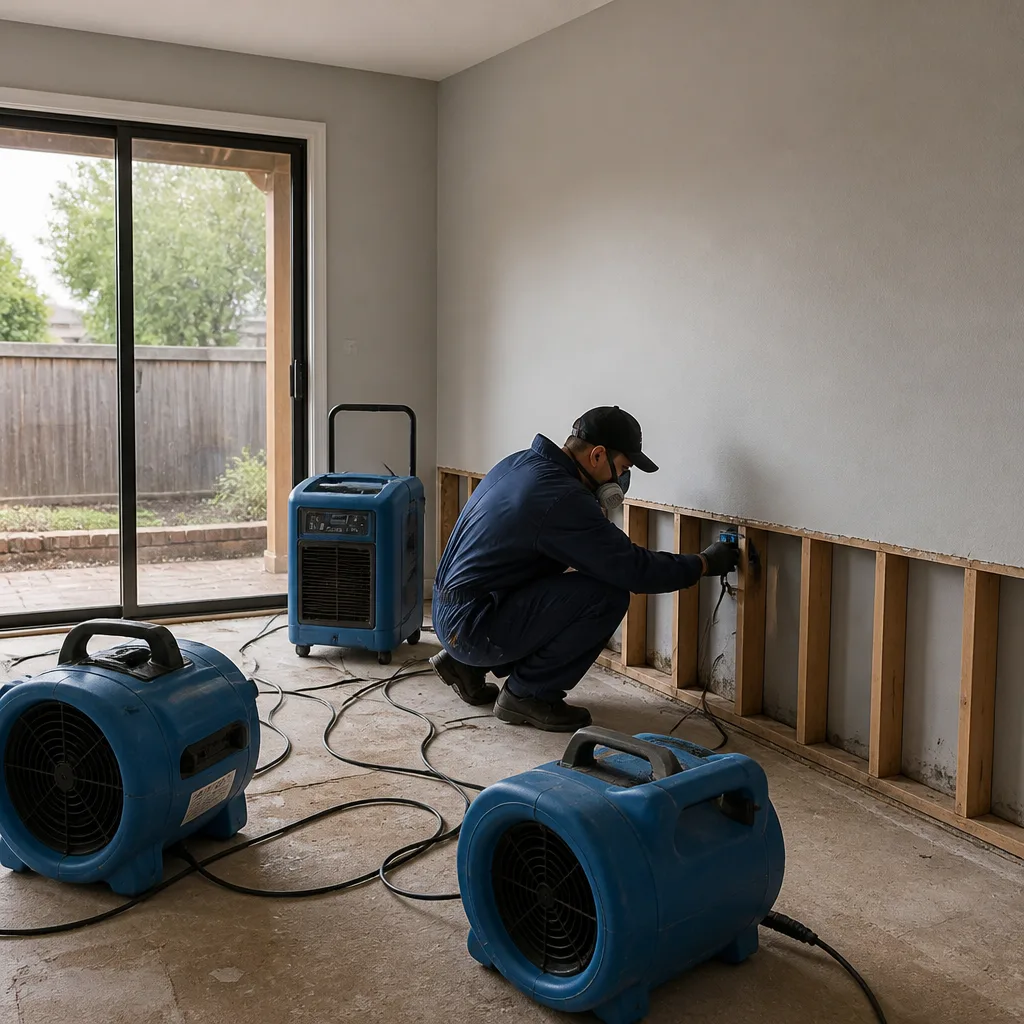 After
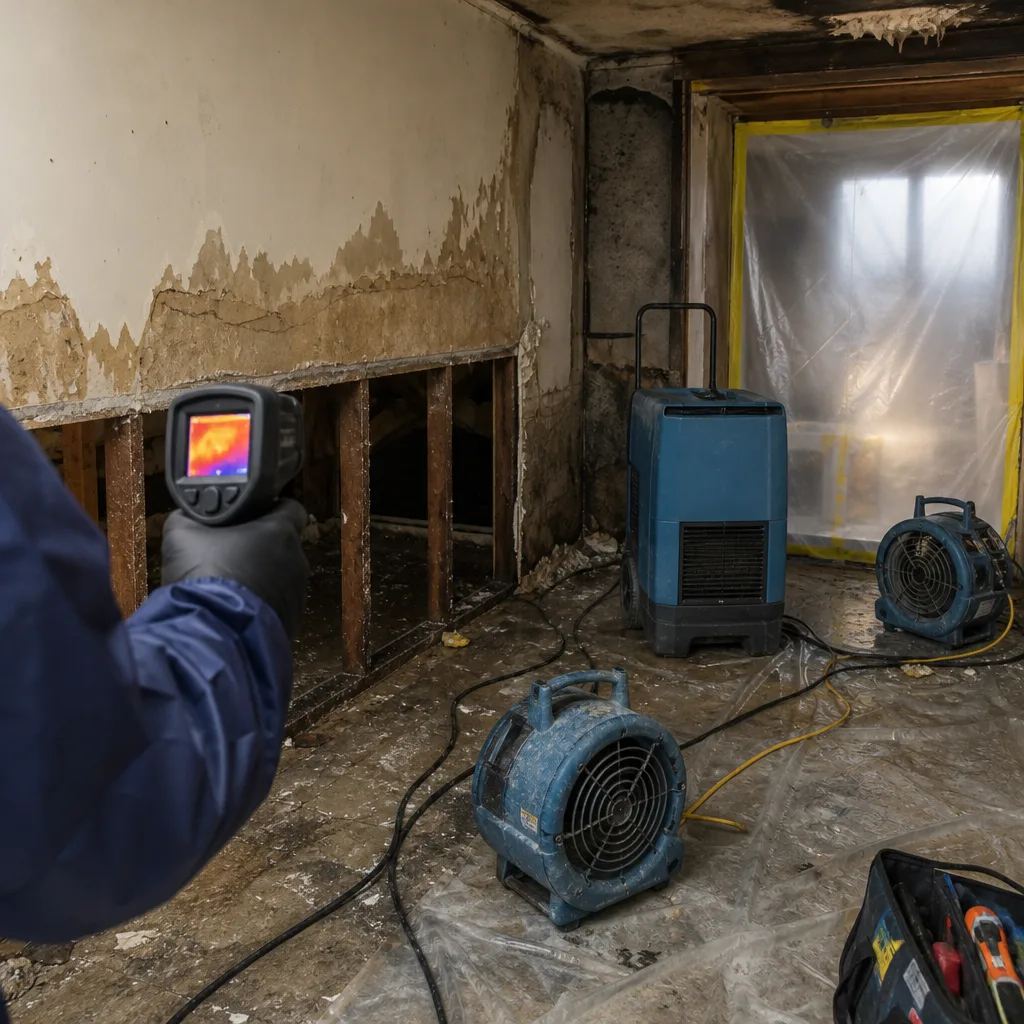 Before
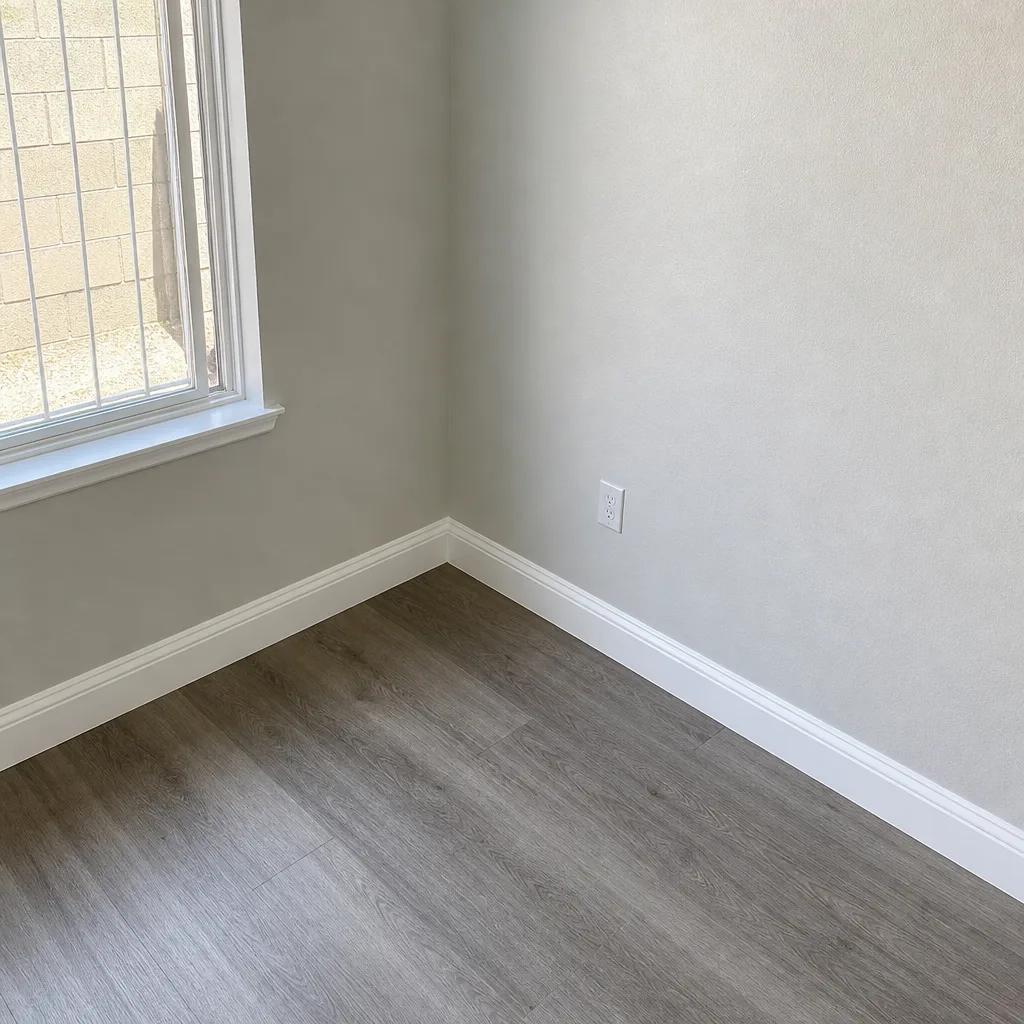 After
Common Mold Remediation Problems We See in Lake Forest Homes
- Hidden slab leaks feeding wall cavities. Copper and polybutylene-era supply lines run through slab-on-grade construction in most Lake Forest tract homes. A pinhole under the slab wicks upward into the wall cavity, and the only warning is a musty closet.
- Shared townhome walls hiding moisture migration. In attached units, a slow leak on one side of the common wall shows up as mold on the other. The HOA approval for opening that wall becomes part of the job, and crews who skip that step get red-tagged mid-removal.
- Contractors drying the visible drywall only. The obvious wet spot gets cut and treated while the slab edge or the rear of the common wall keeps feeding the cavity. That job comes back in eight weeks, worse than it started.
- Builder-original fixtures assumed dry because they look dry. Drywall from the 1980s with a fresh coat of paint hides saturation. Without drying logs and pre-loss photos, a homeowner ends up in a dispute about what was already there before the job began.
Pricing for Mold Remediation in Lake Forest, CA
Here is what Lake Forest homeowners should expect for mold remediation work in the 92630 ZIP code. A contained single-area job, like a closet or a bathroom cavity behind a slab-fed wall, typically runs $1,800 – $3,500. A shared townhome wall with HOA approval and pack-out lands between $3,000 and $5,500. Full room remediation with material removal, structural drying, and rebuild-ready clearance runs $4,500 – $6,500. Cleaning gutters and checking the roof are irrelevant here because inland Orange County mold is a plumbing story, not a storm story. We quote every job in writing with a defined scope before work begins, and the estimate is free. Call (844) 716-1094 for an exact number.
We Also Serve Cities Near Lake Forest
Our Lake Forest crews regularly run jobs in Foothill Ranch and Portola Hills, where the same Saddleback Valley builder-era construction creates the same hidden moisture issues. We cover Mission Viejo and Laguna Woods as well. If you are a property manager or homeowner anywhere around the 92630 area, see our full Mold Remediation service page, or read more about how we work locally at Mold Remediation in Lake Forest.
Serving Lake Forest, CA — Our Local Coverage Area
We’re based in the Lake Forest area and know this community well. Use the map below to see our service coverage — if you’re nearby, we can almost certainly help.
FAQs About Mold Remediation in Lake Forest
Mold can begin colonizing within 24 to 48 hours of a supply-line failure or slab leak, but the growth usually stays hidden inside the wall cavity for weeks or months because Lake Forest’s dry air pulls moisture outward slowly. By the time a homeowner smells it, the colony is established and the drywall on the cavity side is saturated. That is why early moisture mapping matters more than waiting for visible staining.
Yes. We file the common-wall approval paperwork the same day an inspection points toward a shared wall, with moisture readings and photo documentation attached. Many Lake Forest townhome associations require this before demolition begins. We plan for it on every attached-unit call because skipping that step stalls the job and can take the containment down early.
Category 1 is clean water from a supply line or failed fitting. Category 2 carries some contamination, often from a condensate drain or an overfilled appliance pan. Category 3 is grossly contaminated, usually sewage or exterior floodwater. In a Lake Forest townhome, a slow copper pinhole is usually Category 1, which is less contaminated but can still support serious mold growth when it sits behind a wall for weeks. The category drives how we treat the cavity and what materials get removed.
We can. Lake Forest’s 1970s through 1990s subdivisions share specific builder materials: original drywall thickness, copper or polybutylene-era supply runs, and standard wall-cavity layouts. That means we can often predict where moisture has traveled based on how the tract was framed. It also means we can dry and treat cavities surgically instead of opening walls by default, because we know what is behind them before we cut. Call (844) 716-1094 to talk through your home’s specific layout.
We bring Dri-Eaz dehumidifiers, XPOWER air movers, B-Air HEPA scrubbers, and our Injectidry system for cavity drying when demolition can be avoided. Every drying job runs with logged temperature, humidity, and moisture content readings. That data becomes part of the job file for insurance claims, HOA documentation, and a final clearance report. Call (844) 716-1094 for a free inspection and written scope.
Written by Noel Ibarra, Owner at Flood Guard Water Damage, serving Lake Forest and the Saddleback Valley.