
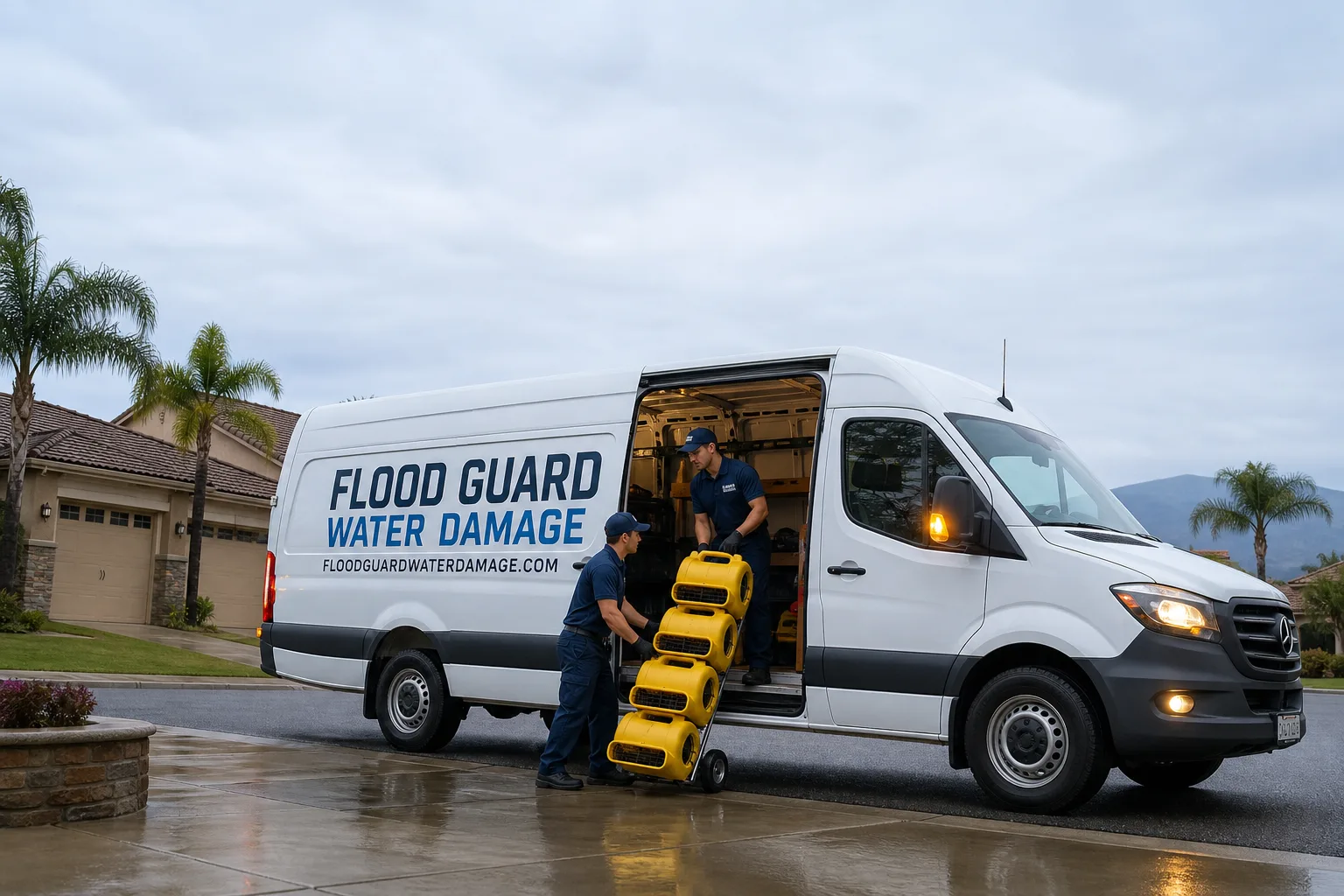
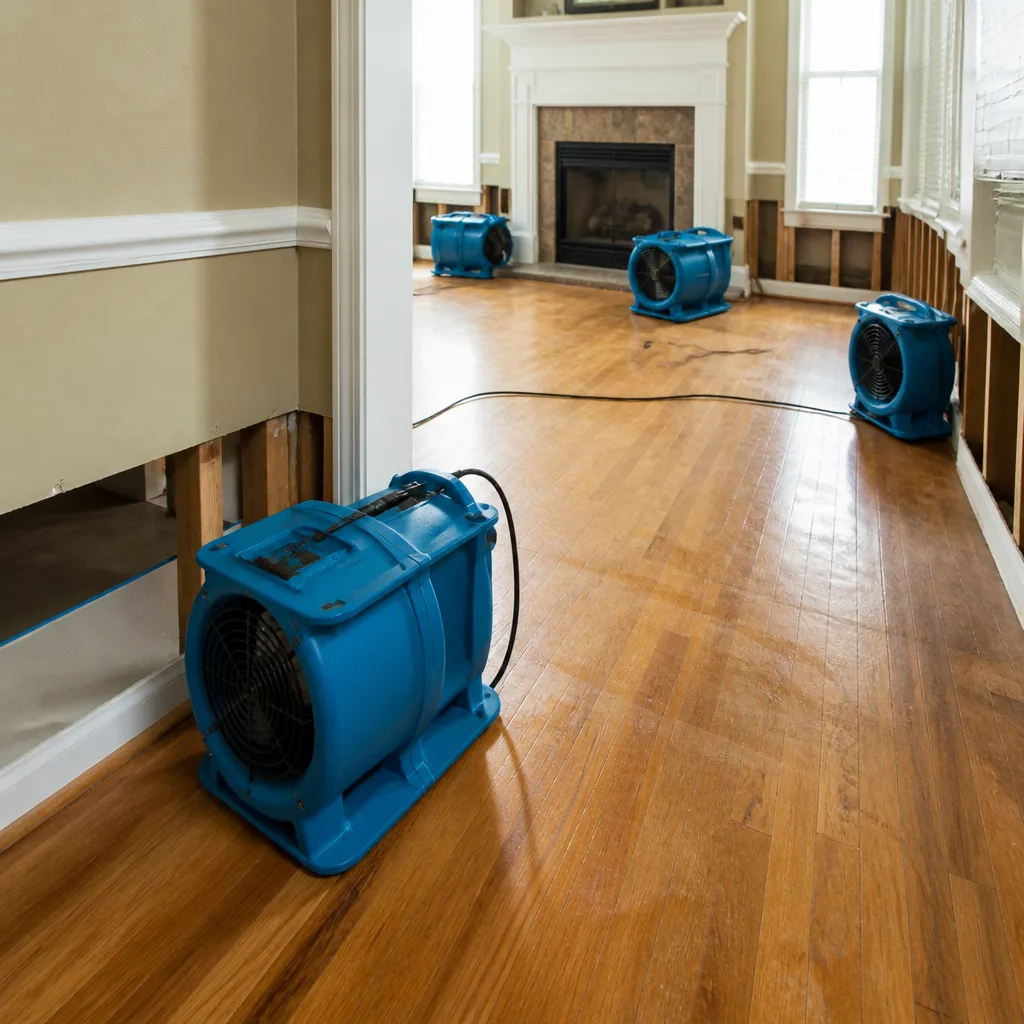
 Water damage drying
 Fire & smoke cleanup
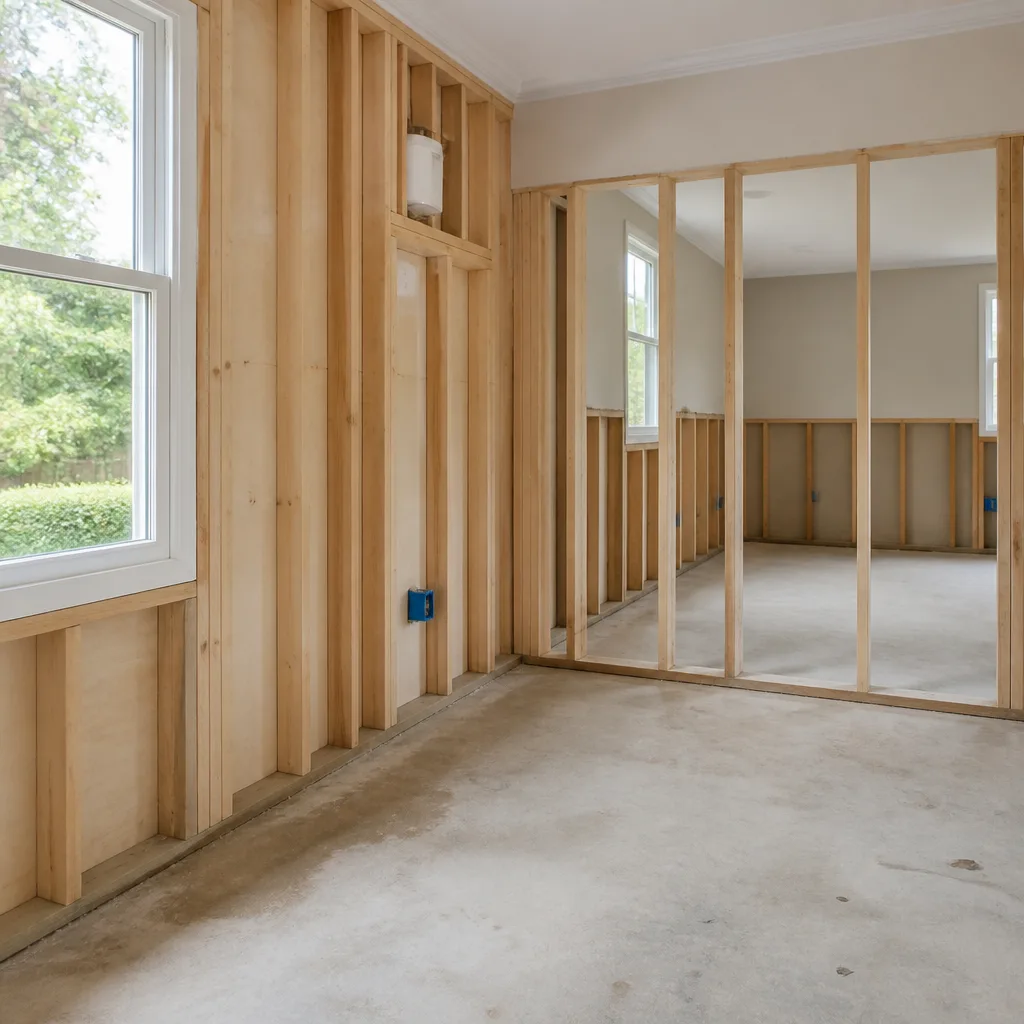 Mold remediation
 Storm response
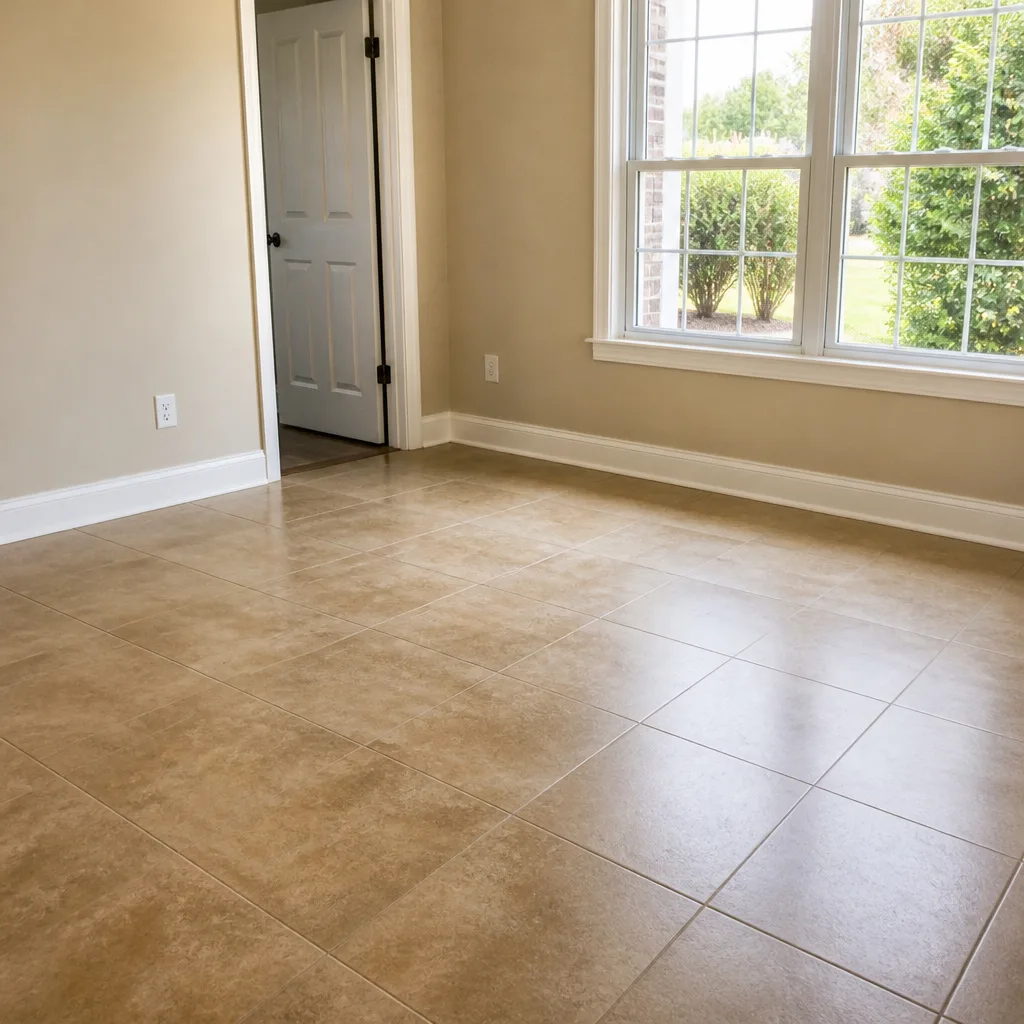 Sewage cleanup
 Reconstruction
Free visual inspection and a written scope of work before any mitigation begins - photos, moisture readings, and drying logs go in your claim file
The scope we write is the scope we bill. Anything new gets shown to you, in writing, before we touch it.
Get your free estimateFast, Reliable Mold Remediation Across Orange
Mold remediation in Orange, CA typically runs $1,800 – $6,500 depending on the square footage affected, whether it’s a bathroom wall cavity or a full crawl space, and whether the source is a slab leak, roof intrusion, or sewer-lateral backup. Most jobs we handle in Orange are completed within 2 – 5 days from containment setup to air clearance. If you’re looking at black staining along a baseboard near Old Towne or a musty smell coming from a pier-and-beam crawl space under a 1950s ranch, call (844) 716-1094. We walk the property, map the moisture, and give you a written scope before any work starts.
Orange isn’t a city where mold is a rare surprise. It’s a city where mid-century supply lines, slab foundations, and mature citrus-era landscaping combine to keep moisture moving through structures in ways newer tracts never see. Our crews know the difference between a 92866 ranch with original plaster walls and a 92863 two-story with newer construction. That matters when you’re deciding what gets opened up and what gets dried in place. We’ve been running containment, negative air, and structural drying cycles here long enough to know which approach each street calls for.
Why Flood Guard Water Damage Is Orange’s Preferred Mold Remediation Company
We put IICRC-certified methodology to work on every Orange property we touch. That’s not a line on a website. It means moisture mapping before we spray anything, logged drying cycles instead of “let it air out,” and clearance testing before we pull containment down. Orange homeowners dealing with preservation-reviewed Old Towne homes need that level of documentation. A plaster wall from 1932 can’t be treated like a drywall panel from 1998.
Our equipment reflects the same standard. We run Dri-Eaz dehumidifiers and Phoenix air movers on Orange jobs. When a wall cavity or floor cavity needs drying without demolition, we use Injectidry mats that pull moisture through small access points rather than ripping out original trim. For the historic homes around Orange’s Old Towne district, that’s often the difference between a preservation-friendly remediation and a fight with the city’s design review board.
Noel Ibarra leads our Orange operations, and he’s the person you’ll speak with when you call. We serve residential and commercial property owners across Orange, from single-story ranches in 92866 to property managers handling units near Chapman Avenue. We’re measured, documented, and accountable from the first moisture reading to the final clearance report.
Restoration work we handle
Bathroom Mold Removal in Orange
Bathroom Mold Removal in Orange usually means tracing moisture through a slab-edge, a failed supply line, or a poorly vented shower enclosure in one of the city’s mid-century ranches or post-war tract homes. We see this constantly in Orange bathrooms that still have original copper or galvanized supply lines and minimal ventilation. The mold itself is rarely the whole story. It’s the symptom of a moisture source that, left unaddressed, will re-bloom within weeks of any surface cleanup.
A typical bathroom mold removal in Orange runs $1,200 – $3,800 depending on whether we’re opening a wall cavity, treating framing, or drying in place with Injectidry. If the tile substrate is waterlogged and the drywall behind it is crumbling, we remove what’s necessary, treat the framing, and document every step. If the plaster and original trim are sound enough to save, we dry the cavity and treat it without demolition.
Ventilation and humidity in Orange bathrooms
Older Orange homes were built when open windows counted as ventilation. Today, a bathroom with a single exhaust fan that vents into the attic instead of outside will keep moisture trapped against ceiling joists and wall cavities after every shower. We measure humidity levels and look at how the bathroom actually dries. If the fan isn’t moving enough air, the mold will be back in six months no matter how well we remediate.
Slab leaks behind Orange bathroom walls
A pinhole slab leak under a 1950s ranch home near Orange’s Old Towne core will keep feeding moisture into the base of a bathroom wall until it’s shut off. We see the pattern often: dark staining along the bottom plate, warped original tile, and mold odor that gets worse in warm weather. Our Moisture & Humidity Control sub-service includes mapping the slab with moisture meters to verify the leak is actually stopped before we rebuild or re-mist the area.
Mold Removal Service in Orange
Mold Removal Service in Orange covers everything from a single closet to an entire crawl space under a pier-and-beam foundation. What we do in Orange shifts depending on the age of the house. A 1960s tract home with drywall over wood framing gets treated differently than a 1930s Old Towne bungalow with plaster-and-lath that can’t be replaced off-the-shelf. We scope the source, set containment, remove what can’t be saved, and dry what can.
Pricing for mold removal in Orange generally falls between $2,500 – $7,000 for a contained area with structural drying. A crawl space treatment involving root intrusion into a sewer lateral and repeated moisture cycles often lands on the higher end because we’re dealing with standing water, contaminated soil vapor, and sometimes full vapor barrier replacement. We give you the number in writing before we touch anything. No estimate games.
Drying in place vs. demolition
Injectidry changes what we can promise Orange homeowners. The system pulls water out of enclosed cavities through small access ports, which means a plaster wall in a preservation-reviewed home doesn’t have to come down just because it’s wet. We open walls when they’re contaminated beyond treatment. Not by default. That’s a direct cost difference and a preservation difference, and it’s one of the biggest reasons older Orange properties call us instead of a generalist.
Treating the framing, not just the surface
Surface mold removal without treating the framing behind the drywall is a half-job. We apply antimicrobial treatment to studs, joists, and sill plates after the affected material is removed or dried. In Orange’s older homes, those framing members have been absorbing moisture for decades. If we don’t treat them, the next humid week brings the smell right back. We dry the structure, not just the surface.
Trusted Brands We Service in Orange
The equipment brands we run on Orange jobs are the same ones used on large commercial losses: Dri-Eaz and Phoenix for drying, XPOWER for air movement, B-Air for containment air scrubbing, and Injectidry for cavity drying. We stock parts and accessories locally for Orange customers, which means a mid-job filter swap or a replacement hose doesn’t involve waiting on a warehouse across the country. If you own a property in Orange and you’ve had a previous remediation company show up with consumer-grade fans and a spray bottle, the difference in drying time and outcome shows up in the clearance report. We’re here to run the professional-grade process, not cut corners on equipment that determines whether your walls actually dry or just look dry.
See the difference
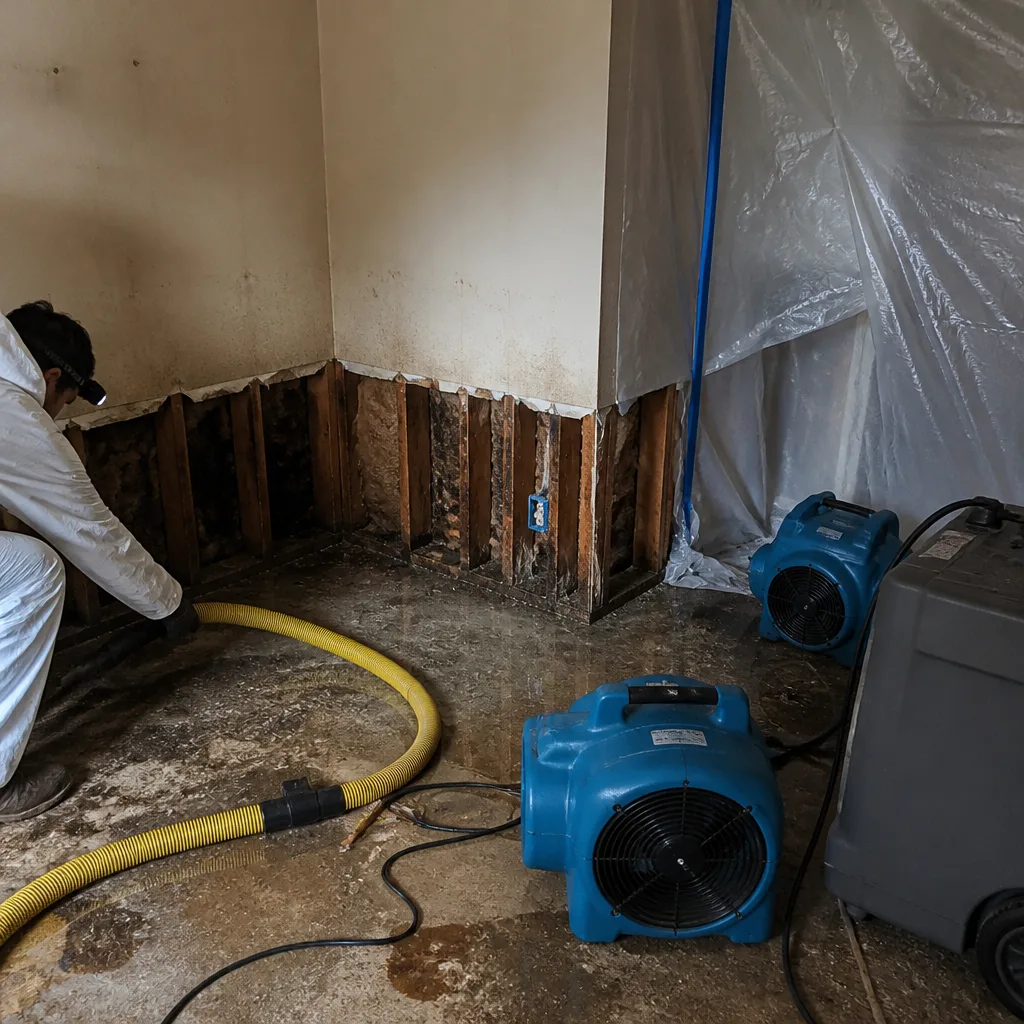 Before
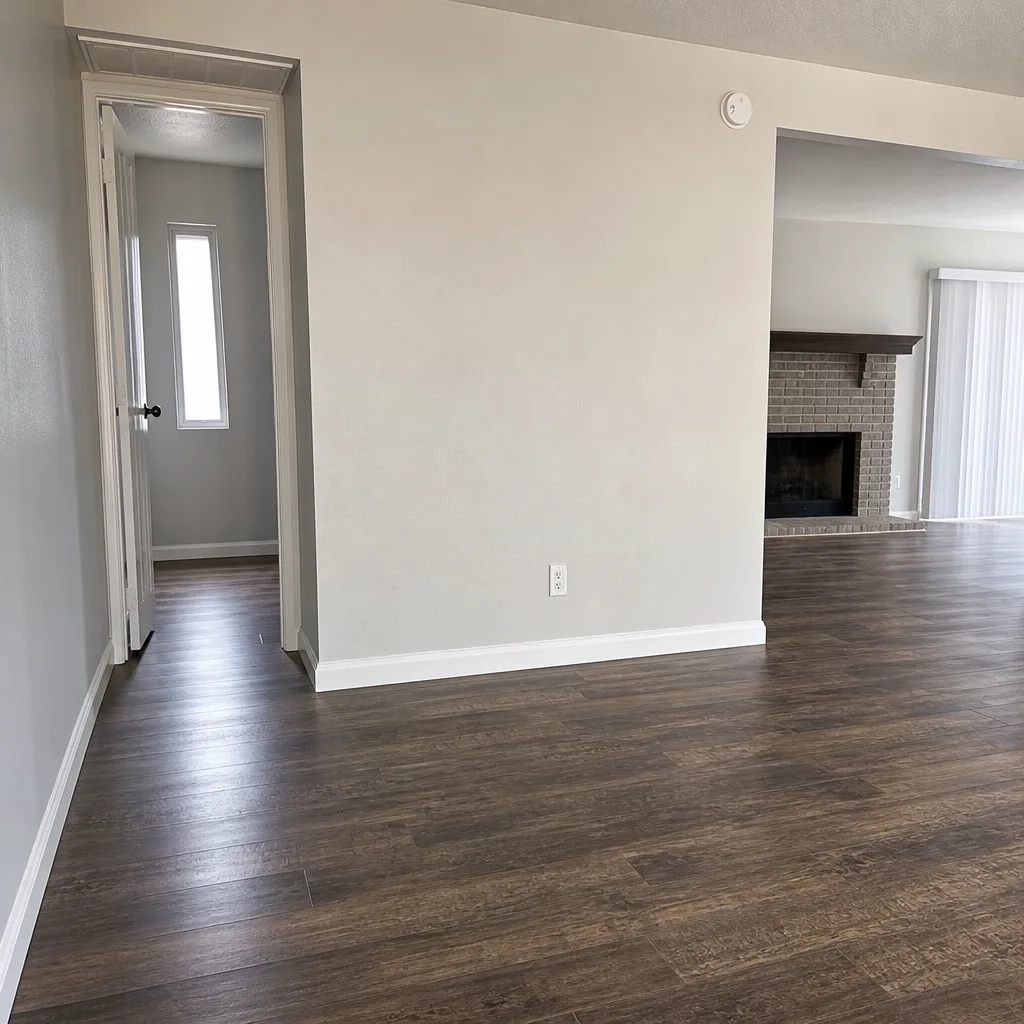 After
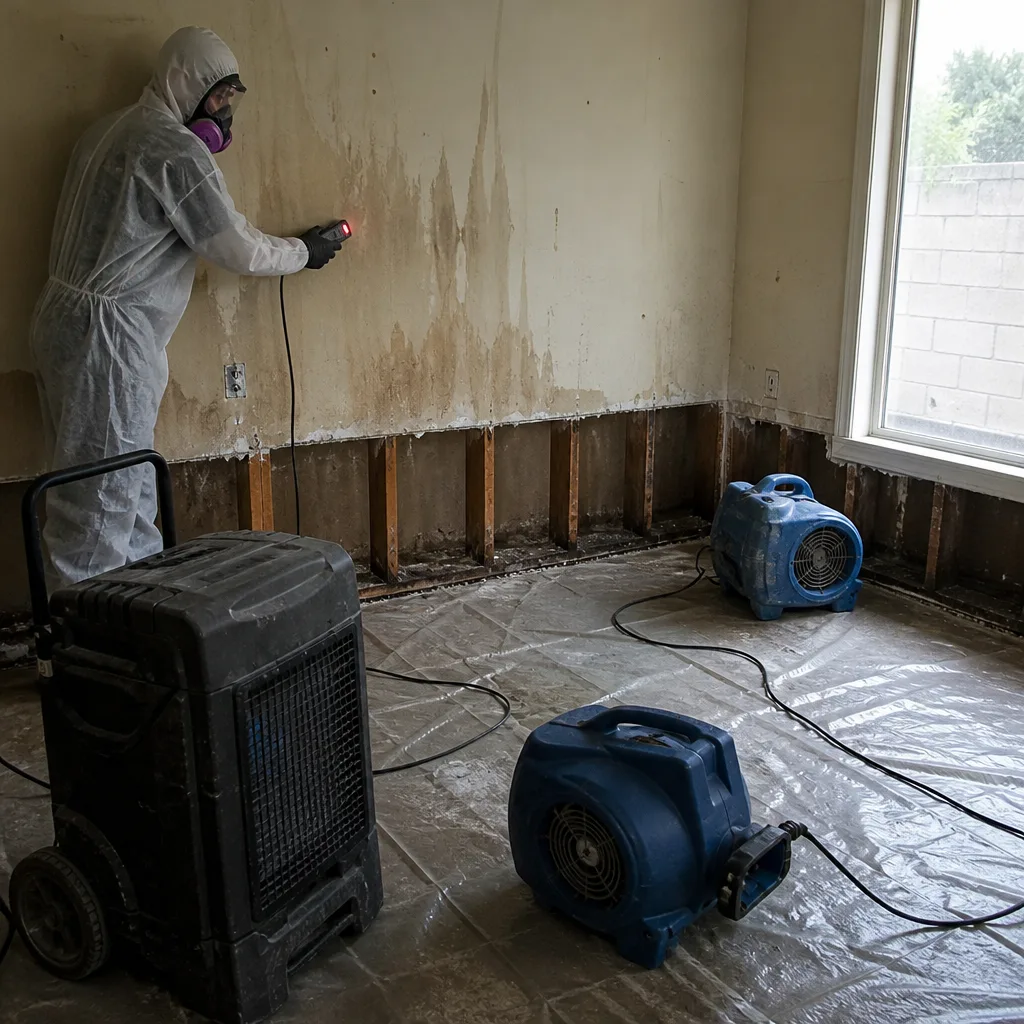 Before
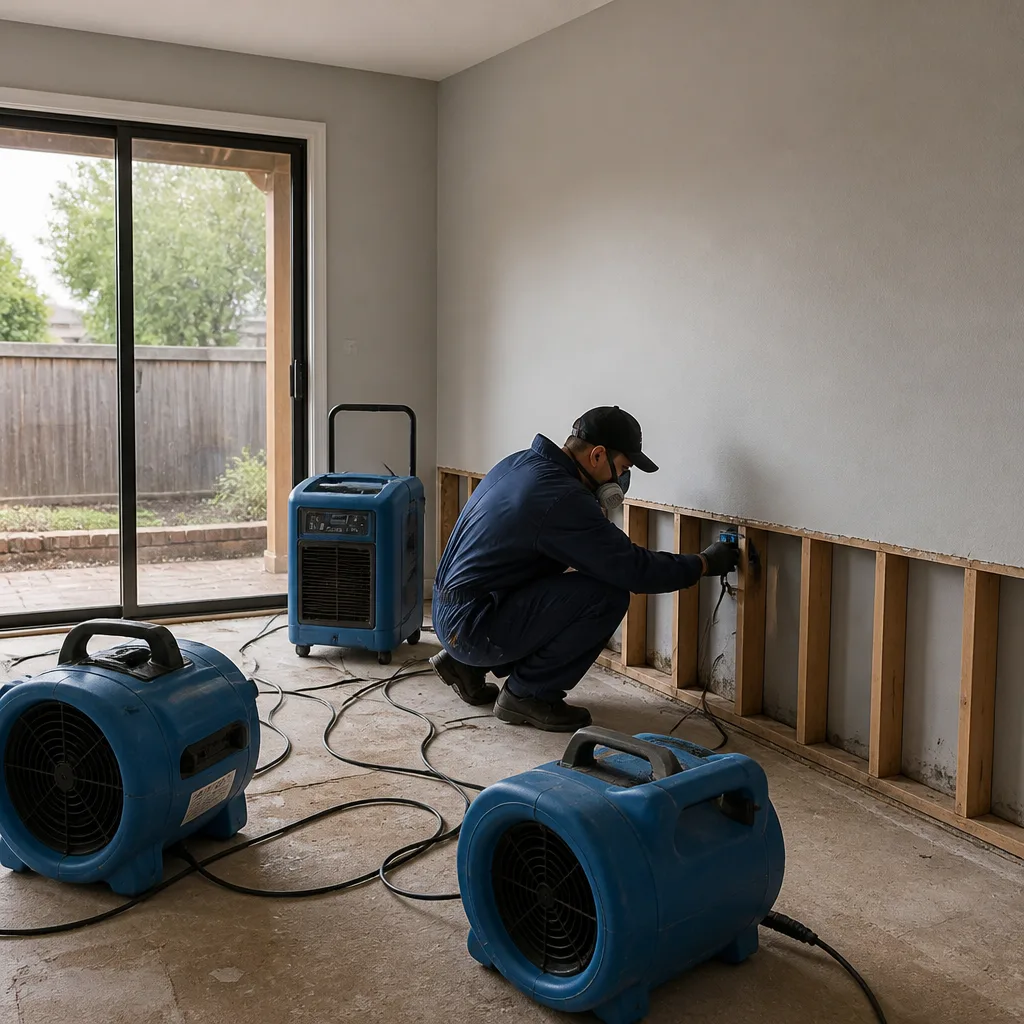 After
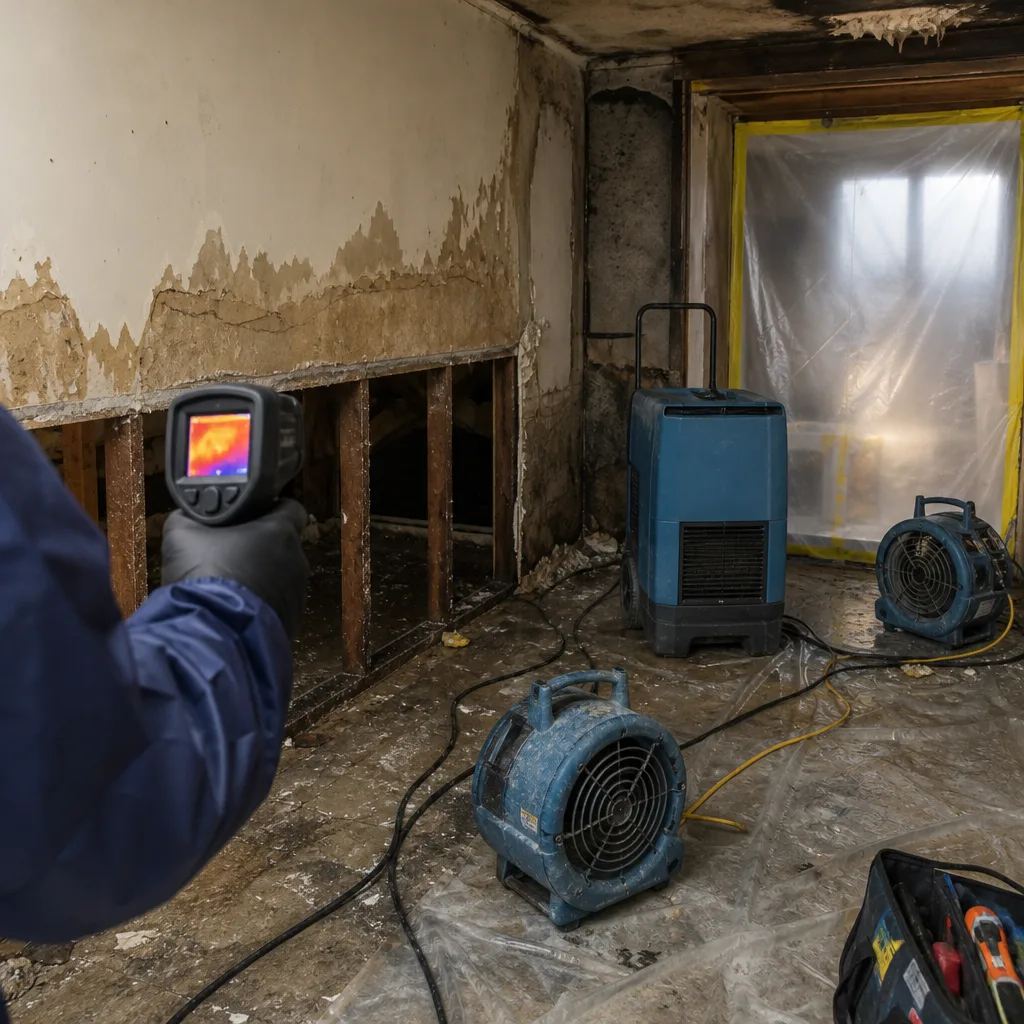 Before
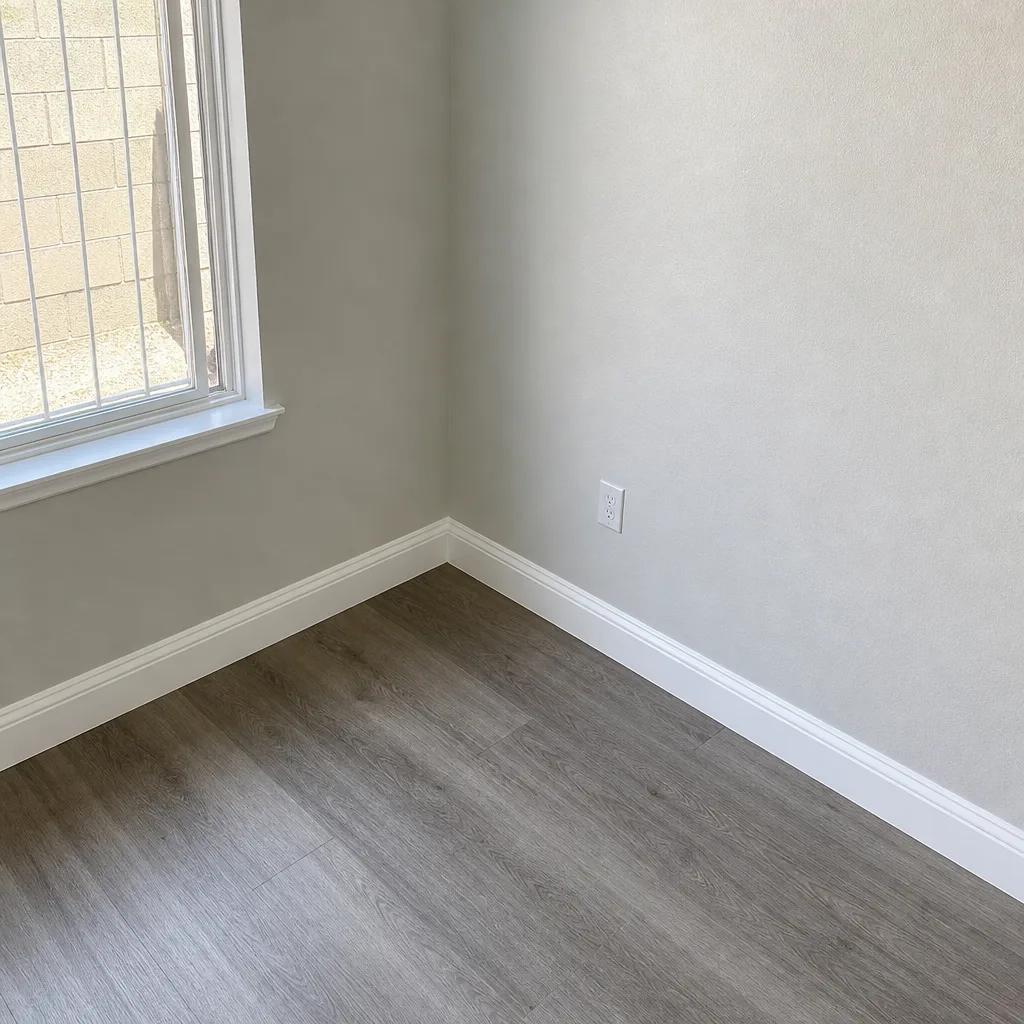 After
Common Mold Remediation Problems We See in Orange Homes
- Slab leaks under 1950s – 1970s ranches. Original copper and early galvanized supply lines under Orange slab foundations fail over time, and the first sign is often mold at the base of a bathroom wall. We moisture-map the slab edge to find whether water is still moving before we start remediation.
- Old Towne plaster-and-lath walls that preservation review won’t let you cut out. A 1920s home in the historic district isn’t a drywall swap scenario. We dry and treat original plaster and trim in place using Injectidry and targeted antimicrobial application, then document everything for the city’s design standards.
- Citrus-era sewer-lateral root intrusion. Mature landscaping in older Orange neighborhoods sends roots into clay sewer laterals, which keeps a bathroom or workshop slab damp and re-blooming after every winter rain. If we don’t address the plumbing side, the mold comes back.
- Santa Ana-season surface drying that hides deeper moisture. Hot, dry winds pull moisture out of Orange stucco and framing fast, which can make a homeowner think a leak is done. But cavity moisture behind plaster or drywall often stays put. We measure the actual wood moisture content, not the surface feel.
Pricing for Mold Remediation in Orange, CA
We Also Serve Cities Near Orange
Flood Guard Water Damage serves Orange and the surrounding communities, including Villa Park, North Tustin, Tustin, and Anaheim. If you’re near the Orange border in one of these cities, we’ll still do an on-site assessment with the same IICRC-certified process. See our Mold Remediation in Orange page for full coverage details, or reach our Mold Remediation team at (844) 716-1094.
Serving Orange, CA — Our Local Coverage Area
We’re based in the Orange area and know this community well. Use the map below to see our service coverage — if you’re nearby, we can almost certainly help.
FAQs About Mold Remediation in Orange
A slab leak under a 1950s or 1960s Orange ranch keeps feeding moisture into the base of bathroom walls, and because the framing sits directly on the slab, the wicking happens in 48 – 72 hours. The mold you see at the baseboard is usually the top of a larger wet zone extending into the wall cavity. Call (844) 716-1094 and we’ll moisture-map the slab edge to check if water is still moving before we scope the remediation.
Yes. In Orange’s Old Towne district, preservation review means original plaster-and-lath and trim must be dried and treated in place whenever possible. We run Injectidry mats into the wall cavity through small access points, dry the plaster from the inside, and apply antimicrobial treatment to the framing. We only open a wall when the material is too contaminated to save. That’s the difference between a remediation that preserves the house and one that creates a preservation headache for the owner.
Detached workshops, detached garages, and oversized garage spaces in Orange are usually built on slab or raised foundations with minimal ventilation and no climate control. We set containment in those spaces the same as we would in a living area, but the drying plan often runs longer because ambient humidity in an unconditioned Orange workshop swings wide. For detached garages and workshops treating the slab edge and vapor barrier is often where the real mold source sits. We scope it the same way we scope a house: source first, then treatment.
No. Santa Ana winds pull surface moisture out of Orange stucco and framing fast, which can make a wall feel dry in two days. But cavity moisture behind plaster or drywall, especially in a 1960s ranch with original wall construction, doesn’t evaporate evenly. We measure wood moisture content with meters and run structural drying with Dri-Eaz or Phoenix equipment until the numbers say the framing is actually dry. Skipping that step is how mold blooms three months later.
Category 1 is clean water from a supply line or condensation. Category 2 is gray water with some contamination, like a washing machine overflow. Category 3 is black water from sewage, a sewer-lateral backup, or storm surge. In Orange’s older homes, we see Category 1 from slab leaks and Category 3 from citrus-era root intrusion into sewer laterals. The category determines our treatment protocol, what materials get removed, and what gets dried. Call (844) 716-1094 for an exact scope on your Orange property; estimates are free.
Written by Noel Ibarra, Owner at Flood Guard Water Damage, serving Orange, CA and surrounding communities.