

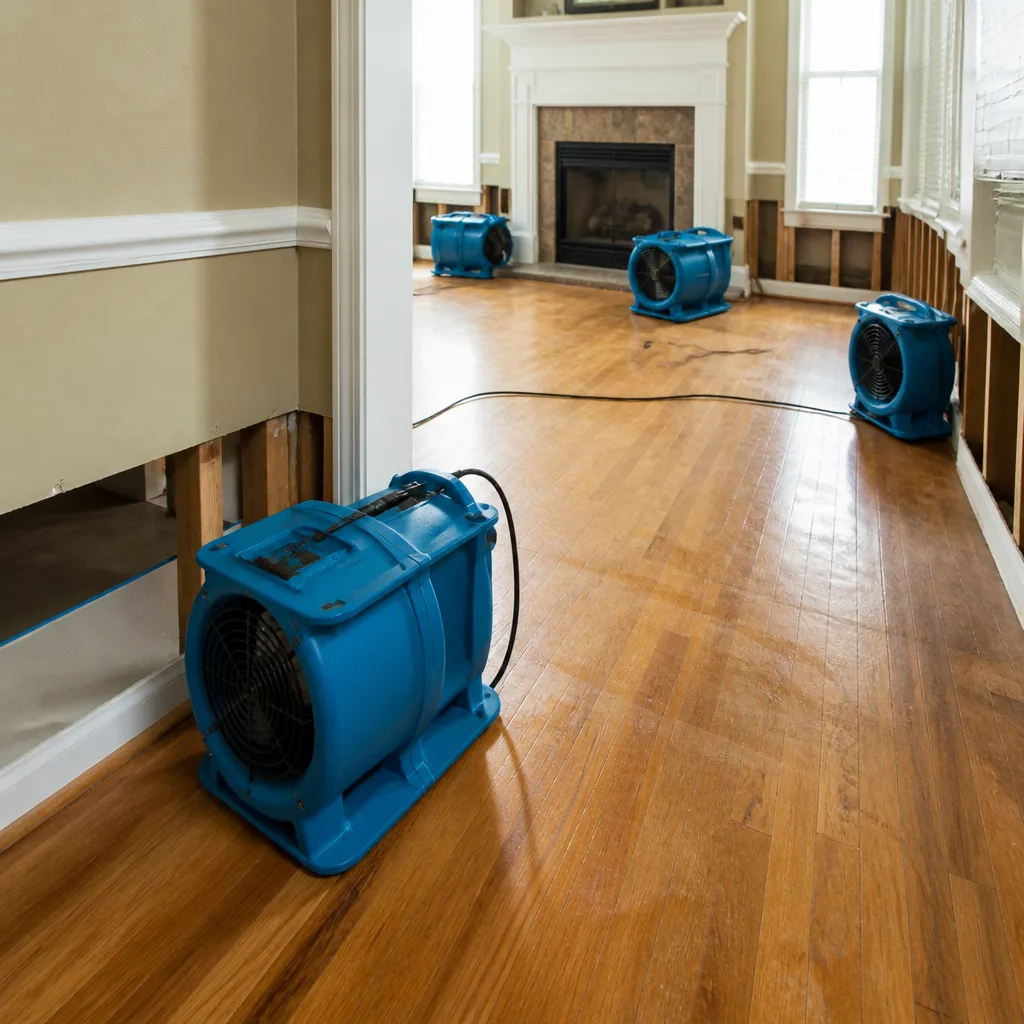
 Water damage drying
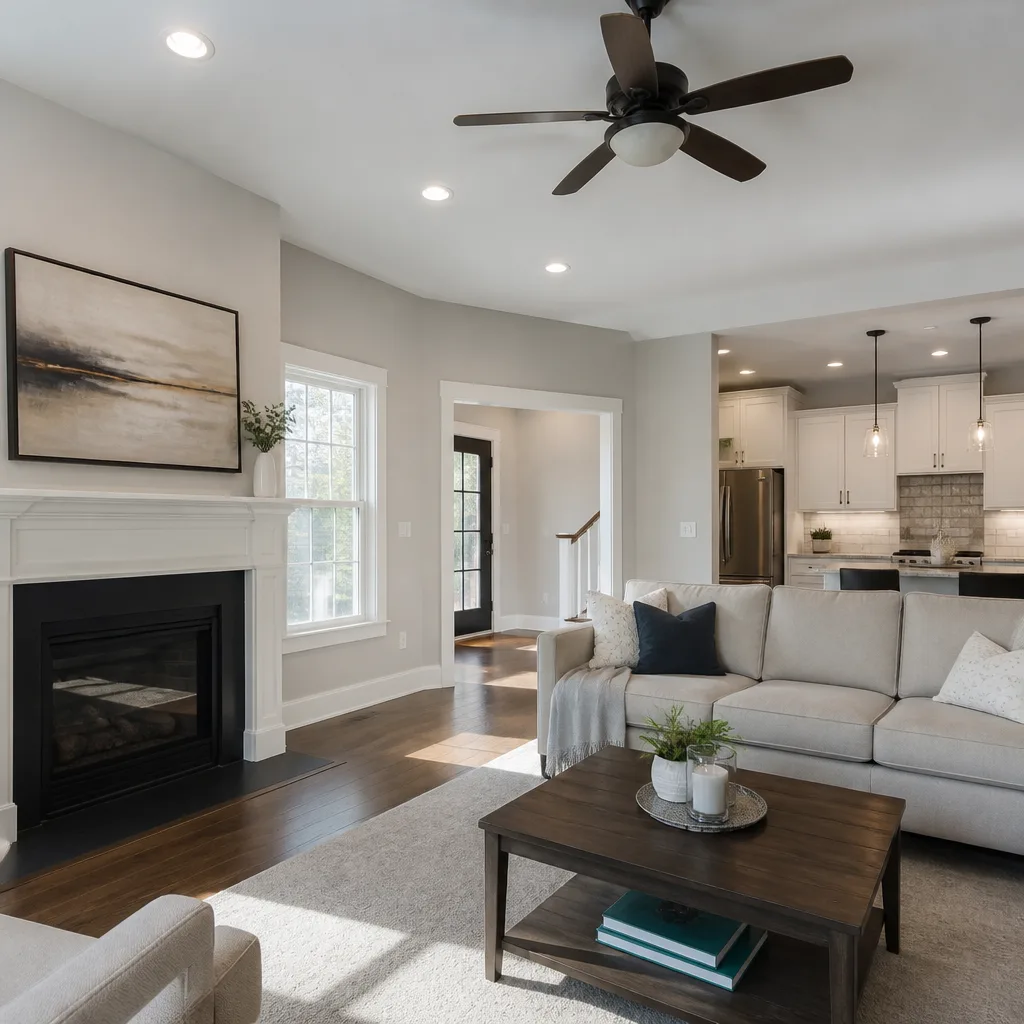 Fire & smoke cleanup
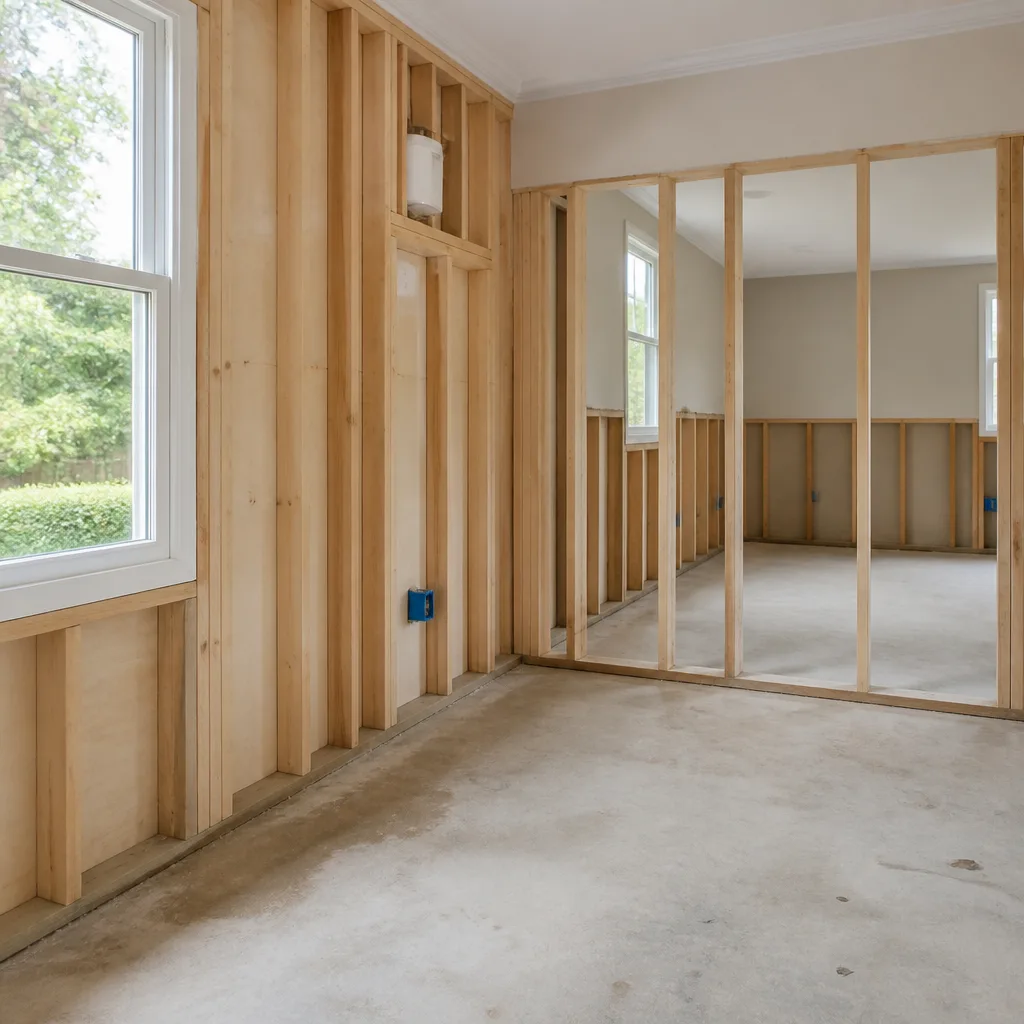 Mold remediation
 Storm response
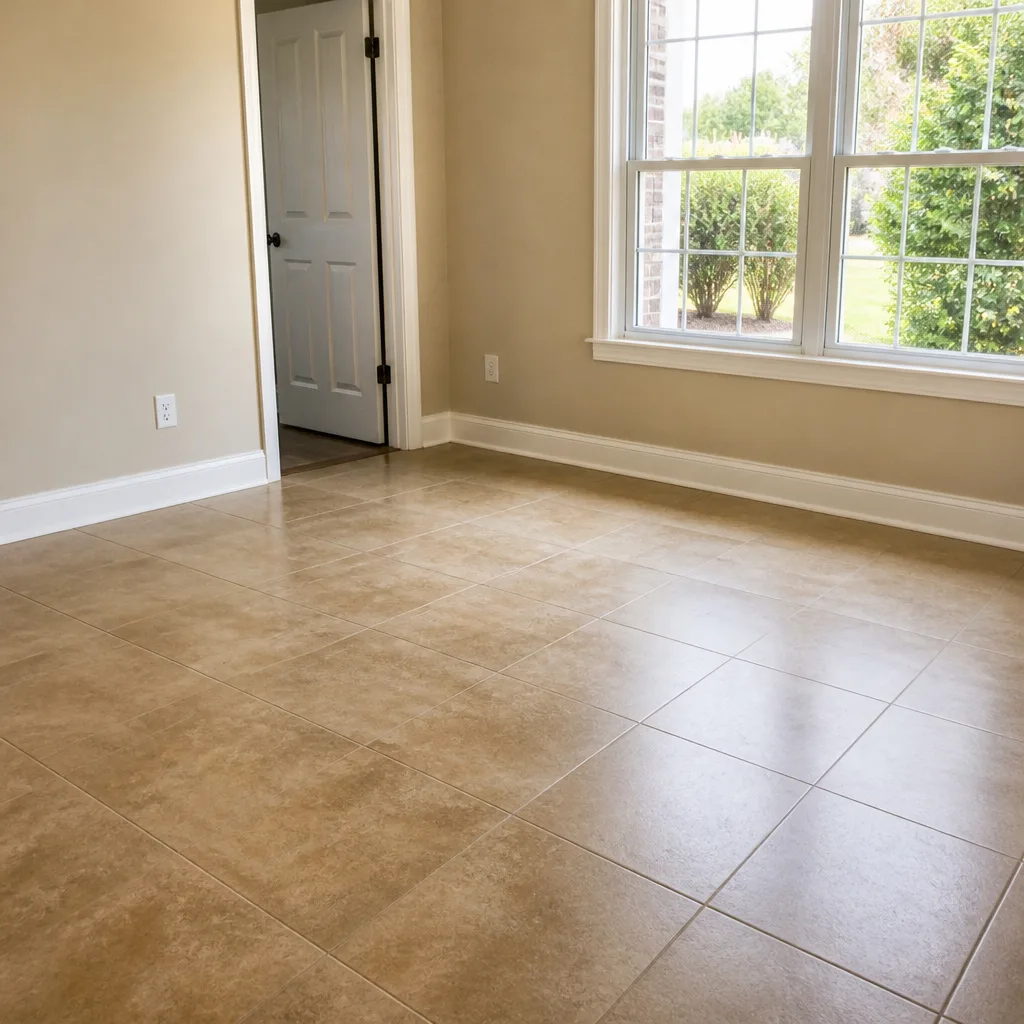 Sewage cleanup
 Reconstruction
Free visual inspection and a written scope of work before any mitigation begins - photos, moisture readings, and drying logs go in your claim file
The scope we write is the scope we bill. Anything new gets shown to you, in writing, before we touch it.
Get your free estimateFast, Reliable Mold Remediation Across San Joaquin Hills
Mold remediation in San Joaquin Hills typically runs anywhere from $1,800 to $12,000 depending on how far moisture has traveled through a structure. On the canyon-edge estates above Newport Beach, the number lands higher than inland because nearly every job touches custom finishes, multi-level layouts, and HOA documentation standards. Our crews know exactly what those homes demand, because we work them every month. If you have visible mold or a musty smell that won’t clear, call (844) 716-1094 right now. We’ll tell you over the phone whether you need a full mitigation or just a targeted cleaning, and what either one should cost in your part of San Joaquin Hills.
Key Takeaways:
- Mold in San Joaquin Hills most often starts at the roof line, not a plumbing leak – attic vents and stucco penetrations are the usual entry points after Santa Ana fire seasons.
- A typical mold removal job in San Joaquin Hills runs $1,800 to $6,500; full remediation with containment and structural drying runs $4,500 to $12,000.
- We respond to San Joaquin Hills service calls the same day for active water intrusion or spreading mold; scheduled inspections happen within 48 hours.
- All work follows IICRC-certified protocols, documented with moisture mapping and drying logs your insurer will accept.
Why Flood Guard Water Damage Is San Joaquin Hills’s Preferred Mold Remediation Company
San Joaquin Hills homeowners call us because the damage here doesn’t look like the damage everywhere else. This is a hillside community of large custom estates and gated developments built into coastal canyons, where stucco-and-tile construction, retaining walls, and multi-level floor plans hide moisture in places a generalist crew would never check. We know where to look: attic decking above vaulted ceilings, mechanical closets on top floors, retaining-wall cavities that hold runoff after a February storm, deck understructures built over graded slope. That local knowledge comes from running jobs on streets like Ridge Park Road and throughout the 92657 zip code.
Noel Ibarra runs our crews with one rule: if you didn’t measure it, you’re guessing. Every mold job in San Joaquin Hills starts with moisture mapping, not a visual walkthrough. We use Dri-Eaz dehumidification and air movers, plus Injectidry panels for non-invasive drying inside wall cavities and under custom flooring. When we open a wall, we can show you the moisture readings that made it necessary. Your HOA and your insurer both want that documentation – and we build it into every job. We hold IICRC-certified methodology as our operating standard, maintain active standing with the Restoration Industry Association, and carry IFA affiliation for accountability systems that match the expectations of this market.
Restoration work we handle
Mold Removal Service in San Joaquin Hills
Mold Removal Service in San Joaquin Hills almost always starts with the same phone call: a homeowner noticed staining on an upstairs ceiling or a smell in a closet that wouldn’t air out, and the source turned out to be a roofline intrusion nobody saw coming. That’s the signature pattern here. A Santa Ana season pushes embers and smoke into attic vents and stucco details, the next winter storm drives rain through those same openings, and mold gets established in attic decking or a top-floor mechanical closet weeks before anyone checks up-slope. By the time it’s visible on drywall, the colony is already feeding on the backside of the material.
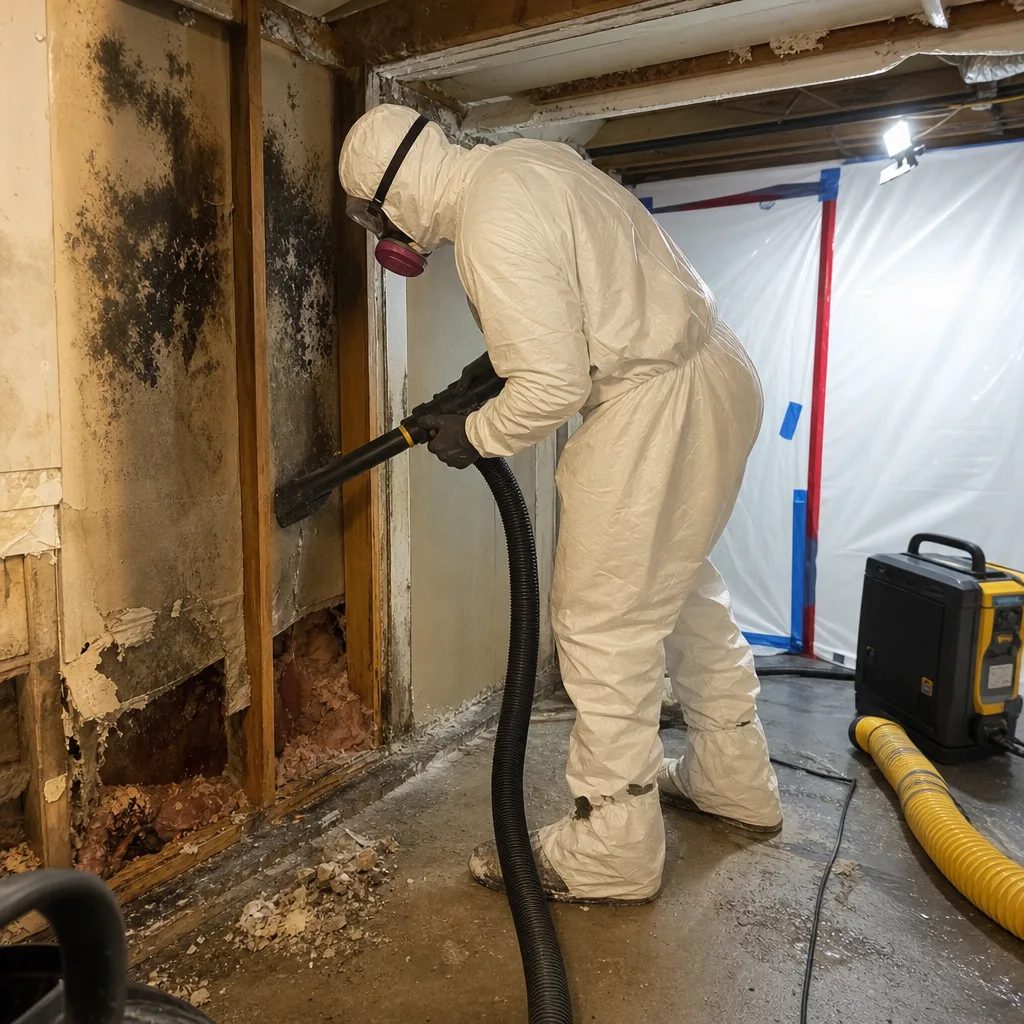
Containment and Source Removal
We set containment before we disturb anything, because disturbing mold spreads spores into a home this size. On a San Joaquin Hills estate, containment means sealing off the affected zone with negative air pressure so spores don’t move into living areas, hallways, or custom closets. Then we remove the source: wet, moldy drywall, insulation, or cabinet backing, bagged and disposed of per IICRC protocol. Most removal jobs in San Joaquin Hills run $1,800 to $6,500 depending on how many rooms and levels are involved.
Antimicrobial Treatment and Clearance
After the affected material is out, we treat remaining structural surfaces with antimicrobial agents and run Dri-Eaz dehumidifiers until moisture readings stay below the threshold that supports regrowth. On a top-floor closet off a canyon-facing wall, that usually means 48 to 72 hours of drying before we even talk about rebuild. A small, contained removal in San Joaquin Hills typically lands between $1,800 and $4,000. A whole attic system with level-to-level spread pushes toward $6,500 and beyond.
Mold Remediation Services in San Joaquin Hills
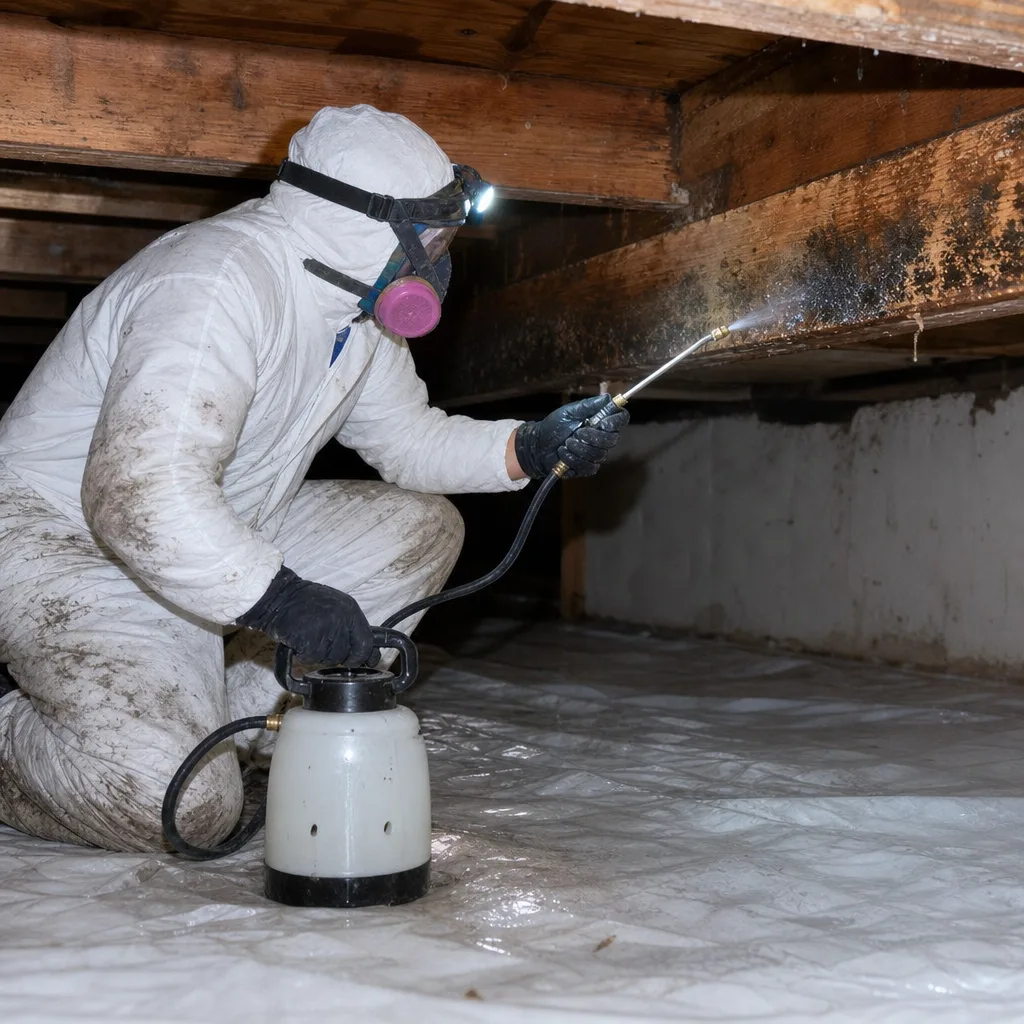
Mold Remediation Services in San Joaquin Hills go beyond cutting out stained drywall. This is the full protocol, and it’s the right call when moisture has been present long enough to put Category 2 material past the 24-to-48-hour mold window, or when the source is structural – attic decking, sheathing, a retaining-wall cavity holding runoff, an exterior stucco penetration you can’t see from inside. On the canyon-edge estates above Newport Beach and Laguna, that’s most of the jobs we run. Full remediation in San Joaquin Hills typically runs $4,500 to $12,000.
Structural Drying and Cavity Treatment
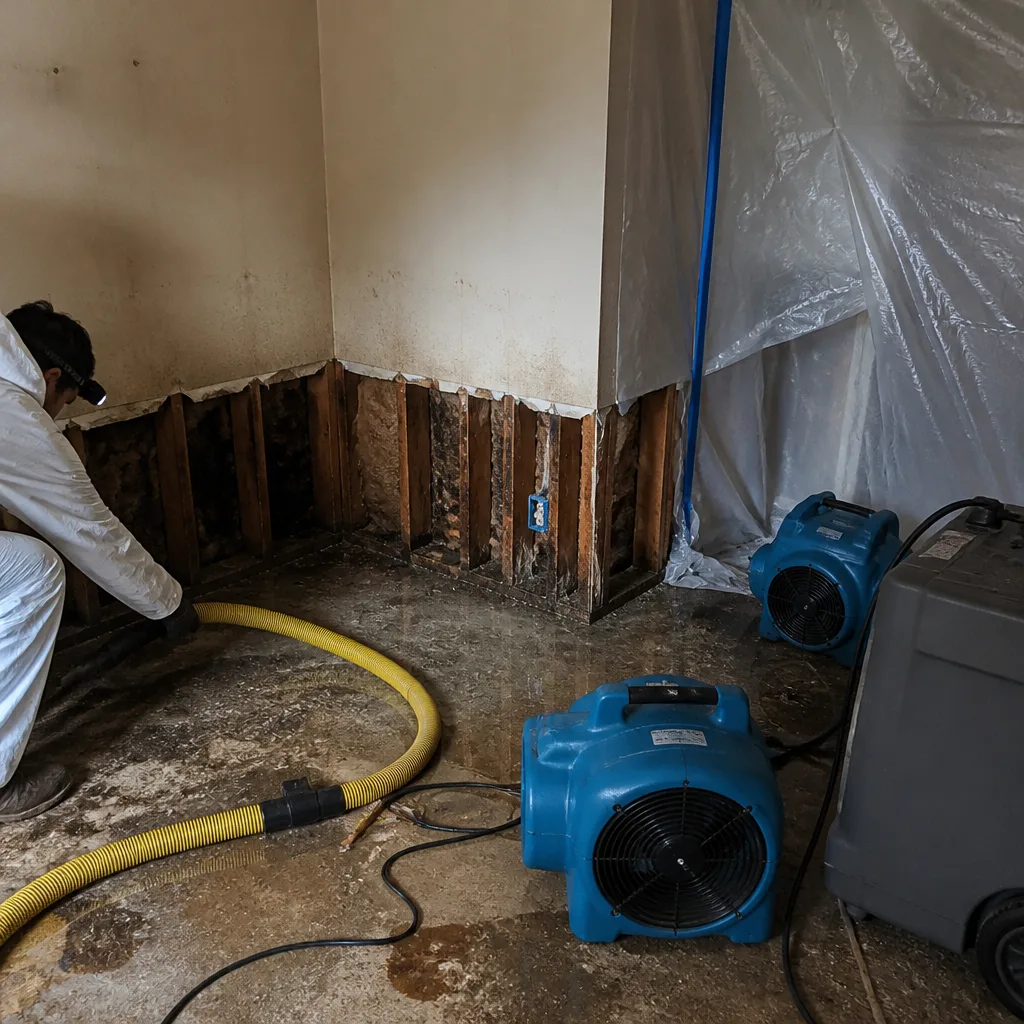
We use Injectidry panels to dry inside wall cavities and floor systems without automatic demolition. A retaining wall that collects runoff after a storm can be dried from the inside out, and the custom flooring above it stays in place. That matters on a hillside home where removing a retaining wall means a graded slope suddenly loses support. We open walls when necessary, not by default.
Documentation for HOA and Insurance
San Joaquin Hills has HOA and insurance standards that demand documentation at every step: moisture logs, drying records, pre-loss condition photos, a written scope before we start and a clearance summary after. We build that file on every remediation job because we’ve watched claims stall without it. A stalled claim leaves wet material sitting, and wet material grows mold. One team from extraction to clearance, no hand-offs, no gaps.
What happens when you call
- 1
A real person answersNo phone trees — you reach a local pro.
- 2
You get an upfront price rangeHonest numbers before anyone is dispatched.
- 3
A background-checked tech heads outLicensed & insured, dispatched right away.
- 4
You approve before work beginsNothing starts until you say go.
Trusted Brands We Service in San Joaquin Hills
We work on every type of structure in San Joaquin Hills – custom estates, gated hillside developments, multi-level homes with vaulted ceilings and stucco cladding. The equipment we run is the same commercial-grade gear used on large-loss commercial jobs: Dri-Eaz dehumidification, Phoenix air movers, XPOWER, B-Air, and Injectidry panels for non-invasive cavity drying. That’s not a selling point; it’s the difference between drying a structure and just drying the surface. When a top-floor closet off a canyon-facing wall is wet, consumer-grade fans won’t pull moisture out of the wall cavity behind it. Our equipment does.
See the difference
 Before
 After
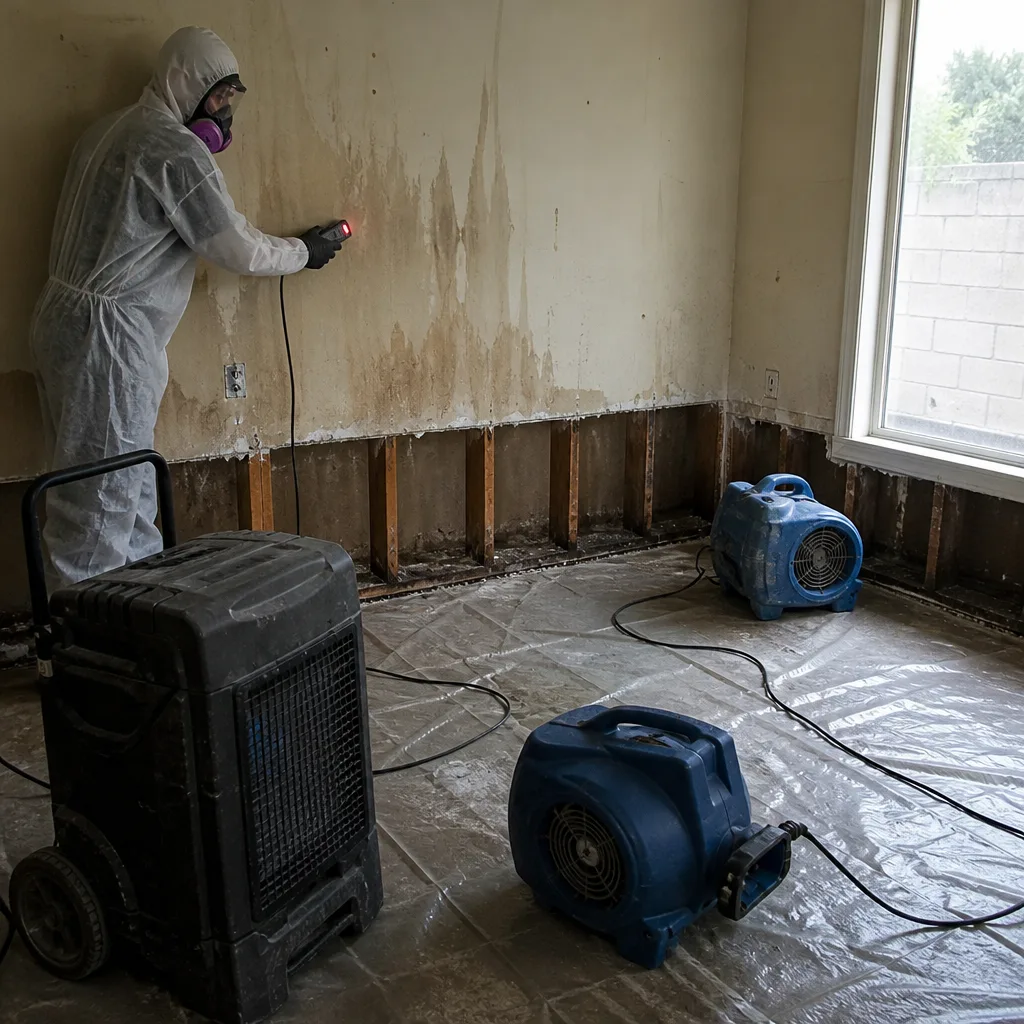 Before
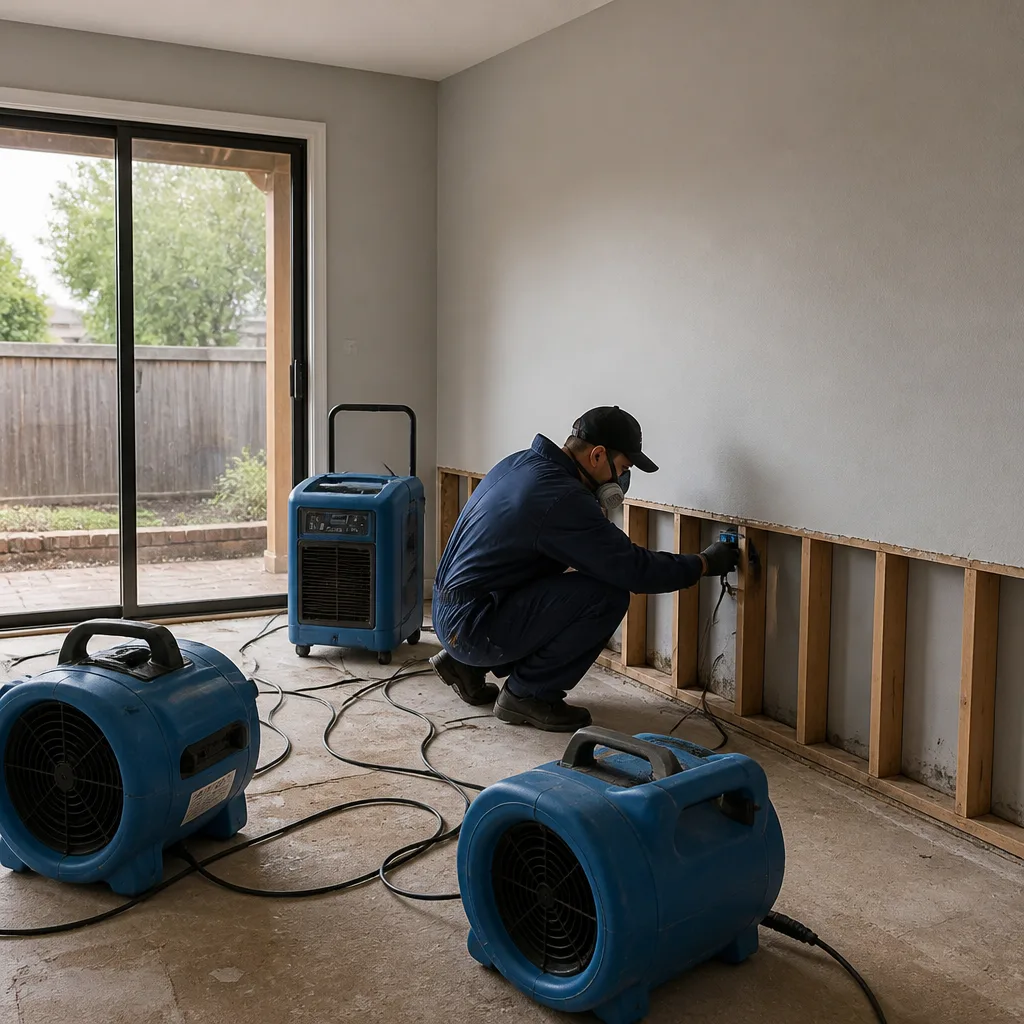 After
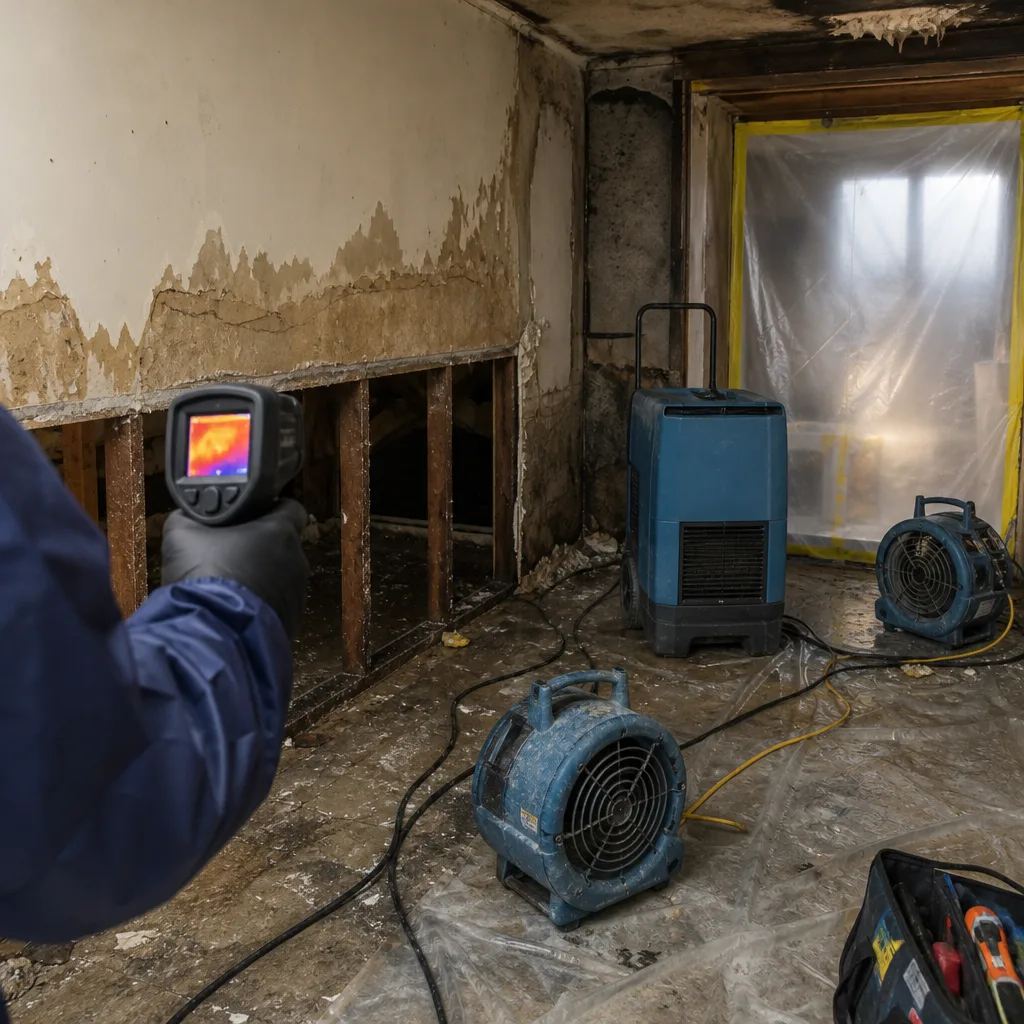 Before
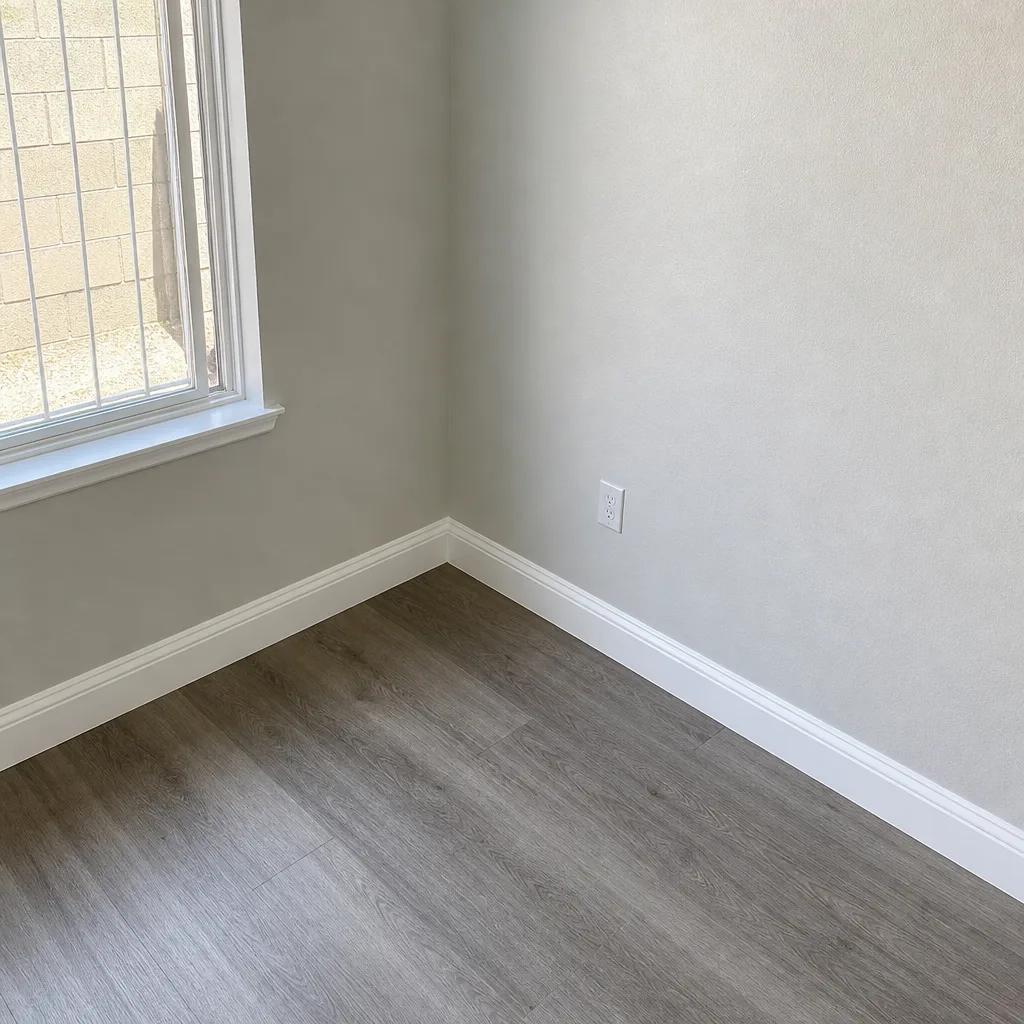 After
Common Mold Remediation Problems We See in San Joaquin Hills Homes
- Ember-damaged attic vents and stucco penetrations. Santa Ana winds push embers and smoke into attic vents and exterior stucco details. The next storm pushes rain through those same openings, and mold grows in attic decking and top-floor closets before anyone looks up-slope for the source.
- Retaining-wall cavities and deck understructures holding runoff. Multi-level graded-slope estates collect rainfall that concentrates fast downslope. Moisture pools in retaining-wall cavities and under decks, and crews that only map interior walls miss it entirely.
- High-end finishes and documentation stall-outs. Custom millwork, imported tile, and luxury flooring mean a rushed mitigation or pack-out without a proper scope and drying logs stalls the insurance claim. Stalled claims leave wet Category 2 material sitting past the mold window.
- Hidden mold in mechanical closets and duct runs. On hillside homes, top-floor mechanical closets sit against canyon-facing walls. When a roofline intrusion feeds moisture into that wall, mold can spread into duct runs and go unnoticed for months because nobody opens that closet door.
Pricing for Mold Remediation in San Joaquin Hills, CA
Mold removal in San Joaquin Hills – cutting out affected drywall, treatment, and drying a contained area – typically runs $1,800 to $6,500. Full mold remediation involving structural drying, attic systems, multiple levels, or retaining-wall cavities runs $4,500 to $12,000. Simple air quality restoration without demolition can start around $900 to $1,800. What drives the higher end here: multi-level floor plans, custom finishes that require pack-out and protection, steep-slope access, and HOA documentation requirements that mean we’re building a claims file from the first moisture reading. Call (844) 716-1094 for an exact quote. Estimates are free, and we’ll give you a written scope before any work starts.
We Also Serve Cities Near San Joaquin Hills
Our Mold Remediation team covers all of San Joaquin Hills and the surrounding coastal communities. If you’re in Aliso Viejo, Newport Beach, Laguna Beach, or Irvine and dealing with mold after a storm season or fire season, call (844) 716-1094. We’ll send the same crew, the same equipment, and the same documented protocol. Damage doesn’t stop at a city line, and neither do we.
Serving San Joaquin Hills, CA — Our Local Coverage Area
We’re based in the San Joaquin Hills area and know this community well. Use the map below to see our service coverage — if you’re nearby, we can almost certainly help.
FAQs About Mold Remediation in San Joaquin Hills
Because embers and smoke damage attic vents and exterior stucco details, and the next winter storm drives rain through those openings into attic decking and top-floor walls. Mold grows in that hidden moisture, sometimes for weeks, before it becomes visible on any ceiling or wall surface. If you’re in the 92657 zip code and your home sat in the ember path during fire season, check your attic vents and top-floor closets now. Call (844) 716-1094 and we’ll moisture-map the suspect areas before mold spreads further.
Yes. The canyon topography concentrates rainfall downslope fast, so water doesn’t sit on a flat lot and slowly evaporate. It runs down graded slopes, pools against retaining walls and foundation lines, and presses into exterior stucco details. Mold from that kind of intrusion can establish in 48 to 72 hours, which is why we treat any post-storm moisture call in San Joaquin Hills as an emergency. The sooner we map the moisture and set Dri-Eaz dehumidification, the less material has to come out.
Storm-driven runoff that pushes through stucco and soil into a home is typically Category 2 water – contaminated with soil, debris, and organics from the slope. That’s not clean water from a supply line. It carries the kind of material that accelerates mold growth and requires antimicrobial treatment, not just drying. Full remediation is almost always the correct scope, not a surface cleaning. Call (844) 716-1094 and we’ll tell you exactly what category you’re dealing with after the first moisture reading.
We start with a written scope and pre-loss condition photos. We set containment with negative air pressure so spores don’t move through the house during removal. Custom millwork, stone, and flooring get protected or packed out with documentation. We dry cavities with Injectidry panels so we’re not tearing out walls that don’t need to come out. And we keep a moisture log and drying record on every zone so your insurer sees exactly what happened, when, and why. One team from extraction to clearance, no hand-offs.
Yes, and it happens in San Joaquin Hills more than most places. Ember damage to attic vents and stucco penetrations is not visible from inside the home, and mold can establish in attic decking or a top-floor wall cavity for weeks before staining shows on drywall. A crew that only looks at visible surfaces will miss it. We moisture-map the attic, the mechanical closets, and the exterior penetrations because that’s where the source lives on these hillside homes. Call (844) 716-1094 to schedule a full inspection.
If you’re in San Joaquin Hills and you can smell mold or see staining, don’t wait for it to spread through the structure. Call Flood Guard Water Damage at (844) 716-1094. We’ll answer, ask the right questions, and give you a straight answer about next steps and cost. Written scope, documented drying, IICRC-certified protocol. That’s how this should work.
Written by Noel Ibarra, Owner at Flood Guard Water Damage, serving San Joaquin Hills and the surrounding coastal communities.