

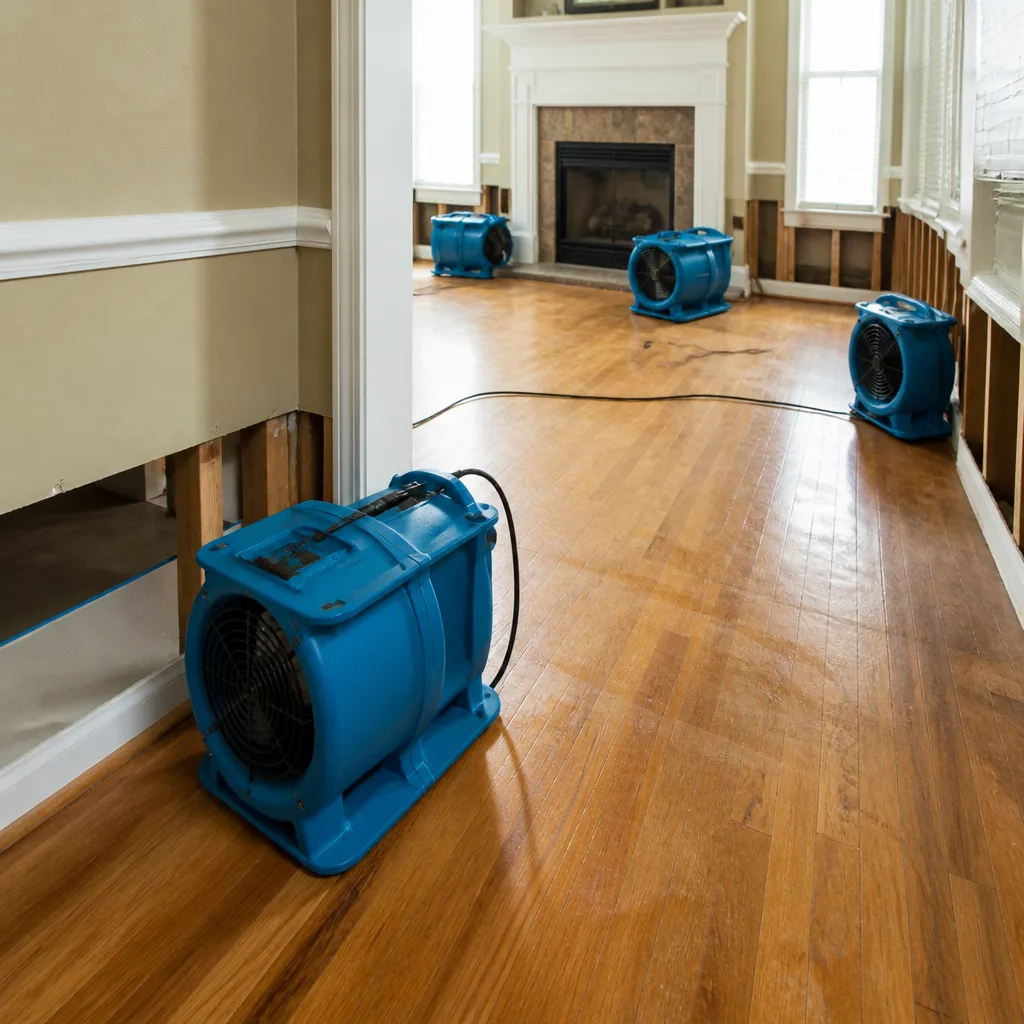
 Water damage drying
 Fire & smoke cleanup
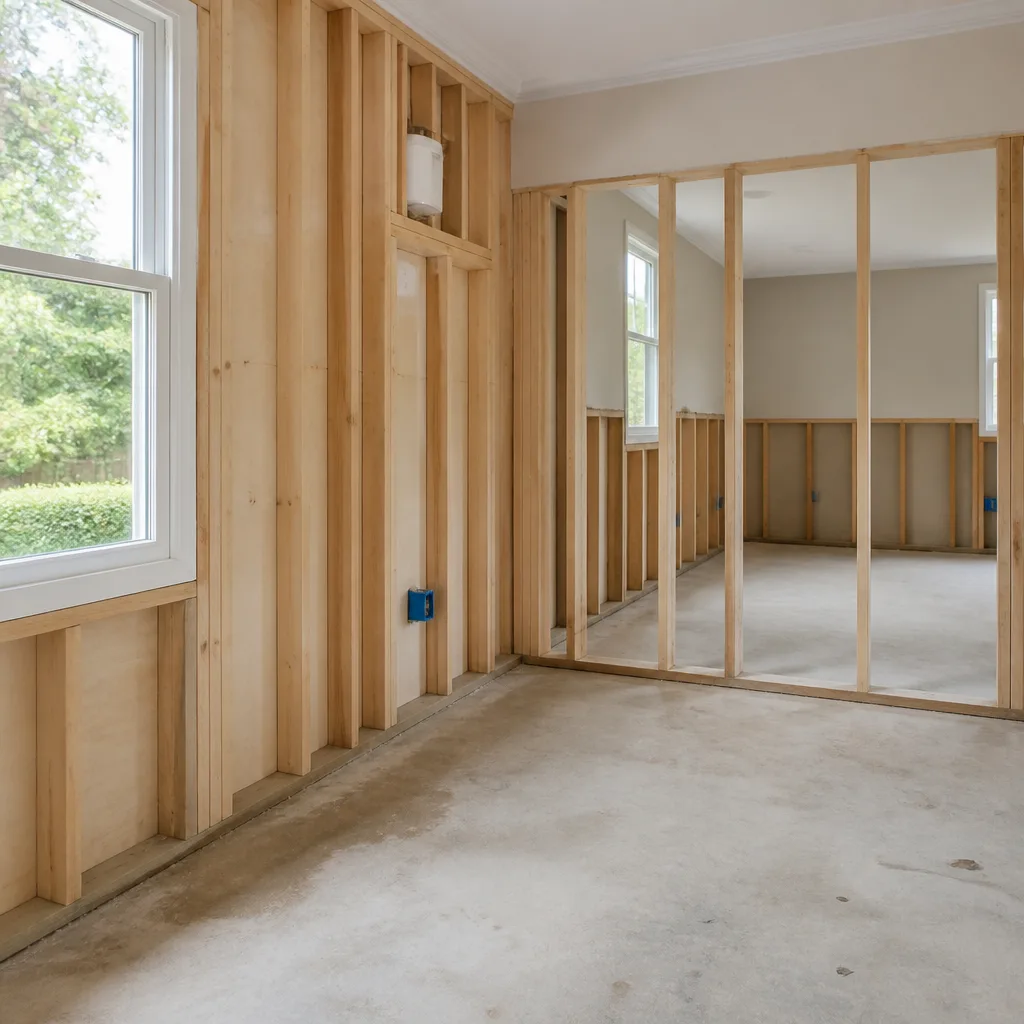 Mold remediation
 Storm response
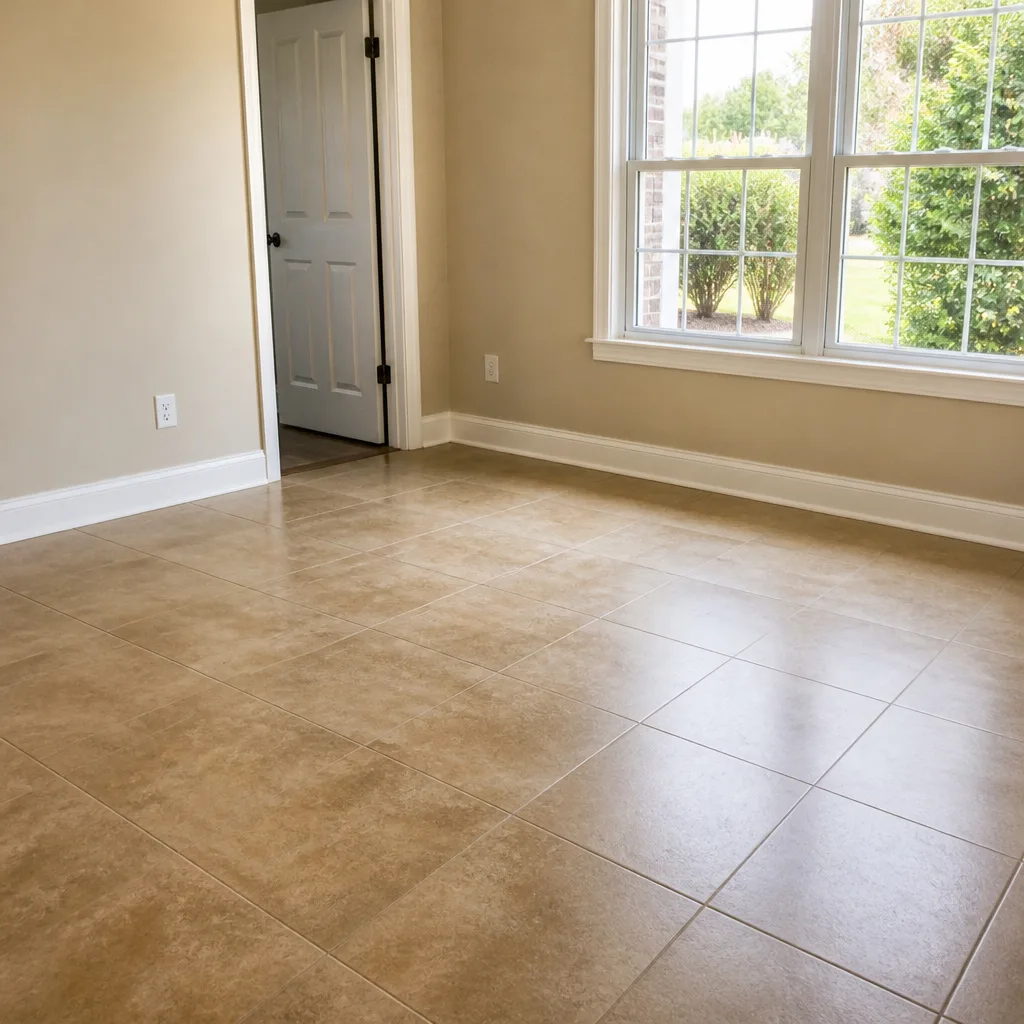 Sewage cleanup
 Reconstruction
Free visual inspection and a written scope of work before any mitigation begins - photos, moisture readings, and drying logs go in your claim file
The scope we write is the scope we bill. Anything new gets shown to you, in writing, before we touch it.
Get your free estimateFast, Reliable Mold Remediation Across Temecula
Mold remediation in Temecula typically costs between $1,800 and $6,500 depending on how far the spores have traveled and whether the source is a hidden stucco leak or a surface-level bathroom vent issue. Most jobs in the 92591 and 92592 ZIP codes take two to four days from containment to clearance. If you’ve spotted dark staining along a baseboard, smelled must in a hallway closet, or just watched water wick up a wall after the first winter rain, call Flood Guard Water Damage at (844) 716-1094. We’re based in Rancho Cucamonga and run crews into Temecula regularly, and we know exactly where this city’s homes hide moisture.
Why Flood Guard Water Damage Is Temecula’s Preferred Mold Remediation Company
We’ve spent enough time inside Redhawk, Paloma del Sol, and the older ranch properties along Butterfield Stage Road to know that Temecula doesn’t have one mold pattern. It has three or four, and they each require a different moisture-mapping approach before any demolition starts. Our techs are IICRC-certified in applied microbial remediation, and we run Injectidry drying systems that pull trapped water from wall cavities without defaulting to tear-out. That matters in Temecula, where the 1980s and 1990s tract homes share floor plans, meaning a leak source in one Paloma del Sol cul-de-sac is very likely repeating itself three streets over.
We also know the terrain. A property along the rural edge near De Luz or Rainbow with a well and septic system isn’t the same job as a two-story HOA home off Margarita Road. The water source, the air movement, the containment logic, and the insurance conversation all shift. Our reviews from Temecula homeowners consistently mention the same things: we show up with commercial-grade equipment, we document every moisture reading in writing, and we don’t rip out drywall because it’s faster for us. Led by Noel Ibarra, our team follows a documented, measurement-based protocol on every job. That’s not a slogan. It’s how we keep a simple mold call from becoming a six-week rebuild.
Restoration work we handle
Mold Inspection in Temecula
Mold Inspection in Temecula starts with a question most homeowners never think to ask: where is the water coming from, and is it still moving? In Temecula, the answer is frequently behind the stucco. A visual inspection alone misses the wall cavity moisture that feeds recurring mold in 1990s tract homes, so we pair a physical walkthrough with pin-type and non-invasive moisture meters. Expect to pay between $350 and $600 for a full inspection with moisture mapping and photo documentation. If you’re buying a home in Redhawk or selling a property off Rancho California Road, a documented inspection report with thermal imaging and humidity logging can support your negotiation or satisfy a lender’s concern.
When Temecula Homeowners Request This
A musty smell in a hallway closet, staining that returns after repainting, or a known wind-driven rain leak from the previous winter are all reasons Temecula homeowners call us before the visible mold spreads. Attic inspections are common after Santa Ana wind events, when embers and ash intrusion drive homeowners up into the eaves and they spot dark growth around roof sheathing.
What the Report Shows
Our inspection reports include moisture content readings by room, a source assessment for each affected area, and photo documentation marked for your insurance adjuster. If we find elevated spore counts but no visible growth, the report tells you whether you’re dealing with a live moisture source or a dry, dormant condition that just needs cleaning.
Mold Removal Specialist in Temecula
A Mold Removal Specialist in Temecula can’t just scrub what’s visible on the drywall and call it done. The job involves containment, negative air pressure, HEPA filtration, and an understanding of how Temecula’s stucco construction traps moisture between the exterior cladding and the interior framing. The visible staining is usually the end of the problem, not the beginning. Remediation costs here run $1,800 to $6,500, with hidden wall-cavity work falling on the higher end. If the mold source is a failed weep screed or window flashing, the drying protocol has to address the cavity itself, or the growth returns within a season.
Containment Before Demolition
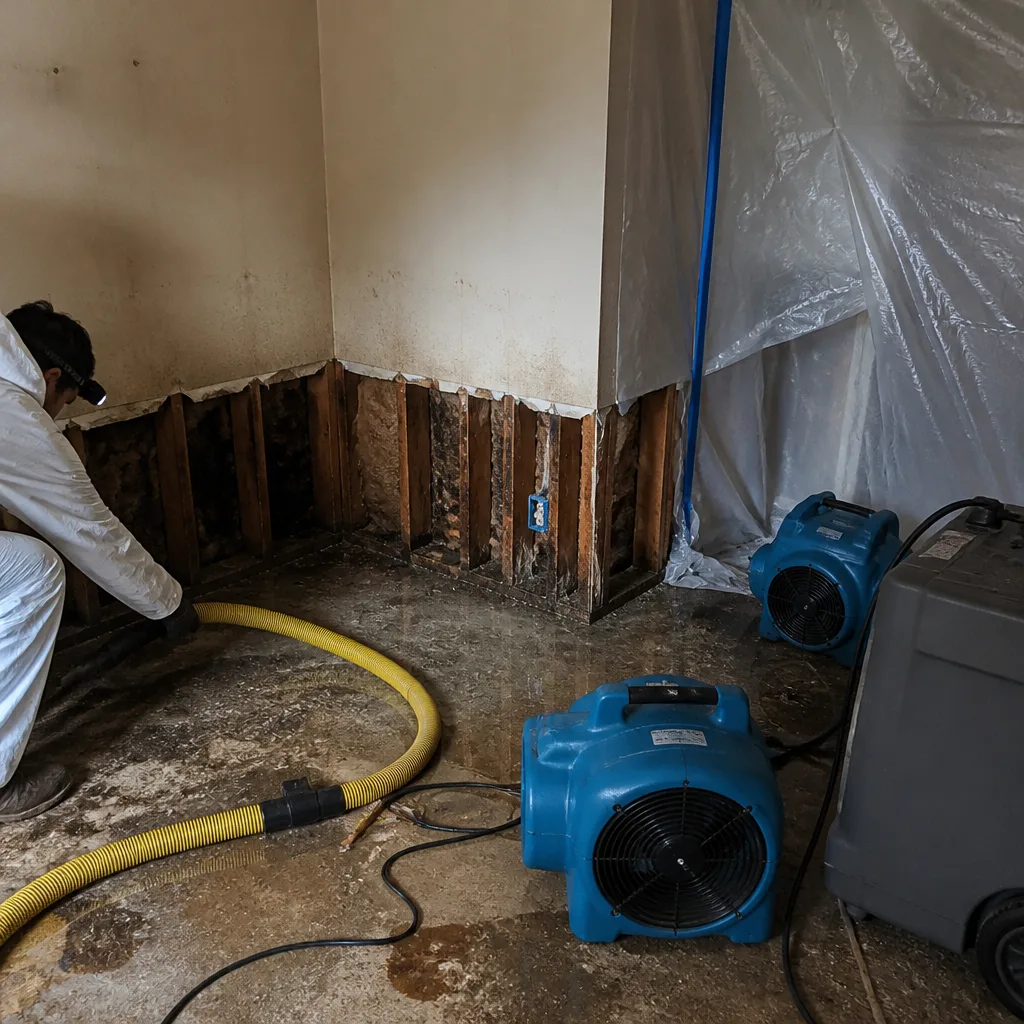
In Temecula’s two-story tract homes, HVAC returns often sit within a few feet of the wet wall. If we start cutting and sanding without containment, the spores leave the room and ride the return air through the whole house. We set up poly containment, run negative air machines, and keep the affected zone at a negative pressure until clearance testing passes.
Injectidry and Structural Drying
One thing that separates our Temecula jobs from a handyman’s approach: we don’t automatically open every wall. Injectidry panels can pull moisture from behind stucco through small access openings, drying the cavity and the stud bay without demolition. That saves drywall, paint, and money. When the drywall is too far gone, we remove it, treat the framing with an antimicrobial, and document everything with moisture logs.
Trusted Brands We Service in Temecula
Our Temecula crews run Dri-Eaz and B-Air drying equipment, with Phoenix dehumidifiers on the larger commercial or multi-unit jobs. The Injectidry systems we use for hidden cavity drying are the same tools commercial restoration teams use on large-loss hospital and school projects. We keep replacement filters, HEPA cartridges, and containment materials stocked on our trucks before heading down the I-15, so a Temecula job doesn’t stall because someone forgot a gasket. When your home has mold behind the stucco, the equipment matters as much as the person running it. That’s the line we won’t cross.
See the difference
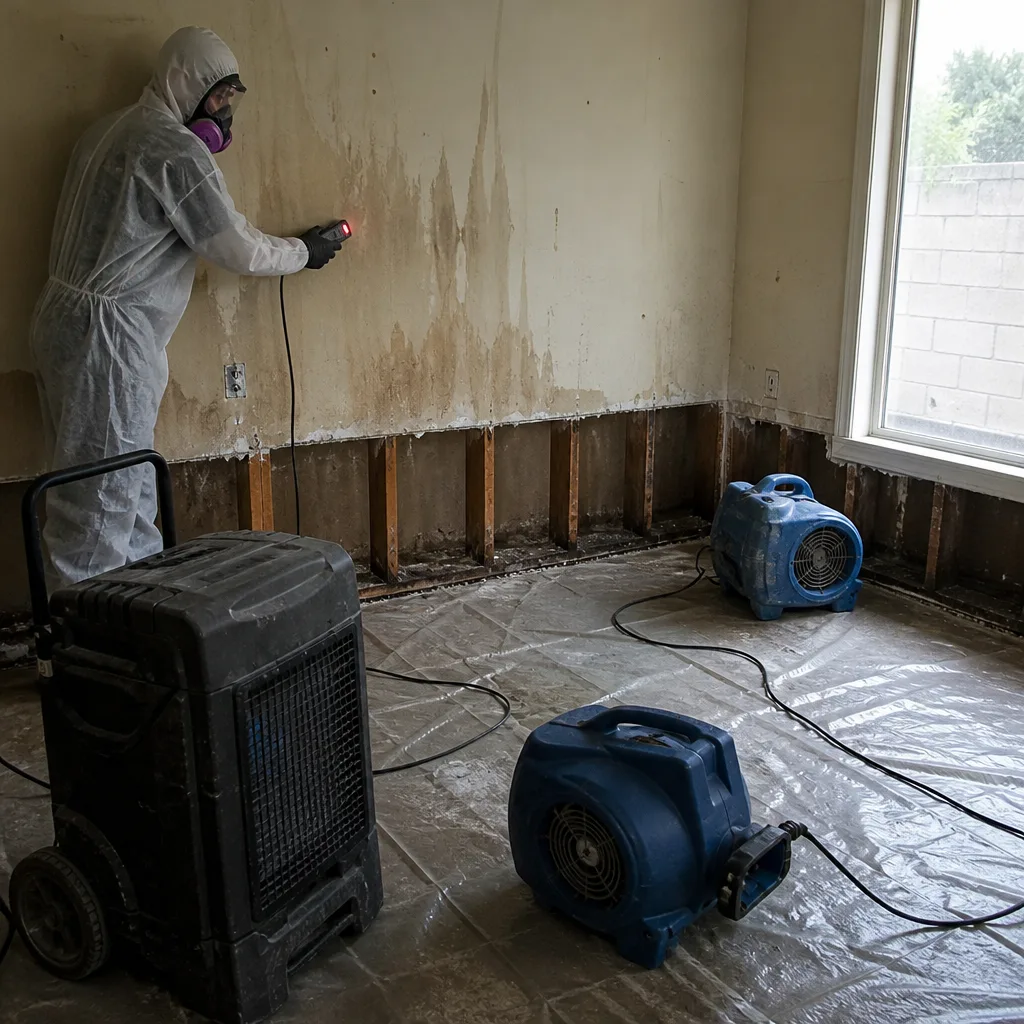
 Before
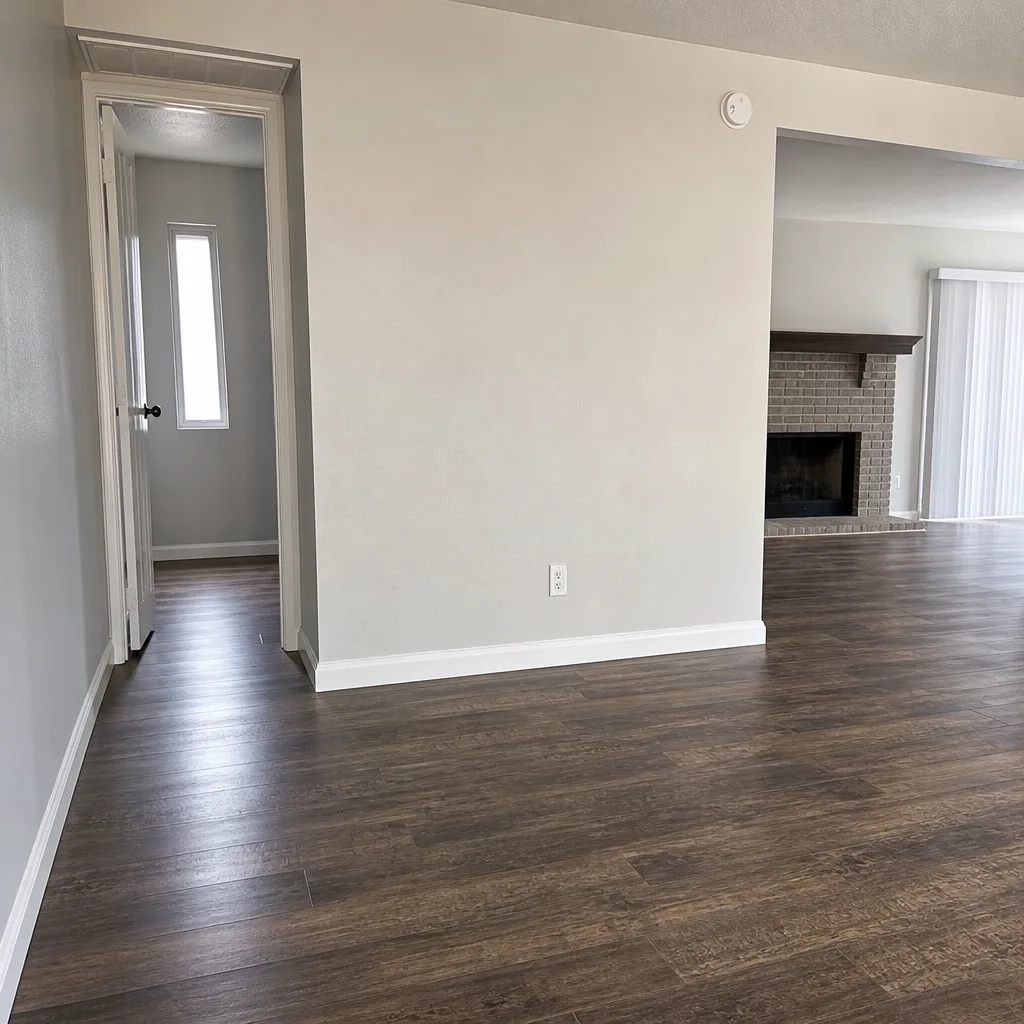 After
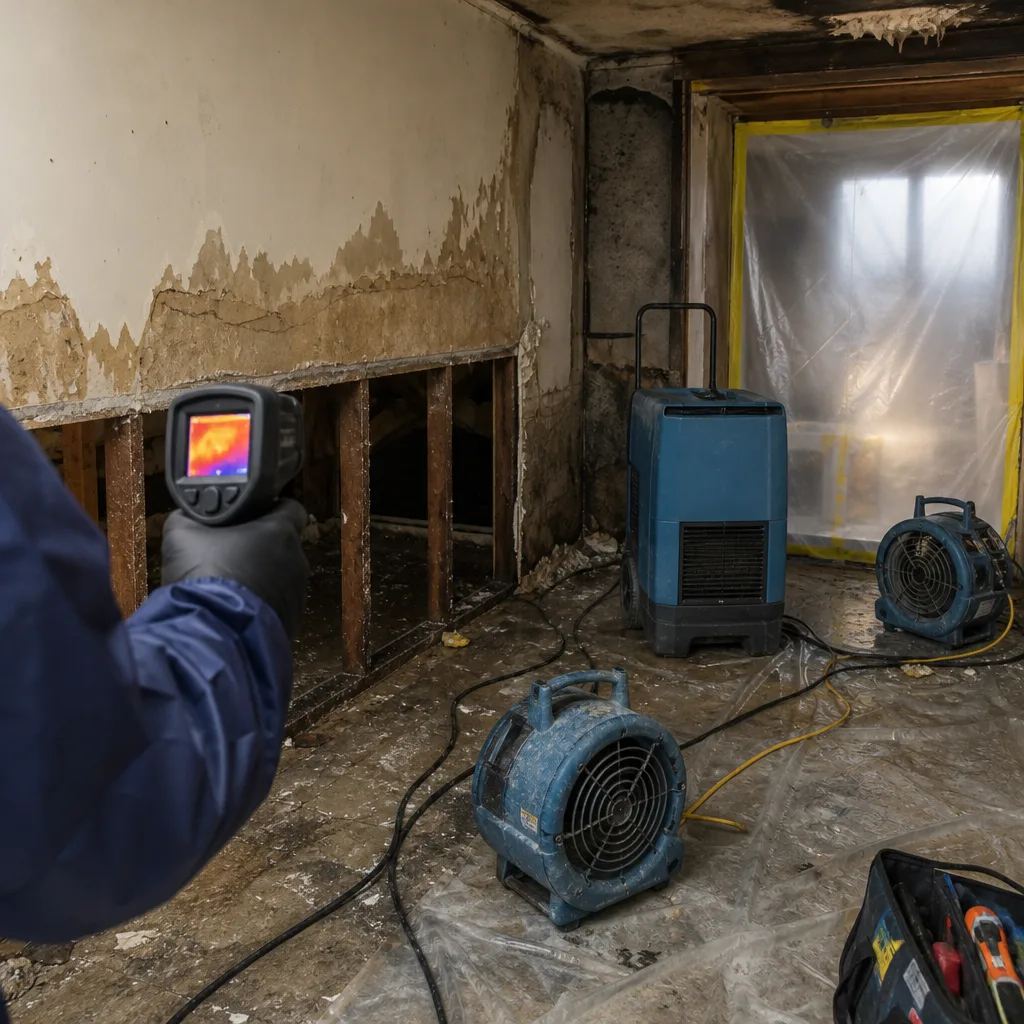
 Before
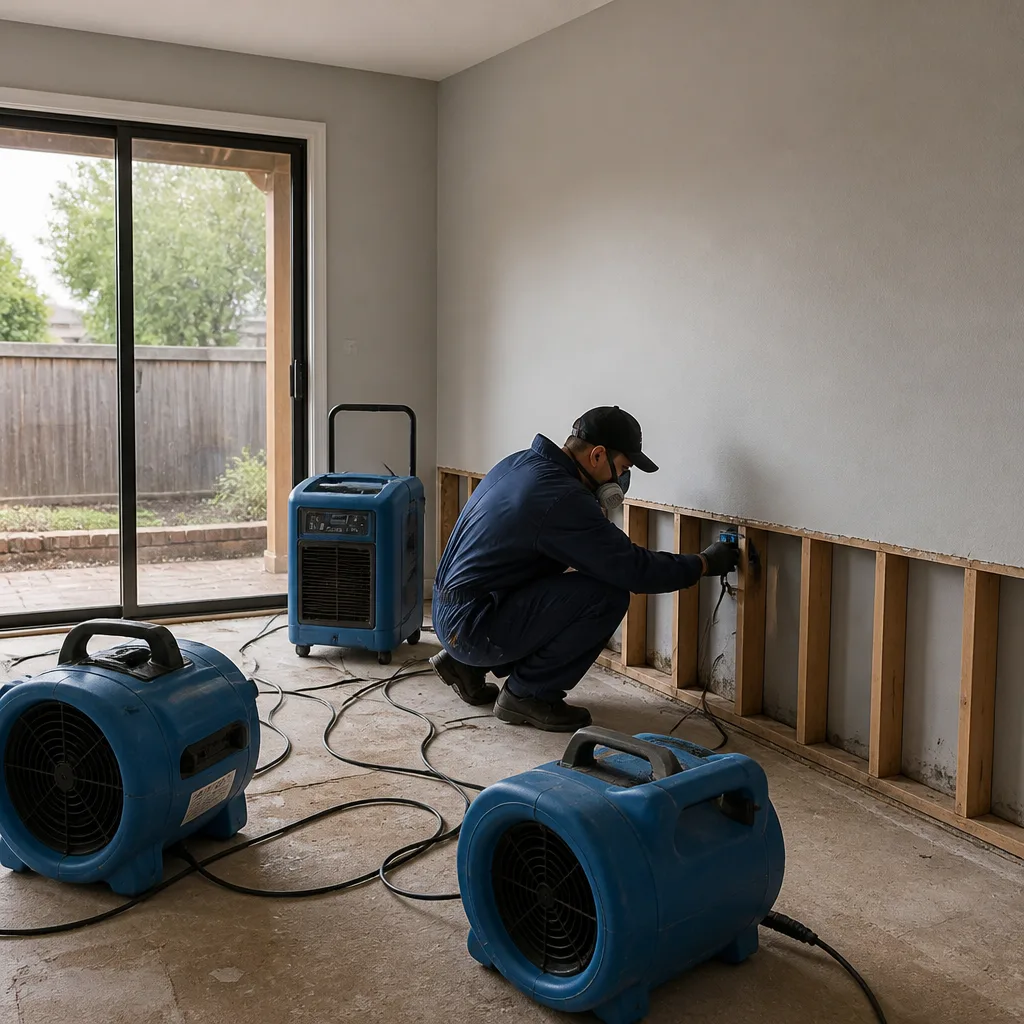 After
 Before
 After
Common Mold Remediation Problems We See in Temecula Homes
- Wind-driven rain behind stucco: Temecula’s first big winter storm finds every compromised window flashing and weep screed in the 1990s tracts, especially in Redhawk and Paloma del Sol. The water doesn’t pool on the floor. It wicks into the wall cavity, and by the time you see the carpet stain, the framing has been wet for months.
- HVAC returns pulling spores through the house: In two-story floor plans with central returns near the wet wall, an uncontrolled demo spreads mold through the ductwork. We see this after homeowners cut into a wall themselves or a handyman starts pulling baseboards without containment.
- Rural well and septic complications: Properties along the rural edges near Rainbow and De Luz aren’t on city water, and a sewage or greywater source changes the remediation category entirely. A Category 1 water loss is clean water. A septic backup is not, and treating it like clean water creates a hazard.
- Recurring growth in the same floor plan: Temecula’s tract homes share original construction details. If one house on a Paloma del Sol street has weep screed mold, the neighbors’ homes likely carry the same hidden moisture. We routinely find the same failure pattern three doors down.
Pricing for Mold Remediation in Temecula, CA
A straightforward bathroom vent mold job in Temecula runs $1,200 to $2,500. A hidden wall-cavity remediation behind stucco, with containment and Injectidry drying, lands between $3,500 and $6,500. Whole-house remediation after a long-running leak or an extensive wildfire smoke-and-ash intrusion can exceed $8,000, especially on larger two-story tract homes in 92592 where the affected square footage doubles your containment costs. The three factors that move your quote: how far the spores have spread, whether HVAC systems need cleaning, and how much demolition is required to reach the moisture source. Our estimates are free, and we give you a written scope with moisture readings before work starts. Call (844) 716-1094 for a number tied to your specific address.
We Also Serve Cities Near Temecula
Beyond Temecula proper, our crews cover Temecula neighboring communities including Murrieta Hot Springs, Murrieta, Rainbow, and Wildomar. Many of the same stucco-flashing and tract-home failure patterns show up across the city line in Murrieta’s 1980s and 1990s builds. If you’re in a HOA community, a rural run off Clinton Keith Road, or a hilltop property in Rainbow, we’re already working nearby. See our Mold Remediation service page for more on our full process.
Serving Temecula, CA — Our Local Coverage Area
We’re based in the Temecula area and know this community well. Use the map below to see our service coverage — if you’re nearby, we can almost certainly help.
FAQs About Mold Remediation in Temecula
Mold can begin colonizing within 48 to 72 hours after water wicks behind stucco, but in Temecula’s cool winter temperatures inside wall cavities, the growth often takes two to three weeks to become visible. The problem is that the moisture stays hidden much longer. By the time a homeowner smells it in a hallway or sees staining along the baseboard, the growth is well established. Call us at (844) 716-1094 if you’ve had a leak, even if nothing is visible yet.
Temecula’s 1990s tract homes, particularly in Redhawk and Paloma del Sol, used window flashing and weep screeds that fail during the first strong winter storm. Water enters behind the stucco, travels down the sheathing, and soaks into the wall cavity and studs. The drywall on the inside absorbs moisture slowly, so the first visible sign is often a carpet stain or baseboard swelling inches away from the actual source.
Yes, and more often than people expect. Wildfire ash intrusion leaves acidic soot in attics, wall cavities, and HVAC systems, and smoke-damaged homes often get soaked during wildfire response or wind-driven rain before the repairs are complete. That combination can create secondary microbial growth in the weeks after the fire. If you had a smoke cleanup this fall and now smell something musty, get a moisture reading on the affected rooms and ductwork before assuming it’s just residual char.
A well-and-septic property along Temecula’s rural edges presents a category risk that tract homes don’t. If the water source is a septic backup or greywater line break, the contamination category shifts, and the remediation requires different antimicrobial protocols, disposal methods, and personal protective equipment. On a tract home served by city water, a supply-line leak is typically Category 1 and less hazardous. The source defines the scope, and on well properties we verify that before opening any wall.
We document everything in writing: moisture content readings by room, thermal imaging of the affected cavities, photo and video evidence of containment and drying, and a drying log with readings taken daily. Temecula adjusters see a lot of vague mold claims, and a scope backed by measurement data and IICRC protocol documentation settles faster than a verbal description. We coordinate directly with your adjuster and can provide the same pre-loss condition context they need to process your claim.
Written by Noel Ibarra, Owner at Flood Guard Water Damage, serving Temecula and surrounding communities.