 Water damage drying
 Fire & smoke cleanup
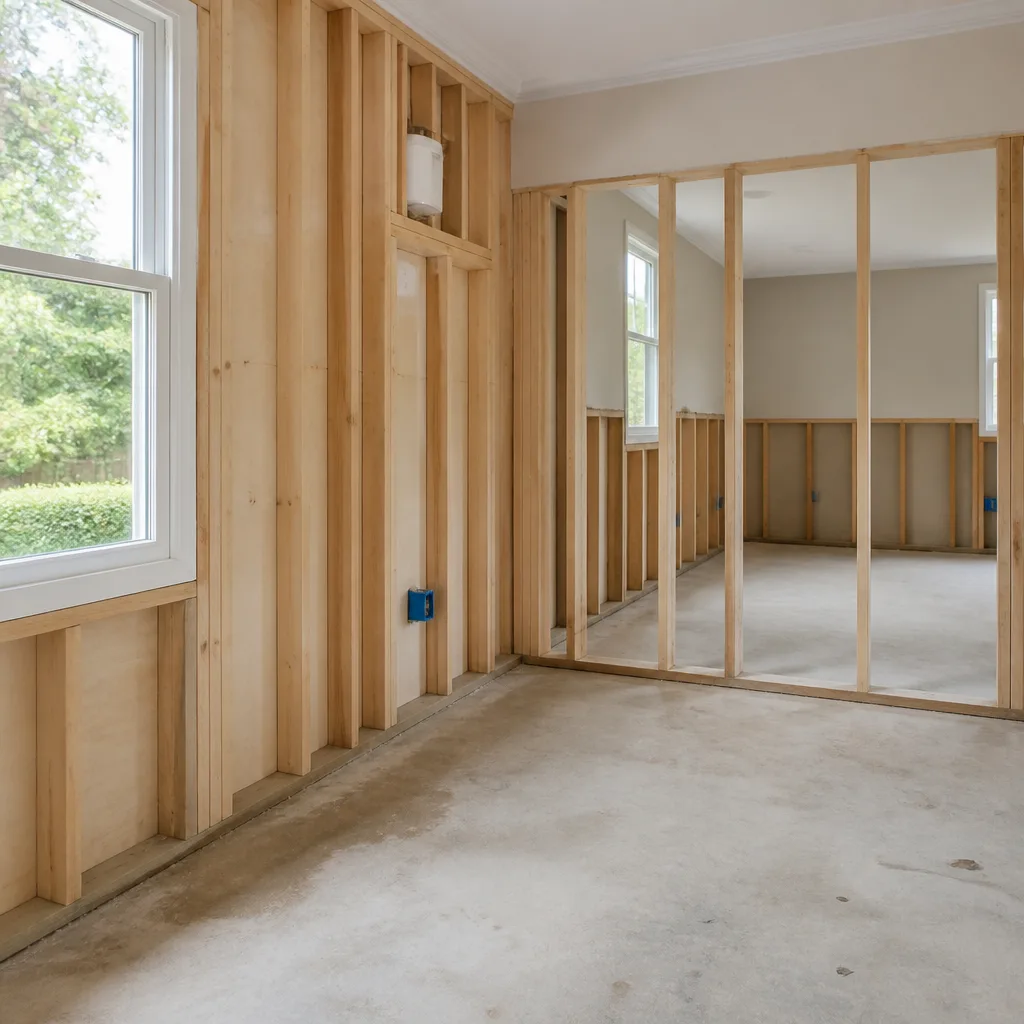 Mold remediation
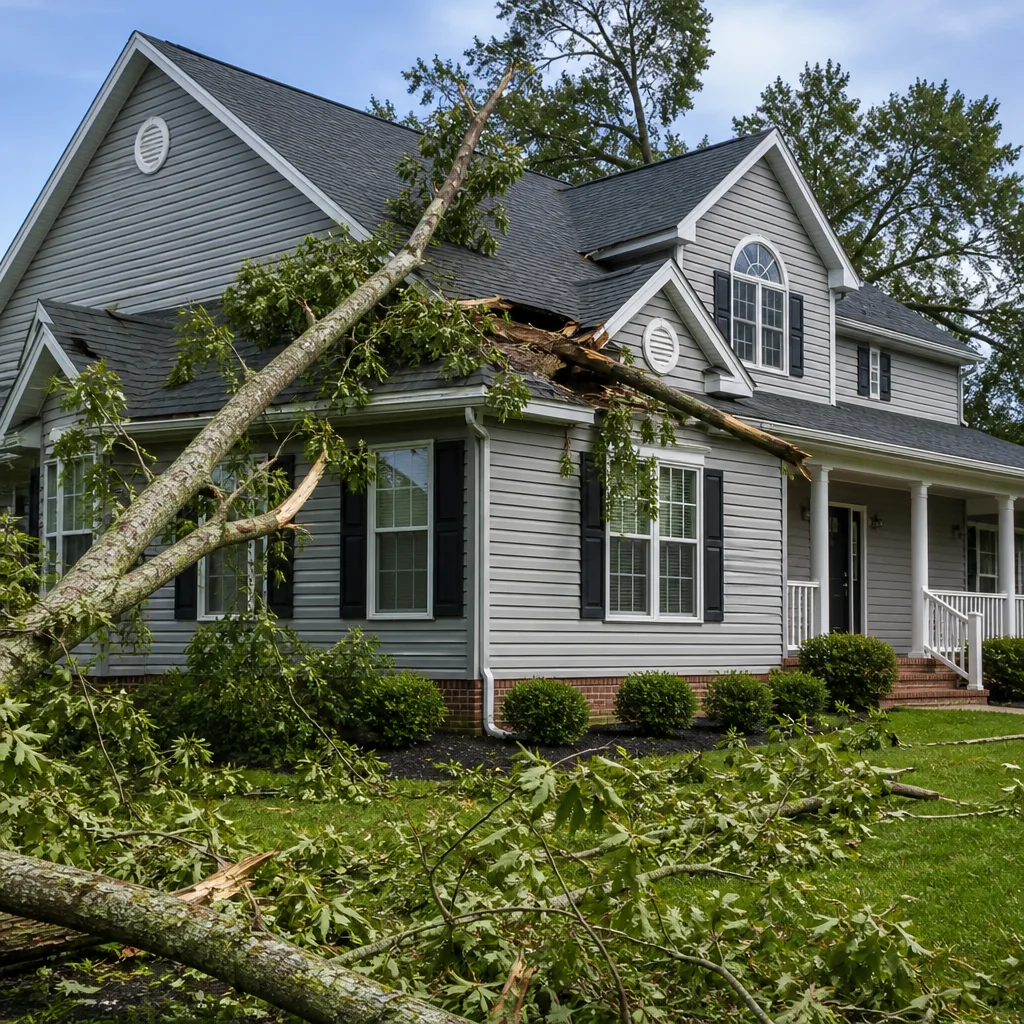 Storm response
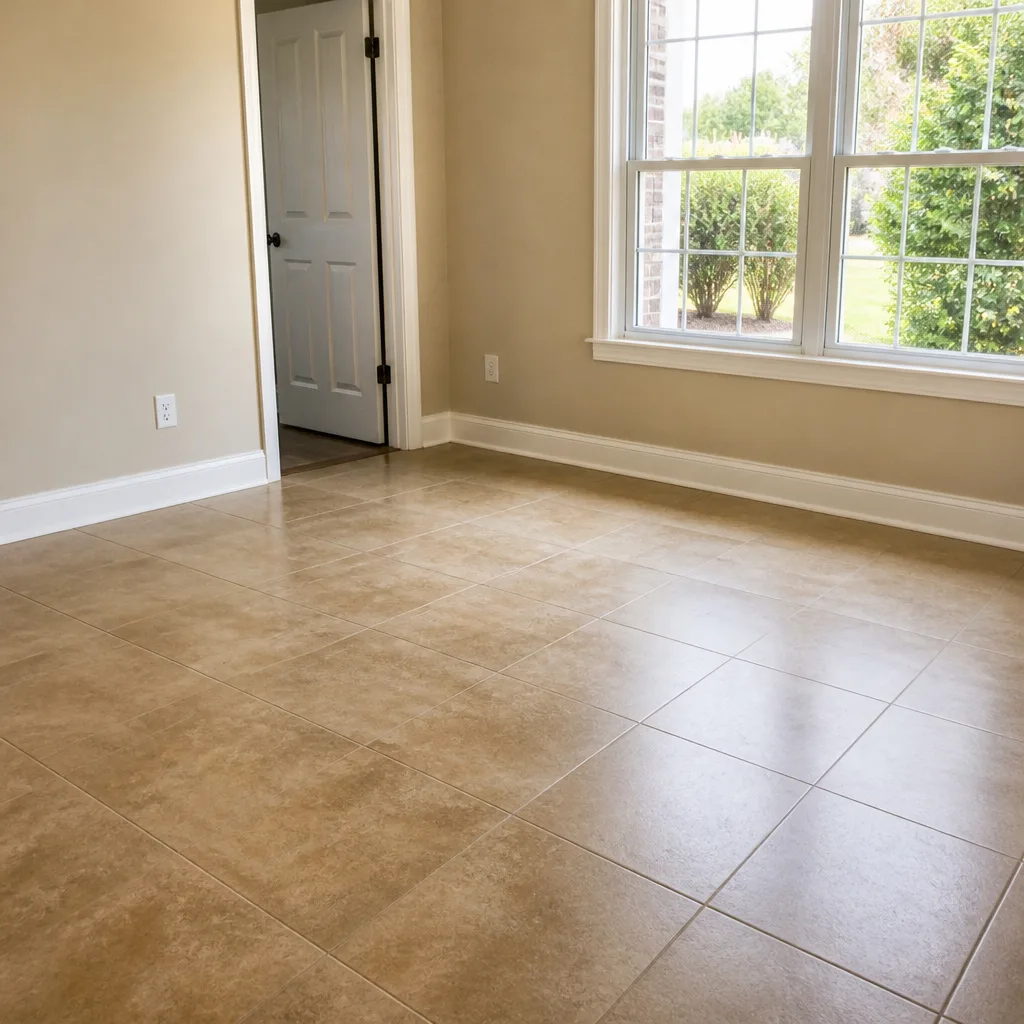 Sewage cleanup
 Reconstruction
Free visual inspection and a written scope of work before any mitigation begins - photos, moisture readings, and drying logs go in your claim file
The scope we write is the scope we bill. Anything new gets shown to you, in writing, before we touch it.
Get your free estimateFast, Reliable Water Damage Restoration Across Apple Valley
Water damage restoration in Apple Valley usually starts with a call like yours: water where it shouldn’t be, spreading through a slab-on-grade home with no basement to catch it. We respond to Apple Valley homes and commercial properties from our Rancho Cucamonga base, and we know the High Desert well enough to know what we’re walking into before we arrive. Wind-driven roof damage off Highway 18, evaporative cooler pan leaks in 1990s tract homes, and well-tank failures on semi-rural acreage all behave differently, and they all need a different drying approach. Call (844) 716-1094 and we’ll get a crew moving toward your ZIP code, not just “somewhere in the High Desert.”
Key Takeaways:
- Apple Valley water damage often starts from well systems, evaporative coolers, or wind-driven roof intrusion, not the plumbing failures valley-floor crews assume.
- Slab-on-grade construction means water travels horizontally into walls and under tile, and it hides there unless moisture is measured, not just eyeballed.
- We run IICRC-certified drying protocols with Dri-Eaz and Phoenix equipment, and we document moisture readings until the structure hits pre-loss condition.
Why Flood Guard Water Damage Is Apple Valley’s Preferred Water Damage Restoration Company
Noel Ibarra built Flood Guard Water Damage around a straightforward idea: homeowners in crisis shouldn’t have to guess whether the crew that shows up actually knows what they’re doing. Our restoration work follows IICRC-certified methodology, the same standard commercial loss teams use on large jobs. We’re active with the Restoration Industry Association, and we run Dri-Eaz and Phoenix drying equipment because those are the brands that hold up on real structural drying, not the consumer-grade gear that gets rented from a big-box store.
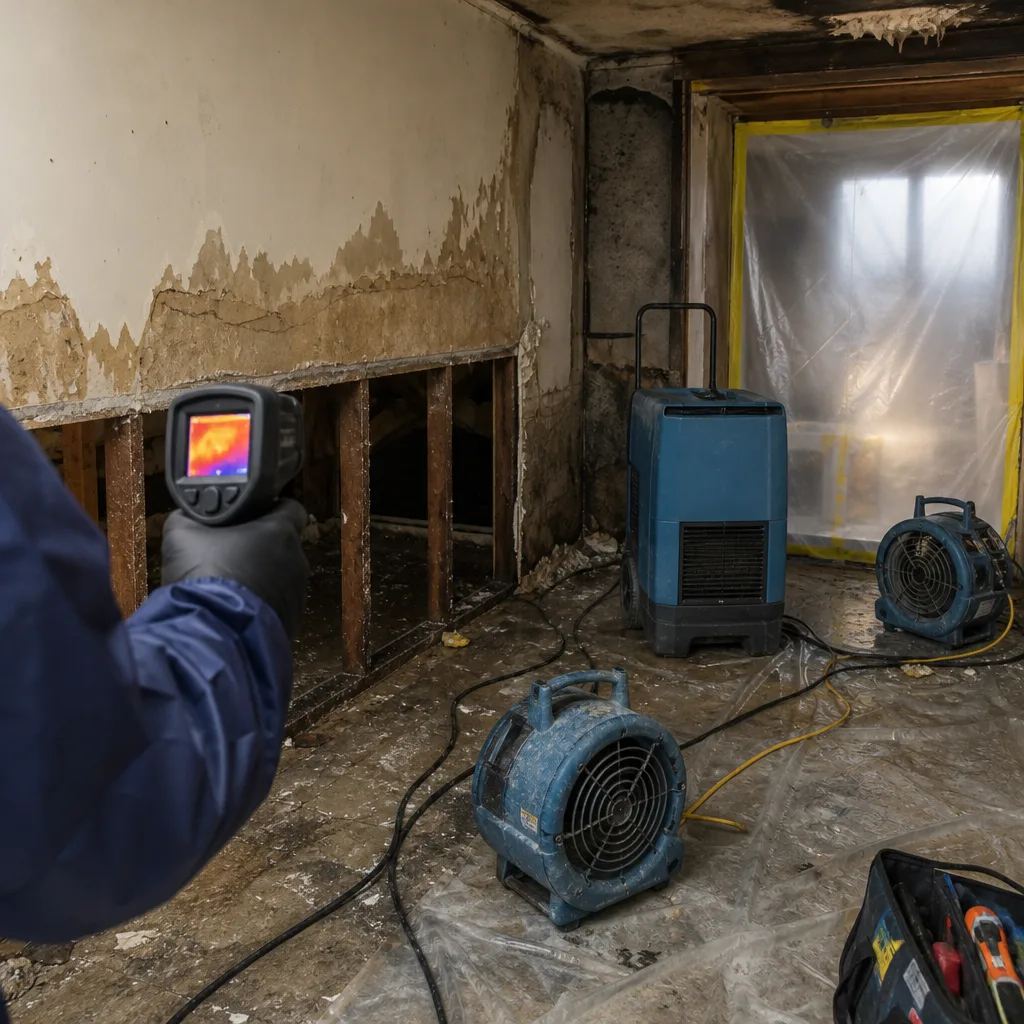
What separates us in Apple Valley specifically is that we’ve worked enough High Desert properties to know what valley-floor contractors miss. A well pressure tank that blows out overnight pushes category 2 water across a slab, and that water doesn’t pool politely in one room. It wicks into baseboards, under vinyl plank, and into the wall cavities. We moisture-map those cavities before we open anything, and we open walls when measurements say we need to, not because it’s the fastest way to a repair bill.
Restoration work we handle
Water Mitigation in Apple Valley
Water mitigation in Apple Valley is the first-phase work that stops a loss from getting worse: extraction, containment, and controlled structural drying before reconstruction ever enters the conversation. The stakes out here are different from the valley floor because slab-on-grade homes give water a clear path to travel horizontally through walls and under flooring, and the only place it has to go is wherever capillary action takes it. When a homeowner calls us after a supply line bursts or a monsoon-driven flash flood pours through a door, the mitigation window is measured in hours, not days.
Extraction and Containment First
We start with truck-mounted and portable extraction systems to pull standing water off slab floors and out of carpet pads. Then we set containment if the water is category 2 or 3, because wall cavities and baseboards that got hit with gray or black water need antimicrobial treatment before drying begins. Skipping that step is how you end up with a drywall repair that smells like a sewer three weeks later.
Drying the Structure, Not the Surface
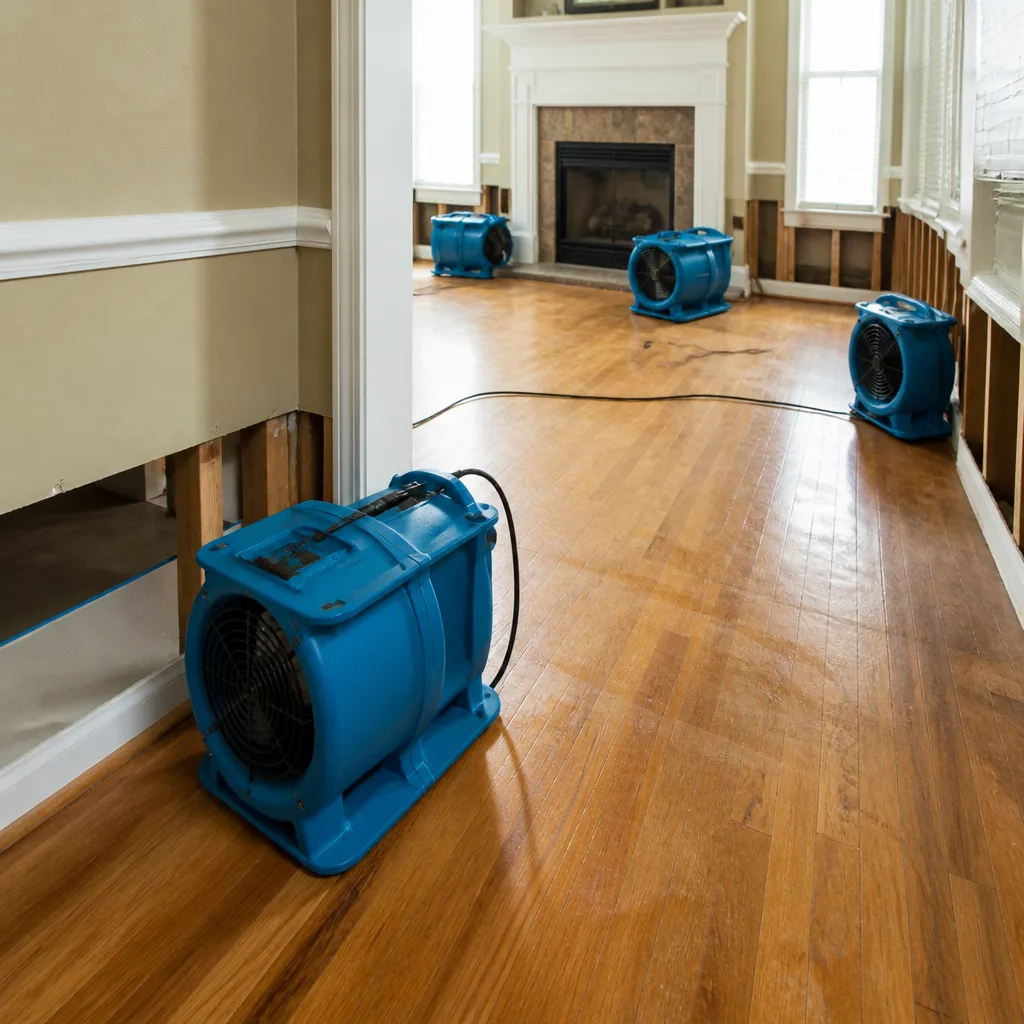
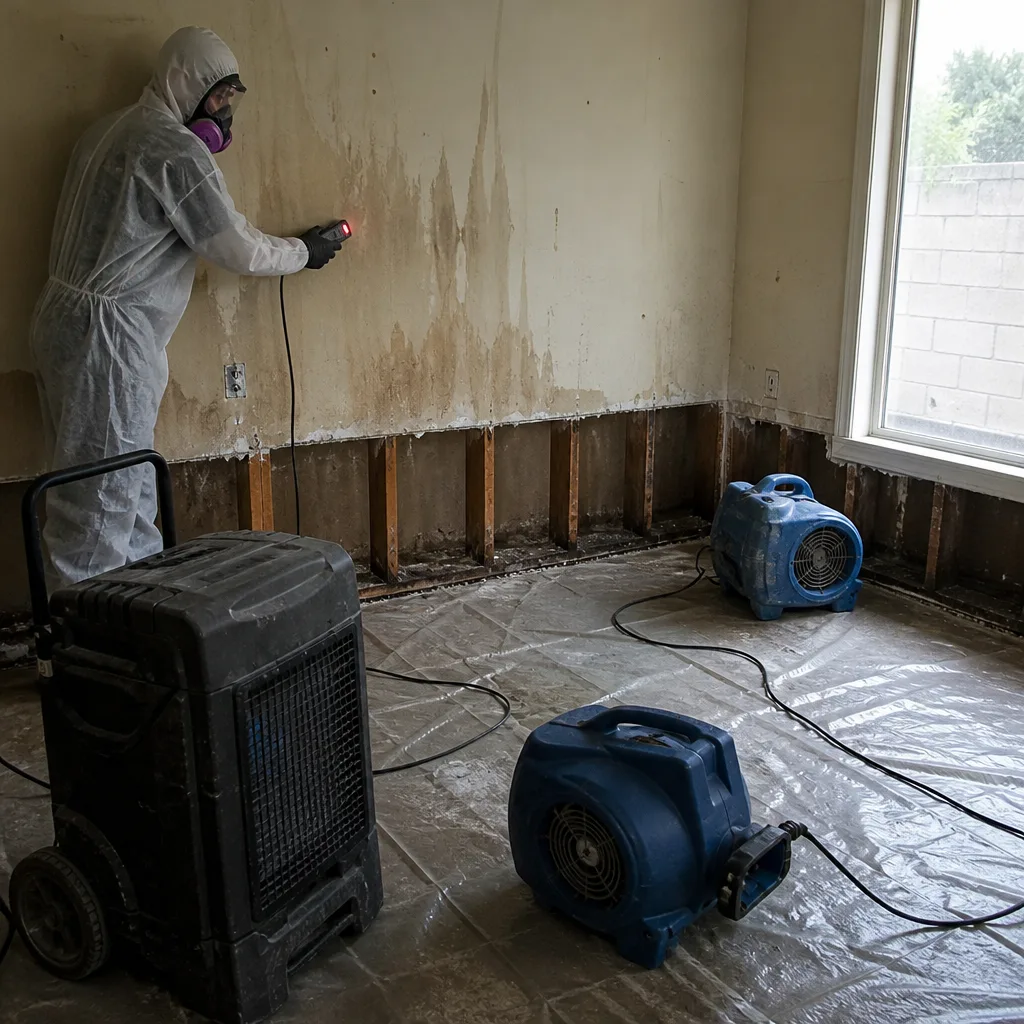
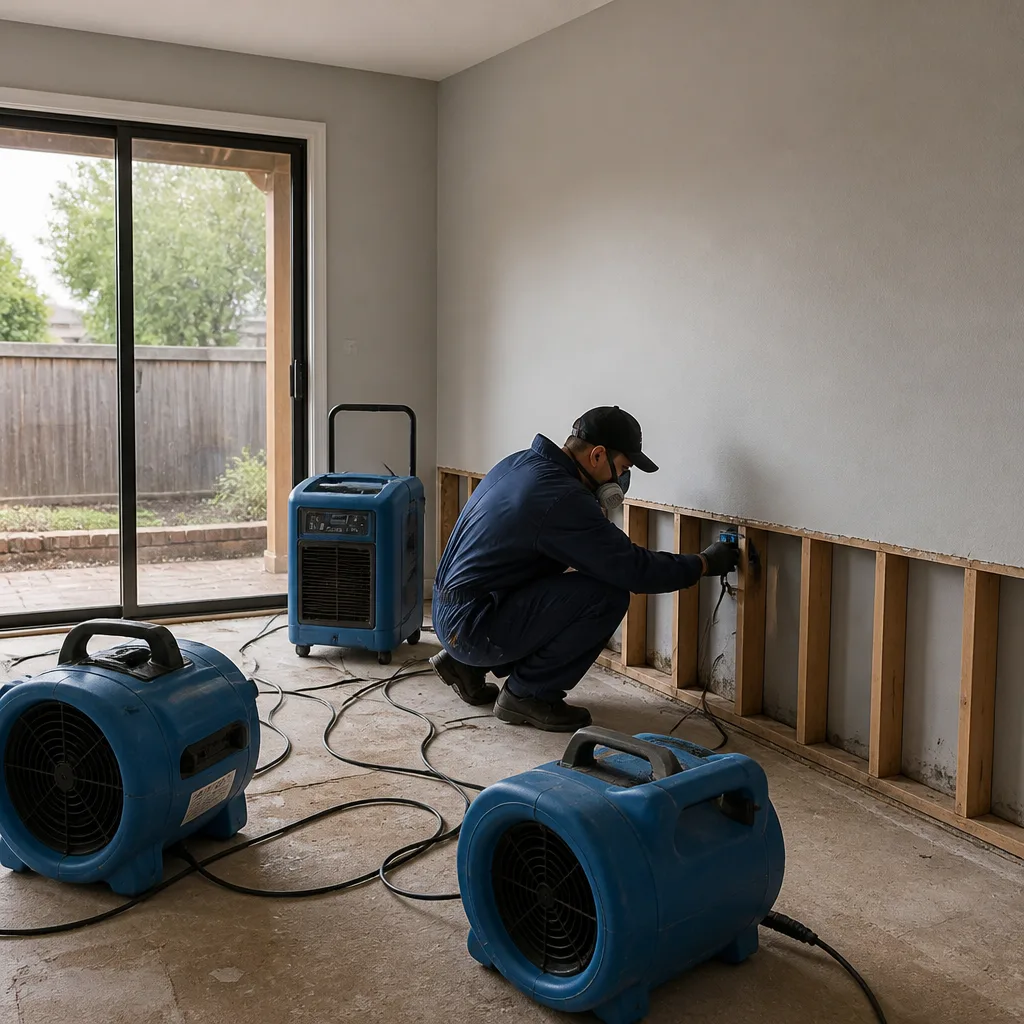
The High Desert heat can fool you. Air at 105°F with low humidity will dry the face of a wall slab fast, but moisture trapped behind baseboards and under tile stays put unless you give it a reason to move. We set Phoenix axial air movers and low-grain dehumidifiers, then we log moisture readings morning and night until the wood and drywall hit their pre-loss moisture content. That’s the part generalist contractors skip: the measurement that proves the drying is actually done.
Flooded Basement in Apple Valley
Flooded basement calls in Apple Valley don’t look like the basement calls we get in Rancho Cucamonga or San Bernardino. Most Apple Valley homes are slab-on-grade with no basement at all, so what homeowners call a “flooded basement” is usually a converted ground-level room, a sunken living area, or the low corner of a split-level where flash-flood water or a plumbing failure collected overnight. The water physics are the same, but the access and the damage path are different.
When the Low Room Becomes the Drain
On a slab foundation, the lowest point of the home is wherever the water finds a slope. That’s often a utility room, a recessed family room, or the garage. If the water came from an exterior source, like a wash that overran its banks during a monsoon storm, you’re dealing with category 2 or 3 water, and it needs antimicrobial treatment on every surface it touched. If it came from a supply line, it may start as category 1, but give it 48 hours in a hot, closed room and it degrades fast.
Slab Drying Without Unnecessary Demolition
Our Injectidry system is designed for exactly this problem. When water travels under tile or into wall cavities that are still structurally sound, Injectidry panels pull moisture out through negative pressure without us demoing half the room to “see what we’re dealing with.” We only open walls when readings say there’s trapped moisture that can’t be dried in place. That’s the difference between a two-week restoration and a three-month reconstruction.
Trusted Brands We Service in Apple Valley
Apple Valley homeowners run a wide range of restoration and plumbing equipment across those large lots, and we service the brands that show up on water damage calls most often. We work on and around Dri-Eaz and Phoenix drying systems, XPOWER air movers, B-Air units, and Injectidry panels, and we keep consumables and filters stocked for the setups most common in High Desert homes. Whether your property has a shallow well pump, a pressure tank, an evaporative cooler, or all three, we know how those systems fail and what the failure does to the structure around them. That local equipment knowledge means we show up ready to work, not ready to research.
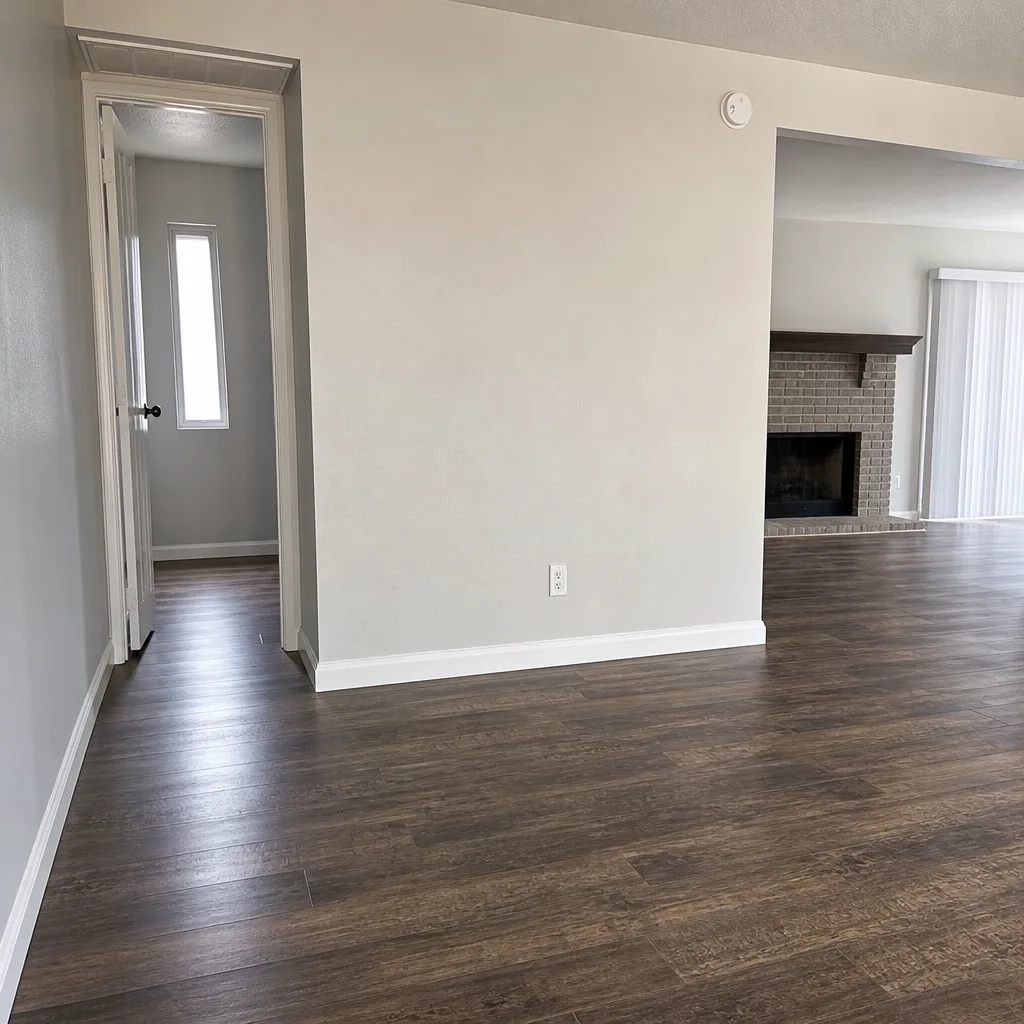
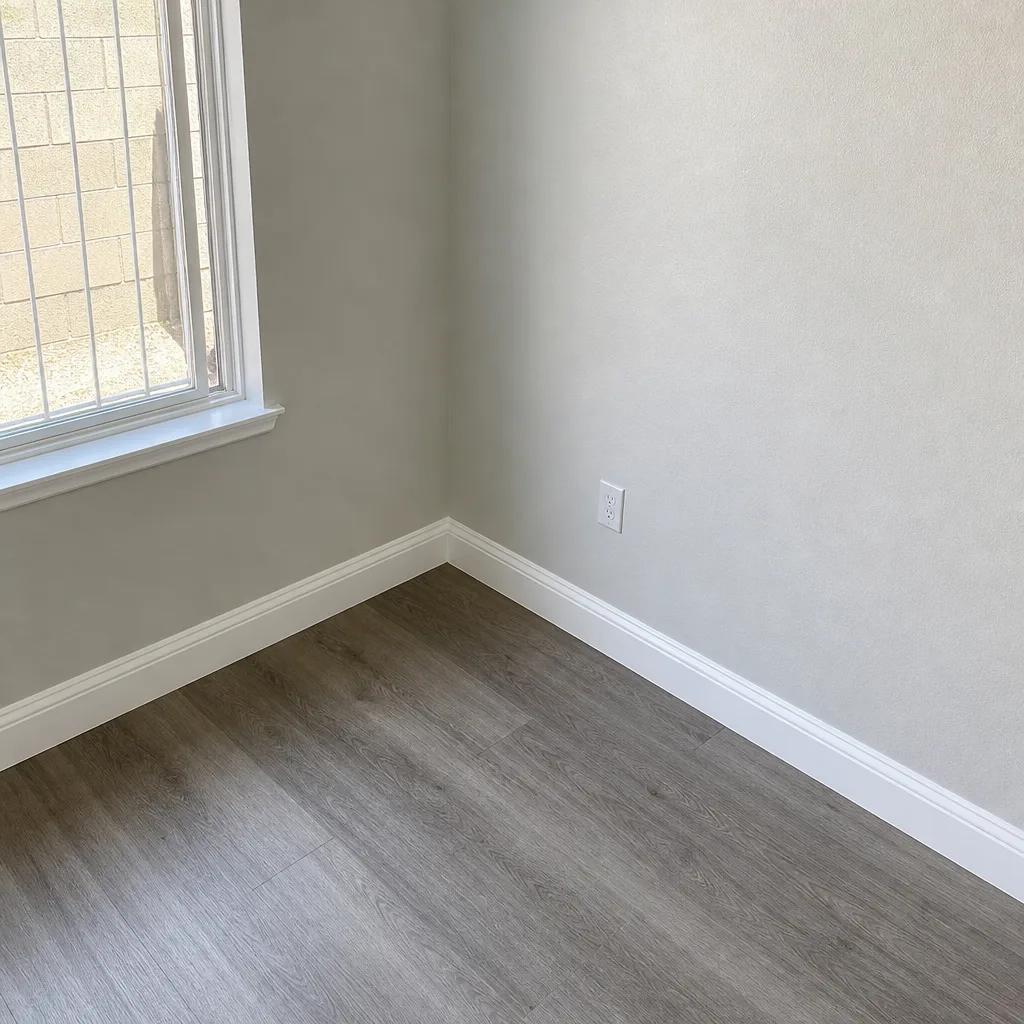
See the difference
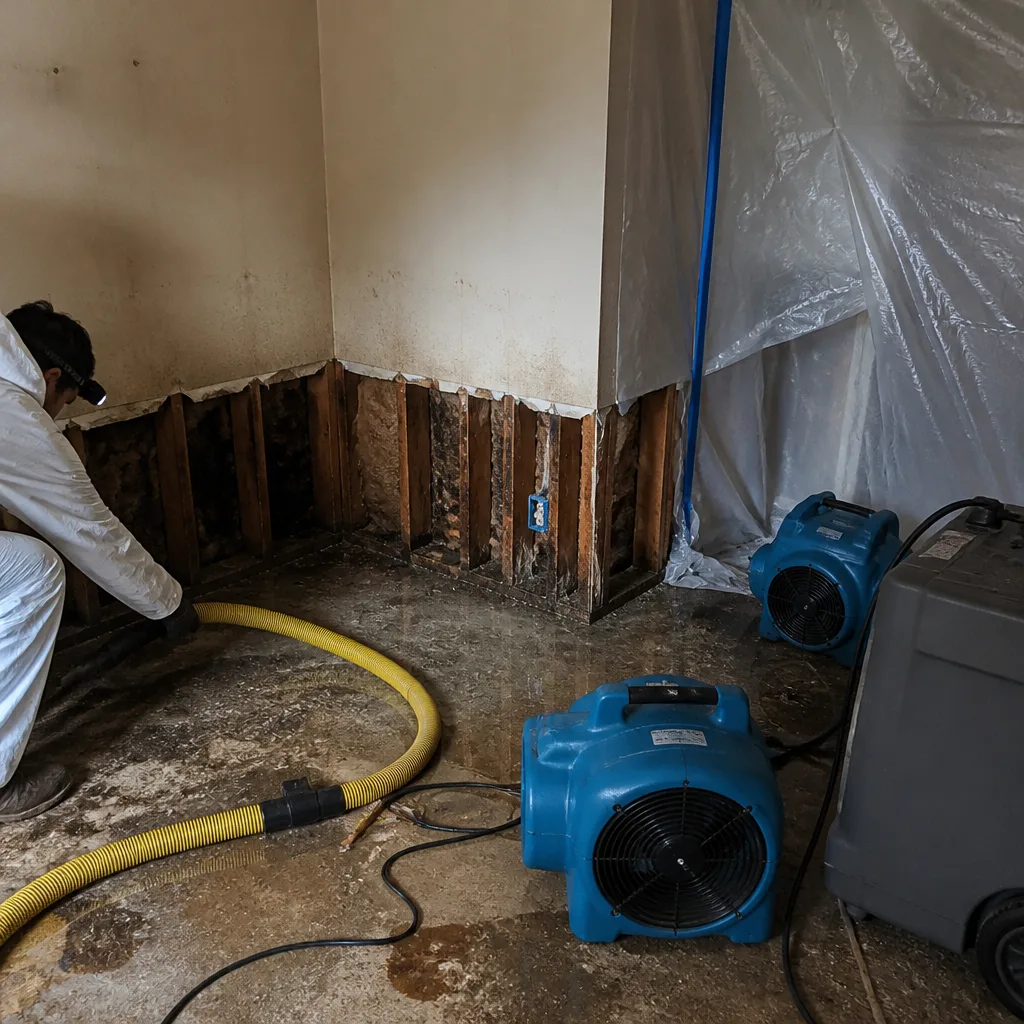 Before
 After
 Before
 After
 Before
 After
Common Water Damage Restoration Problems We See in Apple Valley Homes
- Well pressure tank and line failures on acreage parcels. Homes on private wells in the 92307 and 92308 ZIP codes push water at 40 to 60 psi through tanks and fittings that fail without warning, and the result is a full-volume water release across slab-on-grade floors. Our crews treat this as a structural event, not a plumbing repair, because the water has already moved into walls by the time the power’s off.
- Evaporative cooler pan overflows and internal leaks. Apple Valley summers run hot enough that evaporative coolers work hard, and when pans crack or float valves stick, water soaks into ceiling and wall cavities that look dry from below. Without moisture mapping, that trapped water blooms into mold on the drywall within 24 to 48 hours.
- Wind-driven roof damage and flash-flood intrusion. Wind events off Highway 18 peel composition shingles and blow out patio covers, leaving roofs exposed just as monsoon rain arrives. The same storm that tears the shingle off also pushes water under door thresholds and into recessed entries, so we’re often tarping a roof and extracting a slab at the same property.
- Septic-adjacent backups and drain field saturation. After heavy rain, saturated drain fields back effluent into the lowest drains and floor sinks in some semi-rural Apple Valley homes. That’s category 3 water, and it needs full antimicrobial treatment along the entire wick path, not a mop and a fan.
Pricing for Water Damage Restoration in Apple Valley, CA
Apple Valley water damage restoration pricing runs on a curve that depends on how far the water moved and what it touched. A straightforward supply line break contained to one room with extraction and structural drying typically lands between $1,800 and $3,500. Category 2 or 3 events with antimicrobial treatment, containment, and Injectidry cavity drying run $3,500 to $7,500 on typical slab-on-grade homes. Larger losses on semi-rural parcels with multiple rooms affected and heavy structural drying can exceed $10,000. Every estimate is free, and we write a scope of work in plain language before any drying equipment gets plugged in. Call (844) 716-1094 and we’ll give you real numbers for your situation, not a brochure range.
We Also Serve Cities Near Apple Valley
Flood Guard Water Damage runs crews into every corner of the High Desert. In addition to Apple Valley, we respond to water damage calls in Mountain View Acres, Spring Valley Lake, Victorville, and Hesperia. If you’re in one of those communities and water is moving through your home right now, call the same number, and we’ll route the nearest available crew to your address.
We also maintain a full Water Damage Restoration service hub covering every sub-service we run, from emergency extraction to structural drying to full flood cleanup.
Serving Apple Valley, CA — Our Local Coverage Area
We’re based in the Apple Valley area and know this community well. Use the map below to see our service coverage — if you’re nearby, we can almost certainly help.
FAQs About Water Damage Restoration in Apple Valley
We usually have crews on the road toward Apple Valley within 60 to 90 minutes of your call, depending on traffic through the Cajon Pass and current crew locations. If you’re in the 92308 ZIP code near the north end of town, expect similar response times to the rest of Apple Valley. Call (844) 716-1094 and we’ll tell you exactly where the nearest crew is and how long they’ll take.
Yes, we cover 92307 and 92308, including the large-lot parcels off Highway 18, the tract neighborhoods near Bear Valley Road, and the manufactured home communities scattered across town. The semi-rural parcels on private wells and septic are actually some of our most common calls, because well-tank failures and septic-adjacent backups behave very differently from standard plumbing leaks.
Pricing is generally the same across the Victor Valley, but Apple Valley acreage properties sometimes run higher because well and septic failures often involve category 2 or 3 water that requires antimicrobial treatment and cavity drying. You’ll never get a surprise when you get a written scope before work starts.
Wind events off the Mojave River corridor regularly peel shingles and expose roof decking just before rain arrives, so tarping the roof is often the first step to stop the water intrusion at its source. If we don’t stop the water entry point first, any drying we do inside is wasted. Our crews carry structural tarps on every Apple Valley water damage call for exactly that reason.
Every structural drying job we complete includes documented moisture readings that show the structure returned to pre-loss condition, and we revisit any drying target that doesn’t hold. We don’t hand you a piece of paper and disappear. If something looks like it’s re-wetting, call us and we’ll send a tech back to re-map the area.
Written by Noel Ibarra, Owner at Flood Guard Water Damage, serving Apple Valley and the High Desert since our first well-and-septic water loss out here taught us what slab-on-grade drying really means.