 Water damage drying
 Fire & smoke cleanup
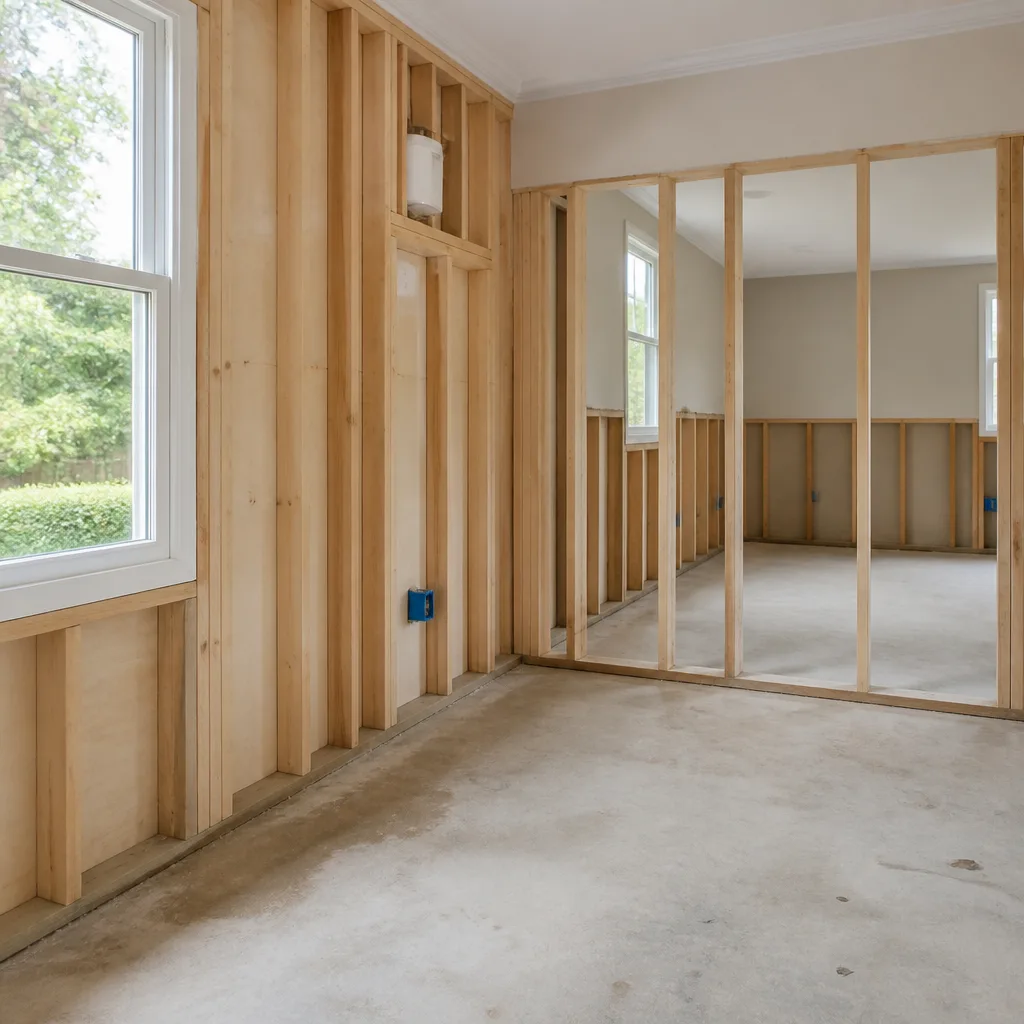 Mold remediation
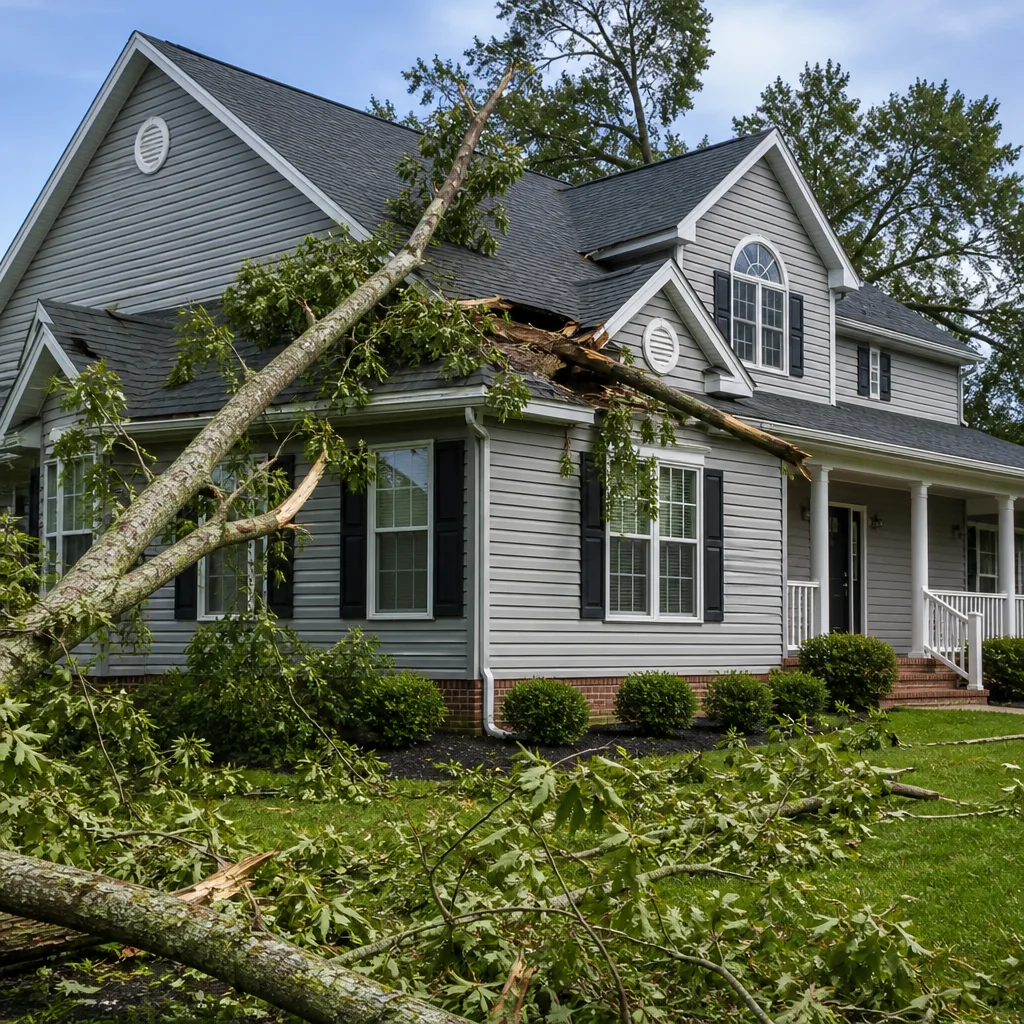 Storm response
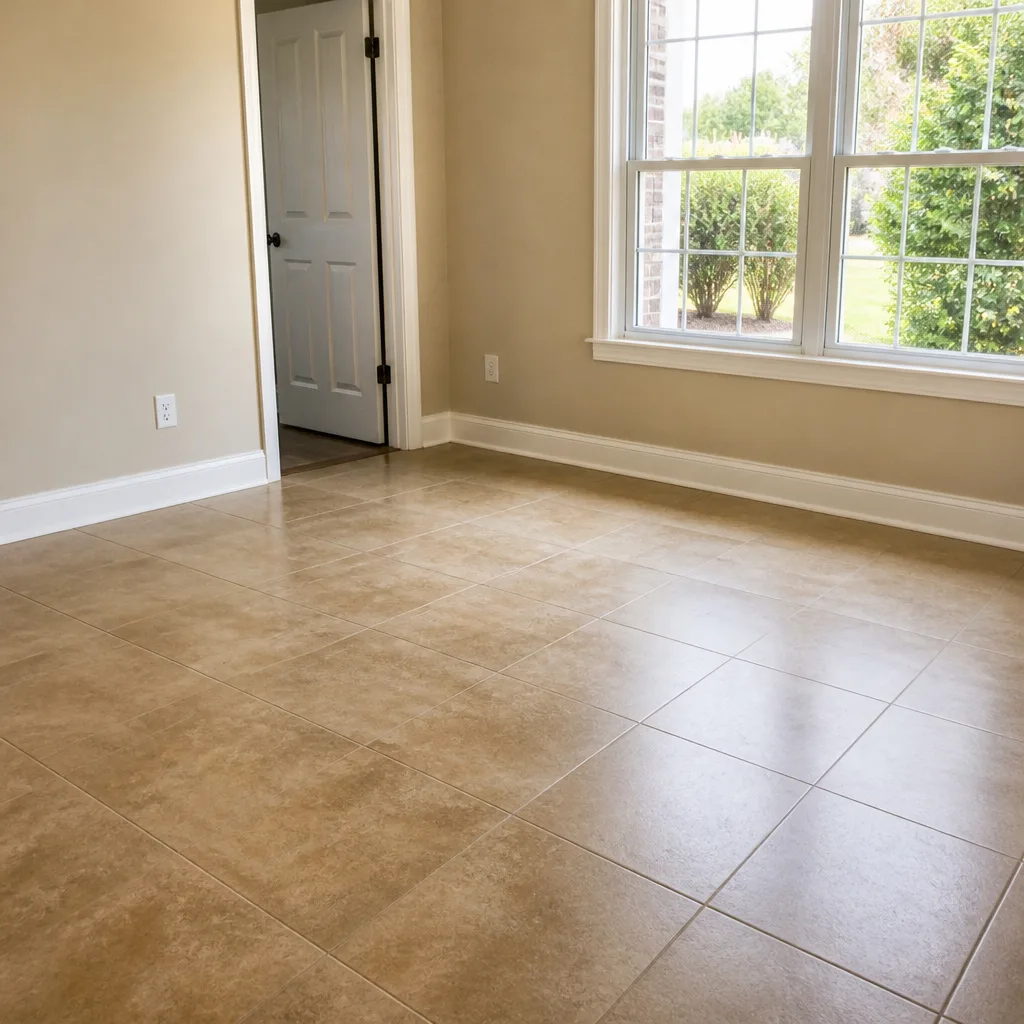 Sewage cleanup
 Reconstruction
Free visual inspection and a written scope of work before any mitigation begins - photos, moisture readings, and drying logs go in your claim file
The scope we write is the scope we bill. Anything new gets shown to you, in writing, before we touch it.
Get your free estimateFast, Reliable Water Damage Restoration Across San Joaquin Hills
Water damage restoration in San Joaquin Hills typically costs $2,400 – $7,800 for a full structural dry-out and repair, with emergency extraction starting around $750 – $1,500. Our Water Damage Restoration team reaches San Joaquin Hills within 45 – 70 minutes of your call, because we know the canyon roads off Newport Coast Drive and Bonita Canyon Drive well enough to move fast without guesswork. This is a hillside community of custom estates where slope drainage, wind-driven rain, and post-wildfire runoff create damage patterns you simply don’t see in flatland tract housing. When you’re staring at water pooling against a retaining wall or seeping through a wind-rated door that failed at the threshold, you need a crew that understands that the visible water is often the smallest part of the problem. Call (844) 716-1094 and we’ll have a certified technician headed your way.
Key Takeaways for San Joaquin Hills Homeowners
- Water damage in San Joaquin Hills is a two-phase risk: Santa Ana winds push embers into attic vents and stucco cracks, then winter rains turn those same openings into water intrusion points.
- Category 2 and 3 water contamination develops fast: runoff from burned slopes carries soot, ash, and debris that make standing water a biohazard within hours.
- Wind-rated doors fail at the threshold first: the canyon wind loads in San Joaquin Hills stress seals and weatherstripping in ways that standard inland homes never experience.
- Documentation matters here: HOA standards and high-value insurance claims in 92657 mean moisture mapping, drying logs, and photo documentation from day one.
Restoration work we handle
Why Flood Guard Water Damage Is San Joaquin Hills’s Preferred Water Damage Restoration Company
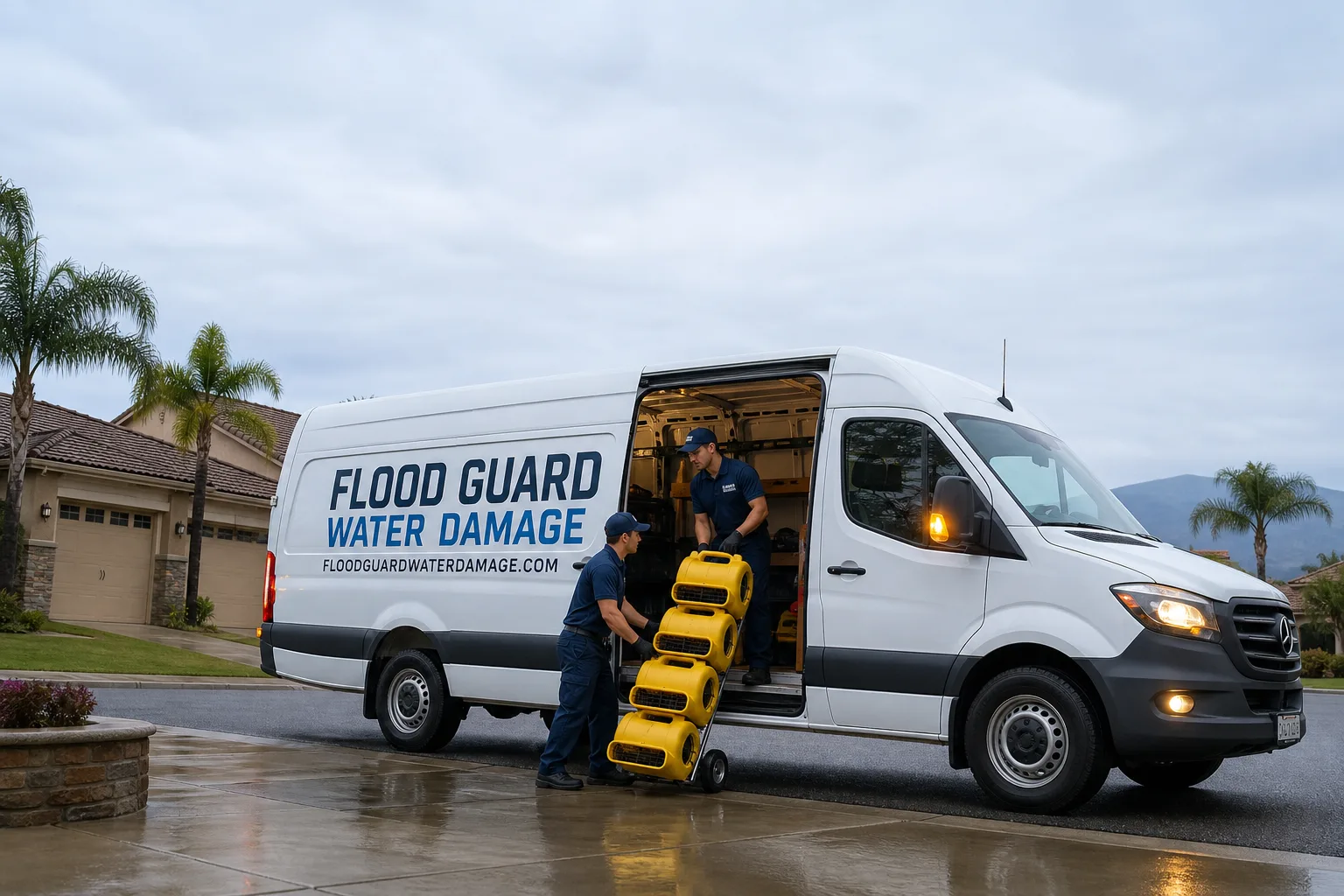
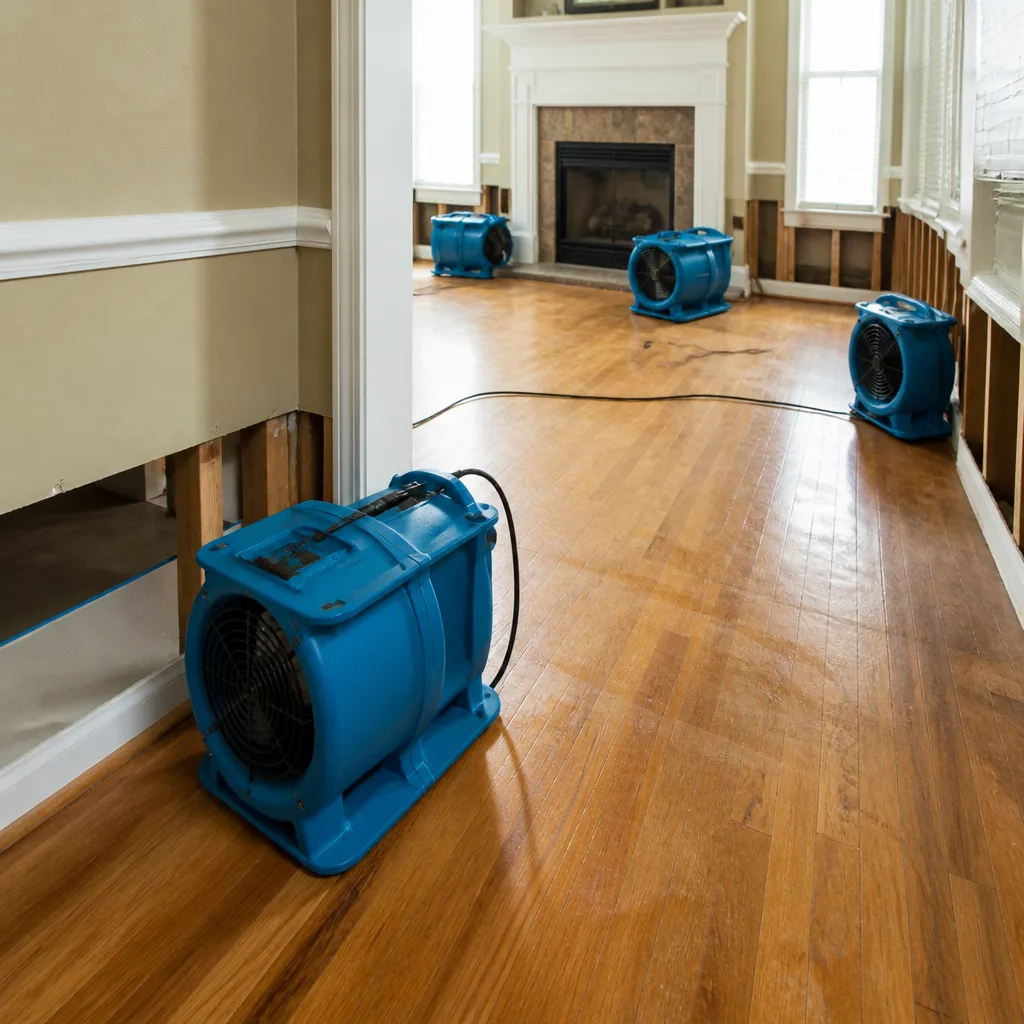
We work repeatedly in San Joaquin Hills because the restoration challenges here are specific and unforgiving. The stucco-and-tile construction on most hillside estates looks solid from the outside, but it hides complex cavity spaces where moisture travels horizontally before it ever shows up on drywall. We run IICRC-certified drying protocols on every job: moisture mapping, psychrometric readings, and drying logs that document what we measured, not what we guessed. Our crews deploy Phoenix and Dri-Eaz low-grain refrigerant dehumidifiers and high-velocity air movers, the same equipment used on commercial large-loss jobs, because a 6,000-square-foot custom estate in San Joaquin Hills demands more than a contractor-grade fan. Noel Ibarra, who leads our restoration work, has built the team around a simple rule: we dry the structure, not just the surface. That matters when you’re the homeowner watching a technician take moisture readings behind a retaining wall that looks perfectly dry from the outside.
We know the difference between a home on the canyon edge above Laguna Canyon Road and one tucked into a gated development off Ridge Park Road. The wind exposure, the drainage grading, the age of the stucco cladding: these are the variables that determine whether a water intrusion event is a two-day dry-out or a two-week structural remediation. We also understand that many San Joaquin Hills homeowners are dealing with HOA architectural standards and insurance claim expectations that require written scopes of work and photo documentation before a single piece of equipment gets unloaded.
How San Joaquin Hills’ Wildfire Risk Creates Water Damage
On canyon-edge streets in San Joaquin Hills, Santa Ana winds drive embers and smoke into attic vents and stucco details, so after a regional wildfire many homes need smoke and ember-intrusion remediation even when the fire never reached the property line. The next storm season turns those same burned slopes into runoff and mud intrusion. This is the information gap that catches homeowners off guard: they think a distant wildfire left them untouched, but the embers that slipped into the vent screens and the micro-cracks in stucco have already compromised the building envelope. The first hard rain finds those openings. Water enters. It carries soot, ash, and charred organic material into wall cavities and attic spaces. Within 48 hours, what started as a small intrusion becomes a category 2 or 3 contamination event requiring antimicrobial treatment, not just drying.
This two-phase risk, wind-driven ember intrusion followed by canyon runoff, is why we approach every San Joaquin Hills water damage job with an eye toward what happened during the previous fire season. We’re not just looking at where water is pooling now; we’re looking at where embers may have entered months earlier. That’s the difference between treating the symptom and treating the structure.
Emergency Water Damage Restoration in San Joaquin Hills
Emergency Water Damage Restoration in San Joaquin Hills means responding to a burst pipe, a failed water heater, or a storm-driven intrusion on a hillside property where runoff is already pooling against the foundation. When water is active, the clock matters: every hour that water sits in contact with drywall, subfloor, and framing pushes the contamination level higher and the repair scope larger. We arrive with truck-mounted extraction units, set up containment where needed, and begin pulling standing water out before the drying phase starts. A typical emergency extraction and initial mitigation in San Joaquin Hills runs $1,200 – $2,800 depending on the affected square footage and the number of affected levels in a multi-story hillside home.
Storm Response on Canyon-Edge Properties
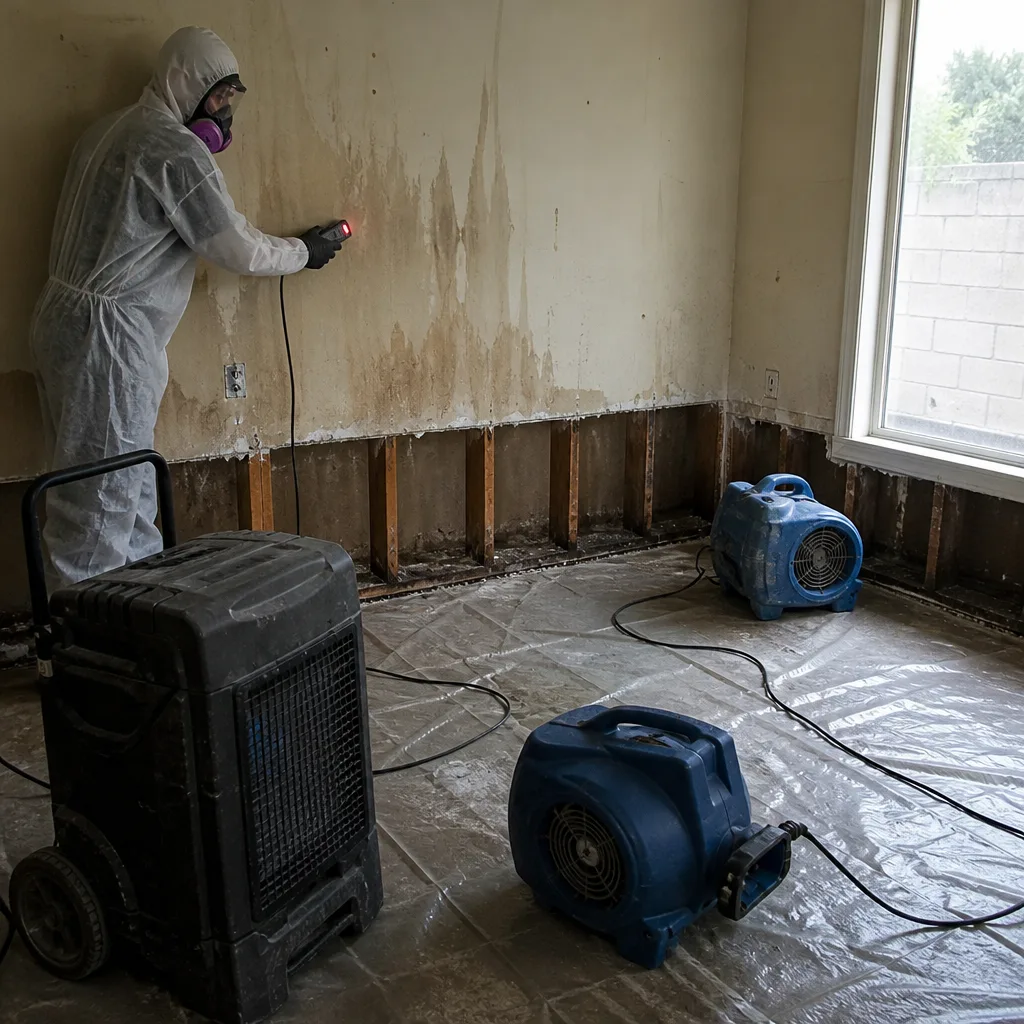
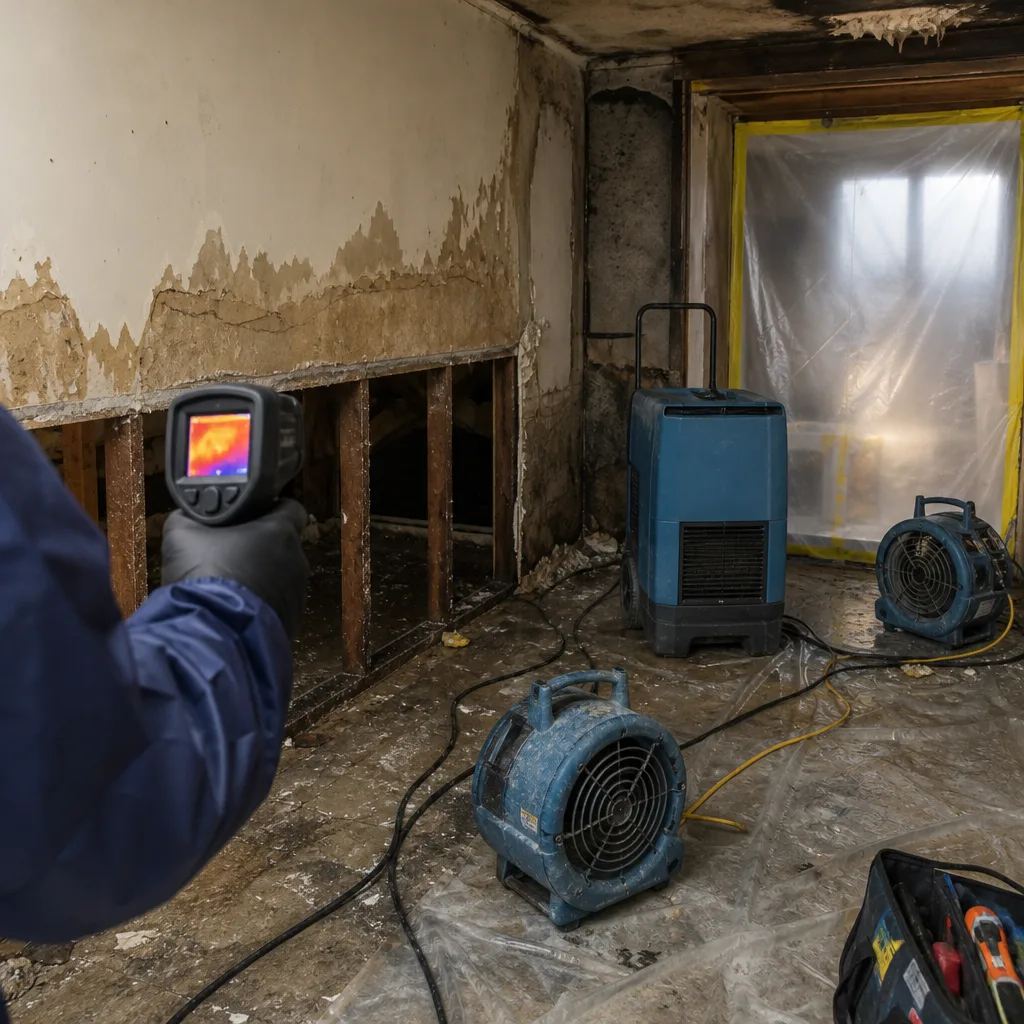
Intense winter rain in San Joaquin Hills moves fast down the graded slopes. We regularly see lower-level water intrusion caused not by a leak in the traditional sense, but by drainage systems overwhelmed by downslope runoff. Water pools against retaining walls, works through stucco hairline cracks, and appears inside with no visible source at the exterior wall face. Our technicians use moisture meters and infrared cameras to trace the actual path of the water, which often travels several feet from the entry point before showing up on finished surfaces.
Post-Wildfire Water Intrusion Response
When the rains follow a wildfire season, we get calls from San Joaquin Hills homeowners who smell something musty or notice a water stain near an exterior vent. The ember intrusion happened months ago. The water intrusion happened last week. Our job is to remove the affected materials, treat the framing with antimicrobial agents, and dry the cavity properly before mold can establish. This is not a simple extraction job; it’s a contamination response that requires category 3 protocols when runoff from burned slopes is involved.
Water Damage Repair in San Joaquin Hills
Water Damage Repair in San Joaquin Hills follows the emergency mitigation phase and involves the reconstruction of affected areas: drywall replacement, insulation, baseboard and trim, and sometimes structural framing where prolonged moisture has compromised the wood. Because most homes here are built with high-end finishes, the scope of repair work is often larger than a straightforward patch-and-paint. A ceiling repair with new drywall and texture matching in San Joaquin Hills runs $900 – $2,200. A full lower-level remediation with flooring replacement and baseboard work typically lands between $4,500 and $9,000 depending on the finish level. We write a detailed scope before any repair work begins so you’re not guessing at the final number after the fact.
Door Threshold and Seal Repairs
Wind-rated doors in San Joaquin Hills fail most often at the threshold and the weatherstripping. The repeated wind load from Santa Ana events flexes the door assembly, and over time the seal breaks down. During a storm, wind-driven rain gets forced through the gap, and water enters the wall cavity behind the jamb. We see this constantly on hillside homes that face the canyon. The fix involves more than replacing a strip of rubber: we repair the threshold, inspect the subfloor for moisture damage, and dry the wall cavity before reinstalling the door assembly to factory wind-rating specifications.
Hydraulic Pressure and Retaining Wall Seepage
Hillside drainage systems in San Joaquin Hills are often engineered for average rainfall, not the concentrated downpour events we get in January and February. When the drainage fails or backs up, hydrostatic pressure builds against retaining walls and forces water through the wall into lower-level living spaces. The visible water on the floor is only part of the story. We use Injectidry systems to pull moisture directly from the structural cavity behind the retaining wall, which means we open walls only when necessary and not by default. That saves homeowners thousands in unnecessary demolition and reconstruction.
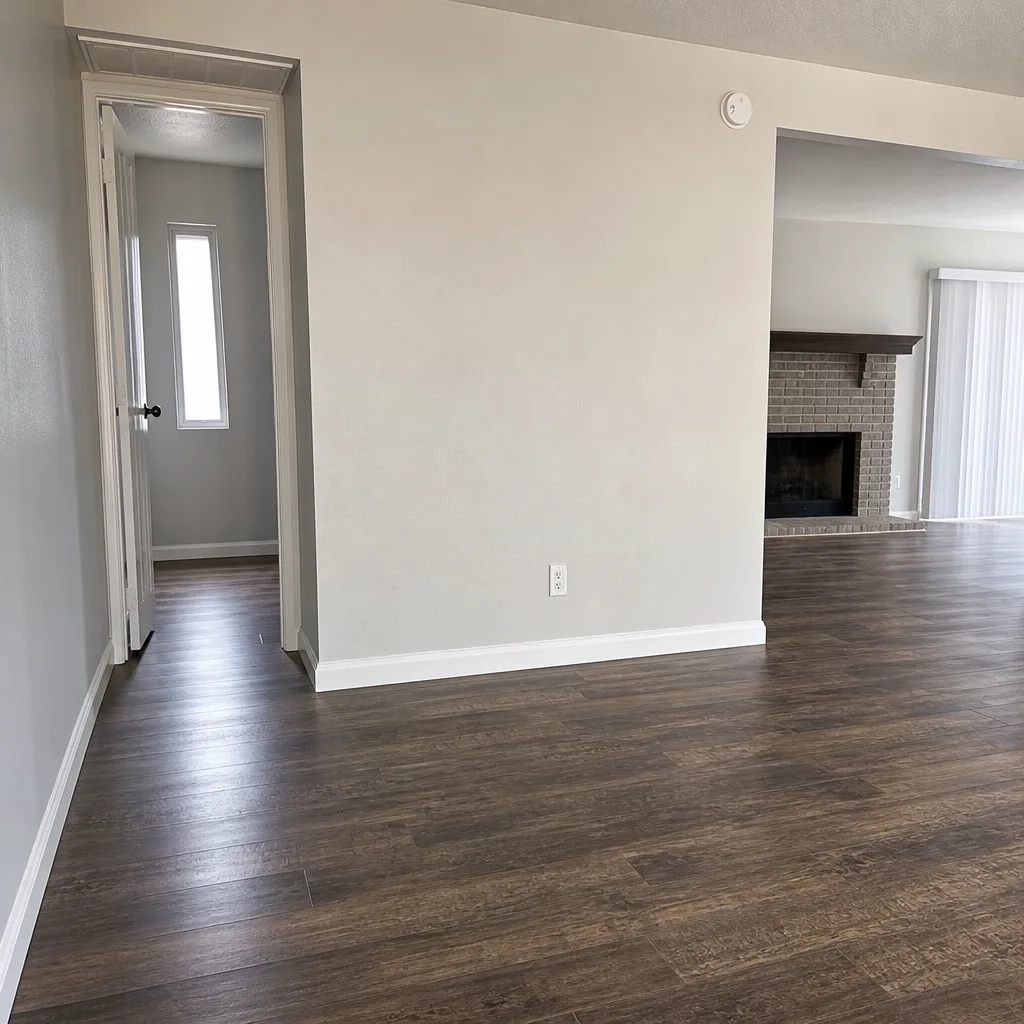
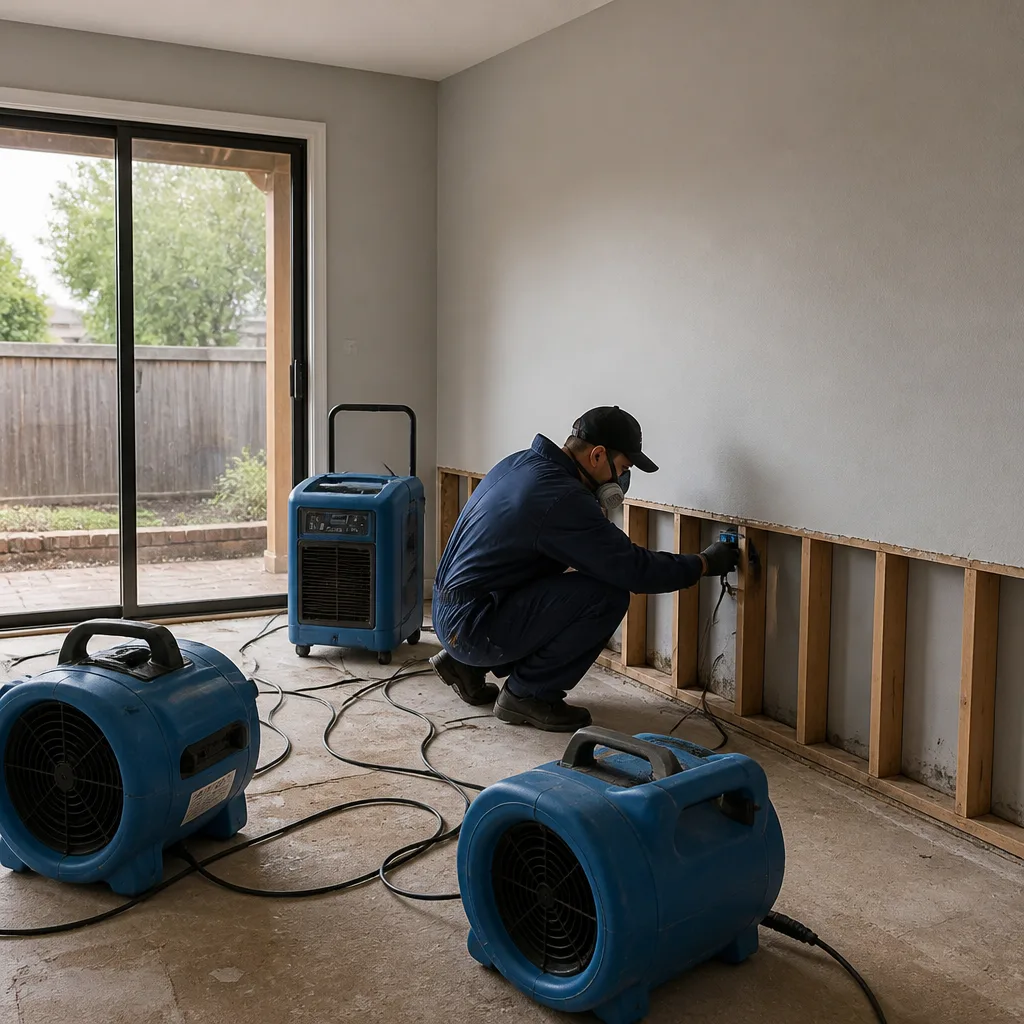
See the difference
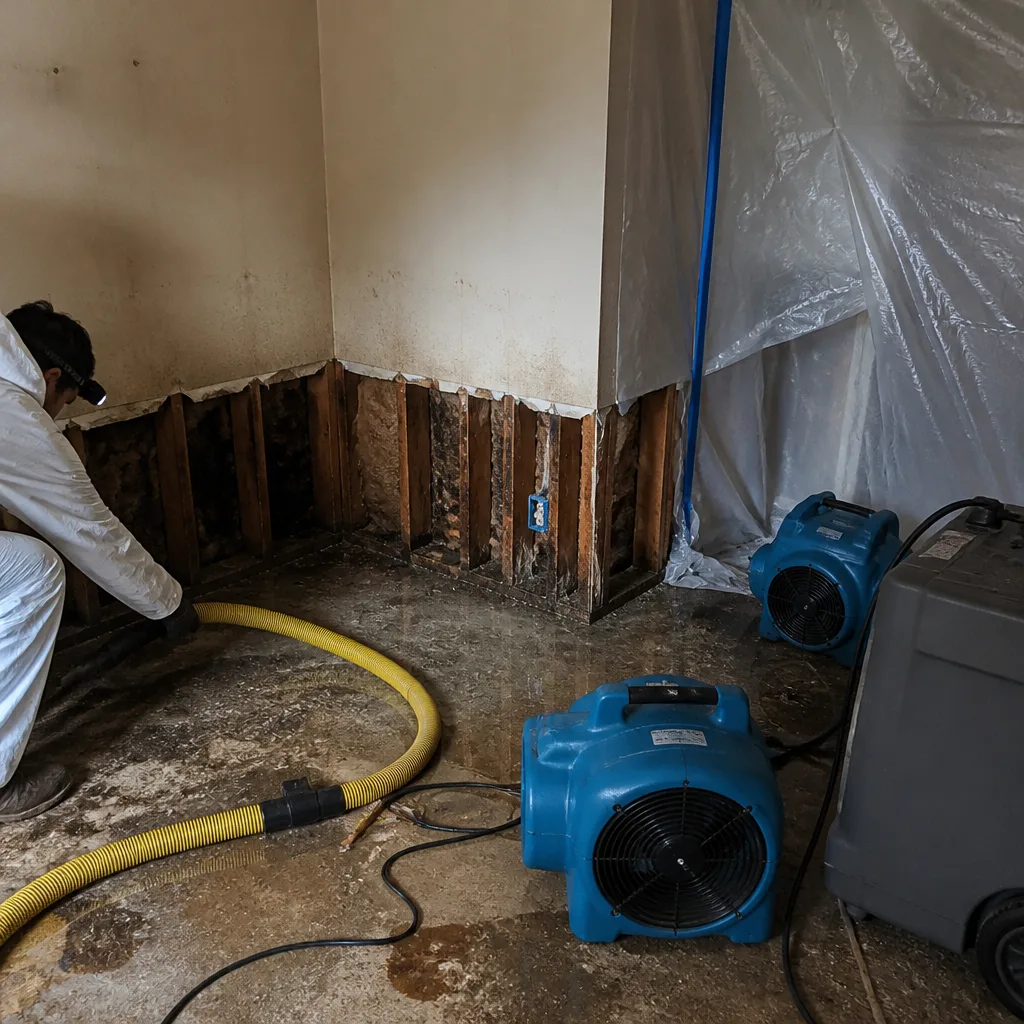 Before
 After
 Before
 After
 Before
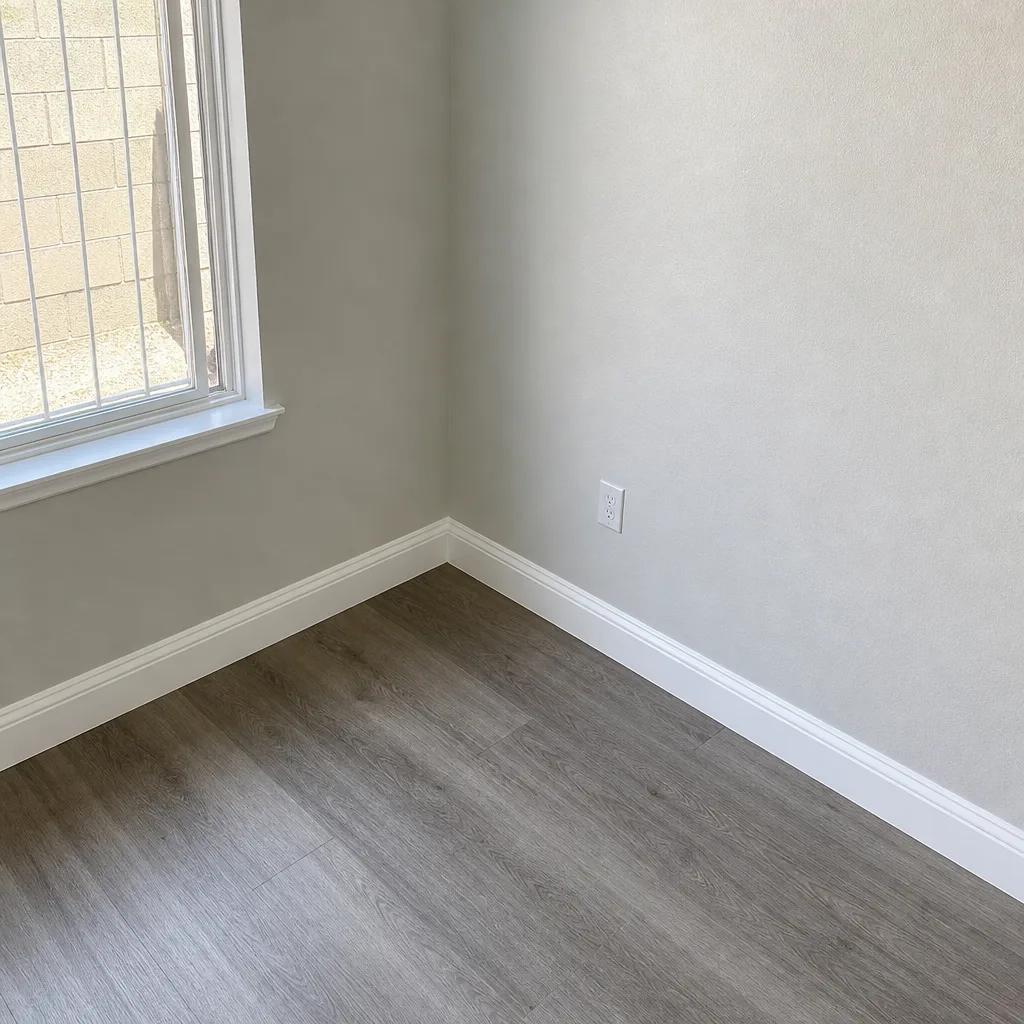 After
Trusted Brands We Service in San Joaquin Hills
We maintain a ready inventory of replacement components for wind-rated door assemblies, dehumidifier filters, and drying-equipment accessories specific to the homes we service across San Joaquin Hills. Our equipment lineup is commercial-grade: Dri-Eaz dehumidifiers, Phoenix air movers, Injectidry panels, B-Air axial fans, and XPOWER drying systems. These are the brands used on large commercial jobs, and they matter on a hillside estate where wall cavities are deep and framing is structural. We keep common replacement seals, moisture sensor parts, and antimicrobial treatments on our trucks so we don’t have to leave a San Joaquin Hills job site mid-project to chase parts across the county.
Common Water Damage Restoration Problems We See in San Joaquin Hills Homes
- Wind-rated door threshold failures: The canyon wind loads in San Joaquin Hills stress door seals year-round, so when a winter storm hits, the threshold has often already been compromised for months. Water enters through the bottom gap and travels laterally into adjacent wall cavities before showing up as a stain.
- Stucco hairline cracks from wind and fire exposure: The combination of Santa Ana wind loading and post-fire thermal stress opens hairline cracks in stucco exteriors. These cracks look cosmetic, but they are direct pathways for wind-driven rain during the next storm cycle.
- Attic vent and ridge vent intrusion: Embers enter attic vents during wildfire season, and the same vents become water entry points during heavy rain. The result is attic moisture that spreads into the insulation and framing before anyone notices a ceiling stain.
- Retaining wall seepage from downslope runoff: In the lower levels of hillside homes, water pools against retaining walls during intense rainfall and forces its way through the wall assembly. By the time it appears on the finished side, the structural cavity has been wet for hours or days.
Pricing for Water Damage Restoration in San Joaquin Hills, CA
| Service | Typical Range in San Joaquin Hills |
|---|---|
| Emergency extraction & mitigation | $1,200 – $2,800 |
| Structural drying & dehumidification | $1,800 – $4,500 |
| Ceiling repair (drywall, texture, paint) | $900 – $2,200 per affected area |
| Full lower-level remediation & repair | $4,500 – $9,000 |
| Door threshold & seal repair after water intrusion | $600 – $1,400 |
What drives cost in San Joaquin Hills specifically is the finish level and the structural complexity. A water intrusion behind a stucco wall in a 1980s hillside home with original framing takes longer to dry than an interior leak in a newer build. A ceiling with triple-coat hand-troweled texture costs more to match than a standard orange-peel finish. And when category 3 water is involved, requiring antimicrobial treatment and material disposal, the scope jumps accordingly. We give you a written scope and estimate before any non-emergency work begins. Call (844) 716-1094 for a free estimate and a same-day assessment if you’re seeing active water.
We Also Serve Cities Near San Joaquin Hills
Flood Guard Water Damage provides full-service Water Damage Restoration throughout the coastal canyon region, including Aliso Viejo, Newport Beach, Laguna Beach, and Irvine. If your property sits just outside San Joaquin Hills proper, we’re already running routes through these communities daily and can reach most addresses in the area within an hour of your call.
Serving San Joaquin Hills, CA — Our Local Coverage Area
We’re based in the San Joaquin Hills area and know this community well. Use the map below to see our service coverage — if you’re nearby, we can almost certainly help.
FAQs About Water Damage Restoration in San Joaquin Hills
The wildfire risk in San Joaquin Hills directly creates water damage vulnerabilities months after the fire event. Embers pushed by Santa Ana winds enter attic vents and stucco cracks during the fire season, then winter rains find those same openings and carry soot and ash into the wall cavities. This turns a routine water intrusion into a category 2 or 3 contamination job because the water is carrying charred organic material. We treat any water damage in a home that showed ember intrusion signs with the assumption that contamination is present, and we test and treat accordingly. Call (844) 716-1094 if you suspect ember intrusion preceded your water damage and we’ll confirm the scope before any drying begins.
If your wind-rated door is leaking during a storm, contain what you can without putting yourself at risk, cut power to any affected outlets in the wall behind the door, and call us immediately. Do not wait for the storm to pass. Active wind-driven rain through a failed threshold can move several gallons of water per hour into the wall cavity, and the longer it runs, the larger the structural repair becomes. We respond to San Joaquin Hills storm calls around the clock and can be on site within 70 minutes. Our technicians will extract what’s already entered, seal the entry point temporarily, and begin drying the cavity with professional dehumidification equipment. Call (844) 716-1094 the moment you see water coming through the door.
San Joaquin Hills water damage is more complex because the homes sit on graded slopes with retaining walls, complex rooflines, and a two-phase risk pattern that flatland communities don’t experience. Downslope runoff concentrates against foundations and retaining walls during rain events, creating hydrostatic pressure that forces water into lower levels. The same homes that were exposed to wildfire embers months earlier now have compromised building envelopes that channel water unpredictably. When you combine high-end finishes, multi-level layouts, and HOA documentation standards, every job becomes a detailed structural project rather than a simple dry-out. That’s why we run IICRC-certified drying protocols with full documentation on every San Joaquin Hills job.
We can. Category 3 water carries pathogenic contaminants, and post-fire runoff from burned slopes in San Joaquin Hills frequently meets that definition. When mud and debris from a burned canyon slope enters your home, the water is not just dirty; it’s biologically hazardous. We use full containment, antimicrobial treatment on all affected framing and surfaces, and proper disposal of contaminated materials under IICRC protocols. Our Injectidry systems allow us to dry structural cavities that would otherwise require removal, but we don’t preserve materials at the expense of safety: anything that cannot be properly sanitized gets removed. Call (844) 716-1094 for an assessment of the damage you’re dealing with.
Proper drying in a hillside home requires measuring, not guessing. We use moisture mapping across every affected wall and floor surface, take daily psychrometric readings in the affected rooms, and track the drying curve with written logs. For multi-level homes in San Joaquin Hills, we place dehumidifiers and air movers on each affected level, and we use Injectidry panels to pull moisture from inside wall cavities where the structural framing would otherwise stay wet behind stucco. The measurement: we dry the structure, not just the surface. That’s the only standard that holds up to an insurance adjuster’s review and to a homeowner’s long-term occupancy. Call (844) 716-1094 and we’ll walk you through what a proper dry-out looks like in your specific home.
Written by Noel Ibarra, Owner at Flood Guard Water Damage, serving San Joaquin Hills and surrounding communities with IICRC-certified restoration practices.