
 Water damage drying
 Fire & smoke cleanup
 Mold remediation
 Storm response
 Sewage cleanup
 Reconstruction
Free visual inspection and a written scope of work before any mitigation begins - photos, moisture readings, and drying logs go in your claim file
The scope we write is the scope we bill. Anything new gets shown to you, in writing, before we touch it.
Get your free estimateFast, Reliable Mold Remediation Across Running Springs
Mold remediation in Running Springs usually runs between $1,800 and $6,500 depending on how far the colony has spread into wall cavities and crawlspaces. That’s the honest range, not a teaser number. At Flood Guard Water Damage, we respond to Running Springs homes with IICRC-certified protocols and commercial drying equipment, not a spray bottle and a promise. If you’re seeing dark staining on baseboards, smelling must in a closed-up cabin, or dealing with the aftermath of a frozen pipe, call (844) 716-1094. We’ll give you a straight answer about what you’re dealing with and what it takes to fix it.
Mold in this mountain town doesn’t behave like mold down the hill. Running Springs sits at roughly 6,000 feet, where winter freeze-thaw cycles and rapid spring melt force water into places it was never meant to go. We know these houses. We know what hides behind their siding.
Why Flood Guard Water Damage Is Running Springs’s Preferred Mold Remediation Company
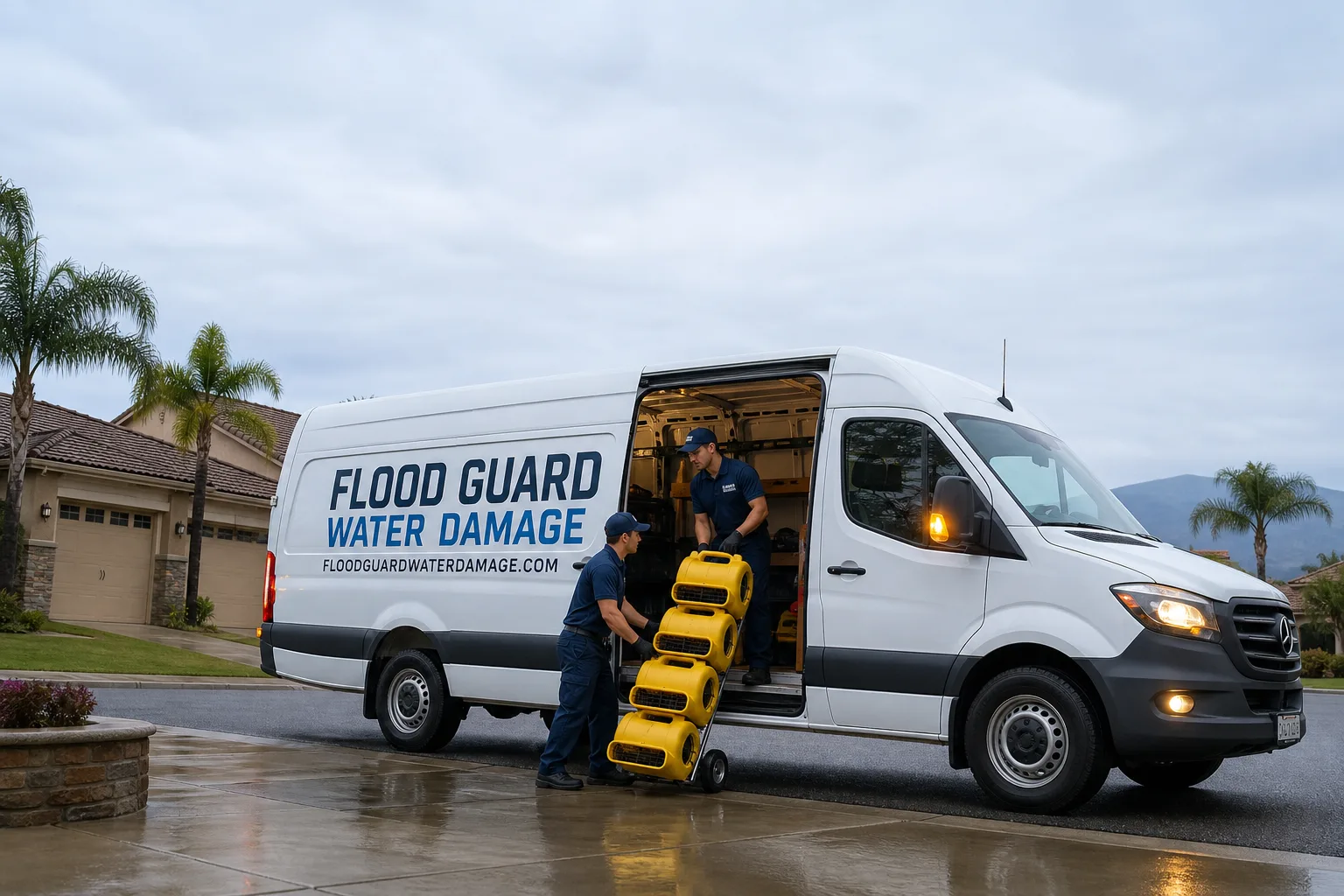
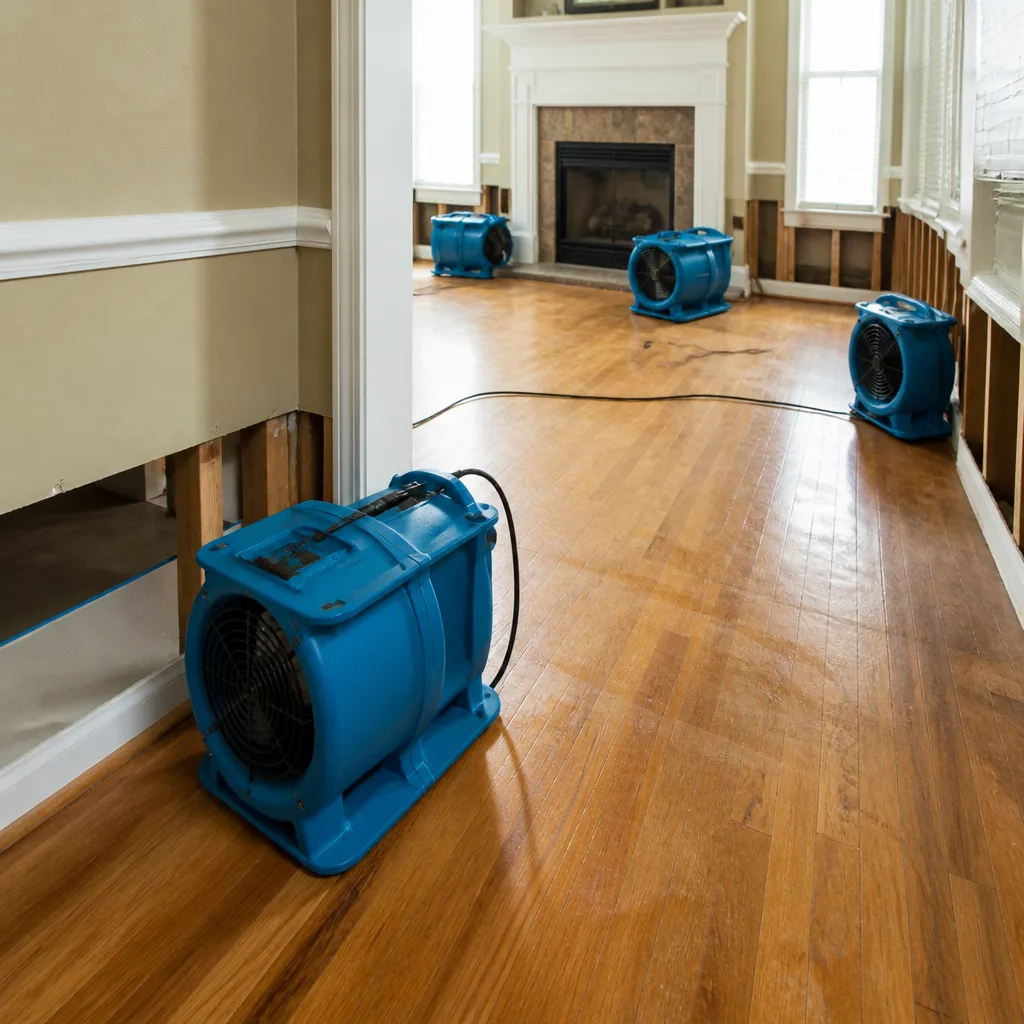
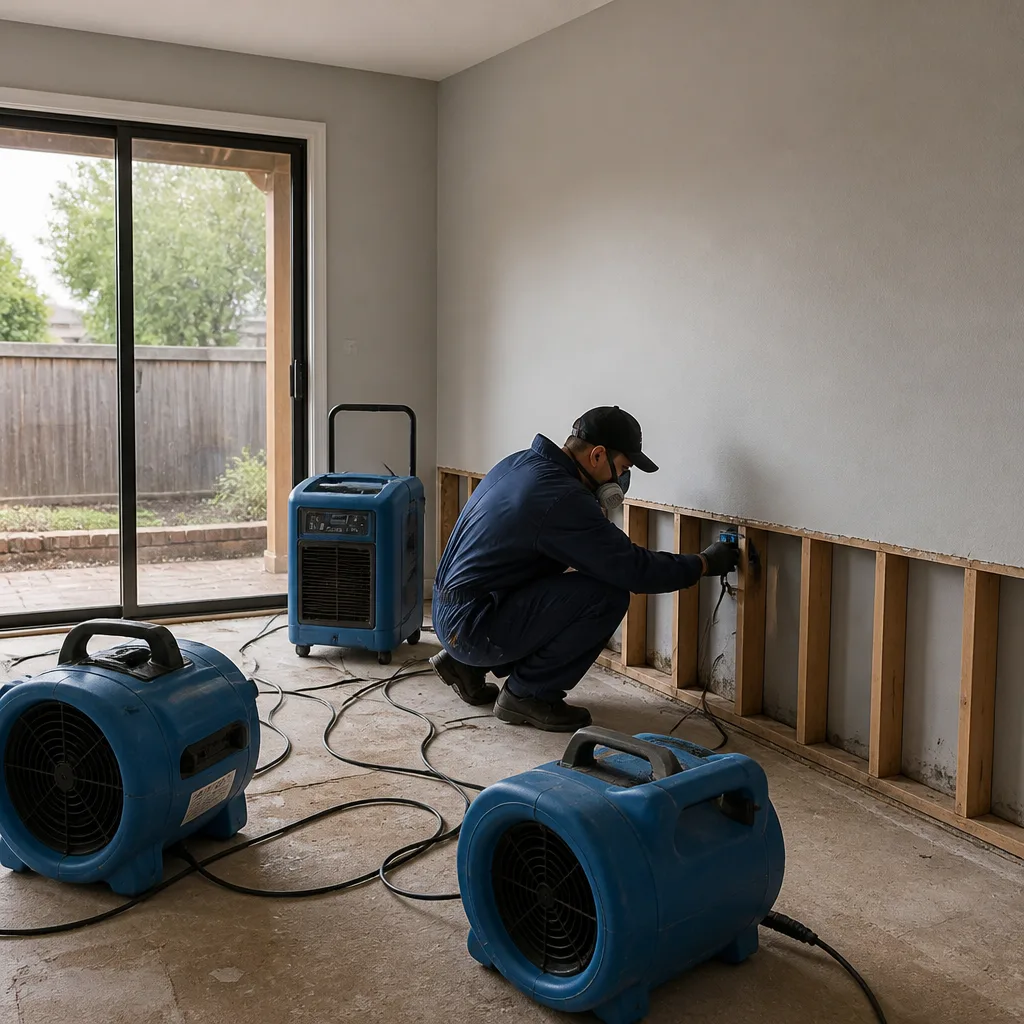
Running Springs homeowners call us because we treat mold as a structural problem, not a surface stain. Noel Ibarra, who leads our restoration team, built Flood Guard around a simple standard: measure moisture, document everything, and dry the structure properly. We don’t guess. Our crews run IICRC-certified drying protocols, the same framework used on large commercial losses, and we bring the equipment to match: Dri-Eaz refrigerant dehumidifiers, Phoenix axial air movers, and Injectidry mats that pull moisture from inside wall cavities without tearing out drywall by default.
The homes here make that equipment necessary. A 1970s A-frame on a raised foundation with wood siding doesn’t dry out on its own after a leak. The vapor barriers those cabins were built with actually trap moisture against the sheathing. That’s where mold takes hold, invisible from the living room, until someone notices the smell or a brown stain seeps through the paint. Our customers in Running Springs tell us the same thing: another contractor wiped the surface with bleach and declared it done. Eight weeks later, the must was back. The colony never got touched. We handle it differently. We find the water source first, map the moisture, then build a remediation plan that addresses the cavity, the insulation, and the air quality, not just the visible patch.
We’re not a franchise crew dispatched from San Bernardino. We service Running Springs directly, and we keep our response times tight because mold doesn’t wait for a convenient appointment. Call (844) 716-1094 and you’ll get a real person who can schedule an inspection at your cabin fast, usually same week. For a second home that’s been sitting vacant, that speed matters. Every week the colony spreads is another week of drywall and framing that has to come out.
Restoration work we handle
Professional Mold Removal in Running Springs
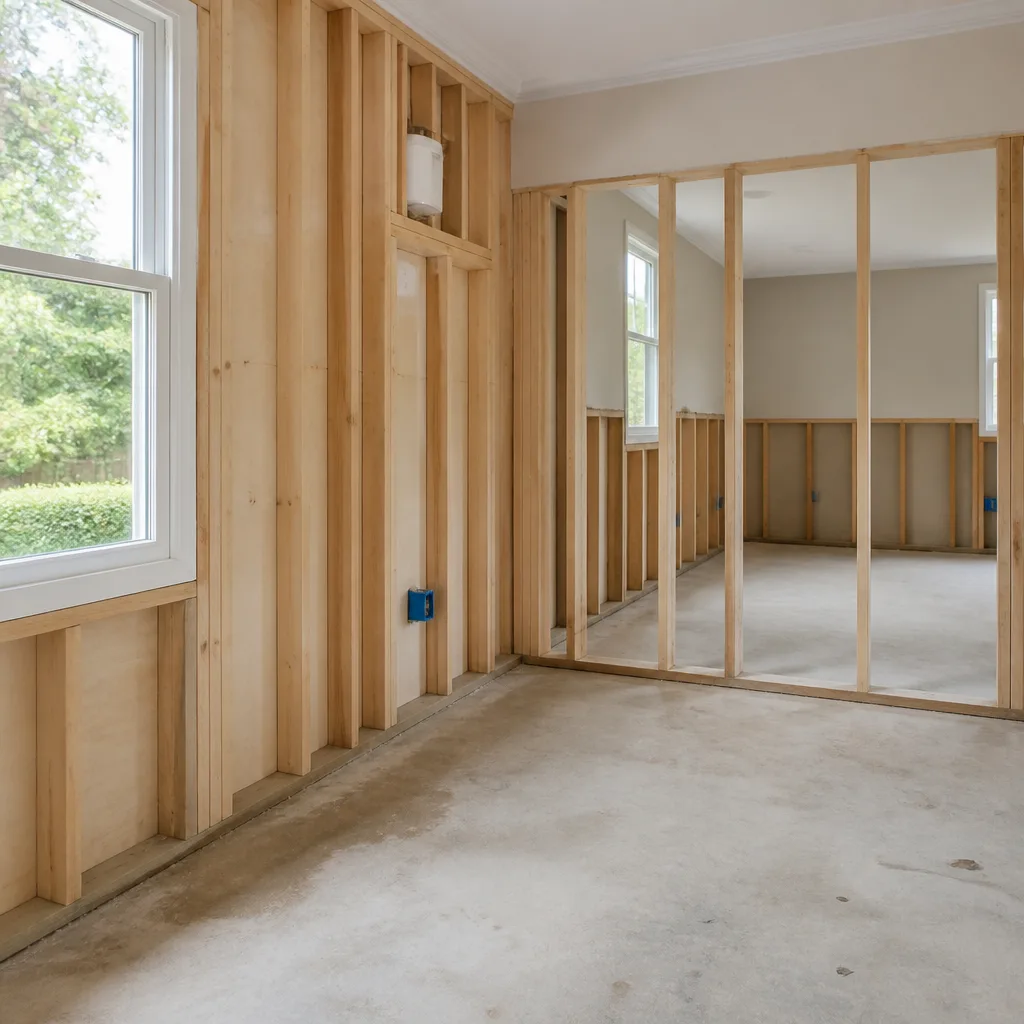
Professional Mold Removal in Running Springs means opening the wall when the moisture mapping says the colony is behind it, and leaving it alone when the cavity tests dry. That’s the discipline most generalists skip. In these mountain cabins, the visible staining is rarely the whole story. The actual biomass grows behind the vapor barrier, fed by condensation from freeze-thaw cycles and small leaks that never hit the floor. We remove affected drywall, insulation, and trim under full containment, clean the framing with antimicrobial treatment, and dry the cavity to a verified moisture content before anything gets rebuilt. A typical professional mold removal job in Running Springs runs $2,200 to $5,800 depending on square footage and whether contents need pack-out.
Containment and Air Handling
Full plastic containment with negative air pressure keeps spores from moving into the rest of the cabin during removal. On a split-level A-frame, this is non-negotiable. The loft is open to the living area below, so a single disturbed patch without containment sends spores through the entire envelope. Our crews set up containment before any demolition starts, and run HEPA-filtered air scrubbers until clearance.
Cavity Drying Without Unnecessary Demolition
Injectidry mats let us dry wall cavities from the inside, which matters on wood-sided Running Springs cabins where matching old siding after a rebuild is expensive and often impossible. If the drywall is intact and the mold hasn’t broken through, we can often save it. If it’s saturated or colonized, it comes out. We make that call with moisture meters, not preference.
Mold Inspection in Running Springs
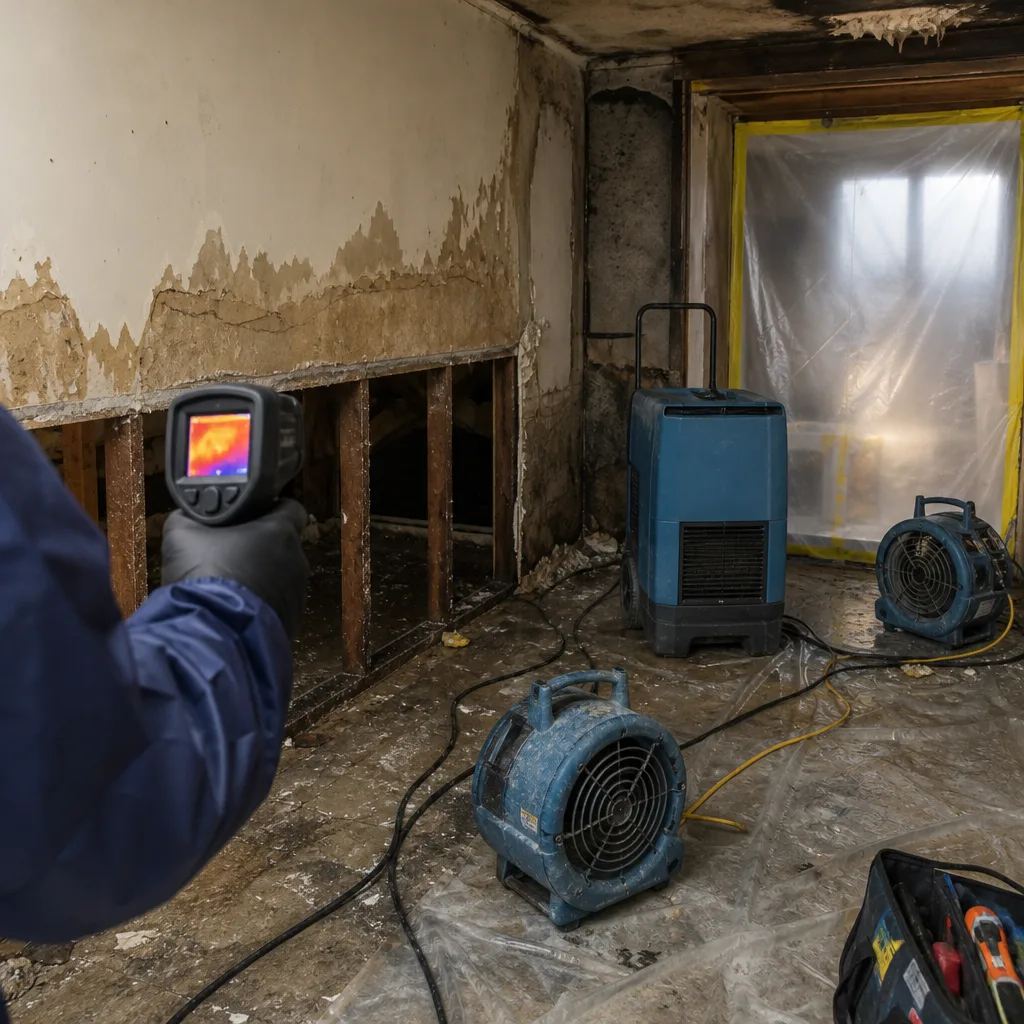
Mold Inspection in Running Springs should start with a moisture map, not a visual walkthrough. Our inspectors use thermal imaging and penetrating moisture meters to find water trapped in wall cavities, subfloors, and crawlspaces that a flashlight misses. On a weekend cabin that’s been closed up since October, the first sign of trouble is often a faint must odor when the owner unlocks the door. By then the colony has been active for weeks. A mold inspection in Running Springs typically costs $350 to $650 for a standard single-family cabin, and includes a written scope of work if remediation is needed. That written scope is the document that protects you from overselling, whether you hire us or someone else.
Moisture Mapping with Thermal Imaging
We run a FLIR thermal camera across walls, ceilings, and floors to spot temperature differentials that indicate trapped moisture. In mountain construction, that’s often where the roof deck meets the wall plate, or where the plumbing runs through an uninsulated exterior wall. The thermal image tells us where to probe. The probe tells us how much water is actually in the material.
Air and Surface Sampling
When there’s a visible colony or a persistent odor, we collect air and surface samples and send them to an independent lab for analysis. The lab report identifies the genus, whether it’s Aspergillus, Penicillium, or Stachybotrys, and gives a spore count. That report guides the scope and also gives you documented evidence for insurance. Some homeowners just need a clearance test after a previous remediation. We handle that too.
Trusted Brands We Service in Running Springs
We service mold problems in every type of structure that shows up along Highway 18 and the Keller Drive corridor: mid-century cabins with original wood siding, 1960s-80s A-frames with post-and-beam framing, chalet-style vacation homes on pier foundations, and newer builds with modern ventilation. The brands of equipment we run are the same ones commercial restoration teams use: Dri-Eaz and Phoenix for drying, B-Air for air movement, Injectidry for cavity and hardwood drying. We don’t bring consumer-grade fans. Running Springs homeowners with older construction need the drying power that matches the altitude, where evaporative rates are lower and materials hold moisture longer.
Common Mold Remediation Problems We See in Running Springs Homes
- Hidden cavity growth behind unheated plumbing walls. The first hard freeze snaps a supply line in a vacation cabin, water runs inside the wall for days or weeks before anyone notices, and the colony establishes itself in the dark warm space behind the drywall. By the time the water damage is spotted, the mold is already spread through the insulation.
- Recurring must in a crawlspace that reads dry upstairs. Raised foundations on pier-and-beam wick spring melt up into the subfloor insulation. The living area stays dry, so the owner treats the smell with spray and a dehumidifier. The subfloor keeps feeding the colony. Moisture mapping the crawlspace is the only way to find it.
- Ice dam damage hidden behind wood siding. Snow loads on the roof melt during the day and refreeze at the eaves, backing water under the shingles and down the wall cavity. The interior paint looks fine for months. The sheathing inside is soaked. On legacy cabins with no exterior vapor barrier, this is the most common mold source we find in Running Springs.
- Cross-contamination from a rushed lower-level cleanup. A split-level or A-frame with an open loft makes containment critical. If someone runs air movers and scrapes moldy drywall without sealing the work area, the spores blow up into the open loft and settle in bedding, curtains, and the cold air return. Then the remediation bill doubles.
See the difference
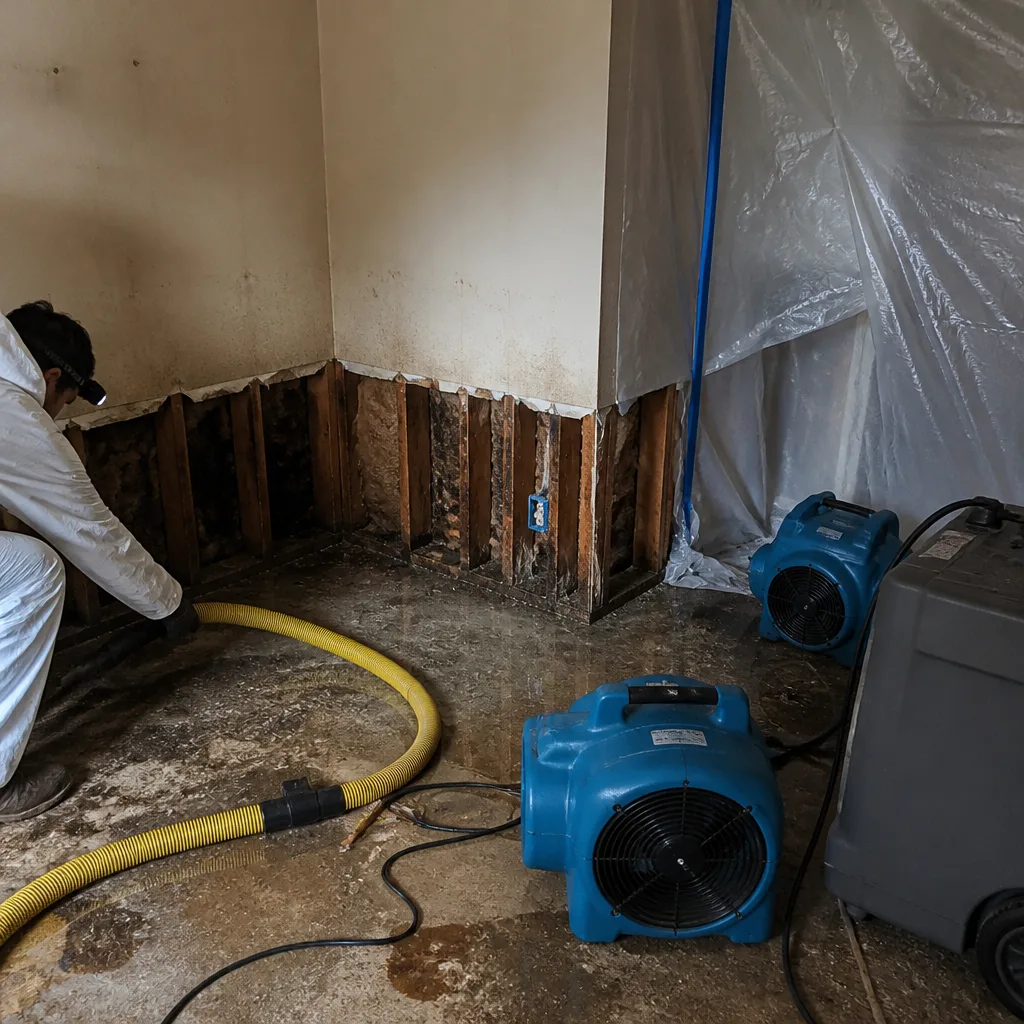 Before
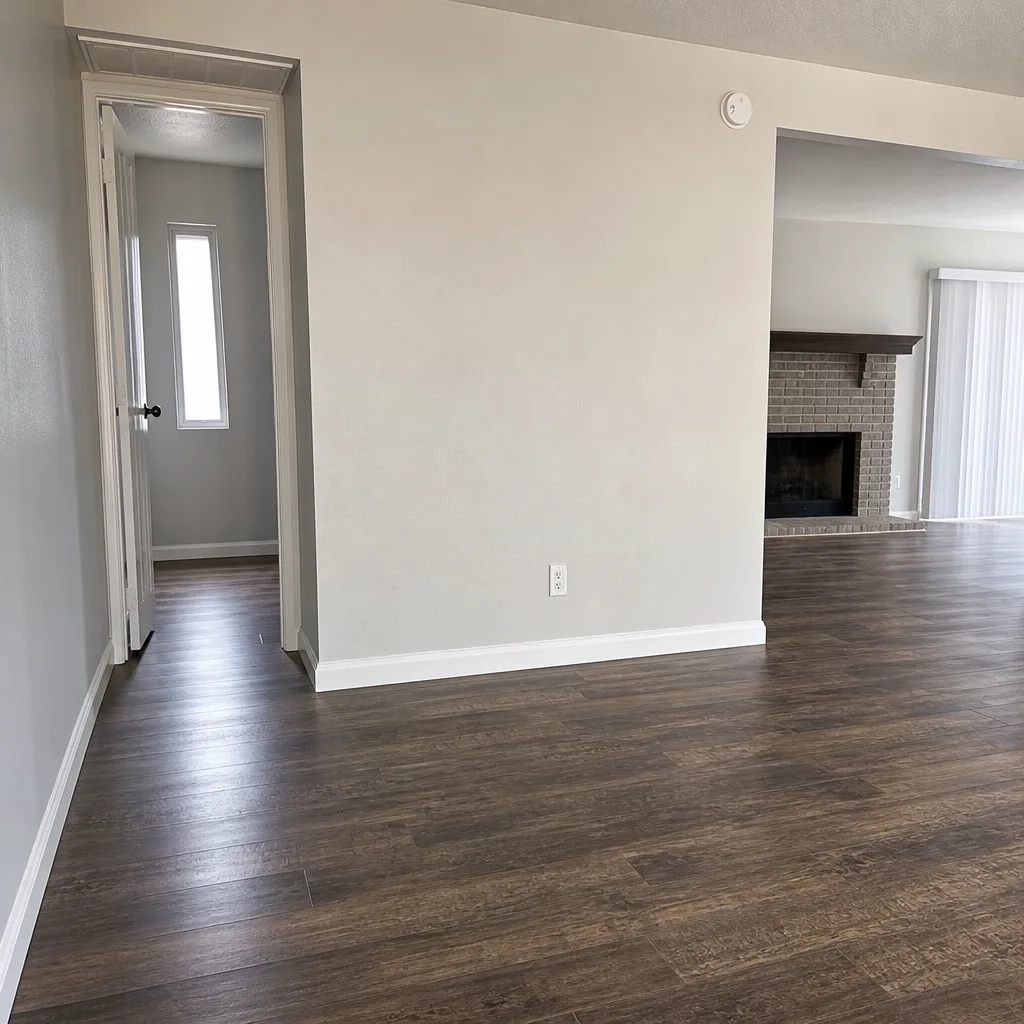 After
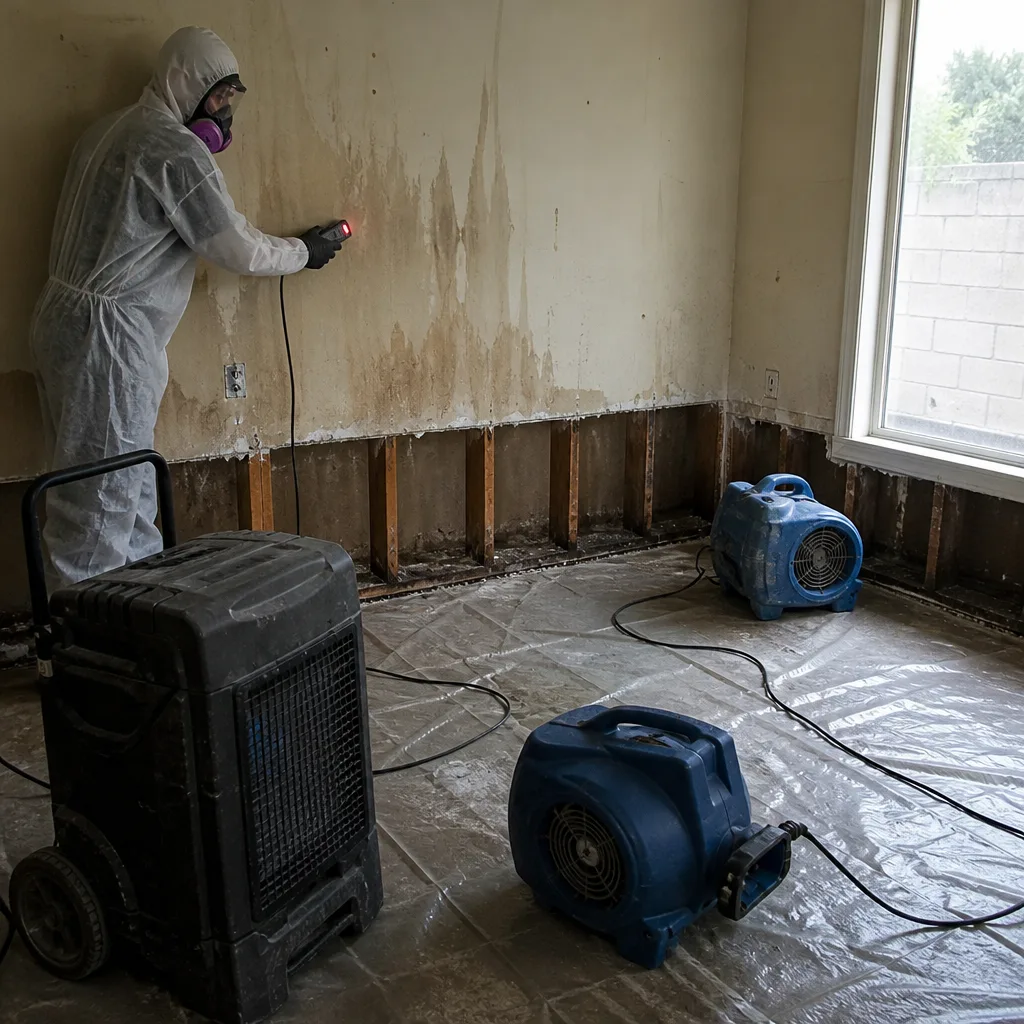 Before
 After
 Before
 After
Pricing for Mold Remediation in Running Springs, CA
We Also Serve Cities Near Running Springs
We run crews into Lake Arrowhead, Highland, Mentone, and Crestline on the same mountain corridor. Each of those towns has its own construction quirks and weather patterns, but the fundamentals stay the same: find the water, dry the structure, remove the colony, verify the result. If you’re in Running Springs or anywhere else in the San Bernardino Mountains, our Mold Remediation team can help. See our Mold Remediation in Running Springs page for more on how we serve this specific mountain community.
Serving Running Springs, CA — Our Local Coverage Area
We’re based in the Running Springs area and know this community well. Use the map below to see our service coverage — if you’re nearby, we can almost certainly help.
FAQs About Mold Remediation in Running Springs
Why does mold keep coming back in my Running Springs cabin after I clean it?
Because you’re cleaning the visible stain and leaving the colony inside the wall cavity or crawlspace. In Running Springs’s older cabins, the moisture source is usually hidden: a slow plumbing leak behind an uninsulated wall, condensation trapped by a non-breathable vapor barrier, or spring melt wicking up through a raised foundation. If the moisture source isn’t found and corrected, mold regrows within weeks. You need a moisture map and cavity inspection, not another coat of antimicrobial paint. Call (844) 716-1094 and we’ll find what’s feeding it.
How fast can mold start after a burst pipe in a vacant second home?
Mold can start within 48 to 72 hours after a pipe bursts if the water sits in drywall and insulation. In a closed-up Running Springs cabin, the timeline is often worse because there’s no airflow and no one to shut the water off. By the time a Keller Drive owner returned to find a burst pipe, the colony was already established and required professional removal. If your cabin has been sitting, call us before you open walls. We’ll assess before you disturb a colony and spread spores through the living space.
Do you need to pack-out contents from a mountain cabin with mold?
Sometimes. If the colony is contained to one wall and the rest of the cabin tests clean, we can often work around furnishings with proper containment. But if the loft is open and spores have spread through the air, textiles and upholstered items absorb them and become secondary sources. We document everything, coordinate pack-out when needed, and work with your insurance on the claim. The decision comes from air sampling and moisture mapping, not convenience. Call (844) 716-1094 and we’ll tell you straight what needs to be moved.
What is the difference between Category 1 and Category 3 water in mold remediation?
Category 1 water is clean, like a supply line or a melted ice cube. Category 3 is grossly contaminated, like sewage or standing water that has sat for days and picked up bacteria. If Category 1 water sits for more than 48 hours, it degrades to Category 2 or 3. In mold remediation, the category matters because water that sat in a wall for weeks feeds microbial growth and often requires antimicrobial treatment on the framing, not just drying. Our drying logs document the category at each stage, which protects your claim. Call (844) 716-1094 to have us assess what category you’re dealing with.
Can you dry the structure yourself after a frozen pipe, or do you need a pro?
You can put a box fan in front of the wet spot, but that dries the surface and leaves the cavity wet. On a pier-and-beam Running Springs cabin, moisture travels into the subfloor and insulation, and a homeowner-grade fan doesn’t have the static pressure to move air through those materials. We use Phoenix axial fans and Dri-Eaz dehumidifiers sized to the cubic footage, plus Injectidry mats for cavity drying. If you dry the surface and close the wall, you’re creating a mold incubator. If you’re already seeing discoloration or smelling must, call (844) 716-1094 before you open anything up.
Call Flood Guard Water Damage for Mold Remediation in Running Springs
Mold doesn’t fix itself, and waiting makes the remediation bigger and more expensive. If you own a cabin, full-time home, or rental in Running Springs and you suspect mold, call us at (844) 716-1094. We’ll schedule an inspection, map the moisture, and quote the work in writing before anything starts. Noel Ibarra and our IICRC-certified team handle every job ourselves with the equipment and documentation the mountain requires. Free estimates. Straight answers. No guessing. Call today.
Written by Noel Ibarra, Owner at Flood Guard Water Damage, serving Running Springs and the San Bernardino Mountains.