 Water damage drying
 Fire & smoke cleanup
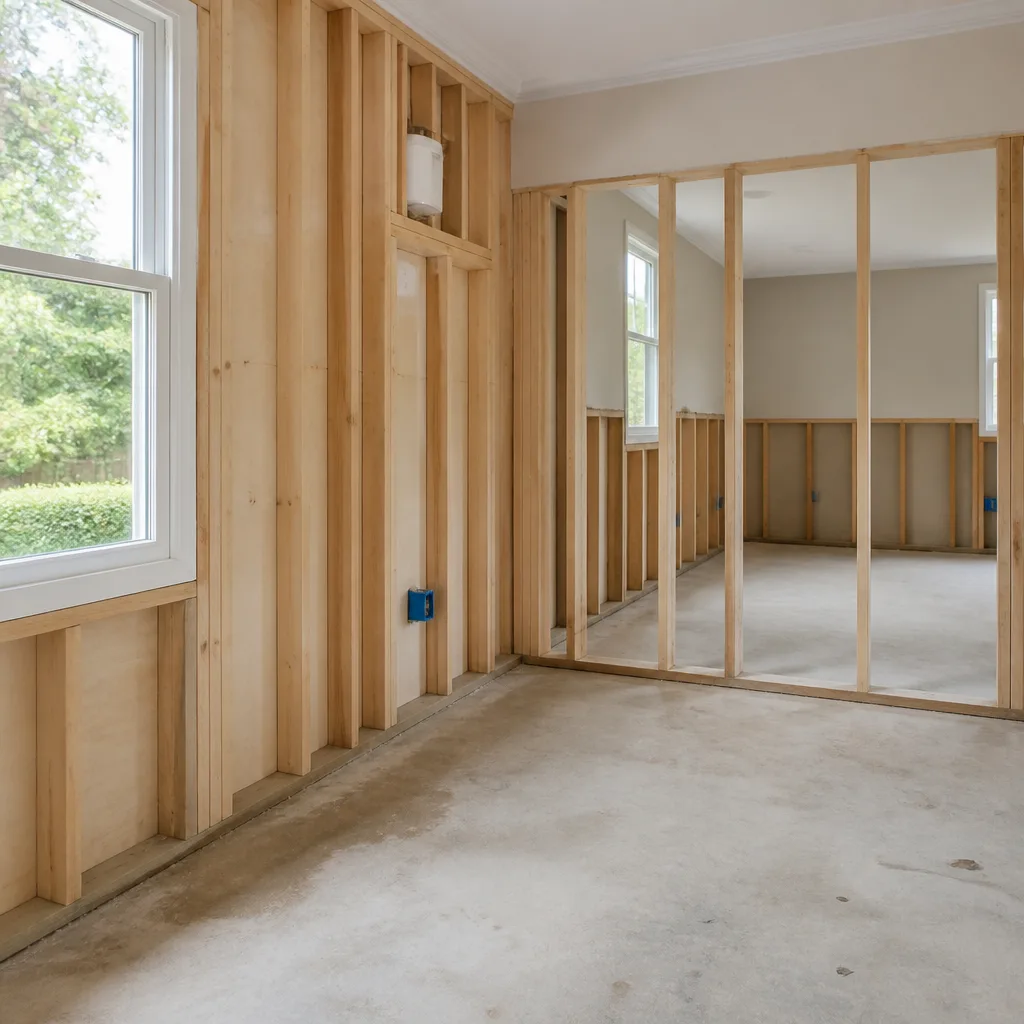 Mold remediation
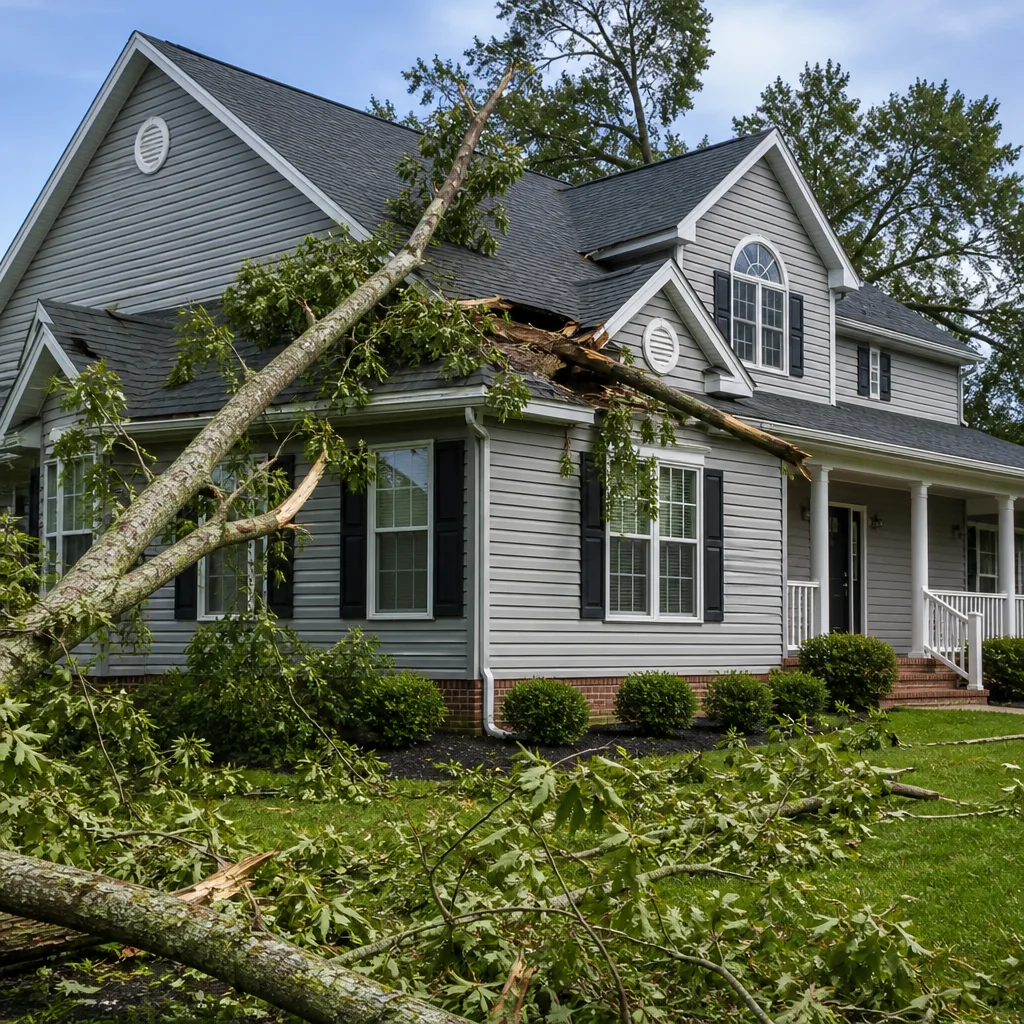 Storm response
 Sewage cleanup
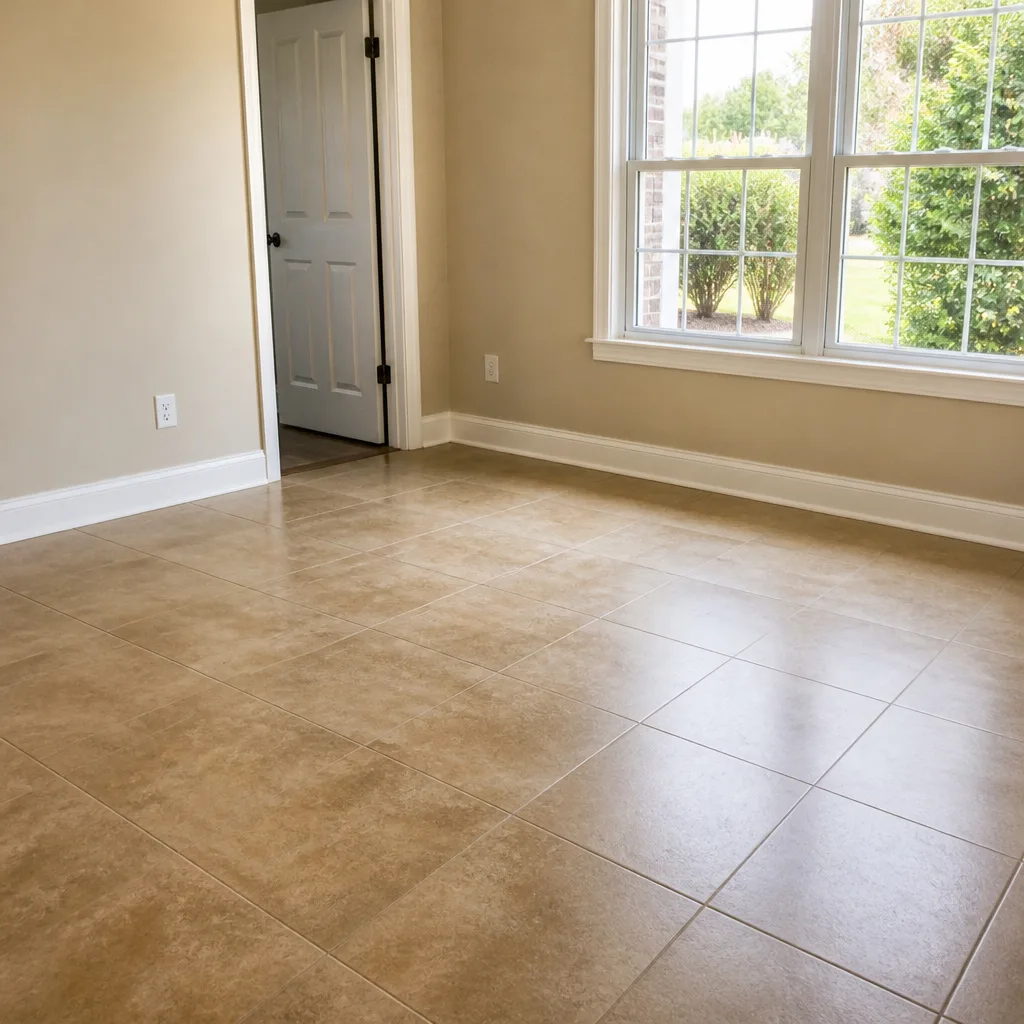
 Reconstruction
Free visual inspection and a written scope of work before any mitigation begins - photos, moisture readings, and drying logs go in your claim file
The scope we write is the scope we bill. Anything new gets shown to you, in writing, before we touch it.
Get your free estimateFast, Reliable Water Damage Restoration Across Lake Arrowhead
Water damage restoration in Lake Arrowhead typically costs $2,800 – $7,500 for a standard Category 1 water loss involving extraction and structural drying, while Category 3 flood or sewage backups run $5,000 – $12,000 because porous materials must be removed and replaced. Most emergency water extractions in Lake Arrowhead can begin same-day when you call (844) 716-1094. The mountain roads, the freeze-thaw cycles, the cabins shut up for months at a time: none of this is new to us. Flood Guard Water Damage works across 92352 with IICRC-certified drying protocols and commercial-grade equipment like Dri-Eaz and Injectidry, and we know what a snow-loaded deck or a frozen supply line does to a Lake Arrowhead crawlspace. If water is spreading through your cabin right now, call (844) 716-1094 and we’ll dispatch a crew.
Why Flood Guard Water Damage Is Lake Arrowhead’s Preferred Water Damage Restoration Company
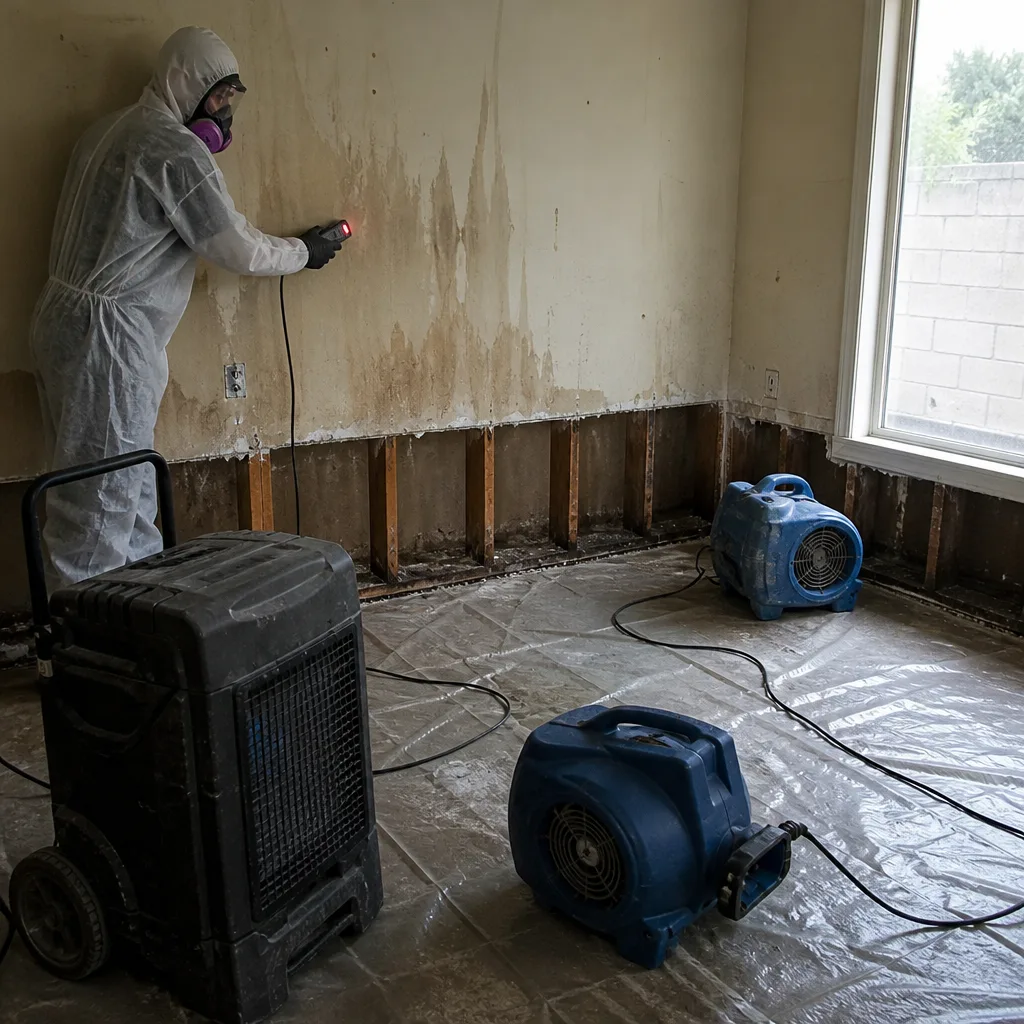
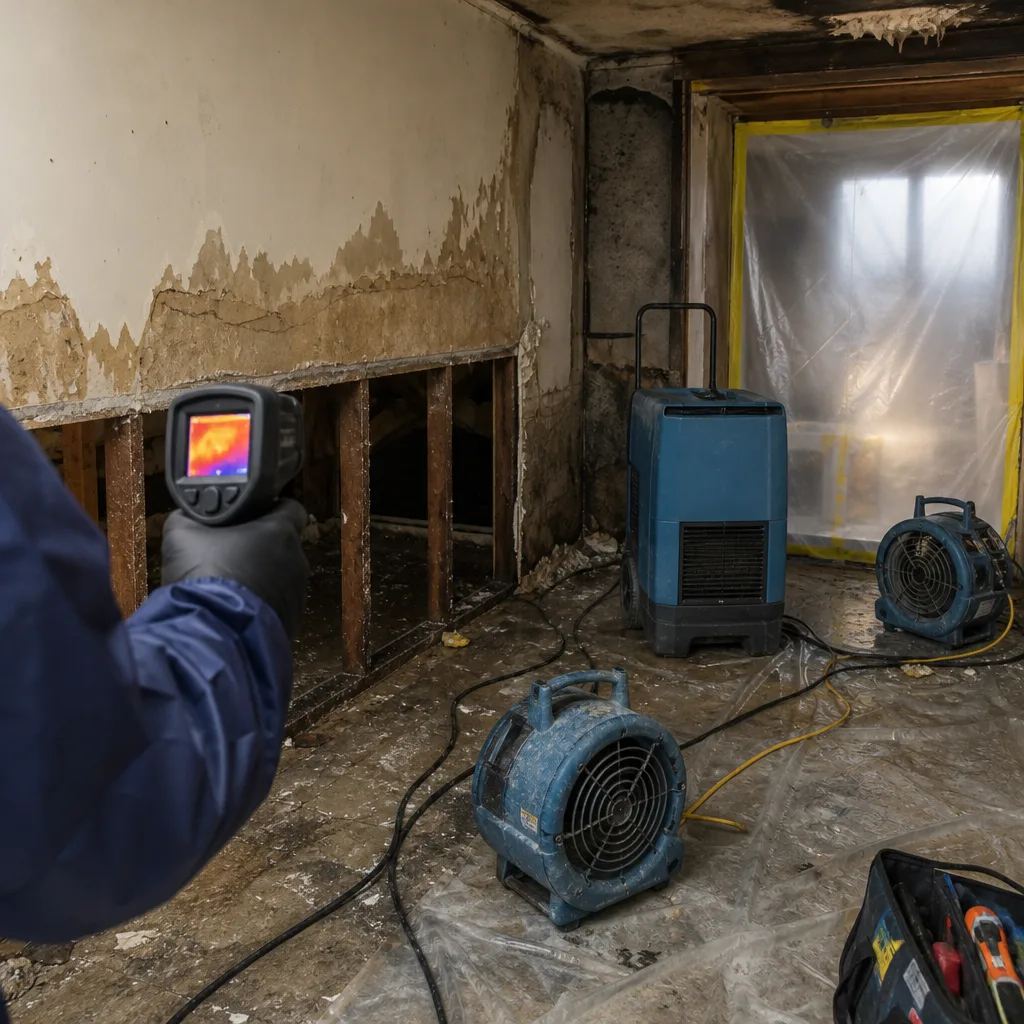
Lake Arrowhead homeowners call us because we treat mountain water damage as a structural problem, not a surface cleanup. A cabin on a slope with a pier-and-beam foundation hides moisture differently than a tract house in Rancho Cucamonga. Our Water Damage Restoration team maps moisture with metering and thermal imaging before we decide what dries and what comes out, so we’re not ripping out walls on a guess. That matters when you’re dealing with a 1970s A-frame where the rim joist is saturated and the subfloor looks fine from above.
Noel Ibarra leads our restoration crews, and his approach is simple: follow the IICRC standard, document everything, and dry the structure, not just the surface. We hold active standing with the Restoration Industry Association (RIA), which means our methods are reviewed against evolving industry protocols, not what was standard a decade ago. For a Lake Arrowhead vacation home owner standing in six inches of water on a holiday weekend, that distinction is the difference between a drying plan and demolition.
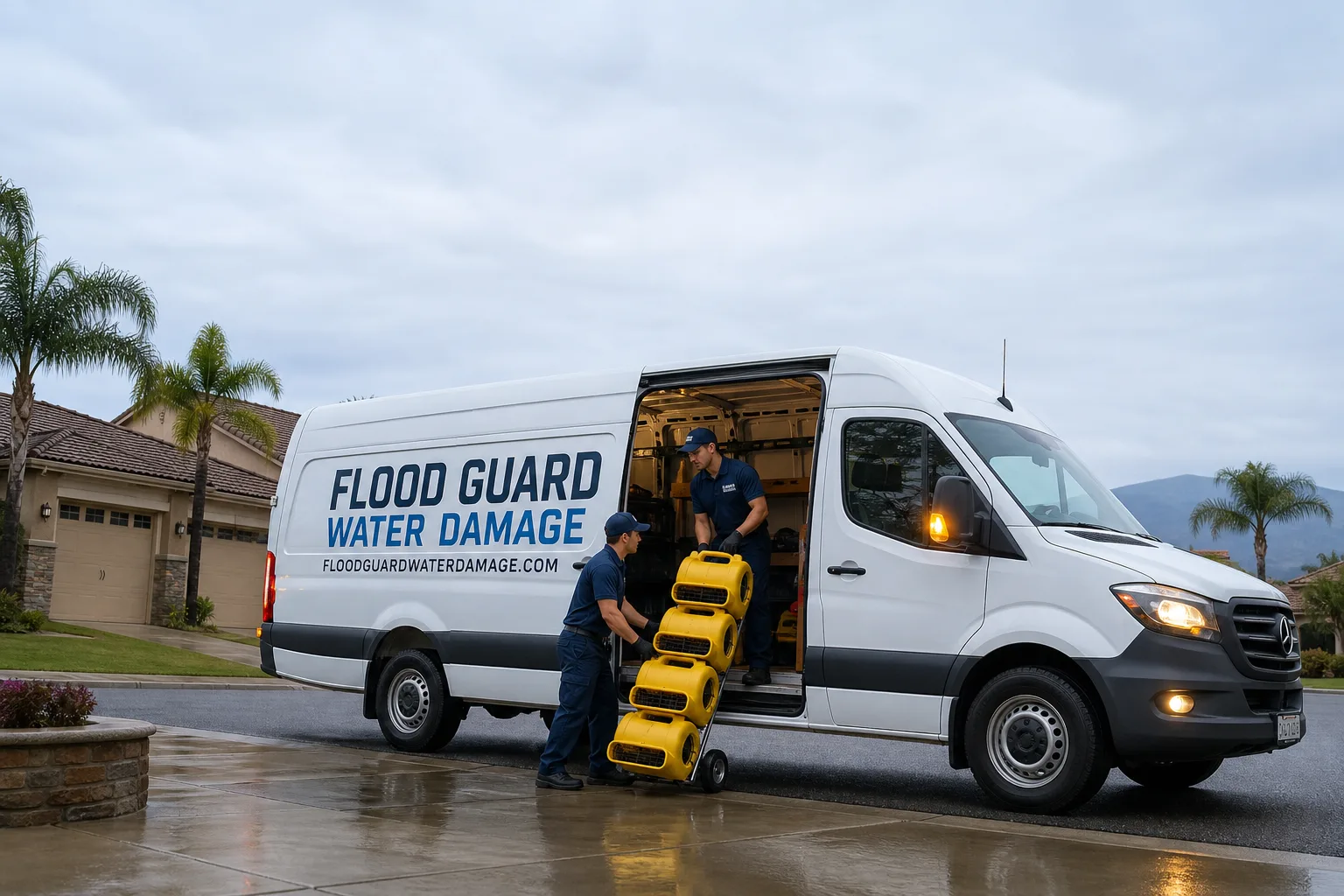
We carry B-Air air movers, Phoenix desiccants, and Injectidry systems that pull water from inside wall cavities and under hardwood, equipment that large commercial restoration teams use on big-loss jobs. When we respond to a Lake Arrowhead call, we’re bringing the same drying capacity we’d deploy on a commercial flood, scaled to your cabin.
Restoration work we handle
Emergency Water Removal in Lake Arrowhead
Emergency Water Removal in Lake Arrowhead is usually a same-day response: we arrive, stop the source if it’s still active, extract standing water with truck-mounted or portable extraction units, and set containment to control humidity. A burst supply line in a Lake Arrowhead cabin, discovered days or weeks after it happened, requires immediate extraction before moisture migrates up drywall and into framing. Most emergency extractions in the 92352 area run $1,200 – $3,200 depending on square footage affected and how much water is standing.
What Extraction Actually Involves
Our crew uses submersible pumps for deep water and high-capacity extractors for carpet, pad, and hard-surface recovery. After extraction, we take moisture readings in adjacent walls, under cabinetry, and through flooring to find water that traveled beyond the visible puddle. The goal is to stop migration before it becomes a mold event.
Drying After the Water Is Out
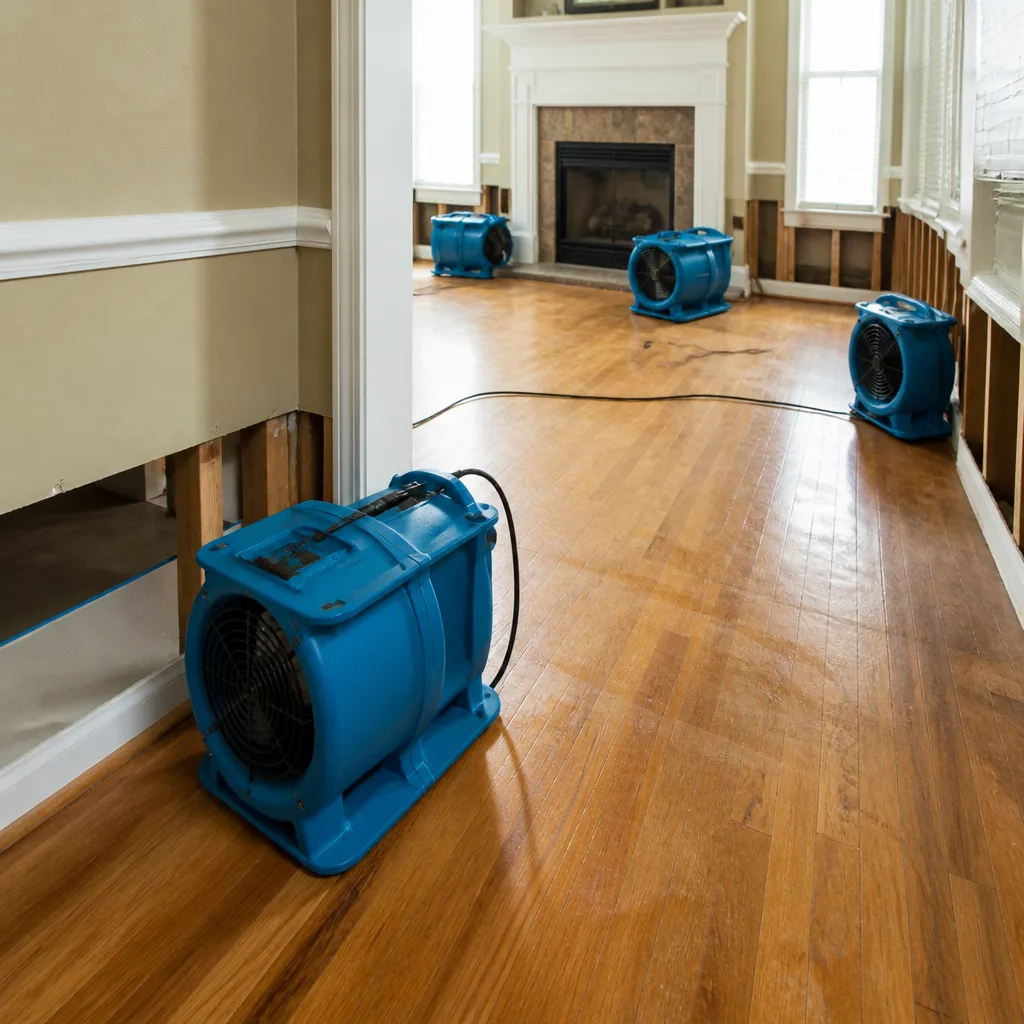
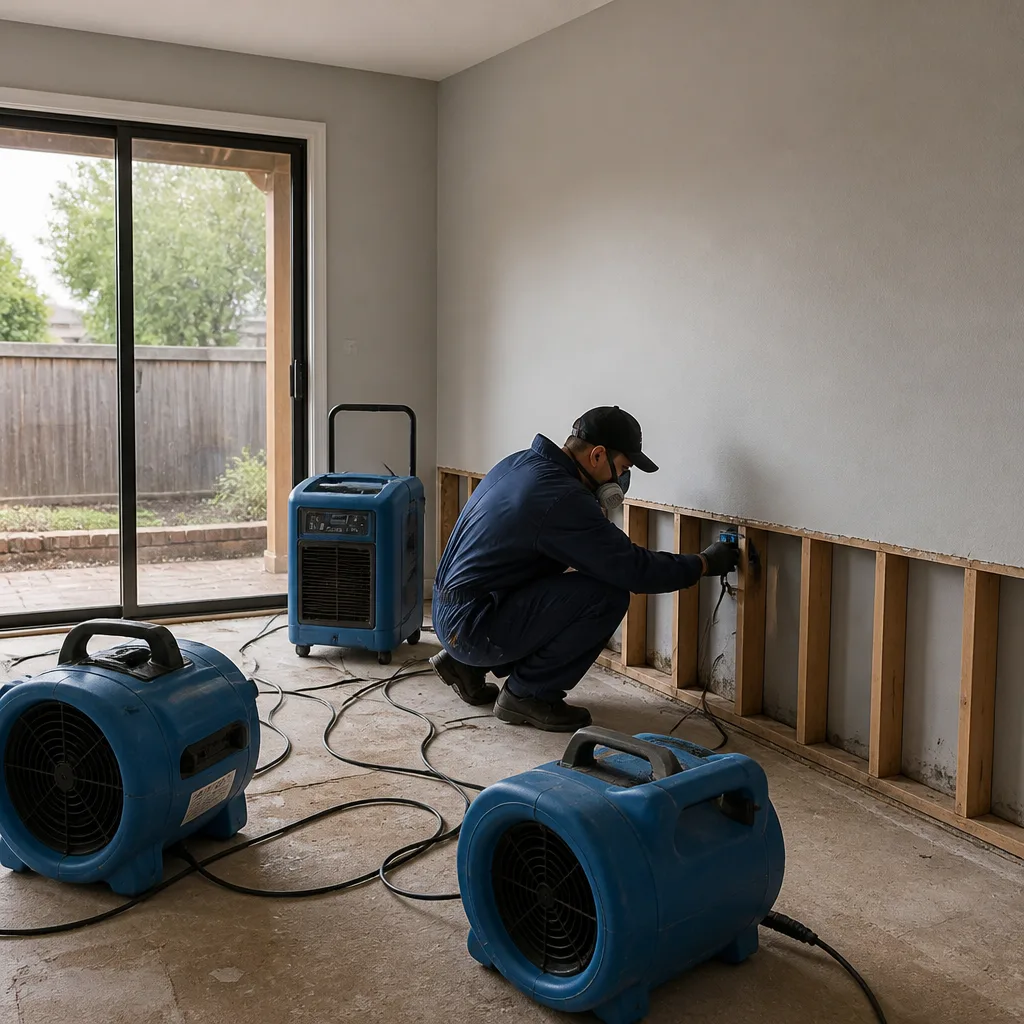
Once standing water is removed, we place air movers and dehumidifiers to pull moisture from structural materials. Dri-Eaz dehumidifiers and B-Air air movers run continuously, with daily moisture monitoring until readings return to pre-loss condition. We don’t pull equipment on a schedule; we pull it when the meters say the structure is dry.
Flood Damage Restoration in Lake Arrowhead
Flood Damage Restoration in Lake Arrowhead covers the full scope from contaminated water removal through structural drying, material removal, and final clearance. A snowmelt intrusion through a roof or a failed deck ledger that channels water into a crawlspace usually means Category 2 or 3 water by the time an owner finds it, especially in a part-time cabin. Flood restoration projects in Lake Arrowhead generally run $4,500 – $12,000, with sewer backups or long-standing black water at the higher end because affected insulation, drywall, and flooring must be removed and disposed of under containment.
Containment and Controlled Demolition
When floodwater has saturated walls or crawlspace insulation, we set physical containment with negative air to prevent cross-contamination into living space. Controlled demolition removes only what is saturated or contaminated, which is where the Injectidry system proves its worth: we can often dry a wall cavity or ceiling from inside without tearing out the entire assembly. We open walls when necessary, not by default.
Category 3 and Antimicrobial Work
Floodwater that carries sewage, soil runoff, or weeks-old standing water is Category 3, and it requires different handling. We remove affected materials, clean with EPA-registered antimicrobials, and document the process with photos for insurance. On a Lake Arrowhead cabin where a pipe ran for weeks into a crawlspace, that documentation and a written scope are what protect the homeowner’s claim.
Trusted Brands We Service in Lake Arrowhead
We work with the equipment makers that set the standard in restoration, so our Lake Arrowhead customers get commercial-grade performance rather than consumer gear. Our fleet includes Dri-Eaz dehumidifiers and air movers, Phoenix drying systems, XPOWER air movers, B-Air equipment, and Injectidry in-wall drying systems. We keep replacement parts and filters stocked for the equipment we run on mountain jobs, which means less downtime waiting on a supply order when your cabin is mid-dry. For a part-time property owner dealing with a water loss in a second home, that readiness translates directly into a shorter drying cycle and lower risk of secondary mold.
Common Water Damage Restoration Problems We See in Lake Arrowhead Homes
- Freeze-thaw failures of older supply lines. In unheated cabins, PEX and older copper lines can split during a hard freeze, and the break often goes unnoticed for weeks until the owner returns. By then, Category 2 or 3 water has saturated framing, insulation, and flooring.
- Snow-loaded decks and roof intrusion points. Heavy mountain snow pulls decks away from rim joists and forces water through flashing failures. Cosmetic remodels often skip these structural joints, so the same leak returns season after season.
- Hidden leaks behind walls and under crawlspaces. 1940s – 1990s mountain cabins often have plumbing runs that are nearly inaccessible. Slow pinhole leaks soak insulation and subfloor before any visible staining appears on finished surfaces.
- Late discovery in part-time homes. Vacation-rental turnover and seasonal occupancy mean owners find damage days or weeks after the event started. Longer saturation equals more demolition, higher restoration costs, and a longer drying cycle.
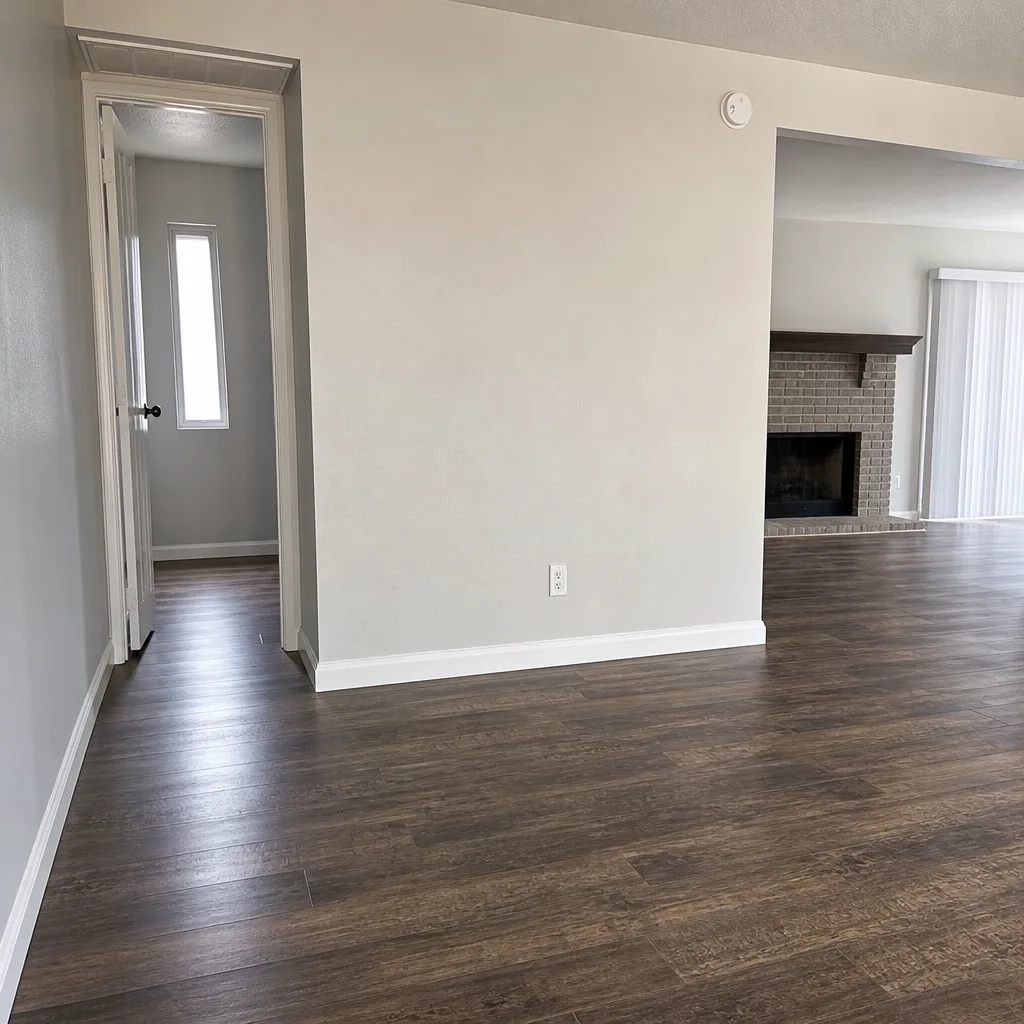
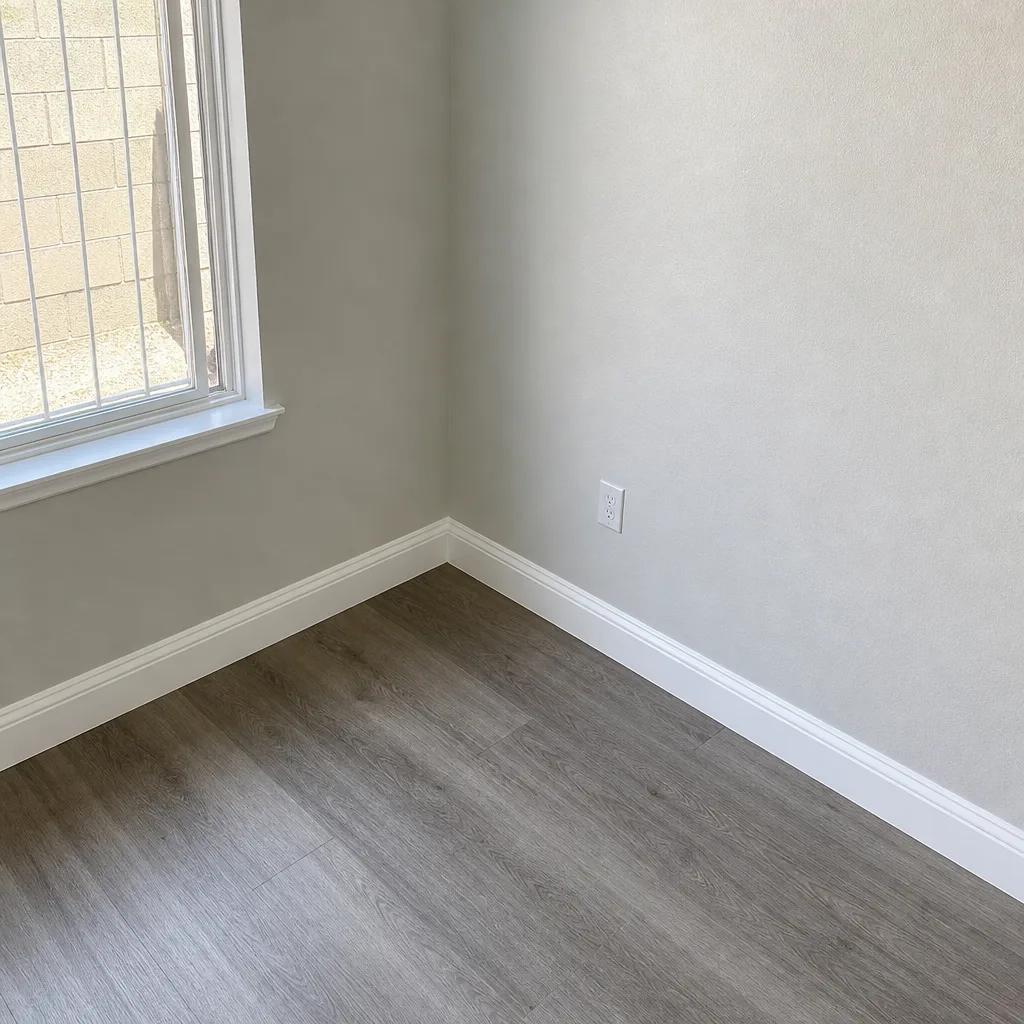
See the difference
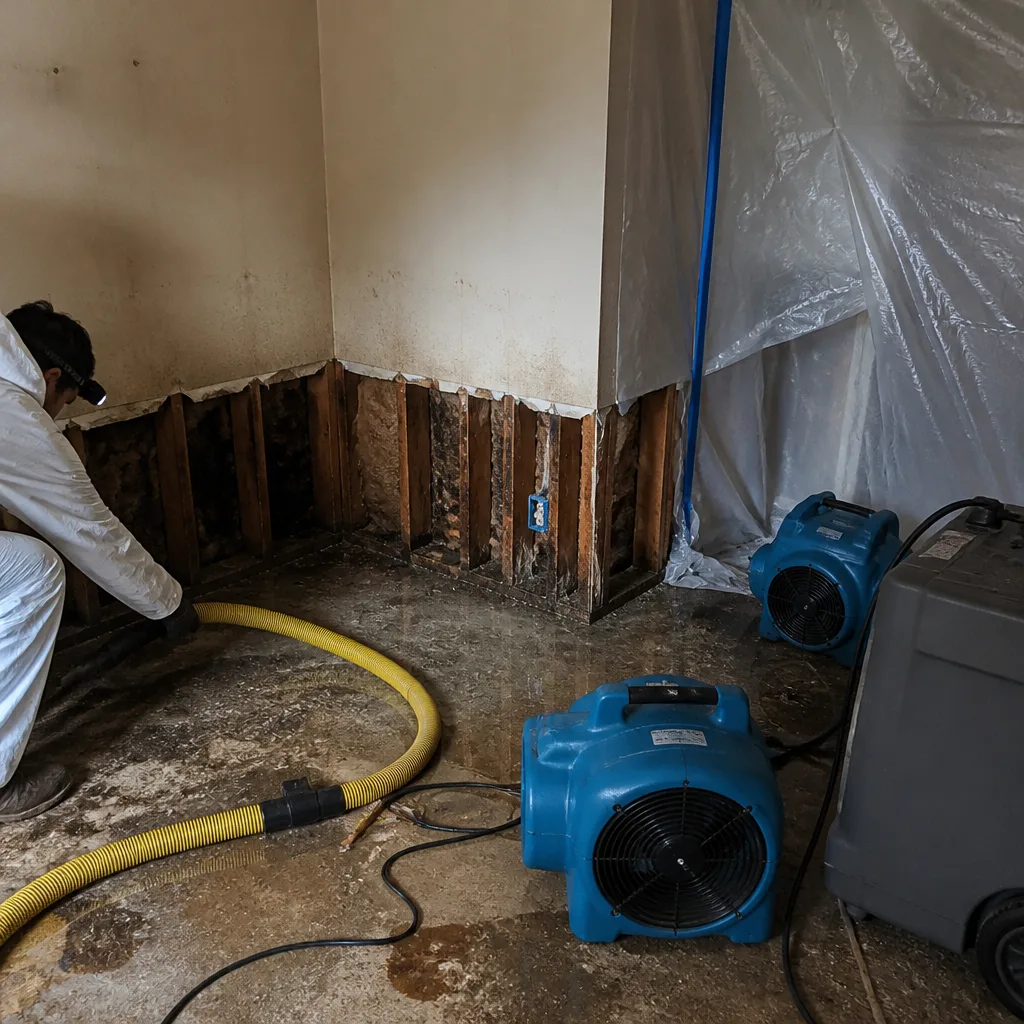 Before
 After
 Before
 After
 Before
 After
Pricing for Water Damage Restoration in Lake Arrowhead, CA
We Also Serve Cities Near Lake Arrowhead
Flood Guard Water Damage regularly responds to water losses in Lake Arrowhead and the surrounding mountain communities, including Crestline, Running Springs, Highland, and Muscoy. If you own a cabin, chalet, or rental property anywhere in the San Bernardino Mountains, our crews know the roads, the gated entries, and the weather patterns that complicate restoration work up here. Call (844) 716-1094 and we’ll get a crew rolling.
Serving Lake Arrowhead, CA — Our Local Coverage Area
We’re based in the Lake Arrowhead area and know this community well. Use the map below to see our service coverage — if you’re nearby, we can almost certainly help.
FAQs About Water Damage Restoration in Lake Arrowhead
How quickly can mold grow after a water leak in a Lake Arrowhead cabin?
Mold can begin colonizing within 24 to 48 hours on wet drywall, particleboard, and organic debris, especially in the cooler, higher-humidity microclimates around Lake Arrowhead where cabins hold moisture longer. The window shortens if the water is Category 2 or 3. If you find a leak in a Lake Arrowhead cabin that’s been closed up, call (844) 716-1094 for immediate extraction and drying assessment.
What should I do if I find water damage in my Lake Arrowhead vacation home?
Shut off the water supply at the main, kill power to the affected area if water is near outlets, and call (844) 716-1094 to schedule extraction and moisture mapping. Do not start pulling up carpet or opening walls yourself; disturbing saturated materials can spread contamination and complicate your insurance documentation. We’ll handle containment, extraction, and a written scope for the adjuster.
Can you access gated lake-access neighborhoods in winter conditions?
Our crews carry four-season access equipment and know the private roads and gated entries around Lake Arrowhead, including the lake-access neighborhoods where chain control and private gates slow down typical contractors. We’ll coordinate with your HOA or gate attendant. Call (844) 716-1094, tell us which neighborhood you’re in, and we’ll plan the approach before dispatch.
How do you handle water damage in crawlspaces or pier-and-beam foundations?
Crawlspace water extraction requires dehumidification and air movement below the home, not just on the finished floor above. We use moisture meters to map saturation in joists and subfloor, then set Dri-Eaz desiccants and air movers in the crawlspace and the living space above. Injectidry panels can dry floor cavities from above without pulling the entire subfloor. For pier-and-beam foundations on slope lots, we’ll also check drainage and surface water so the same water doesn’t return after we leave.
What is the difference between Category 1, 2, and 3 water damage?
Category 1 is clean water from a supply line or faucet, and it can often be dried without major demolition. Category 2 is contaminated water, from a dishwasher overflow, for instance, and it requires antimicrobial treatment plus removal of some materials. Category 3 is grossly contaminated water, including sewage, soil runoff, or standing water that has been sitting for weeks; restoration for Category 3 involves removal of porous materials, containment, and full disinfection. We assess and document the category before writing your scope, so your insurance claim reflects what actually happened. Call (844) 716-1094 for a no-cost assessment.
Contact Flood Guard Water Damage in Lake Arrowhead
Water damage doesn’t wait, and in a mountain community like Lake Arrowhead, the longer it sits, the worse it gets. We’re IICRC-certified, RIA-affiliated, and equipped with the same drying technology used on commercial losses. Our crews know the winding roads, the gated entries, and the specific failure modes of these older cabins and chalets. Call (844) 716-1094 for a free estimate, and we’ll send a crew to extract, dry, and document the full scope of the damage.
Written by Noel Ibarra, Owner at Flood Guard Water Damage, serving Lake Arrowhead and the San Bernardino Mountains.