
Last updated October 30, 2026
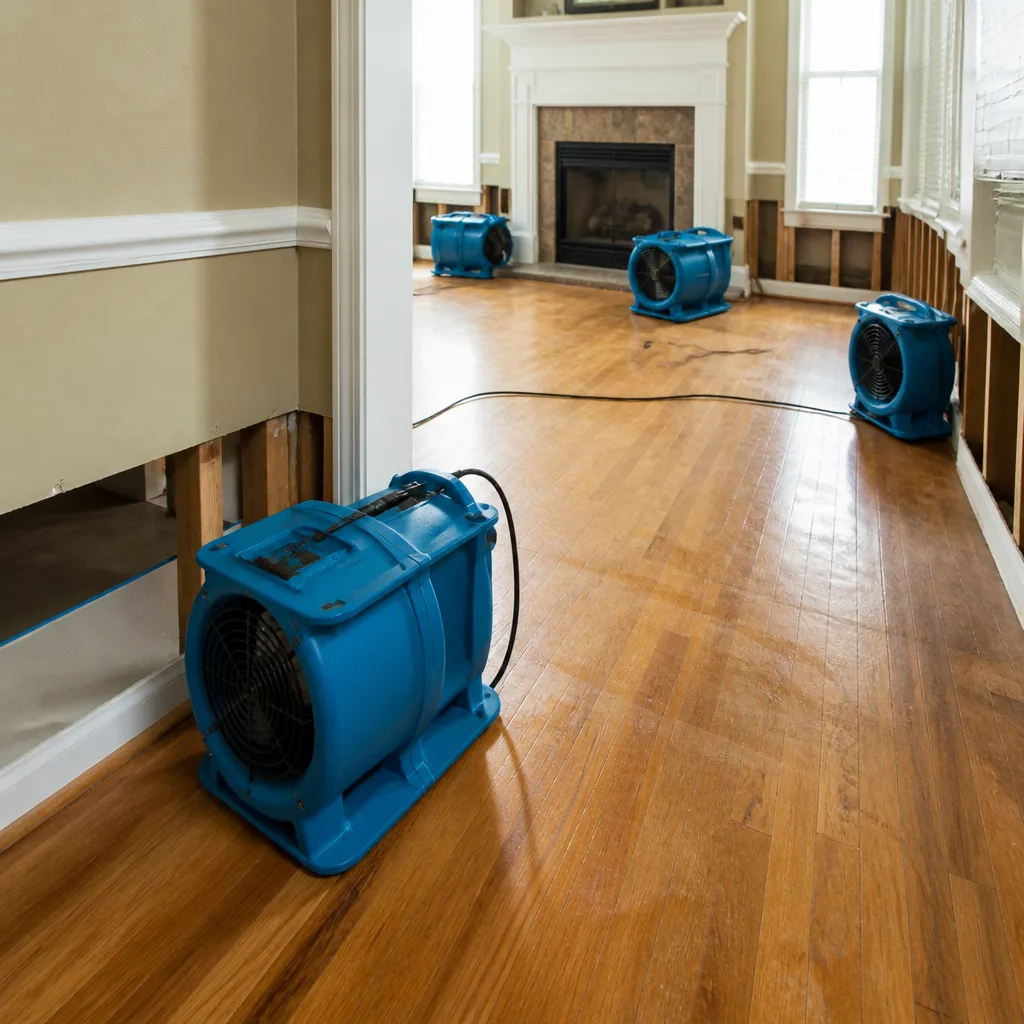 Water damage drying
 Fire & smoke cleanup
 Mold remediation
 Storm response
 Sewage cleanup
 Reconstruction
Free visual inspection and a written scope of work before any mitigation begins - photos, moisture readings, and drying logs go in your claim file
The scope we write is the scope we bill. Anything new gets shown to you, in writing, before we touch it.
Get your free estimateWater Damage Restoration Maintenance Checklist for Rancho Cucamonga Homeowners
Most water damage in Rancho Cucamonga doesn’t start with a dramatic pipe burst. It starts with a slow leak behind a washing machine, a hairline crack in a stucco wall, or a supply line that’s been quietly corroding for eleven years. By the time you see the stain on the ceiling or the baseboard starting to warp, the moisture has usually been working inside the wall cavity for weeks or months. This guide walks through the specific failure points we see repeatedly in Rancho Cucamonga homes, from Etiwanda to Alta Loma, and gives you a practical inspection rhythm that catches problems before they become restoration projects.
Quick Answer
A water damage prevention checklist for Rancho Cucamonga homeowners should focus on appliance supply lines, water heater connections, stucco cracks, tile roof underlayment, and drainage around graded lots. The most important habit is a quarterly inspection of all water connections using a consumer-grade moisture meter, with professional intervention when readings exceed 16% moisture content in building materials.
Restoration work we handle
Table of Contents
- Appliance Supply Lines: The Silent Flood Source
- Water Heater Connection Points and Failure Signs
- Stucco Cracks and Wall Cavity Intrusion
- Tile Roof Underlayment: What Hides Above
- Using a Moisture Meter: Baselines and Thresholds
- Drainage Checks for Graded Lots
- Seasonal Maintenance Calendar
- Common Mistakes to Avoid
- When to Call a Professional
- Frequently Asked Questions
Appliance Supply Lines: The Silent Flood Source
Here’s the counterintuitive fact that surprises most homeowners: braided stainless steel supply lines, the ones that look indestructible, fail from the inside out. The rubber core degrades over time due to chlorine in municipal water, water pressure fluctuations, and heat cycling. The stainless braid hides the deterioration until the line lets go completely. In Rancho Cucamonga, where water hardness sits well above the national average, mineral deposits inside supply lines accelerate this wear.
What should you actually inspect? Here’s the checklist we recommend every homeowner run through every three months:
- Under the kitchen sink: Check the dishwasher supply line where it connects to the shutoff valve. Look for any bulging in the braid, visible rust at the crimp fittings, or mineral crust forming at the connection points.
- Behind the refrigerator: The ice maker supply line is usually a thin plastic tube or small braided line. Plastic lines, especially the saddle-valve type, are notorious for pinhole leaks where the line bends. If you have one, replace it with a braided stainless line rated for potable water.
- Washing machine hoses: These fail more often than any other supply line. Look for cracks at the rubber gasket area, blistering in the outer jacket, or any sign the hose is older than five years. Washing machine hoses should be replaced every five years regardless of appearance.
- Toilet supply lines: Check where the line meets both the shutoff valve and the fill valve. Mineral buildup at either end indicates a slow weep that’s already happening.
The fittings fail first, not the hose itself. The compression fittings at each end of a braided line are the weak points, especially on the hot water side. Heat cycling causes the rubber washer inside the fitting to harden and crack. We’ve responded to more kitchen floods in Rancho Cucamonga that started at a sixty-cent washer than from any dramatic pipe failure. The fix is simple: replace the whole line when you see crust at the fitting. Don’t just tighten it, because over-tightening a corroded compression fitting is often what causes the blowout.
Water Heater Connection Points and Failure Signs
The water heater sits in the garage of most Rancho Cucamonga homes, out of sight and out of mind. That’s a problem, because water heater failure is a top-three source of indoor water damage in the Inland Empire. The tank itself isn’t the only risk. The supply lines, the pressure relief valve, and the drain pan each have their own failure patterns.
Here’s the step-by-step inspection we suggest you do at the start of every season:
- Look at the supply lines first. The flexible connectors feeding the tank degrade faster than the tank itself. Check for corrosion at the threaded connections, any bulging in the line body, and water staining on the platform below.
- Inspect the temperature and pressure relief valve. This is the brass valve on the side or top of the tank with a discharge pipe running down. If you see water dripping from the discharge pipe, the valve is failing or the tank pressure is too high. Either way, call a plumber before it becomes a bigger problem.
- Check the drain pan. Every water heater in California should sit in a drain pan piped to the exterior or a floor drain. If the pan holds water, the tank is already weeping. If the pan is dry but rusted through, it won’t catch anything when the tank fails.
- Look for sediment buildup signs. If you hear popping or rumbling sounds when the heater runs, sediment has accumulated at the bottom of the tank. This creates hot spots that weaken the steel, and tank failure usually follows within one to two years. Flushing the tank annually at minimum delays this.
- Verify the shutoff valve works. Turn it off and on once. If it’s seized, you won’t be able to stop the water when something fails. Frozen shutoff valves turn minor leaks into major floods.
In Rancho Cucamonga specifically, the hard water shortens tank life noticeably. Sediment accumulates faster, and the anode rod that protects the tank from corrosion gets consumed more quickly. If your water heater is over ten years old and has never been flushed, consider having it inspected by a professional before it makes the decision for you. We’ve seen tanks in the Etiwanda area fail at the nine-year mark consistently because of mineral accumulation.
Stucco Cracks and Wall Cavity Intrusion
Rancho Cucamonga is a stucco town. The tract homes built through the 1980s, 1990s, and 2000s all used Portland cement stucco over wood framing. Stucco is durable against sun and heat, but it has a specific weakness: it’s brittle. When the ground shifts, which happens regularly on the alluvial soils along the foothills, stucco develops hairline cracks. Those cracks don’t look like much from the outside, but they act as capillary channels that draw water directly into the wall cavity during rain events.
Here’s what to look for on your exterior walls:
- Hairline cracks wider than a credit card edge (roughly 1/32 inch) warrant sealing. Anything wider needs professional assessment, because the crack may indicate structural movement, not just cosmetic settling.
- Cracks that radiate from window and door corners. These are stress concentration points. Water entering these cracks follows the window flashing down into the wall assembly, where it soaks insulation and framing.
- Stucco that’s pulling away from the wall. Press gently on areas around visible cracks. If the stucco flexes or sounds hollow, it has debonded from the lath, meaning water can travel behind the entire panel.
- Staining below cracks. If you see dark staining running down from a crack after rain, water is already entering and draining inside the wall. The stain means the intrusion is active, not theoretical.
The real danger with stucco cracks in Rancho Cucamonga is that the wall cavity is exactly where mold takes hold. Stucco doesn’t dry quickly once it’s wet. The paper-backed lath, the fiberglass insulation, and the wood framing all hold moisture for extended periods. By the time you see staining on interior drywall, the water has been inside the wall for long enough to start biological growth. The fix for cracked stucco is straightforward: clean the crack, apply elastomeric sealant or a proper stucco patch, and monitor after the next rain. The fix for water that’s already inside the wall is Water Damage Restoration in Rancho Cucamonga, which means moisture mapping, containment, and structural drying with professional equipment.
Tile Roof Underlayment: What Hides Above
Concrete tile roofs are everywhere in Rancho Cucamonga, and they’re often the source of water damage that homeowners never see coming. The tiles themselves are not waterproof. They’re a wear surface that sheds most water, but the actual waterproofing is the underlayment beneath the tiles: usually 30-pound felt or synthetic material installed over the roof decking. That underlayment has a finite lifespan. In the Inland Empire climate, with UV exposure, heat, and Santa Ana winds, felt underlayment typically lasts twenty-five to thirty years. Many Rancho Cucamonga homes built in the 1990s are right at the end of that lifespan.
The problem: tiles are usually fine. They can last fifty years or more. So homeowners look up, see intact tiles, and assume the roof is problem-free. Meanwhile, the underlayment is quietly breaking down, developing cracks and gaps that allow water to reach the plywood decking. When it rains, water finds those gaps and soaks the decking, which then drips into the attic and down into ceilings and walls.
Signs that your tile roof underlayment may be compromised:
- Water stains on ceilings that appear after rain, especially in corners of rooms or along exterior walls. This is the most common first sign.
- Discolored or warped roof decking visible from the attic. Take a flashlight into the attic on a sunny day. If you see light coming through gaps in the decking, water can get through those same gaps.
- Moisture in the attic insulation. Pull back a small section of insulation near the roof eaves and feel for dampness. Wet insulation compresses and loses its thermal value, so you may also notice higher cooling bills in summer.
- Granules from broken tiles accumulating in gutters. Broken or shifted tiles don’t cause immediate leaks, but they expose the underlayment to UV, which accelerates its deterioration.
The inspection isn’t something most homeowners should do themselves, because walking on tile roofs breaks tiles and creates the very problem you’re trying to prevent. A roofing professional trained on tile roofs can do a safe inspection, checking underlayment condition at the eaves and around penetrations like vents and chimneys. If your home was built before 2005 and has the original roof, an underlayment inspection should be on your priority list.
Using a Moisture Meter: Baselines and Thresholds
A consumer-grade pinless moisture meter costs between thirty and sixty dollars and is the single most useful prevention tool a homeowner can own. It reads moisture content through drywall, stucco, and wood without making holes, and it tells you things your eyes can’t see. We recommend creating a baseline map of your home so you know what normal looks like for your specific walls and floors.
Here’s how to set up your quarterly moisture baseline:
- Buy a pinless meter. Look for one that reads both gypsum and wood. The Best and General brands make reliable consumer models. You don’t need commercial-grade, but you do need one with a relative and absolute reading. For the purposes of this guide, we’ll reference IICRC standards: drywall in a properly conditioned space should read between 5% and 12% moisture content; readings above 16% indicate active moisture intrusion that requires professional attention.
- Map your zones. Identify the areas with hidden plumbing or exterior exposure: under every sink, behind every toilet, around the water heater, along the base of exterior walls, and in the ceiling below any upstairs bathroom.
- Take readings once and record them. Use a simple spreadsheet or note on your phone. The exact number matters less than changes over time. A wall that reads 8% year-round is normal; the same wall reading 14% after a rain event is telling you something changed.
- Repeat quarterly. At the same time you check your supply lines, run the meter across your baseline zones. Seasonal changes will shift readings slightly, especially in Rancho Cucamonga’s dry climate, but a jump of more than 4-5 percentage points in any zone needs investigation.
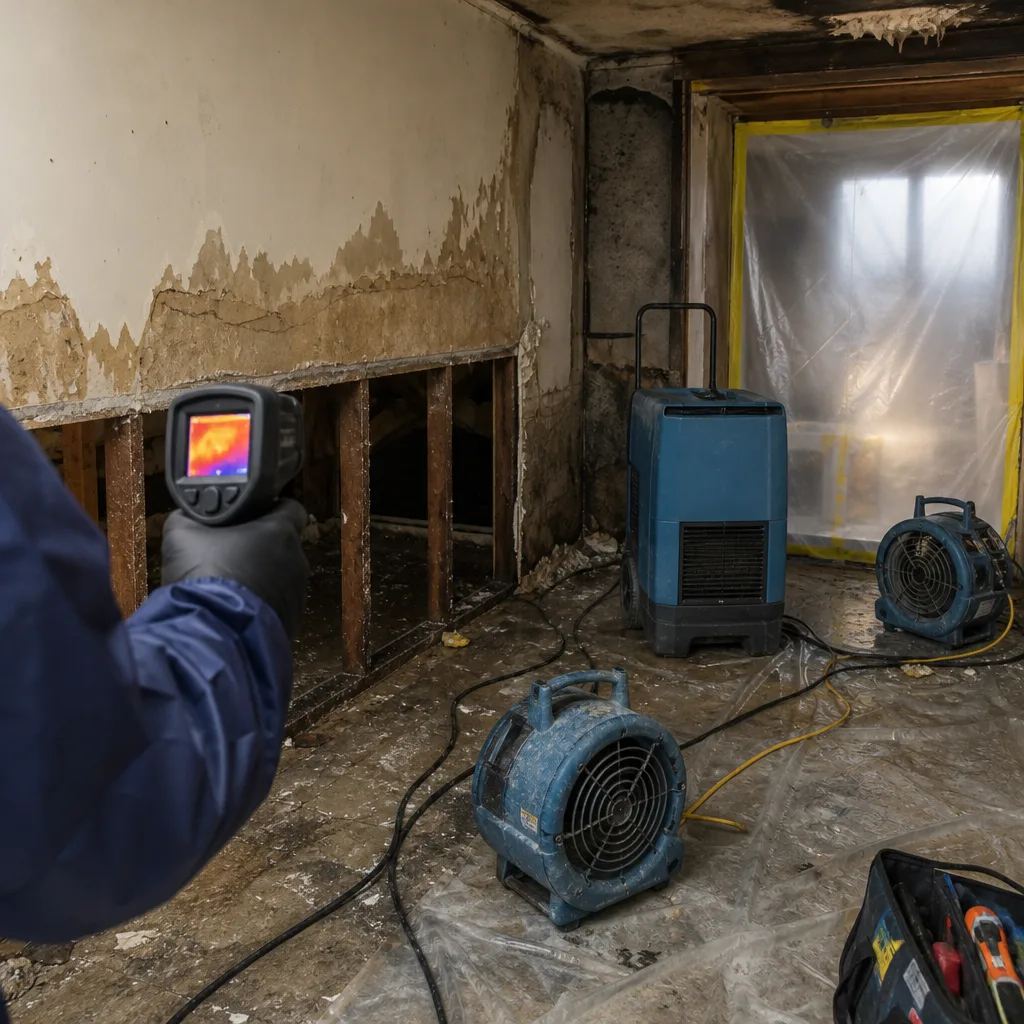
- Know the thresholds. Drywall at 16% or above is wet enough to support mold growth. Wood framing at 20% or above is at risk for fungal decay. These are the numbers where DIY monitoring ends and professional moisture mapping with thermal imaging and penetrating meters begins.
We use commercial-grade moisture detection as the foundation of every water damage restoration we perform, because measuring moisture content is the only way to know when a structure is actually dry. A consumer meter won’t be as precise or as deep-reading as our equipment, but it’s absolutely effective for spotting suspicious areas before they become full-blown leaks. The key habit is consistency: same spots, same season, same meter.
Drainage Checks for Graded Lots
Rancho Cucamonga sits on alluvial fans spilling down from the San Gabriel Mountains. Homes in the Etiwanda and Alta Loma neighborhoods specifically are built on graded slopes that create unique drainage pressures. When it rains, water moves downhill through the soil, and if your home’s grade doesn’t direct that water away from the foundation, it ends up against the slab or the stem wall. Over time, even small amounts of water against a foundation find their way through hairline cracks into the wall or floor assembly.
Check these drainage features every fall, before the rainy season:
- Downspout placement and extension. Every downspout should discharge at least five feet from the foundation. If the water pours onto a splash block right at the wall, the soil there saturates and water wicks up into the stucco and framing. Extensions are cheap and take minutes to install.
- Grading slope. Walk the perimeter of your home. The soil should slope away from the foundation at least six inches over the first ten feet. If the grade slopes toward the house or is flat, water pools at the base of the wall. This is one of the most common drainage defects on Rancho Cucamonga hillside lots.
- Subterranean and area drains. Many Alta Loma homes have French drains, swales, or area drains in the yard to handle sheet flow from the hills. These drains clog with silt and debris quickly. If you have them, check that the grates are clear and that water flows through them during a rain event. A clogged area drain is worse than no drain at all, because it collects water that has nowhere to go.
- Garage stem wall weep holes. Homes built with block stem walls often have weep holes near the top of the foundation. These should be clear so that any water inside the wall cavity can escape. Paint and stucco work frequently clogs them.
- Planter boxes against the house. If a planter is built against an exterior wall, it must have its own drainage separate from the house. Planters trap moisture against the wall and are a common source of interior water damage on older Rancho Cucamonga homes.
Drainage issues rarely show up as dramatic failures. They show up as musty smells in the garage, cracking in the slab, or persistent dampness in the base of walls. If you’re seeing any of those signs, the drainage correction is the priority, and the interior drying is the second step. Mold remediation is often the third step, because persistent drainage problems are the most reliable predictor of hidden mold growth in wall cavities.
Seasonal Maintenance Calendar
The best maintenance checklist follows the seasons, especially in Rancho Cucamonga where the dry summer creates different pressures than the wet winter. Here’s a practical calendar that hits the highest-value inspections for our climate:
Fall (October): Pre-Rain Preparation
- Inspect all supply lines under sinks, behind toilets, and at the washing machine.
- Check downspout extensions and clear any debris from gutters.
- Test the water heater relief valve and drain pan.
- Seal any stucco cracks that have appeared over the summer.
- Clear area drains and check grading around the foundation.
Winter (January): Post-Rain Inspection
- Take moisture readings in all baseline zones, especially exterior walls.
- Check attic for any signs of water staining or wet insulation.
- Inspect concrete tile roof edges for shifted or broken tiles.
- Look for efflorescence (white powdery deposits) on exterior walls, which indicates water moving through masonry or stucco.
- Verify that no new stucco cracks opened during rain events.
Spring (April): Dry-Season Assessment
- Flush the water heater to reduce sediment accumulation.
- Check all exterior hose bibs and irrigation connections for leaks.
- Inspect the area where irrigation lines run near the foundation. A cracked sprinkler line spraying against the wall is a slow-motion water damage problem.
- Replace washing machine hoses if they’re over five years old, regardless of appearance.
- Test the main water shutoff valve to make sure it turns easily.
Summer (July): Heat and Hard Water Check
- Inspect water heater anode rod condition and replace if consumed (especially relevant given Rancho Cucamonga’s hard water).
- Check that all exterior penetrations (hose bibs, cable entries, vent pipes) are properly sealed. Summer heat expands and contracts stucco, and gaps that form now become water entry points in winter.
- Run the moisture meter across baseline zones and compare to spring readings.
- Verify that the garage floor drain, if present, flows freely. A clogged garage drain is an unnoticed risk until a water heater or washing machine fails.
Common Mistakes to Avoid
- Ignoring small stains on ceilings or walls. A faint yellowish ring on drywall means water has been present. The leak may have stopped, but the moisture that soaked the framing and insulation may not have dried. In Rancho Cucamonga’s dry climate, this can lull homeowners into thinking the problem resolved itself. It usually hasn’t. Test with a moisture meter.
- Replacing supply lines but not checking the shutoff valves. A new braided line connected to a seized shutoff valve doesn’t help in an emergency. Verify the valve works before trusting it.
- Sealing stucco cracks with caulk instead of a proper patching compound. Caulk pulls away from stucco edges within a season, especially with temperature swings in the Inland Empire. Use a stucco patching product or hire a professional for cracks wider than a hairline.
- Waiting until the rainy season to deal with drainage issues. By the time the rain arrives, the ground is saturated and corrections are harder. Fix grading and drains in the late summer or early fall when the soil is dry and workable.
- Using a moisture meter but not recording readings. The value of a moisture meter comes from trend data over time. Without baseline numbers, you can’t tell the difference between normal seasonal variation and early water intrusion. Write the numbers down.
- Letting the washing machine hoses ride. They’re tucked behind the machine where no one looks, and they’re under constant pressure. Replace them on a schedule, not by appearance. The failure mode is sudden and catastrophic, and a ruptured washing machine hose can release hundreds of gallons in an hour.
- Ignoring water heater age as a maintenance issue. A water heater that runs fine today is still aging. Past the ten-year mark in a hard water area like Rancho Cucamonga, the probability of tank failure rises sharply. Budget for replacement before the tank decides for you.
When to Call a Professional
Your moisture meter reads 16% or higher in drywall, or 20% or higher in wood, and the reading doesn’t drop after a few dry days. That’s active moisture intrusion and it will not resolve on its own. If you see water staining on multiple levels, staining that reappears after painting, a musty smell that doesn’t air out, or baseboards pulling away from the wall, the water has been working inside the wall cavity for long enough to cause secondary damage. These are the situations where professional moisture mapping, structural drying, and potential mold assessment become necessary. Flood Guard Water Damage offers free estimates in Rancho Cucamonga, and our IICRC-certified protocols measure and document moisture before any drying begins, so you know exactly what needs to be addressed. Call (844) 716-1094 and we’ll assess the problem with the same equipment and methods used on commercial restoration jobs.
Frequently Asked Questions
You should perform a basic supply line and moisture meter check every three months, with a more thorough seasonal inspection at the start of fall and after major rain events. The quarterly rhythm catches issues early enough to prevent most water damage scenarios, and the fall inspection addresses drainage and stucco issues before the rainy season.
Use an independent moisture meter reading of 16% or higher in drywall, or 20% or higher in wood framing, as the signal to call a professional. These percentages are recognized restoration industry thresholds for when materials are wet enough to support mold growth and structural degradation. If you’re getting readings in that range, don’t wait for visible signs, because the visible signs mean the damage is already advanced.
Most homeowners insurance policies do cover sudden and accidental water damage from failed supply lines, including flooding from washing machines, dishwashers, and water heaters. The key distinction is that gradual leaks and maintenance-related failures often are not covered, which is why regular inspection is important. Document everything with photos before any cleanup begins, and keep records of your maintenance history to support a claim. Flood Guard Water Damage routinely coordinates with insurance adjusters and provides photo documentation throughout the process.
Stucco homes in Rancho Cucamonga get water inside walls because hairline cracks in the stucco act as capillary channels that draw rainwater into the wall cavity. The paper-backed lath, insulation, and framing hold that moisture for extended periods, especially in wall cavities that don’t breathe well. Once water is inside the wall, it usually leads to mold growth and eventual drywall damage unless it’s professionally dried.
Mold can start growing in as little as 24 to 48 hours after water intrusion if temperature and humidity conditions are right. In wall cavities where airflow is minimal, the conditions for mold growth often persist for weeks without visible signs, which is why moisture testing after any notable leak is critical. If you suspect a leak happened more than a day ago, mold remediation in Rancho Cucamonga may be needed as part of the full restoration scope.
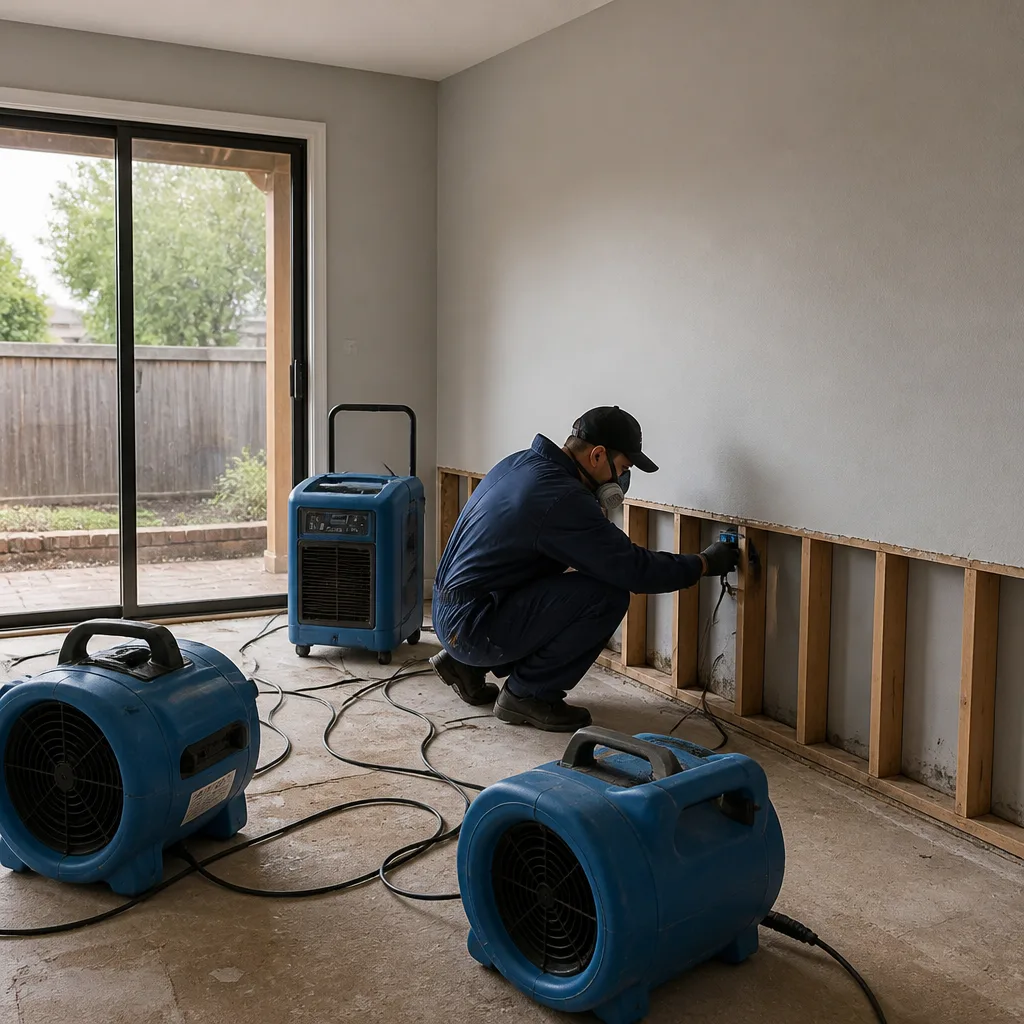
The best way to dry out a wall after a minor leak depends on how much water entered and how long the wall was wet. For small, isolated leaks where the moisture reading stays below 16%, opening the wall base and running a fan for a few days may be sufficient. For anything beyond that, professional structural drying with proper airflow calculation and dehumidification is the only reliable approach. We use commercial-grade drying systems from brands like Dri-Eaz and Phoenix, the same equipment used in large-loss restoration, because consumer-grade fans simply don’t move enough air to dry a wall cavity.
The Bottom Line
Water damage prevention in Rancho Cucamonga comes down to knowing where homes fail in this specific climate and checking those points consistently. Supply lines, water heater connections, stucco cracks, tile roof underlayment, and drainage on graded lots are the recurring failure patterns we see. A quarterly inspection habit with a moisture meter turns water damage from an expensive surprise into a preventable maintenance item. If you find something that concerns you, or if you simply want an experienced second opinion on the condition of your home’s water systems, Flood Guard Water Damage is a local resource. Call (844) 716-1094 for a free estimate from a restoration team that uses IICRC-certified drying protocols, commercial-grade equipment, and documented moisture measurements on every job. When you need us, water damage restoration in Rancho Cucamonga is what we do every day.
Written by the team at Flood Guard Water Damage, serving Rancho Cucamonga since 2018.
See the difference
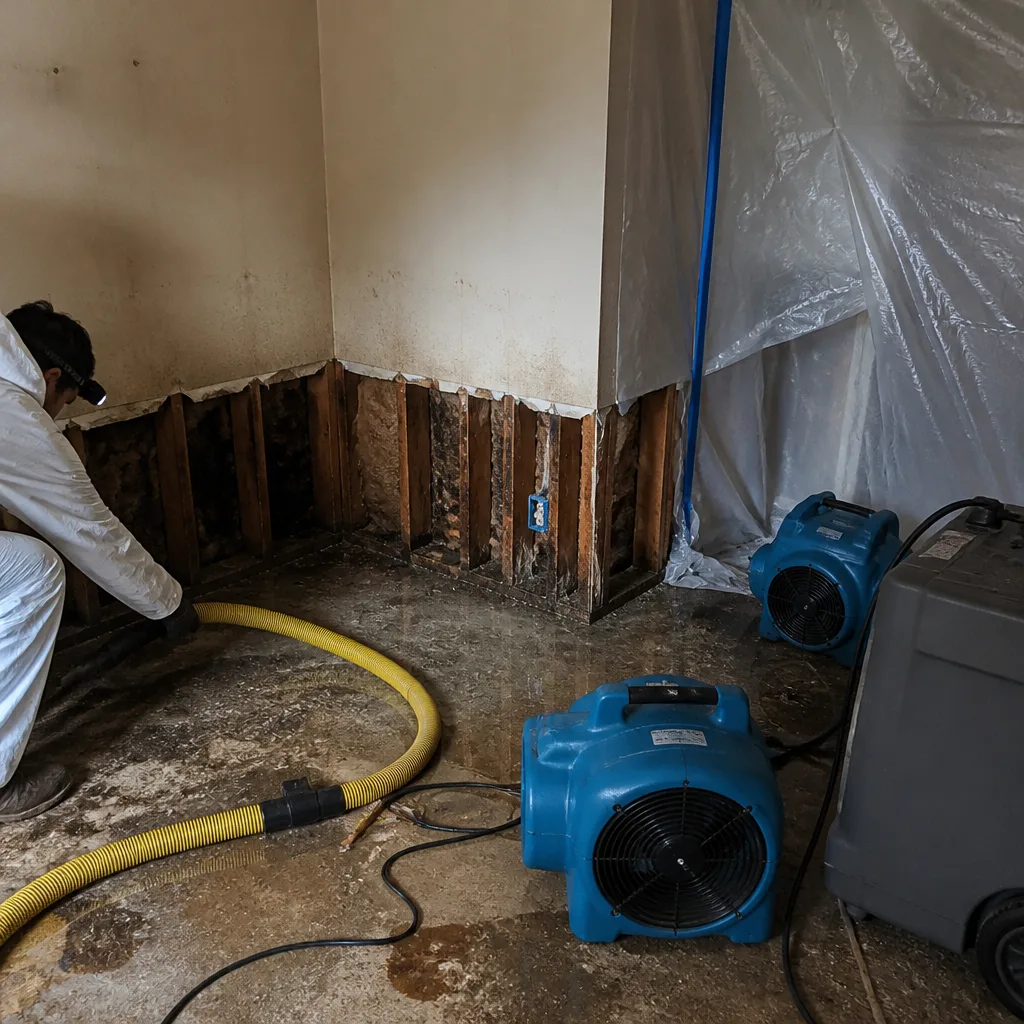 Before
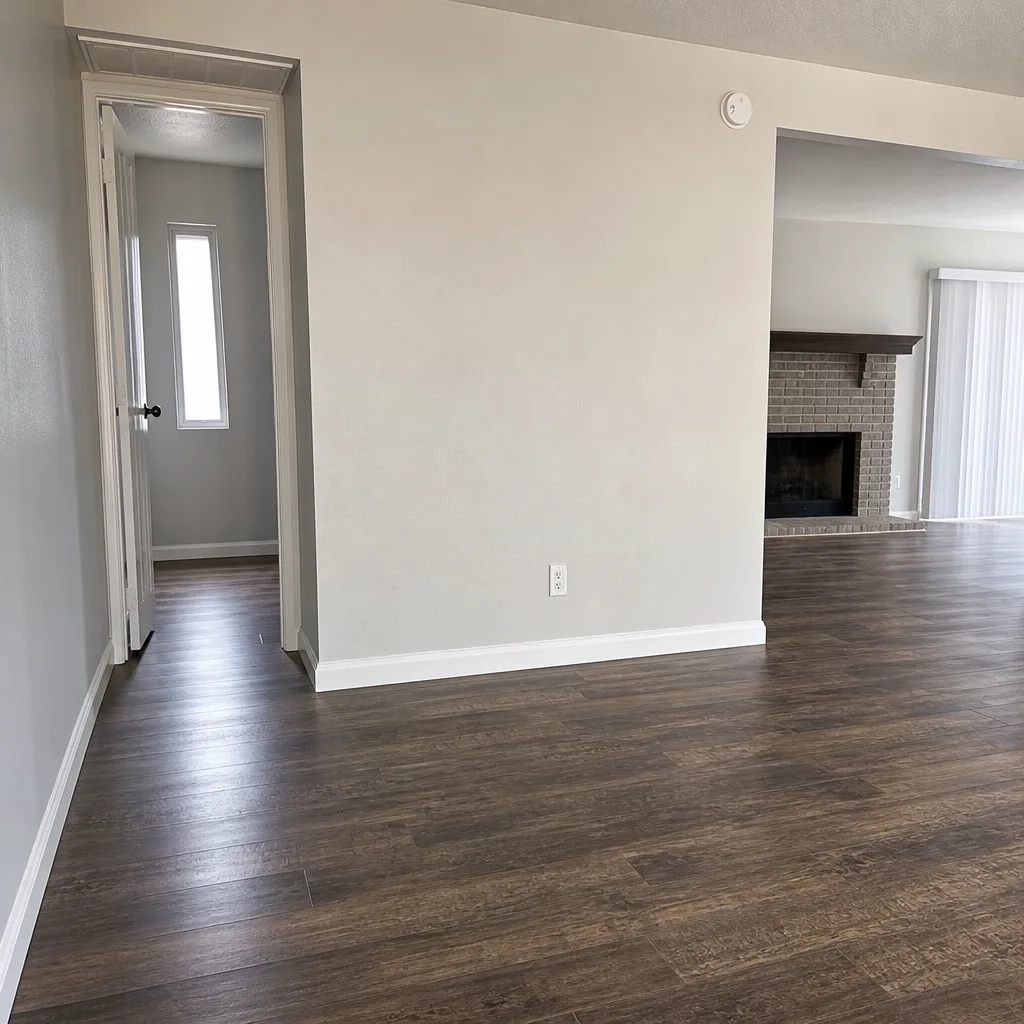 After
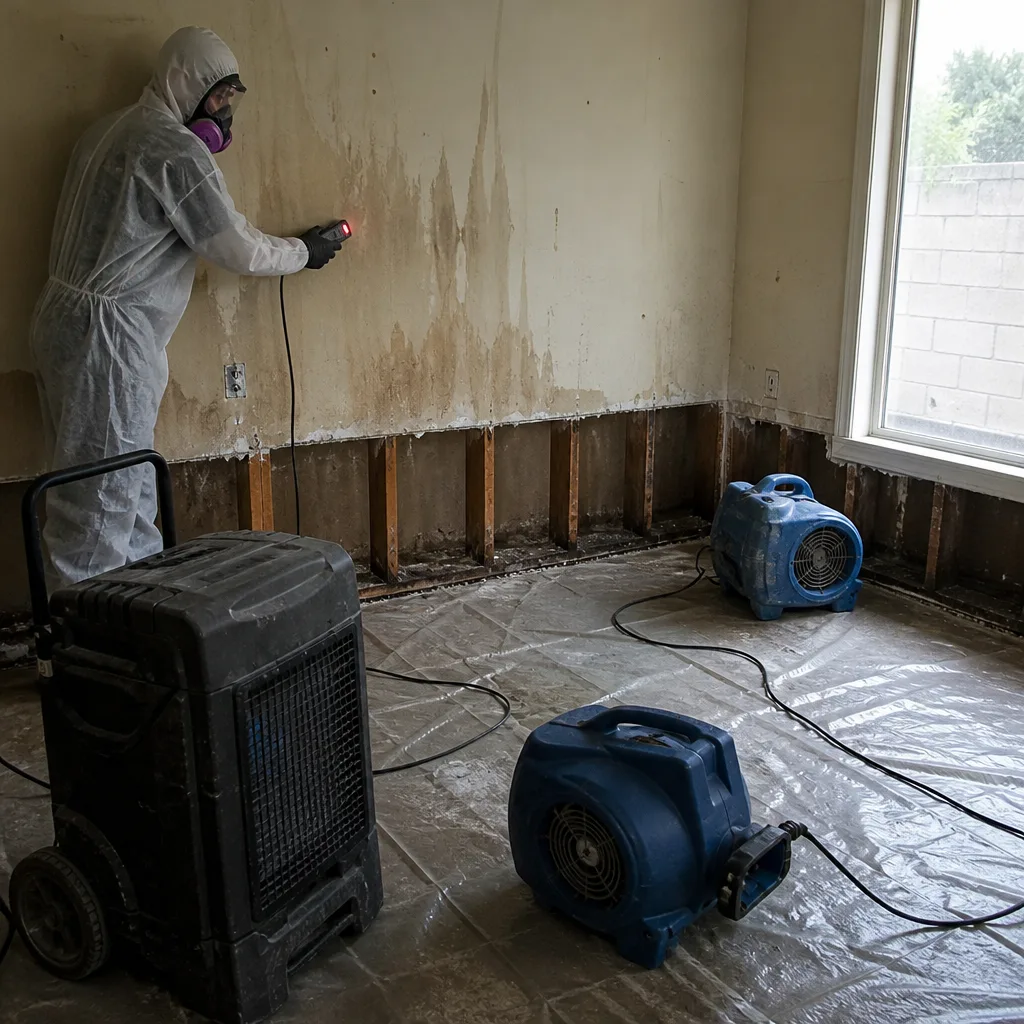 Before
 After
 Before
 After