Last updated October 30, 2026
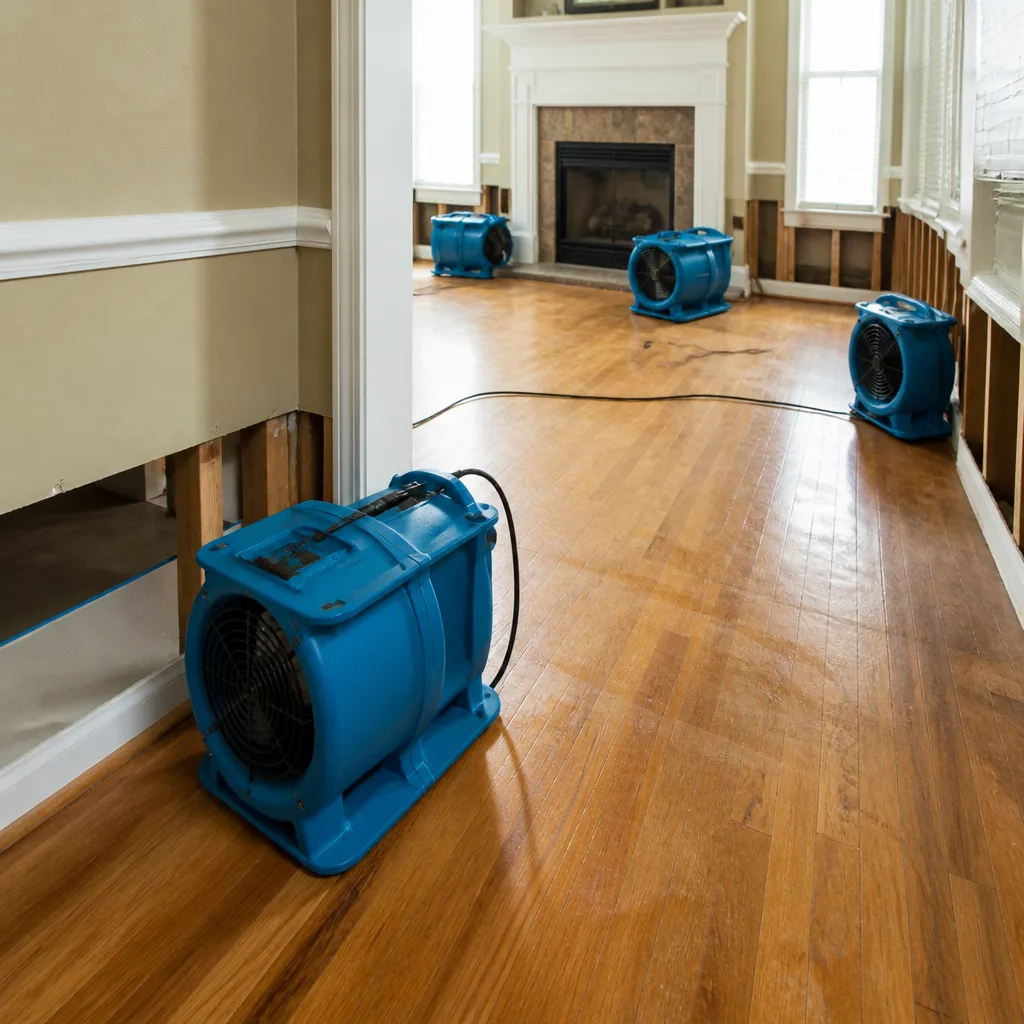 Water damage drying
 Fire & smoke cleanup
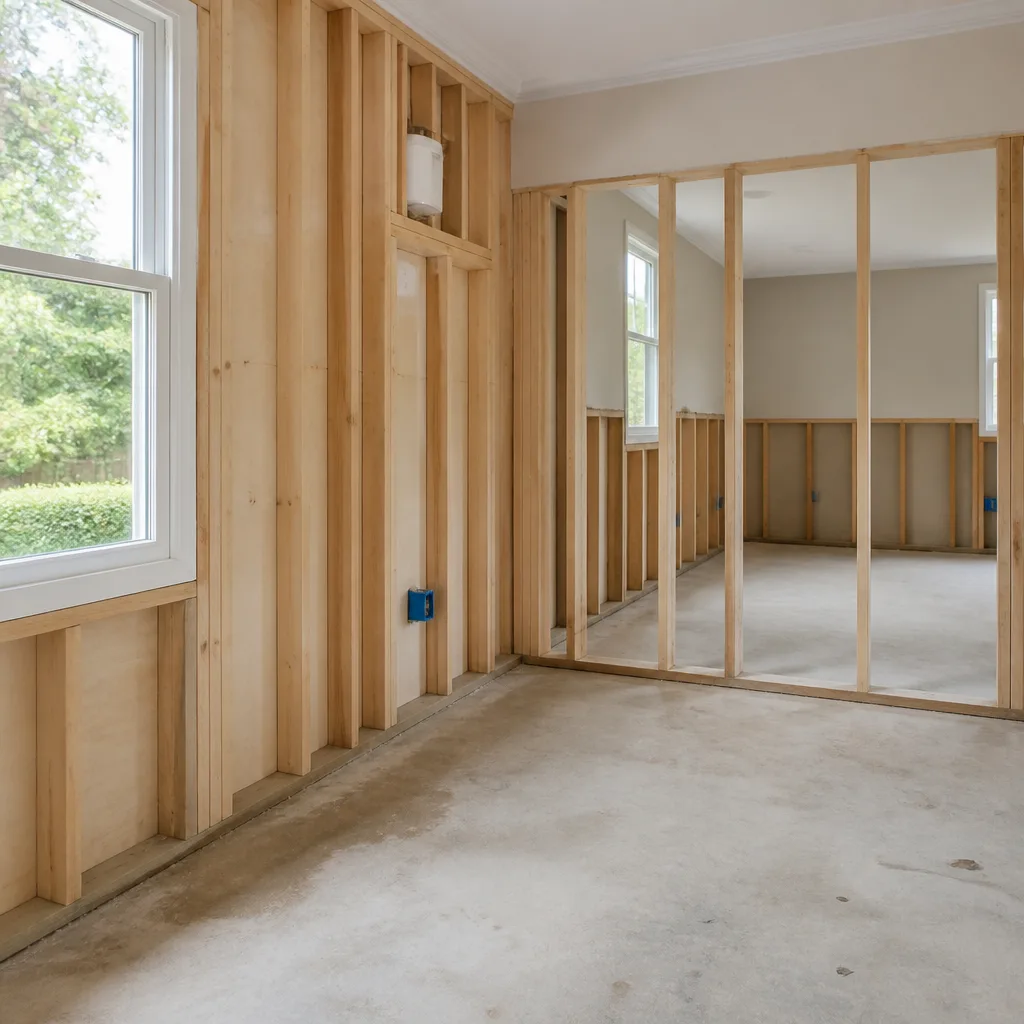 Mold remediation
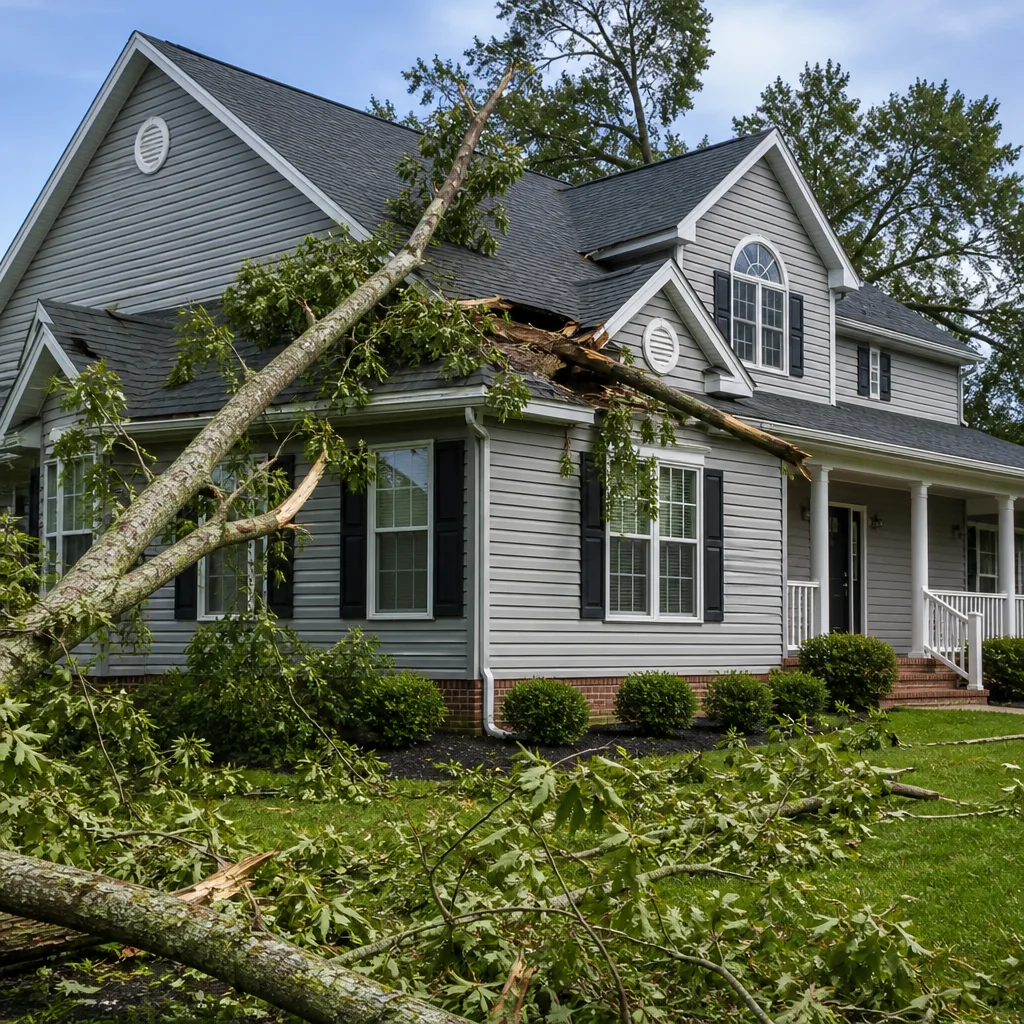 Storm response
 Sewage cleanup
 Reconstruction
Free visual inspection and a written scope of work before any mitigation begins - photos, moisture readings, and drying logs go in your claim file
The scope we write is the scope we bill. Anything new gets shown to you, in writing, before we touch it.
Get your free estimateChoosing the Right Damage Restoration Brand: A Buyer’s Guide for Rancho Cucamonga
Here’s something most Rancho Cucamonga homeowners don’t realize until it’s too late: the biggest names in restoration are often just marketing umbrellas. The most-advertised restoration franchises in Southern California operate on a territory model. Your job may be handled by a locally owned licensee who bought the brand name but makes independent decisions about equipment investment and technician training. The brand doesn’t dry your home. The crew that shows up does. This guide walks you through what actually separates a serious restoration operation from a name and a logo, with specifics relevant to the Inland Empire, and points you to more guides & resources for homeowners.
Restoration work we handle
Quick Answer
The right damage restoration brand in Rancho Cucamonga is one that owns commercial-grade drying equipment, employs technicians with current IICRC certifications, and produces written documentation at every stage of the job. Franchise name recognition matters far less than what equipment shows up in the driveway and which certifications the crew actually holds. Ask about the gear and the credentials before you ask about the price.
Table of Contents
- Why ‘Brand’ Means Something Different in Restoration
- How to Evaluate Restoration Companies on Equipment Inventory
- The Technician Certification Question: What to Actually Ask
- Response Time and Local Presence in Rancho Cucamonga
- Documentation Standards: What a Serious Company Produces
- The Single Phone Call Assessment
- Insurance Coordination and Photo Documentation
- Common Mistakes to Avoid
- When to Call a Professional
- Frequently Asked Questions
- The Bottom Line
Why ‘Brand’ Means Something Different in Restoration
In most service categories, a recognizable brand signals consistency. You know what you’re getting with a national chain, whether it’s a burger or a hotel room. Restoration doesn’t work that way. The franchise model in this industry is built on territory licensing. A local owner pays for the name, the call center, and the marketing infrastructure. What they don’t automatically get is a mandate for equipment standards, technician training requirements, or quality control protocols.
That means two houses in Rancho Cucamonga, both “serviced by” the same national brand, can receive wildly different levels of care. One crew might arrive with consumer-grade fans and a dehumidifier from a big-box store. Another might deploy Phoenix and Dri-Eaz commercial drying systems with moisture mapping before and after. Both invoices carry the same logo.
We’ve walked into homes where a previous restoration attempt left drywall that looked fine but registered 40% moisture content behind the surface. The homeowner had a national brand name on the invoice and wet framing in the walls. The problem wasn’t the brand. It was the equipment and the protocol, or the lack of either.
What you’re actually hiring is not the brand. You’re hiring the local operator’s judgment: what equipment they invested in, how they train their technicians, and whether they follow IICRC-certified drying protocols or just move air around and hope for the best. Our Flood Guard Water Damage home page explains our approach in detail, but the principle applies to any company you’re evaluating.
How to Evaluate Restoration Companies on Equipment Inventory
The fastest way to separate a serious restoration operation from a generalist with a truck is to ask about equipment. Specifically, whether the company owns commercial-grade drying equipment or rents it per job.
Companies that own their equipment have made a capital commitment to restoration as their primary business. Companies that rent equipment job-to-job are often general contractors or handyman services dabbling in water damage. The difference shows up in outcomes. Owned equipment means it’s maintained, calibrated, and available immediately. Rented equipment means waiting on a rental counter, hoping the previous customer didn’t abuse the dehumidifier, and settling for whatever’s in stock.
Here’s what to listen for when you ask about equipment:
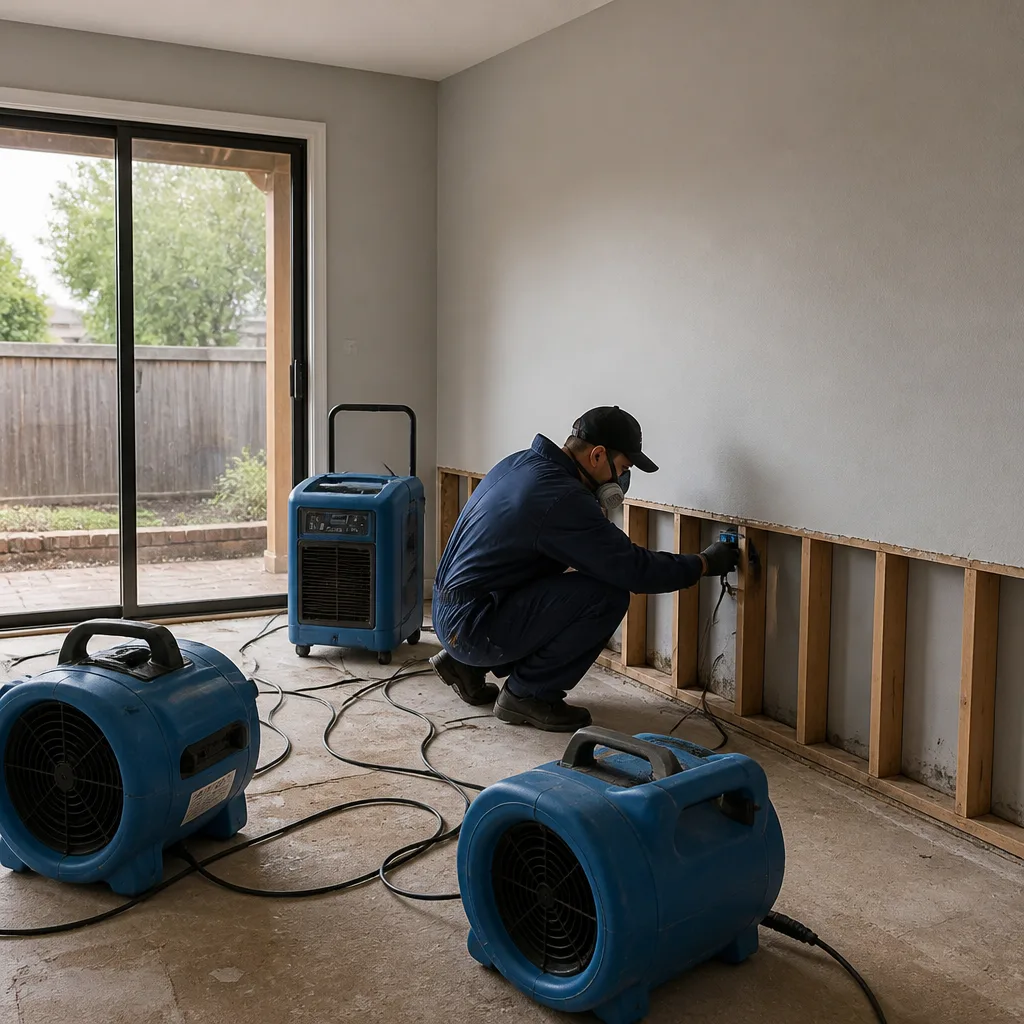
- Commercial-grade dehumidifiers: Look for brands like Dri-Eaz and Phoenix. These are low-grain refrigerant dehumidifiers designed for structural drying. They pull significantly more water per day than anything you can buy at Home Depot. A restoration company should be able to tell you the pint-per-day rating of their dehumidifiers without hesitating.
- High-velocity air movers: XPOWER and B-Air are the brands serious restoration companies use. These aren’t box fans. They’re engineered to create focused airflow patterns that drive moisture out of materials. The number of air movers per affected room is a drying calculation, not a guess.
- Specialty drying systems: Injectidry systems are the clearest signal of a company that invests in capability. Injectidry technology pushes dry air into wall cavities, under flooring, and behind cabinets without cutting everything open. It means the company can dry structures in place, which reduces demolition and repair costs. If a company has never heard of Injectidry, they’re not doing structural drying at a professional level.
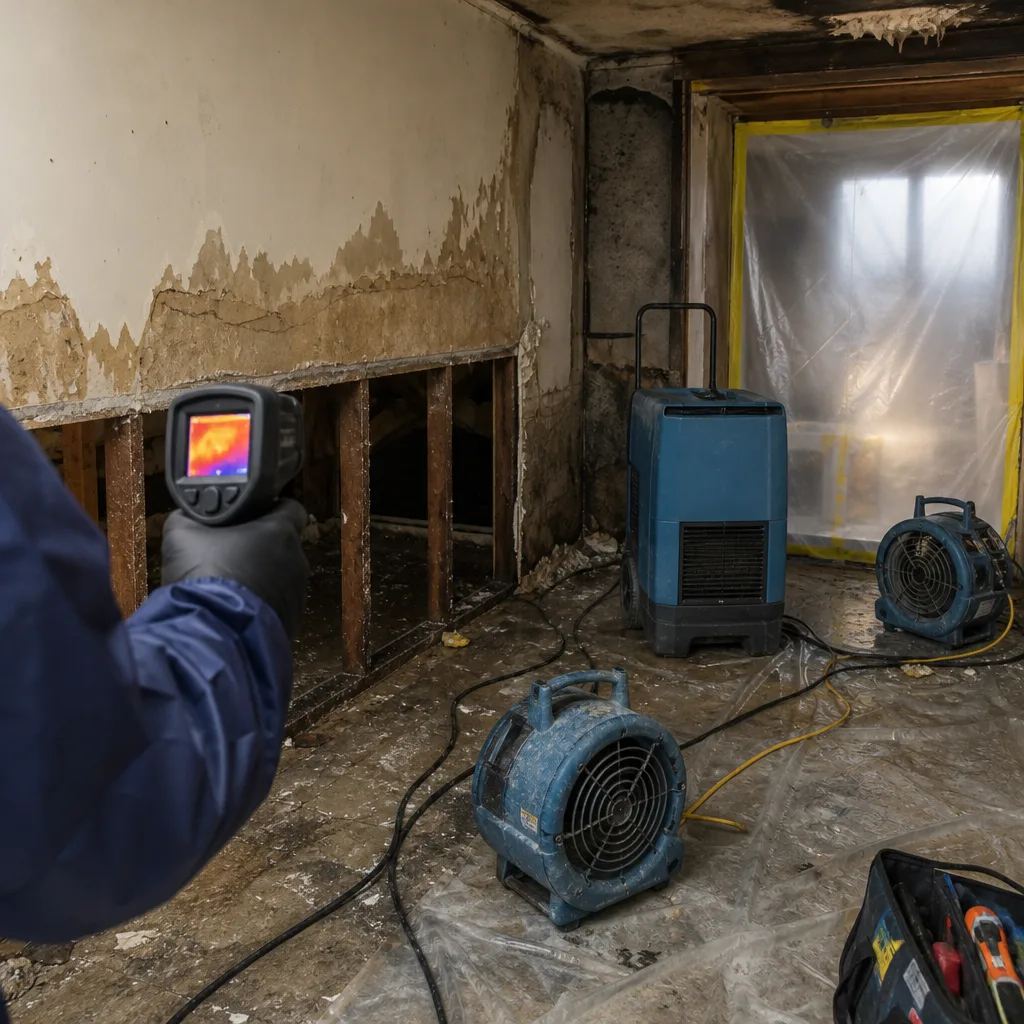
- Moisture measurement tools: A serious company carries penetrating and non-penetrating moisture meters, thermo-hygrometers, and infrared cameras. They measure before, during, and after drying. They can show you numbers. Companies that skip measurement are guessing, and guessing means either incomplete drying or unnecessary demolition.
One question worth asking directly: “What equipment will be in my house, and can you show me the drying plan before you start?” A company that owns its equipment and follows protocol will have an answer. A generalist will fumble.
The Technician Certification Question: What to Actually Ask
“Are you IICRC certified?” is a weak question. Many companies will answer yes because they have one certified technician on staff, or because they paid for a company membership, or because they completed a single class years ago. The company isn’t certified. Certifications belong to individuals, and they expire if not renewed through continuing education.
Here’s what to ask instead:
- “Which of your technicians hold current IICRC Water Damage Restoration Technician (WRT) certification?” WRT is the foundational credential for water damage work. It covers extraction, drying science, and contamination categories. It requires passing an exam and earning continuing education credits to maintain.
- “Do you have an Applied Structural Drying (ASD) certified technician on staff?” ASD is the advanced credential that covers psychrometry, drying chamber design, and complex structural drying scenarios. It’s the difference between someone who knows how to set up fans and someone who understands the science of evaporation and humidity control.
- “Will a certified technician be on-site during my job, or just the name on the paperwork?” This is the question that separates window dressing from operational commitment. A company where the owner holds the certification but sends uncertified crews is not delivering certified work.
The Institute of Inspection, Cleaning and Restoration Certification (IICRC) is the restoration industry’s recognized standard-setting body. Their certifications are the closest thing this industry has to the licensing structure that governs electricians and plumbers. When our team handles Water Damage Restoration in Rancho Cucamonga, every job follows IICRC-certified drying protocols, not estimates, measurements. That’s the standard you should expect from any company you’re considering.
Membership in professional bodies adds another layer of accountability. The Restoration Industry Association (RIA) holds members to ethical and technical standards, and active membership signals ongoing engagement with industry developments rather than a set-it-and-forget-it license. Ask about memberships. A company that invests in professional association dues is likely investing in other areas too.
Response Time and Local Presence in Rancho Cucamonga
Water damage doesn’t wait for business hours. A supply line burst at 2AM on a Tuesday in Rancho Cucamonga is actively degrading your drywall, your flooring, and your subfloor with every passing hour. Mold colonization can begin within 24 to 48 hours in the Inland Empire’s warm climate. Response time isn’t a convenience factor. It’s a damage multiplier.
Here’s the question most homeowners don’t ask: when you call a national restoration franchise at 2AM, where does that call actually go?
It goes to a regional dispatch center, often in another state. The dispatcher routes the call to whichever territory licensee covers your zip code. That licensee may live 45 minutes away in Fontana or Ontario. They may not have crews on call at all. The franchise name answered the phone, but the actual response depends entirely on the local operator’s staffing decisions.
A locally based Rancho Cucamonga restoration company has a fundamentally different incentive structure. Reputation in a specific community is the entire business. If we fail to respond to a 2AM emergency in Etiwanda or Alta Loma, word spreads. The local operator’s next job depends on the outcome of this job, not on a national advertising budget that will keep generating leads regardless of performance.
Ask any restoration company you’re considering: “Where are your trucks physically located, and what’s your actual on-site response time from that location?” A company based in Rancho Cucamonga can answer that question specifically. A regional dispatcher will give you a scripted estimate.
Documentation Standards: What a Serious Company Produces
Here’s a scenario we see regularly in Rancho Cucamonga: a homeowner files an insurance claim for water damage. The adjuster asks for documentation of the drying process. The homeowner realizes the restoration company provided nothing but a final invoice. No moisture readings, no drying logs, no photographs of the affected areas before and after. The claim stalls. The homeowner is stuck.
Documentation is the clearest signal of a serious restoration operation. It’s also the difference between an insurance claim that processes smoothly and one that gets delayed, reduced, or denied.
A professional restoration company produces:
- Initial moisture assessment: Written readings from moisture meters across all affected materials, recorded before any drying begins. This establishes the scope of the damage and the starting point for the drying plan.
- Photographic documentation: Photos of every affected area before work starts, during the process, and after completion. Insurance companies rely on photographic evidence. So should you.
- Drying logs: Daily or twice-daily readings from meters and hygrometers showing moisture content trending downward over time. Drying logs prove the drying was effective and complete, not just that equipment was running.
- Moisture maps: Diagrams showing where moisture was detected, how far it migrated, and where drying equipment was placed. Moisture maps demonstrate that the company understood the full extent of the damage, not just the visible portion.
- Final clearance documentation: Confirmation that moisture levels returned to acceptable ranges, including the specific readings. This is what protects you from future mold growth and what gives the insurance company confidence to close the claim.
Companies that produce this documentation are protecting you legally and financially. Companies that don’t are creating a gap between what happened and what can be proven. That gap is where insurance disputes live. Our Mold Remediation in Rancho Cucamonga process includes this documentation as standard practice, because we’ve seen what happens when it’s missing.
The Single Phone Call Assessment
You can assess a restoration company’s seriousness in about three minutes on the phone. Here’s how.
When you call, describe your situation and pay attention to what the company asks before they quote a price. The order of their questions reveals their priorities.
A serious restoration company asks:
- “What’s the water source?” Clean water from a supply line, gray water from a washing machine, or black water from a sewage backup? The category of water determines the entire response: what PPE is needed, what materials must be removed, what level of containment is required. A company that doesn’t ask this question doesn’t understand contamination risk.
- “What materials are affected?” Carpet and pad? Hardwood? Drywall? Cabinets? Tile? Different materials dry at different rates and respond to different techniques. The answer affects equipment selection and drying time.
- “How long has the water been present?” Hours matter. A floor wet for 48 hours has different risks than one wet for 4 hours. This question tells you the company understands the relationship between time and secondary damage.
- “Have you contacted your insurance company?” This isn’t a sales question. It’s a triage question. Insurance involvement affects scope, documentation requirements, and the homeowner’s decisions about remediation versus replacement.
A generalist asks:
- “What’s your budget?”
- “How soon do you need this done?”
- “Can you send me pictures?”
Those aren’t bad questions inherently. But when they come first, before water source and affected materials, they signal a company thinking about the sale, not the damage. The right company asks about water source, affected materials, and timeline before quoting. A generalist quotes a number first.
Insurance Coordination and Photo Documentation
Almost every water, mold, or fire damage scenario in Rancho Cucamonga involves an insurance company at some point. Even if you’re not sure whether you’ll file a claim, the restoration process generates documentation that will either help or hurt you if you do.
Here’s what a serious restoration company does differently on the insurance front:
- Direct adjuster communication: Restoration companies deal with adjusters constantly. We know how to present damage documentation in the format adjusters expect, with the specificity they require. We can coordinate directly with your adjuster so you’re not playing translator between two parties.
- Photo documentation at every stage: This matters more than most homeowners realize. The adjuster wasn’t there when your house flooded. They rely on photographs and written documentation to understand the scope. If your restoration company took no photos, the adjuster is working from a verbal description. That’s a weak foundation for a claim.
- Written scope before work starts: A serious company provides a written scope of work describing what will be done, why it’s necessary, and what it will cost. You review it. You agree to it. Work begins. This protects you from the known problem in this trade: the restoration company that starts work and expands scope once they’re already inside your house.
- Understanding of insurance categories: Insurance policies treat water damage differently depending on source, timing, and policy language. A restoration company with insurance experience can help you understand what’s likely covered and what isn’t, before you commit to work.
For fire damage specifically, the documentation requirements are even more extensive. Our Fire Damage Restoration in Rancho Cucamonga process includes detailed inventory documentation, because partial losses require itemized records that most homeowners aren’t prepared to produce from memory after a fire.
Common Mistakes to Avoid
Rancho Cucamonga homeowners make the same mistakes in restoration hiring, over and over, and many of them are covered in depth in The Complete Guide to Damage Restoration in Rancho Cucamonga. Here are the ones that cost the most:
- Hiring based on franchise recognition alone. The brand name on the truck doesn’t tell you anything about the equipment inside it or the training of the person driving it. Evaluate the local operator, not the logo.
- Accepting a quote without a moisture inspection. A company that quotes over the phone without inspecting the actual damage is guessing. Guesses turn into change orders. In the Inland Empire’s dry-warm climate, water migrates into wall cavities and under flooring, which means visibility is the worst possible metric for scope.
- Choosing the lowest bid without comparing scope. Restoration quotes vary widely because scope varies widely. A low bid often means less equipment, shorter drying time, and skipped documentation. A high bid might mean unnecessary demolition. Compare the actual scope, not just the number.
- Skimming the company’s certification claims. “IICRC certified” can mean one employee, one class, or one year. Ask who specifically holds what credential and whether they’ll be on-site.
- Rushing the initial assessment. When water is actively spreading, speed matters. But taking ten minutes to verify equipment and credentials before the crew arrives won’t change your outcome. Hiring the wrong company in a panic definitely will.
- Ignoring secondary damage risk. Water damage becomes mold damage if the structure isn’t dried correctly. In Rancho Cucamonga’s warm climate, that timeline is compressed. A company that handles water but not mold may be creating a problem they can’t clean up.
- Skipping the documentation review. Before you pay the final invoice, ask for the drying logs, the moisture readings, and the photos. If the company can’t produce them, the job isn’t verifiably complete.
When to Call a Professional
Some damage scenarios are manageable with house fans and towels. A small spill from an overturned cup. A leaking bathroom faucet that was caught immediately. But the threshold for professional restoration is lower than most homeowners think.
Call a professional when water has penetrated materials you can’t see: behind baseboards, under flooring, inside wall cavities. Call when the water source is gray or black water, which carries contamination risk. Call when more than a few square feet of flooring is affected. Call when you can smell mustiness or see visible mold growth, which means the moisture problem has been running for days or weeks. Call after any fire, even a small one, because smoke residue is corrosive and carcinogenic.
For any of these scenarios in the Inland Empire, Flood Guard Water Damage offers free estimates in Rancho Cucamonga. Call (844) 716-1094 and we’ll assess the situation, provide a written scope, and tell you honestly whether professional restoration is necessary or whether you’re better off handling it yourself.
Frequently Asked Questions
Water damage restoration in Rancho Cucamonga typically ranges from $1,200 to $8,000 depending on the water category, affected square footage, and materials involved, with structural drying of a single room averaging $2,500 to $4,000. For a detailed breakdown, see our Damage Restoration Cost Breakdown: The Rancho Cucamonga Homeowner’s Reference for 2026. The final number depends on whether the water is clean or contaminated, how far it migrated, and whether materials can be dried in place or require removal and replacement. Call (844) 716-1094 for an exact quote, estimates are free.
Most homeowners insurance policies cover sudden and accidental water damage from sources like burst pipes or appliance failures, but they typically exclude gradual leaks, flooding from external sources, and damage from neglected maintenance. The restoration company’s documentation, including moisture readings and photographs, is often the deciding factor in whether a claim is approved. We coordinate directly with adjusters and provide the documentation they need.
A locally based restoration company with crews in the Rancho Cucamonga area can typically reach your home within 60 to 90 minutes of your call, while a national franchise dispatch center may route through multiple layers before a crew is assigned. Local presence means local trucks, local crews, and local accountability. Call (844) 716-1094 to speak directly with a team based here in Rancho Cucamonga.
Visible mold is almost always the tip of the problem, and bleach-based DIY cleaning fails to address the moisture source feeding the mold colony inside walls, ceilings, and flooring. Professional mold remediation addresses the moisture source, contains the affected area to prevent cross-contamination, and removes mold to IICRC-certified standards. Surface cleaning alone leaves the root cause intact, and the mold returns within weeks in Rancho Cucamonga’s warm climate.
A restoration company specializes in drying science and mold remediation with commercial-grade equipment and IICRC-certified protocols, while a general contractor focuses on demolition and rebuilding but often lacks the moisture measurement tools and drying expertise to prevent secondary damage. The right restoration company dries the structure before rebuilding begins, preserving materials when possible and documenting everything for insurance purposes.
Ask three questions: which technicians hold current IICRC WRT or ASD certifications, what commercial-grade equipment brands they own and deploy, and what documentation they provide at each stage of the job. A company that answers specifically, without hesitation, is serious about restoration. A company that deflects, generalizes, or quotes a price before asking about the water source is not.
Choosing a company that handles all three damage types under one roof eliminates the coordination gaps where secondary damage happens, like mold developing after a water event that wasn’t properly dried. One team from extraction to clearance, with no handoffs between subcontractors, means one point of accountability for the entire job. Our triple-service coverage at Flood Guard Water Damage home ensures no gap in the chain.
The Bottom Line
Choosing a restoration company in Rancho Cucamonga comes down to three evaluations: equipment, credentials, and documentation. The best franchise logo in the industry means nothing if the local operator shows up with consumer-grade fans and a moisture meter from the rental counter. IICRC-certified protocols are not estimates, they’re measurements, and they should be applied by technicians with current certifications, not borrowed credentials from an office in another city. Documentation is your insurance policy against disputes, delays, and future problems. Ask the right questions. Demand specific answers. The company that answers them well is the one you want standing in your flooded living room at 2AM.
Written by the team at Flood Guard Water Damage, serving Rancho Cucamonga since 2018.
See the difference
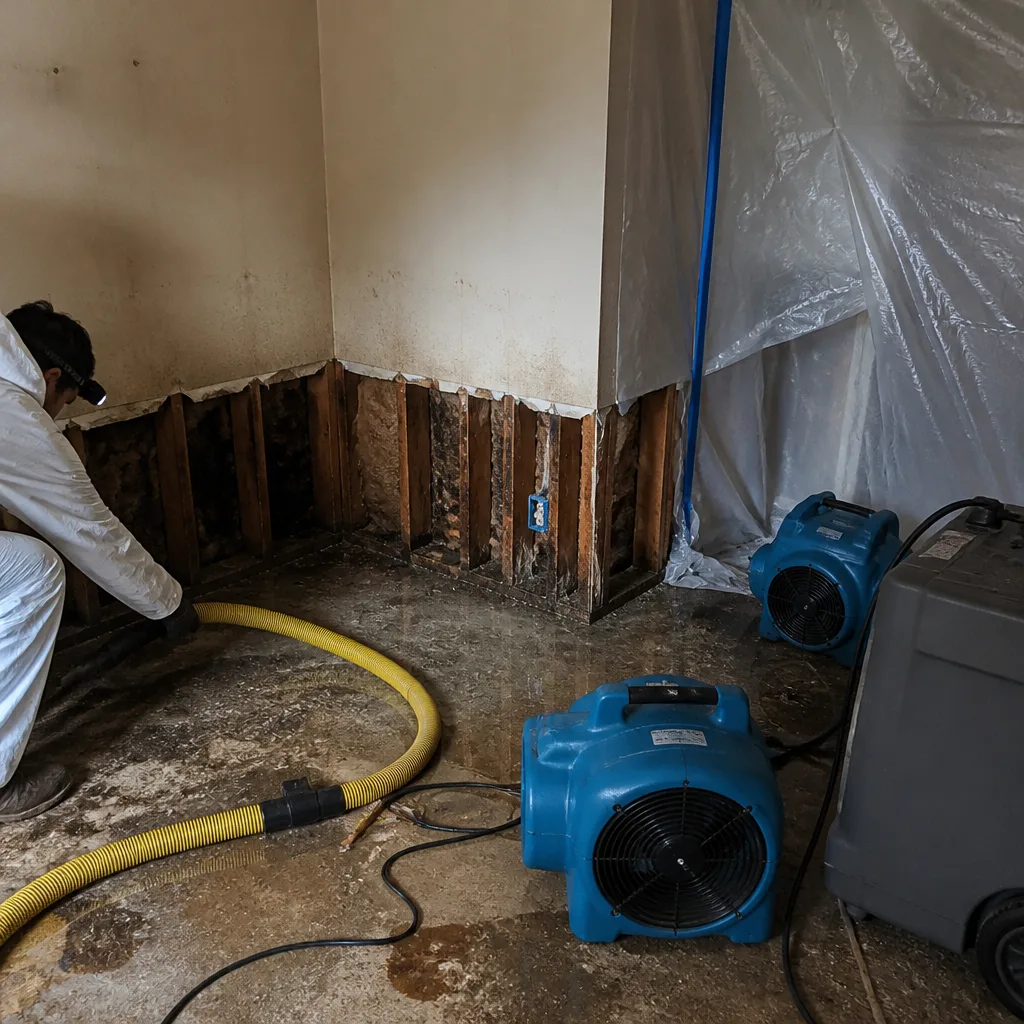 Before
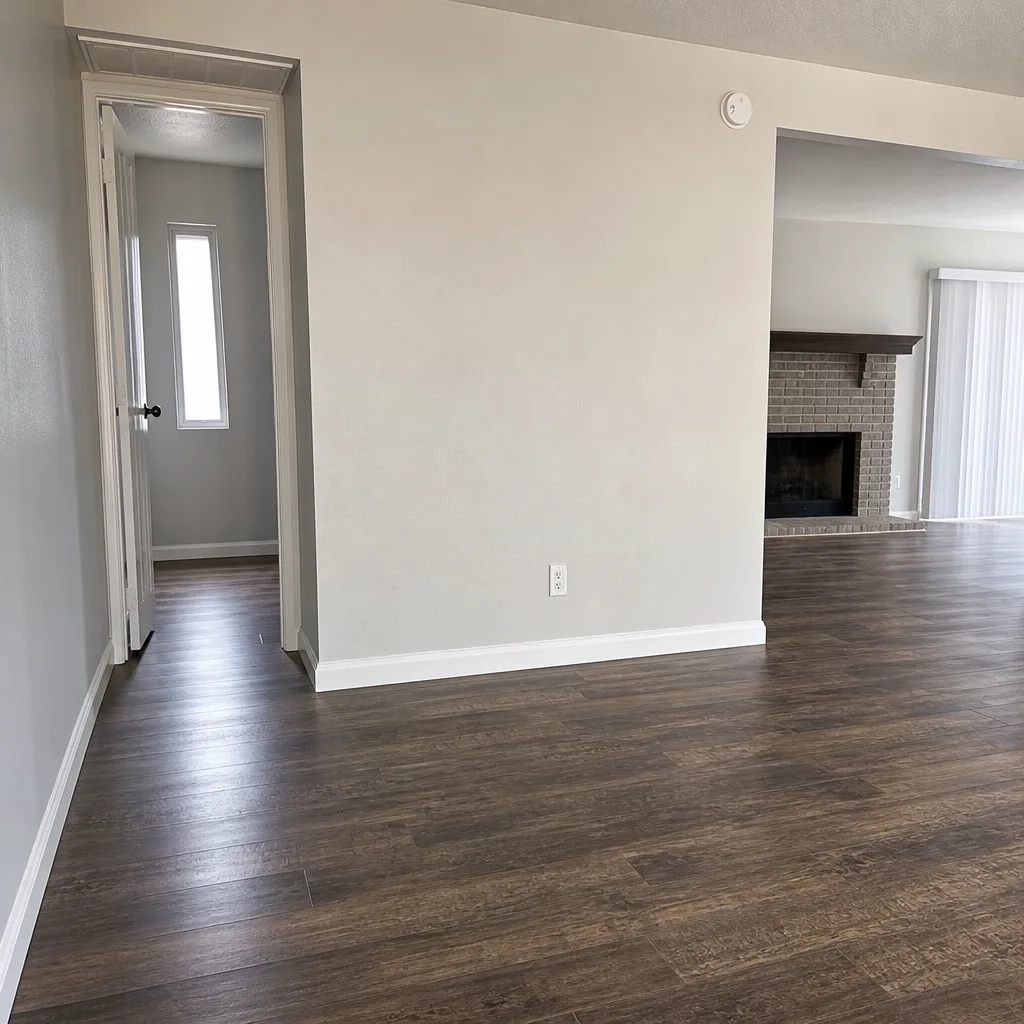 After
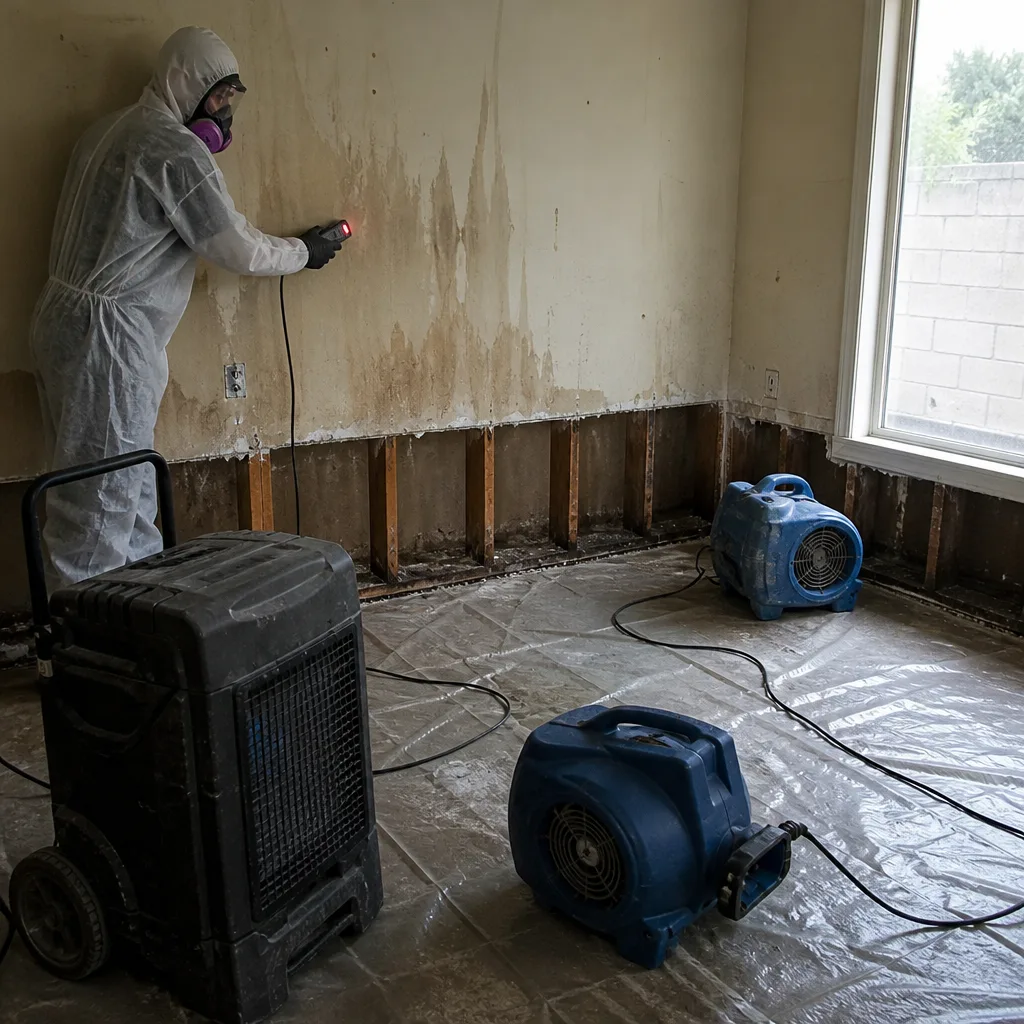 Before
 After
 Before
 After