
Last updated October 30, 2026
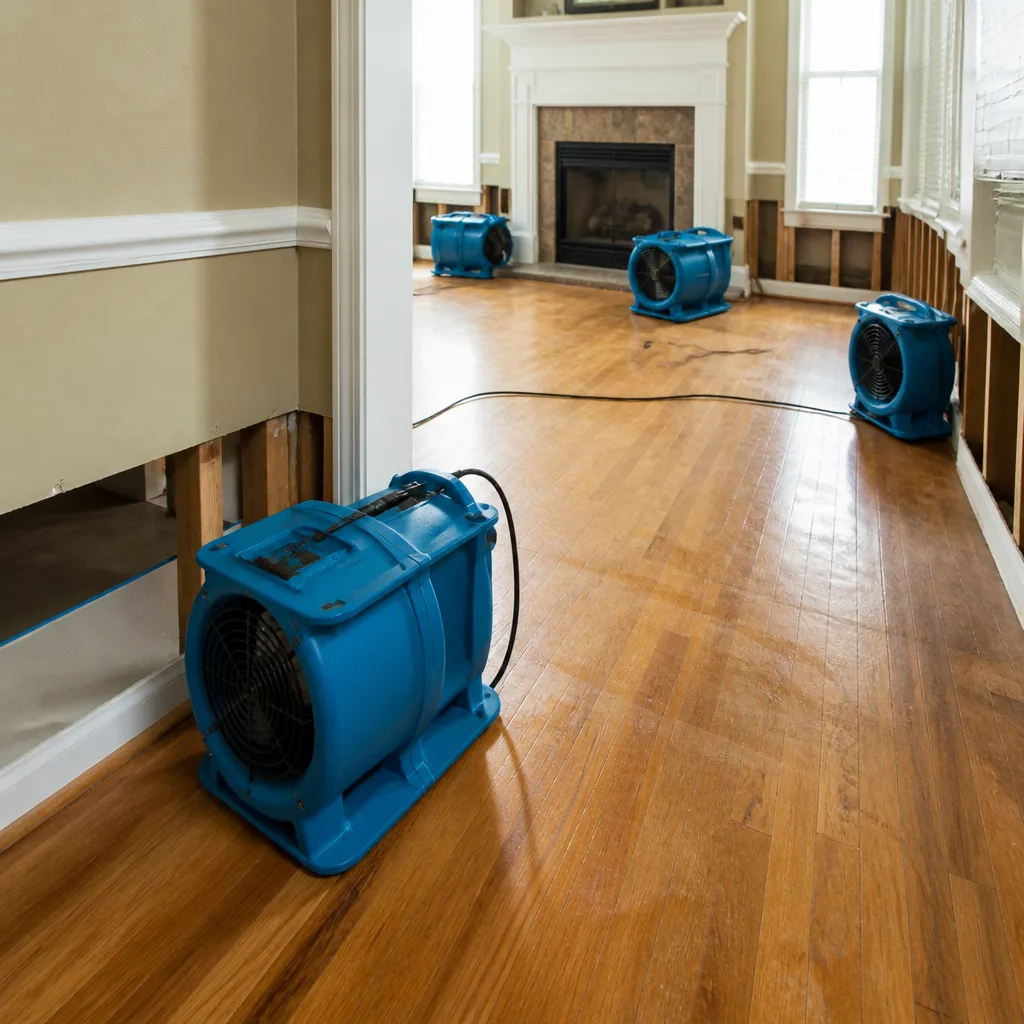 Water damage drying
 Fire & smoke cleanup
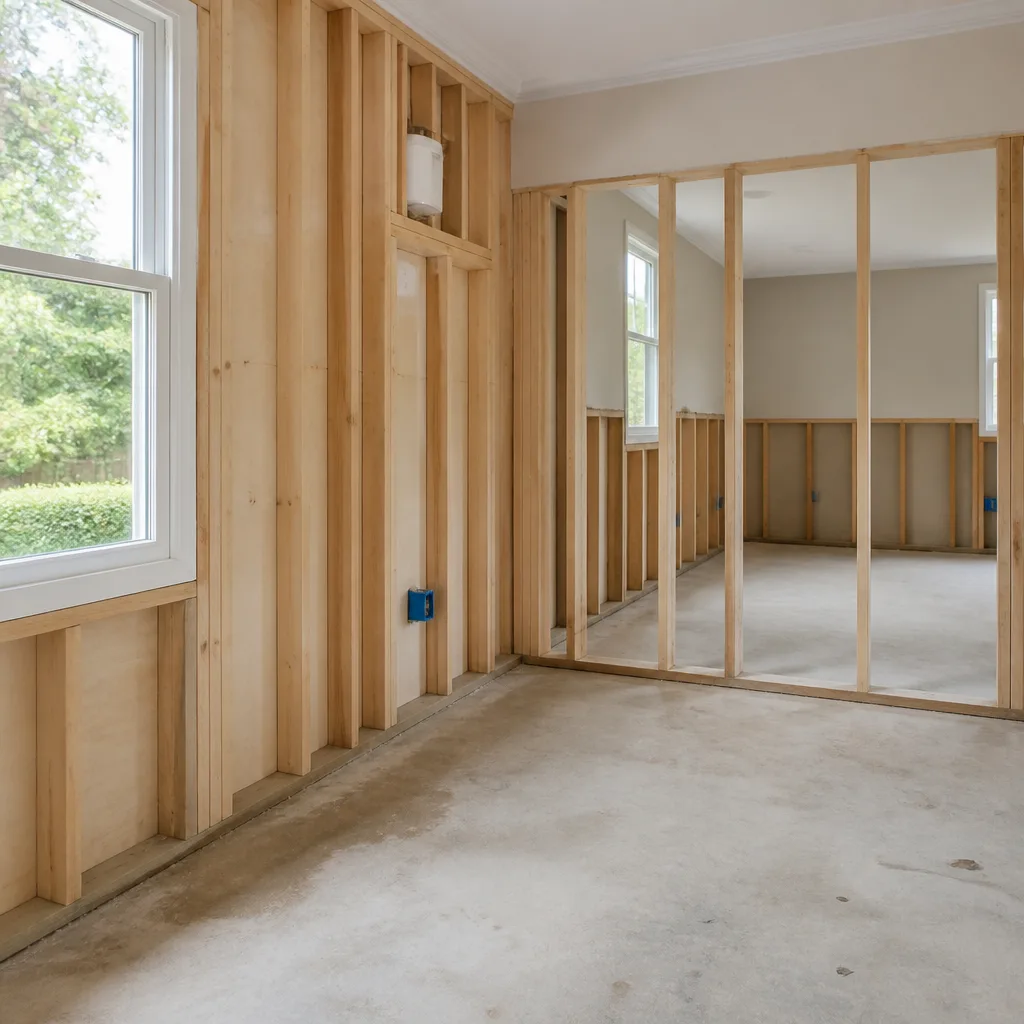 Mold remediation
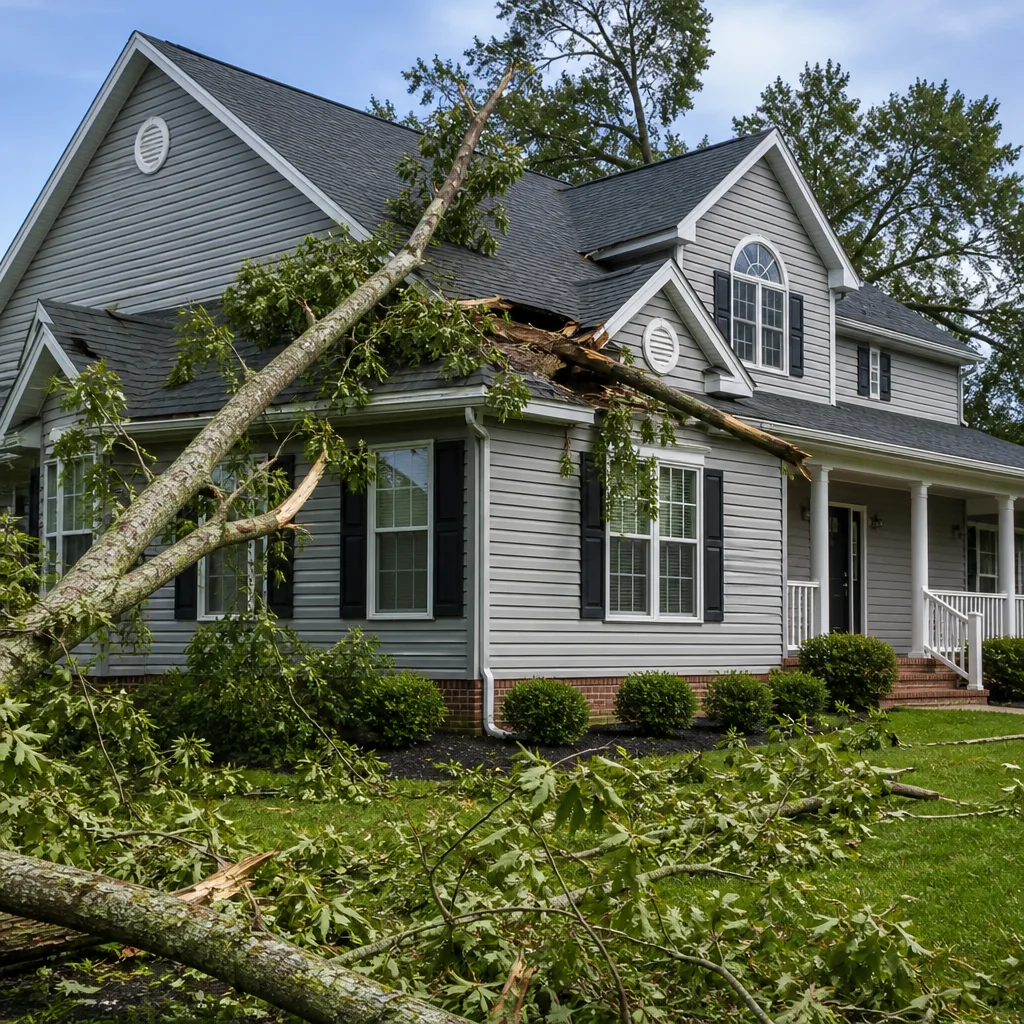 Storm response
 Sewage cleanup
 Reconstruction
Free visual inspection and a written scope of work before any mitigation begins - photos, moisture readings, and drying logs go in your claim file
The scope we write is the scope we bill. Anything new gets shown to you, in writing, before we touch it.
Get your free estimateSeasonal Damage Restoration Care for Rancho Cucamonga: Year-Round Homeowner’s Guide
The months most Rancho Cucamonga homeowners ignore for water damage risk are August and September, when monsoon moisture from the east collides with roofing materials already stressed by a full summer of triple-digit heat. That combination produces interior leaks that catch families completely off guard, often because the last rain they remember was four months earlier. This guide walks through each season as its own distinct risk profile: what actually happens to your home, when it happens, and what a measured inspection looks like before a small problem becomes a restoration project. For more guides & resources, see our blog. If you own a home in Rancho Cucamonga, you’ll finish this guide knowing exactly which months deserve your attention and why.
Restoration work we handle
Quick Answer
Seasonal damage prevention in Rancho Cucamonga means treating each season as a specific risk window: winter atmospheric rivers test drainage and foundation hydrostatic pressure, spring demands post-rain inspection of stucco and seals, summer heat stresses supply lines and HVAC condensate drains, and fall Santa Ana winds drive rain horizontally through gaps that standard weatherstripping never addresses. The single most overlooked window is August through September, when monsoon moisture hits summer-fatigued roofs. A property-specific inspection calendar built around your home’s construction type and age is the most effective prevention tool available.
Table of Contents
- Winter (December – February): Atmospheric Rivers and Foundation Pressure
- Spring (March – May): The Post-Rain Inspection Protocol
- Summer (June – August): Thermal Stress, Condensate Lines, and Slab Leaks
- Fall (September – November): Santa Ana Winds and Monsoon Tail Risk
- Building Your Property-Specific Seasonal Inspection Calendar
- Common Mistakes to Avoid
- When to Call a Professional
- Frequently Asked Questions
- The Bottom Line
Winter (December – February): Atmospheric Rivers and Foundation Pressure
Rancho Cucamonga does not get a traditional rainy season. What it gets are atmospheric river events: narrow bands of concentrated moisture that can drop two to four inches of rain in 24 to 48 hours, usually between December and February. When one of these systems stalls over the Inland Empire, the ground cannot absorb the volume, and the clay-heavy soil that characterizes much of Rancho Cucamonga behaves in a specific and problematic way. Clay expands dramatically when saturated. That expansion creates hydrostatic pressure against foundation walls and slab edges, and the pressure has to go somewhere.
In our experience serving Rancho Cucamonga, the winter call volume breaks down predictably. The first wave is roof and gutter failures during the storm itself. The second wave, usually 48 to 72 hours later, is foundation seepage and slab moisture intrusion as saturated clay soil presses against the structure. Homeowners often mistake the second wave for a new problem when it is actually the same storm completing its work.
What winter preparation actually requires:
- Drainage capacity verification before the first atmospheric river: Gutters and downspouts in Rancho Cucamonga are sized for typical Southern California rainfall, not for atmospheric river volume. A five-inch gutter flowing at capacity can still be overwhelmed if downspout extensions do not carry water at least four to six feet from the foundation edge. Check for crushed or buried extensions, especially where landscaping has shifted over the summer.
- Roof drainage path inspection: Flat and low-slope roof sections common on Rancho Cucamonga mid-century ranch homes pond water during intense rainfall, and ponding on a roof that has already lost granule coverage from summer UV exposure accelerates membrane breakdown. Walk the roof or use binoculars to identify areas where debris has accumulated at scupper openings or internal drains.
- Foundation perimeter walk: Look for areas where soil has settled away from the foundation, creating a channel that directs water toward the slab instead of away from it. After a dry summer, Rancho Cucamonga soil pulls back from concrete edges, and that gap becomes a water highway during the first heavy rain.
- Window and door seal integrity: Winter storms in Rancho Cucamonga rarely arrive with sustained wind, but the rain itself is often intense enough to expose failed seals that summer heat dried and cracked. Run a visual check on exterior caulk lines at windows, door thresholds, and where stucco meets trim.
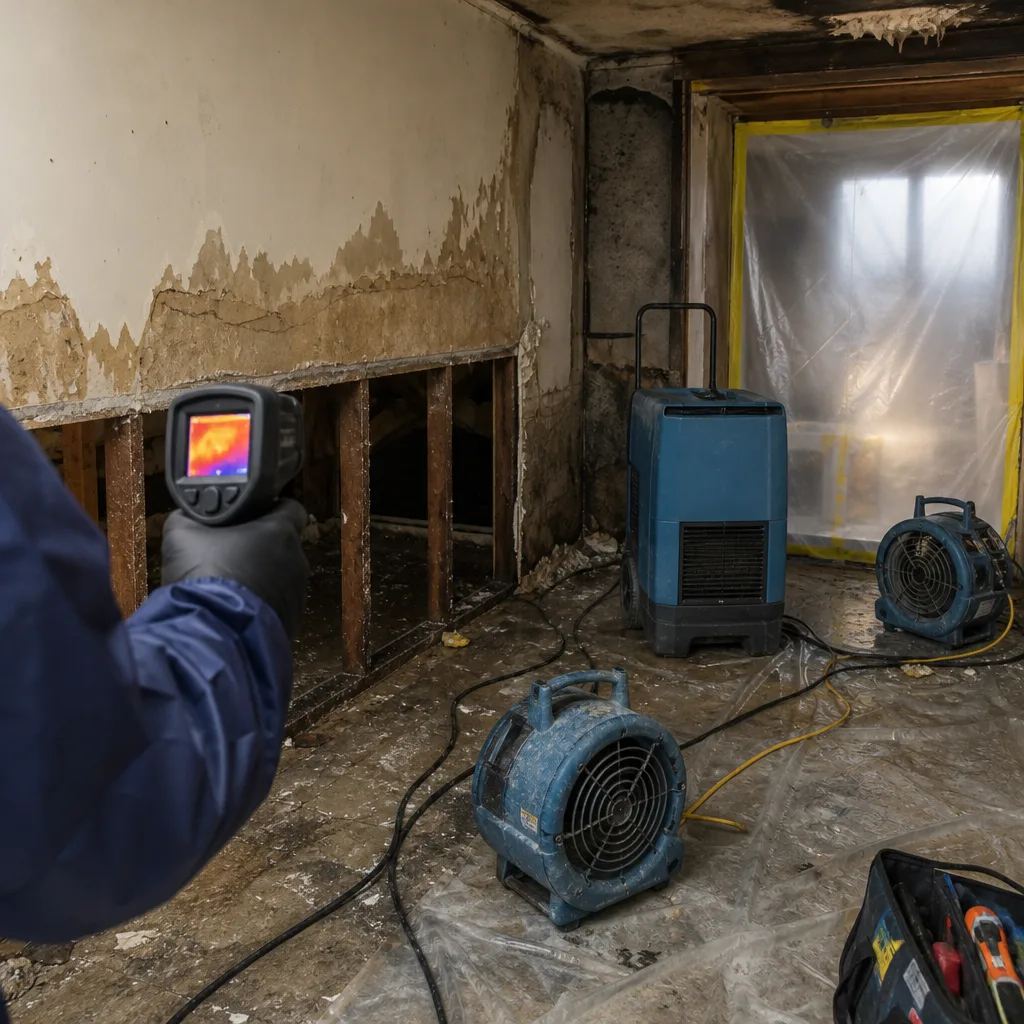
The IICRC-certified approach to winter water intrusion is measurement before demolition. When water enters a wall cavity in Rancho Cucamonga during an atmospheric river, the visible stain is only part of the story. Moisture meters tell us how far water has wicked up drywall and whether the sill plate is saturated. That measurement determines whether drying can proceed in place or whether material removal is necessary. Guessing at this stage is how mold gets a head start while the wall looks dry on the surface.
Spring (March – May): The Post-Rain Inspection Protocol
March through May in Rancho Cucamonga is the audit season. The rain has stopped, temperatures are moderate, and the evidence of winter damage is still visible if you know where to look. This is the window where a systematic post-rain inspection—like the one in our Water Damage Restoration Maintenance Checklist for Rancho Cucamonga Homeowners—catches problems that would otherwise bake into the structure through summer and surface as expensive repairs in fall.
The spring inspection protocol we recommend for Rancho Cucamonga homes follows a specific order, and it starts from the top down:
- Attic insulation moisture content: Enter the attic on a dry day and examine the insulation depth and condition. Wet fiberglass batts compress and lose R-value, and the moisture signature remains detectable long after the visible water is gone. Pay specific attention to the insulation at the eaves, where roof leaks from winter storms most commonly saturate material before traveling down wall cavities. Dark staining on rafters or sheathing is a moisture history marker, not just a cosmetic issue.
- Stucco inspection at wall-to-roof intersections: Rancho Cucamonga has a significant housing stock with stucco exteriors, and stucco performs differently than siding. Hairline cracks from winter water expansion need to be sealed before summer heat widens them further. Look for efflorescence, the white mineral deposits that indicate water has moved through the stucco matrix and evaporated on the surface. That is not a surface stain. It is evidence of interior capillary action.
- Window seal and flashing verification: Run a careful visual check of every window perimeter, including the top flashing where winter rain would have hit at its most intense angle. Failed sealant at window heads is one of the most common entry points for water in Rancho Cucamonga homes built before 2000, and the damage often presents as paint bubbling or soft drywall below the window interior.
- Downspout and drainage re-testing: Run a hose at each downspout and confirm water flows away from the foundation at the intended grade. Winter storms can shift soil, and a downspout that worked in October may be dumping water against the slab by April.
- Foundation crack mapping: Document any new or widened cracks on the foundation perimeter or slab. Take photos with a reference object for scale. Track these over time. A crack that widens from spring to spring indicates ongoing soil movement beneath the structure, which is a different problem than static cracking from original settlement.
This protocol matters because summer in Rancho Cucamonga is not a repair season. Contractors are booked, and the heat makes extended drying more difficult when water damage is discovered late. Spring is when the problems winter created are still addressable at lower cost and with less disruption.
For homeowners who do find moisture during spring inspections, the Water Damage Restoration in Rancho Cucamonga process begins with a documented moisture assessment: where the water is, how far it has traveled, and what can be dried in place versus what requires replacement. That documentation matters for insurance purposes and for preventing recurrence.
Summer (June – August): Thermal Stress, Condensate Lines, and Slab Leaks
Summer in Rancho Cucamonga is the season homeowners least associate with water damage, which is exactly why it creates so much of it. The mechanisms are not rain-driven. They are heat-driven, and they operate slowly and invisibly until failure occurs.
The first mechanism is thermal expansion stress on supply lines. Rancho Cucamonga regularly sees summer temperatures above 100°F, and sustained heat does two things to plumbing: it raises the pressure inside rigid supply lines as the water itself warms and expands, and it accelerates the fatigue of older galvanized and rigid copper fittings that have already endured decades of seasonal expansion and contraction cycles. A pinhole leak in a copper supply line that releases a slow drip inside a wall cavity can run for weeks before it presents as a visible stain. By the time a homeowner sees the stain on the ceiling or baseboard, the water has already traveled far beyond the visible area.
The second mechanism is HVAC condensate line clogging. Every air conditioning system produces gallons of condensate water daily during Rancho Cucamonga summers, and that water travels through a narrow line to a drain or outside. When dust, biological growth, or mineral scale clogs that line, the condensate backs up and overflows the drain pan, typically above a ceiling or inside a closet. The resulting damage looks like a roof leak but has nothing to do with rain. We see this pattern every summer, usually in August when the system has been running continuously for eight weeks.
The third mechanism is slab leak risk from ground movement. The clay soil of Rancho Cucamonga does not just expand when wet. It also shrinks when dry, and prolonged summer drought causes measurable soil contraction beneath concrete slabs. That movement transfers stress to the copper or PEX lines embedded in or beneath the slab. When a line fails under a slab, the water has no easy exit, and the first sign is often a hot spot on the floor, the sound of running water when no fixtures are in use, or an unexpectedly high water bill.
Summer prevention in Rancho Cucamonga looks like this:
- Flush and inspect condensate lines in early June, before the sustained heat begins. A clear line in April can clog by August as accumulated dust from the Santa Ana winds and dry conditions finds its way into the system. If the line has a cleanout tee, use it. If not, this is the one HVAC-related maintenance item worth scheduling annually.
- Monitor water bills for unexplained increases. Rancho Cucamonga households using more water than the same month last year without a change in household size or behavior should investigate. A slab leak can run silently for months, and the bill is often the first detection method.
- Check supply-line shutoff valves at fixtures. Valves that have not been exercised in years can seize, and a seized valve during a supply-line failure turns a minor repair into a major extraction. Turn each fixture shutoff valve off and on once per year. If it does not move freely, replace it.
- Listen for the sound of running water in silence. Walk the house at night when fixtures are off. A faint hissing or running-water sound inside walls indicates pressure escaping somewhere. This is a professional-level detection exercise, and if confirmed, it warrants an immediate leak investigation.
When a summer leak does occur, the restoration response in Rancho Cucamonga heat is different than winter. Drying chambers accelerate the process, and commercial-grade air movers and dehumidifiers from brands like Dri-Eaz and Phoenix are engineered for aggressive moisture removal in elevated temperatures. The equipment matters because summer heat accelerates mold’s biological clock. Water that sits in a wall cavity at 90°F becomes a mold incubation site within 48 to 72 hours, faster than the 72-hour window that applies in cooler months. That tighter window means Mold Remediation in Rancho Cucamonga after a summer leak requires faster response and more aggressive drying protocols than a winter event.
Fall (September – November): Santa Ana Winds and Monsoon Tail Risk
Fall in Rancho Cucamonga carries two distinct risks, and most homeowners prepare for neither. The first is the tail end of monsoon season, which can bring sudden, intense rainfall in August and September. The second is the Santa Ana wind season, which typically begins in October and brings a different failure mode entirely: horizontal rain driven through gaps that vertical rain never touches.
The monsoon tail risk is the counterintuitive one. After five months of dry weather, roofing materials in Rancho Cucamonga have undergone a full summer of UV radiation, thermal cycling, and material embrittlement. When monsoon moisture arrives, the rain often falls suddenly and intensely, and the roofing system is at its most vulnerable point of the year. A roof that shed water perfectly in March may fail in September because the underlayment at penetrations has dried and cracked, the sealant at flashings has lost flexibility, and the tile or shingle surface has lost its protective granule layer. We consistently see a spike in interior leak calls during late August and September in Rancho Cucamonga, and the homeowners are almost always surprised because the weather had been dry for so long.
The Santa Ana wind risk is mechanical, not hydrological. Santa Ana winds in Rancho Cucamonga routinely reach 40 to 60 mph gusts, and they often accompany the first meaningful rain of the season. Wind at that velocity drives rain horizontally, which means the water enters through gaps that standard vertical-rain weatherstripping never addresses: the sides of window frames, under eave edges, through attic gable vents, and around chimney flashing joints. The water entry points are not visible from inside, and the damage often begins in the attic or upper wall cavities, far from where the eventual ceiling stain appears.
Fall preparation for Rancho Cucamonga homeowners:
- September roof inspection, specifically at penetrations. Every pipe boot, vent, skylight, and chimney flashing joint is a sealing point that degrades on a schedule independent of the roofing surface. Check the sealant condition at each penetration before monsoon tail moisture arrives. This is the highest-leverage single inspection of the year for interior leak prevention.
- Gable vent screening and sealing: Santa Ana winds push rain into attic spaces through gable vents, and the water often travels along framing members before pooling on ceiling drywall. Ensure vent screens are intact and consider temporary covers if an extreme wind event is forecast with rain.
- Window perimeter caulk verification at the sides, not just the sills: Most homeowners check windowsill caulking and ignore the vertical side joints. Horizontal rain attacks the side joints. Check the full perimeter, and pay attention to windows on the windward-facing sides of the home, typically the north and east sides in Rancho Cucamonga during Santa Ana events.
- Chimney and roof-to-wall intersection checks: These are the two most common Santa Ana leak points on Rancho Cucamonga homes. Both involve intersecting planes and materials with different expansion rates, and both require sealant that is flexible and in good condition. A cracked chimney crown or failed counterflashing will channel wind-driven rain directly into the wall or attic.
If a fall wind-driven rain event does produce interior water, the damage pattern differs from other seasons. Water that enters through the attic or upper wall cavity often saturates insulation before it ever becomes visible on a ceiling, and the actual moisture boundary can extend several feet beyond the visible stain. A surface-only response misses that hidden water. The right response includes cavity moisture measurement with professional instruments, which is standard practice in IICRC-certified restoration work.
Building Your Property-Specific Seasonal Inspection Calendar
The generic advice to “inspect your home twice a year” fails in Rancho Cucamonga because the risk profile shifts every two to three months, not every six. A property-specific calendar matches inspection tasks to the actual seasonal threats and to the specific characteristics of your home: construction type, age, roofline complexity, foundation type, and surrounding drainage conditions. For guidance on selecting qualified help, read our Choosing the Right Damage Restoration Brand: A Buyer’s Guide for Rancho Cucamonga.
Here is the framework we recommend adapting to your property:
- January (mid-winter): Confirm drainage performance and check for active water intrusion after any atmospheric river event. Mark any foundation seepage. Take photos. This is documentation season.
- April (post-rain): Full attic inspection for moisture content in insulation, stucco surface inspection, window seal audit, and foundation crack mapping. This is the audit season, and the findings determine summer repair priorities.
- June (pre-heat): HVAC condensate line flush, supply-line valve exercise, water bill baseline confirmation, and visible plumbing fitting inspection at accessible locations. This is the mechanical stress season.
- August (monsoon tail): Roof penetration sealant check before monsoon moisture arrives. This is the single most important inspection of the year for interior leak prevention in Rancho Cucamonga.
- October (pre-Santa Ana): Gable vent, window side joint, chimney flashing, and roof-to-wall intersection inspection. This is the wind-driven rain season, and the inspection targets the points where horizontal water entry occurs.
Two variables change the calendar. The first is home age. Rancho Cucamonga homes built before 1990 typically have galvanized supply lines that are at or beyond their service life, and the risk of a supply-line failure increases with each additional heat cycle. Homes in this age bracket should add a supply-line inspection by a licensed plumber every 18 to 24 months, with attention to visible corrosion at fittings and pressure testing where accessible. Homes built between 1990 and 2010 often have copper supply lines that hold up better under heat but pressurize significantly during summer expansion, and the failure mode is typically a pinhole leak at a solder joint inside a wall. The warning sign is not visible corrosion but the sound of water movement or unexplained moisture.
The second variable is construction type. Homes with complex rooflines, multiple valleys, skylights, or flat roof sections need more frequent penetration inspections than simple gable roofs. Homes on slab foundations, which include most of the modern housing stock in Rancho Cucamonga, carry slab leak risk that pier-and-beam homes do not, and that risk increases with prolonged drought. Homes with stucco exteriors need sealant maintenance that wood or vinyl-sided homes do not.
The key principle is this: a calendar that is built for your specific home is a calendar you will actually use, and the inspections become five-minute tasks rather than dreaded weekend projects. The alternative is waiting for visible damage to announce itself, which in every season means the problem has already advanced past the point of simple repair.
Common Mistakes to Avoid
- Assuming a dry summer means no water damage risk. The most expensive leak we see in Rancho Cucamonga is the supply-line pinhole that runs silently through July and August inside a wall cavity. Summer is not a low-risk season. It is a different-risk season with slower detection.
- Checking only the window sill caulking. Santa Ana wind drives rain horizontally through the side joints of windows, and the sill sealant never sees that water. A complete perimeter check is the only thing that catches wind-driven leak points before they fail.
- Ignoring the condensate line until it overflows. The condensate line is the most neglected water-carrying component in Rancho Cucamonga homes, and it fails on a predictable schedule: mid to late summer, after weeks of continuous AC operation. A June flush prevents an August ceiling collapse.
- Confusing foundation seepage with a plumbing leak. After an atmospheric river, water appearing at the base of a foundation wall in Rancho Cucamonga is often hydrostatic pressure from saturated clay soil, not a broken pipe. The restoration approach is different, and misdiagnosis wastes time and money.
- Waiting for a visible stain before investigating. By the time water presents as a ceiling stain in a Rancho Cucamonga home, it has already saturated insulation, traveled along framing, and created conditions where mold will establish if given another 24 to 48 hours. The visible stain is the endpoint of the water’s journey, not the beginning.
- Using a standard dehumidifier for structural drying. Consumer-grade equipment cannot achieve the moisture removal rates required to dry a wall cavity or subfloor in the time window that prevents mold. Professional drying uses equipment like the Phoenix and Dri-Eaz systems designed for whole-structure drying, not room-spot treatment.
- Assuming roof leaks are always visible from inside. A roof leak that enters the attic and wets insulation may never show a ceiling stain until the insulation is fully saturated and the drywall fails. By that point, the damage area is significantly larger than the visible stain suggests.
When to Call a Professional
Some conditions demand professional assessment before they can be safely managed. Water that has entered a wall cavity or ceiling space requires moisture mapping to determine the true boundary of the wet area, and that measurement changes the scope of the response. A foundation seepage problem after heavy rain needs to be evaluated for whether the water entered through a structural gap that requires sealing, through hydrostatic pressure that requires drainage correction, or through both. Mold that is suspected but not visible needs testing and inspection that will not spread spores through the rest of the home. Fire damage, even a kitchen fire contained to one room, requires assessment for smoke and soot penetration that travels far beyond the visible burn area. When the situation involves water that has been standing for more than 24 hours, visible mold growth larger than 10 square feet, or any water event that involves contaminated water, professional equipment and documented protocols matter. Fire Damage Restoration in Rancho Cucamonga is its own discipline with specific smoke-sealing and deodorization requirements that homeowners should not attempt with consumer products.
Flood Guard Water Damage offers free estimates in Rancho Cucamonga, and the assessment includes moisture measurement, not just visual inspection. Call (844) 716-1094 for an evaluation that tells you exactly what you are dealing with, whether that turns out to be a minor repair or a full restoration project.
Frequently Asked Questions
The most common cause of water damage in Rancho Cucamonga shifts by season: winter atmospheric rivers produce roof failures and foundation seepage from saturated clay soil, summer heat produces supply-line pinhole leaks and HVAC condensate overflows, and fall Santa Ana winds produce horizontal rain intrusion through window side joints and attic vents. The single most common avoidable cause across all seasons is deferred maintenance on drainage and sealant at roof penetrations. Call (844) 716-1094 for a moisture assessment if you suspect water has entered your home.
Rancho Cucamonga’s clay-heavy soil expands dramatically when saturated during winter atmospheric rivers, creating hydrostatic pressure against foundation walls and slab edges, and that pressure forces water through gaps and cracks that remain sealed during dry conditions. The same clay shrinks during summer drought, pulling away from concrete and creating channels that direct irrigation and occasional rain directly against the foundation. Both failure modes are specific to the local soil composition and require drainage correction, not just interior drying.
The highest-risk season for hidden leaks in Rancho Cucamonga is late summer, specifically August and September, when monsoon moisture hits roofing materials that have spent an entire summer baking in triple-digit heat and lost sealant flexibility at critical penetration points. The leaks that occur during this window are often interior and hidden, traveling through attic insulation before presenting as ceiling stains. Summer supply-line failures from thermal expansion are a parallel hidden risk during the same period.
No, a homeowner dehumidifier cannot achieve the moisture removal rate or airflow required to dry a saturated wall cavity or subfloor within the time window that prevents mold establishment, which is typically 48 to 72 hours depending on temperature and material saturation. Professional structural drying uses commercial-grade equipment from brands like Phoenix and Dri-Eaz, combined with moisture measurement to confirm dryness rather than guessing. The equipment difference is the difference between drying in place and replacing materials.
The first priority is safety: shut off power to affected areas if water has contacted outlets or appliances, and shut off the water supply if the source is an active plumbing leak. Then document everything with photos, including the water source, visible damage, and any personal property affected, because insurance claims require photo documentation. Remove any portable items from the wet area that you can safely move, and call a restoration professional who can begin moisture measurement and extraction before the water migrates further. Call (844) 716-1094 for free estimates in Rancho Cucamonga.
Homeowner’s insurance typically covers sudden and accidental water damage, such as a supply-line burst or storm-driven roof leak, but it generally does not cover damage from ongoing maintenance failures, gradual seepage, or flood-specific events that require separate flood insurance. The distinction between sudden and gradual is where most Rancho Cucamonga claims get complicated, and photodocumented evidence of the event and the damage strengthens any claim. A restoration contractor who documents moisture readings and extraction processes provides the technical evidence adjusters expect to see.
The Bottom Line
Rancho Cucamonga homes face a rotating set of seasonal threats, and the homeowner who understands the sequence is the one who avoids the five-figure restoration project. Winter tests drainage and foundation integrity against atmospheric river volumes. Spring is the audit window, when winter’s damage is still detectable and repairable at lower cost. Summer heat stresses plumbing and HVAC systems in ways that produce hidden, slow-developing leaks. Fall brings monsoon tail moisture against summer-fatigued roofing, then Santa Ana winds that drive rain through gaps vertical weather never touches. The common thread is that every season in Rancho Cucamonga has a water damage vector, whether it looks like a rainy season or not. The inspection calendar built for your specific home is the single most valuable prevention tool available, and when damage does occur, measured and documented restoration beats guesswork every time.
Written by the team at Flood Guard Water Damage home, serving Rancho Cucamonga since 2018.
See the difference
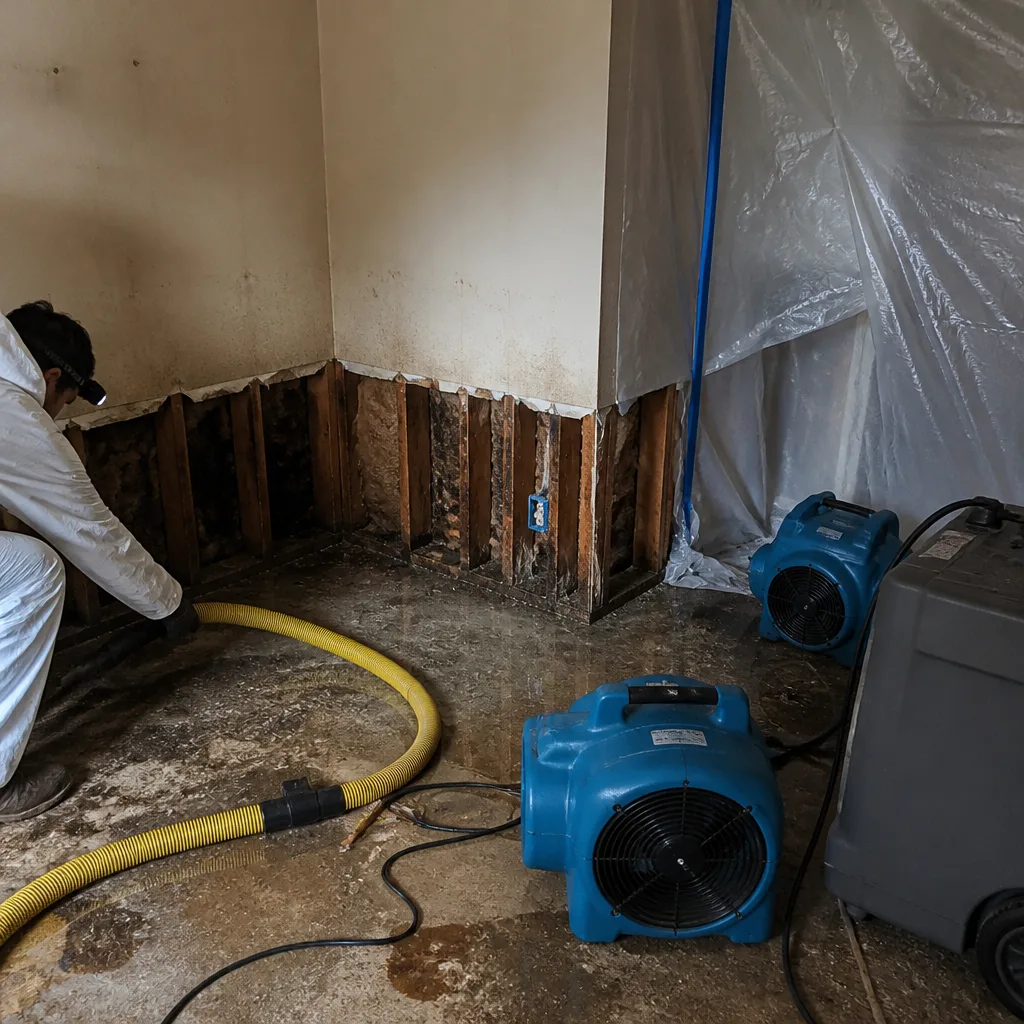 Before
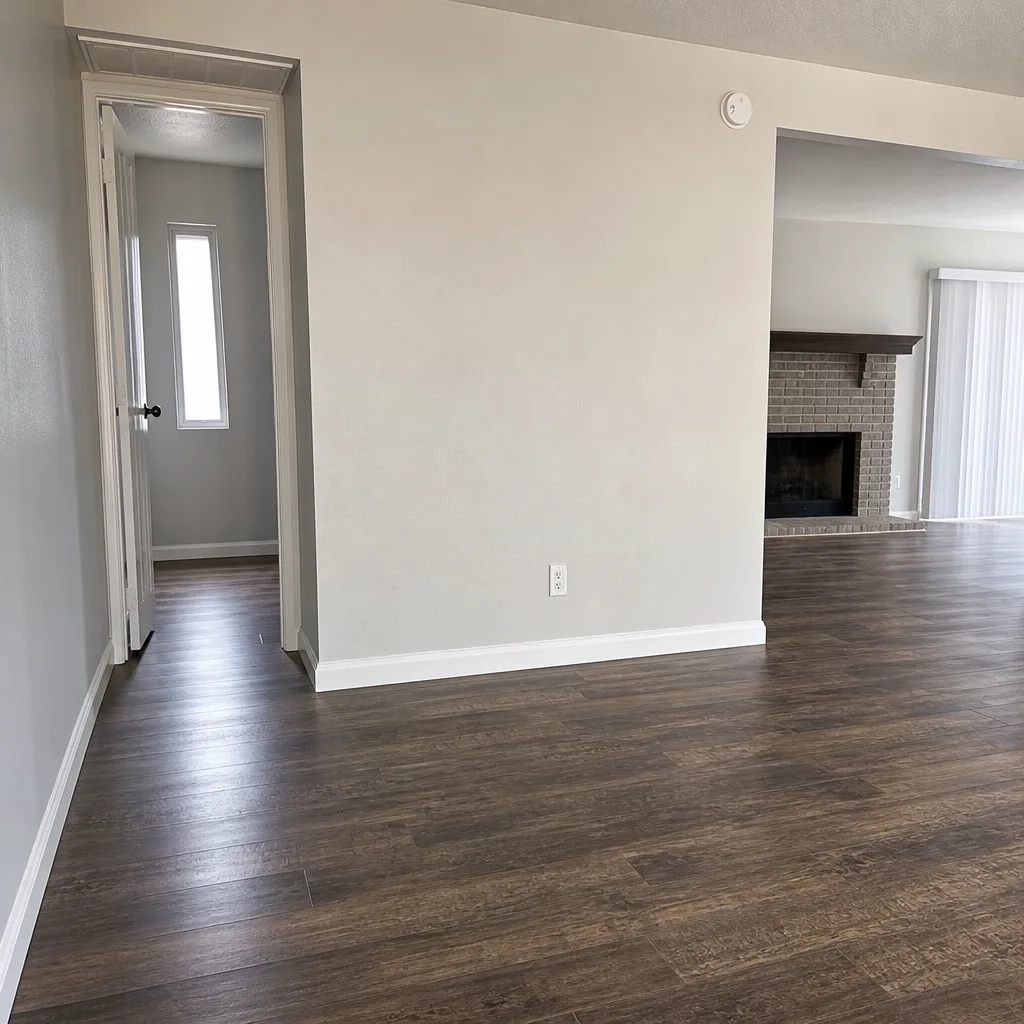 After
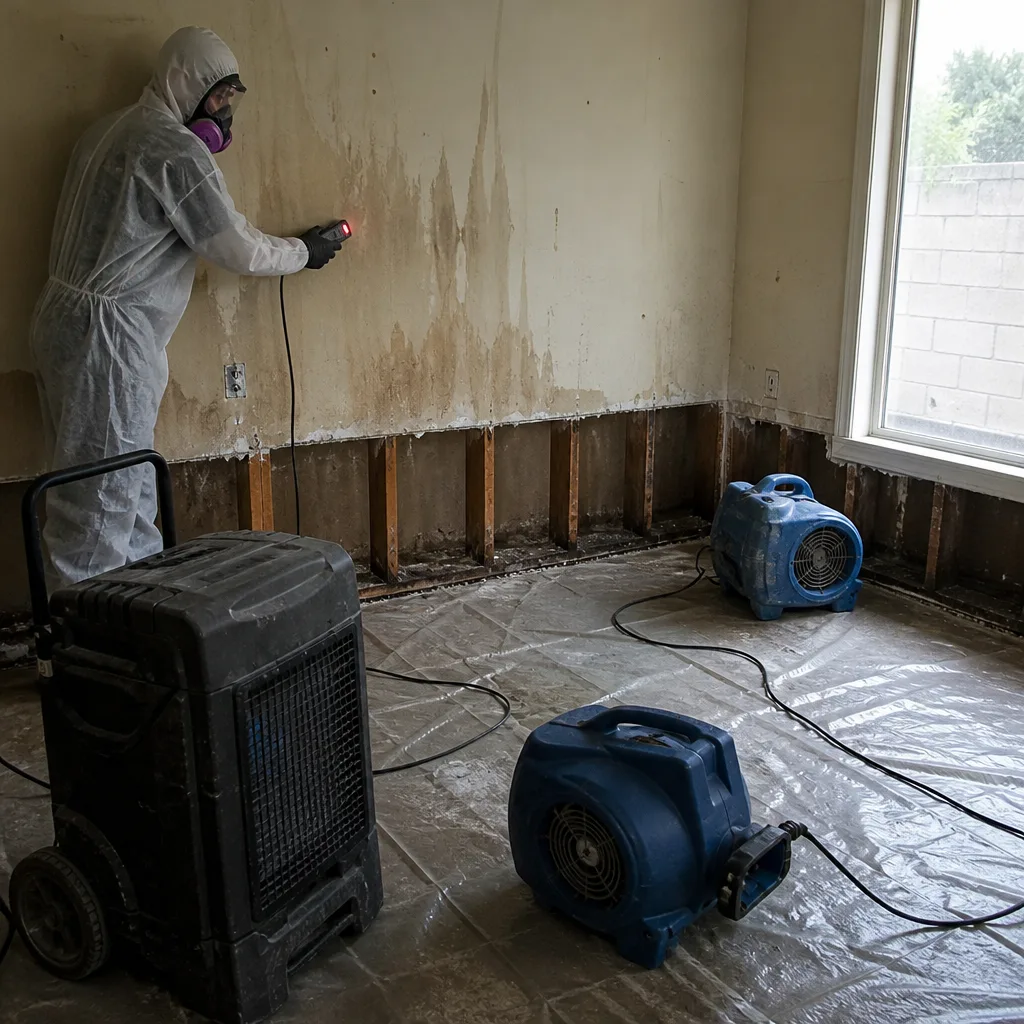 Before
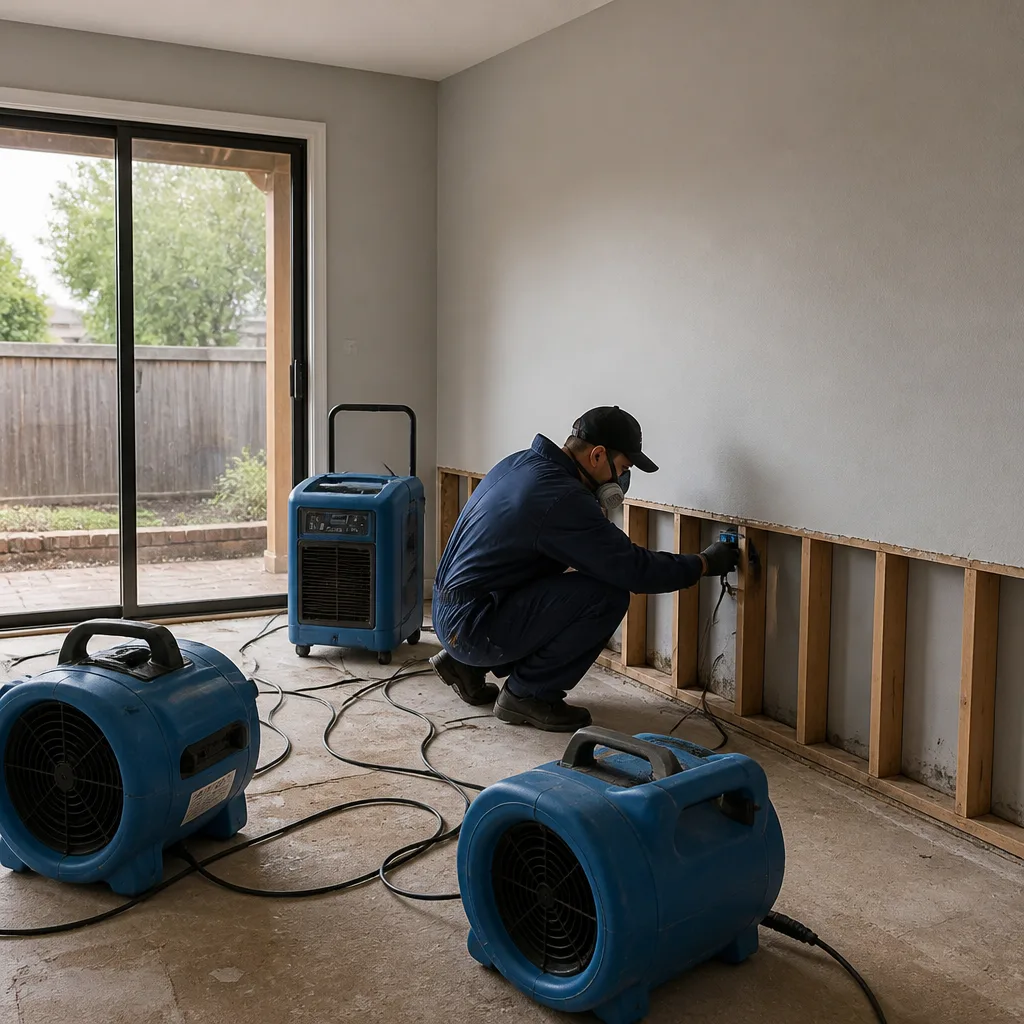 After
 Before
 After