Last updated October 30, 2026
 Water damage drying
 Fire & smoke cleanup
 Mold remediation
 Storm response
 Sewage cleanup
 Reconstruction
Free visual inspection and a written scope of work before any mitigation begins - photos, moisture readings, and drying logs go in your claim file
The scope we write is the scope we bill. Anything new gets shown to you, in writing, before we touch it.
Get your free estimateThe Complete Water Damage Restoration Guide for Rancho Cucamonga Homeowners
Most water damage guides read like they were written for a house in Ohio. They assume standard framing, neutral water chemistry, and a climate that cooperates with the drying math. Rancho Cucamonga breaks all three assumptions. Inland Empire homes dry differently than coastal California homes. Ambient heat accelerates surface drying while trapping moisture in stucco cavities, creating a false “dry” reading that leads to mold behind walls weeks later. This guide explains why Water Damage Restoration in Rancho Cucamonga requires a region-specific approach, what the IICRC S500 standard actually demands, and how to protect your home from the secondary damage most generalist contractors miss.
Restoration work we handle
Quick Answer
Water damage restoration in Rancho Cucamonga typically requires professional extraction within hours, structural drying over 3 to 5 days, and documented moisture verification before any rebuild begins. The desert-adjacent climate accelerates surface evaporation but traps moisture inside stucco wall cavities, meaning surface readings alone are not reliable. Homeowners should document all damage before calling their insurer, verify that any contractor follows IICRC-certified protocols, and insist on written moisture logs at job close.
Table of Contents
- Why Rancho Cucamonga Homes Dry Differently
- The IICRC S500 Standard Explained: What Each Phase Should Look Like
- Water Categories and Classes: Why They Determine Everything
- Hard Water Intrusion: The Inland Empire Complication
- Stucco and Wood-Frame Construction: Where Moisture Hides
- The Step-by-Step Restoration Process
- What to Document Before You Call Your Insurer
- Why Equipment Matters: Commercial-Grade vs. Consumer-Grade
- Common Mistakes to Avoid
- When to Call a Professional
- Frequently Asked Questions
- The Bottom Line
Why Rancho Cucamonga Homes Dry Differently
Rancho Cucamonga sits in a semi-arid climate zone where summer temperatures regularly exceed 95°F and relative humidity often drops below 20 percent during the day. That sounds like ideal drying conditions, and for exposed surfaces, it is. A wet carpet in a Rancho Cucamonga living room will show surface dryness faster than the same carpet in San Diego. But surface dryness is not structural dryness.
The problem is the dew point differential between day and night. In Rancho Cucamonga, daytime temperatures create high vapor pressure that pushes moisture out of drywall and into wall cavities. At night, temperatures drop and that same vapor condenses back into liquid water inside enclosed spaces. This daily cycle can continue for weeks inside a stucco wall assembly, long after the outside face of the drywall reads dry on a standard moisture meter.
We’ve inspected homes in Rancho Cucamonga neighborhoods like Etiwanda and Alta Loma where homeowners were told their walls were dry, only to find moisture readings above 20 percent inside the cavity when we opened a small inspection port. Professional restoration teams use psychrometric calculations specific to local dew point conditions, not just surface pin meters. The IICRC-certified approach measures temperature, relative humidity, and grain depression within the wall assembly itself. That’s the difference between drying a structure and drying what you can see.
The IICRC S500 Standard Explained: What Each Phase Should Look Like
The IICRC S500 is the restoration industry’s reference document for professional water damage restoration. It defines the procedures, equipment requirements, and documentation standards that separate trained restoration specialists from a general contractor with a shop vac. When a company says they follow IICRC-certified methodology, they’re saying their process is based on applied science, not guesswork.
Here’s what each phase should include on a Rancho Cucamonga water damage job:
- Initial assessment and documentation. A restoration technician records the affected area, water source, and category of water. They take moisture readings throughout the structure, including unaffected areas to establish a baseline. Photos document every surface before anything is moved.
- Extraction. Standing water is removed using professional extraction equipment, not a wet/dry vacuum rated for homeowner use. The goal is to remove as much liquid water as possible before drying begins, because drying equipment works far more efficiently on a pre-extracted structure.
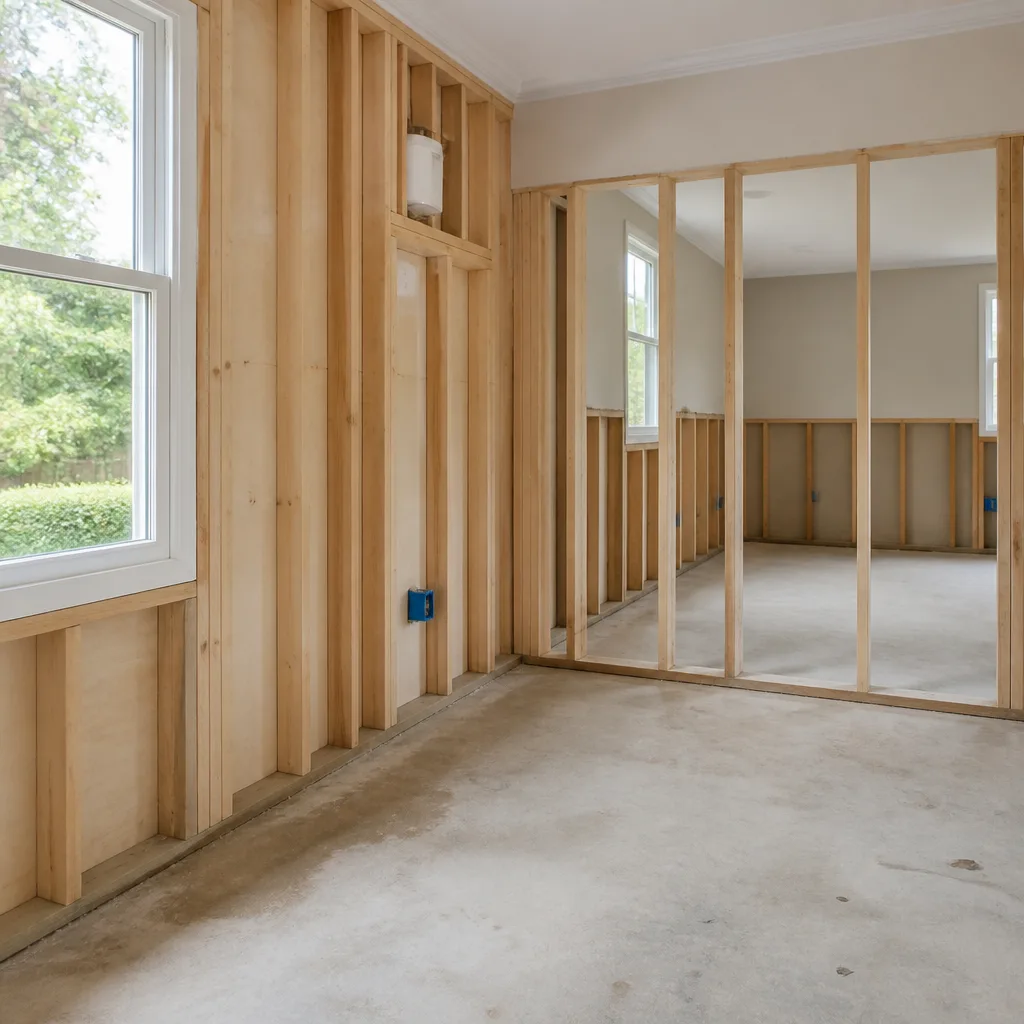
- Containment and controlled demolition where necessary. If drywall, baseboards, or flooring must be removed to access wet cavities, the contractor documents why. In Rancho Cucamonga stucco homes, this often means targeted openings rather than full wall removal, especially when Injectidry technology can dry inside cavities without demo.
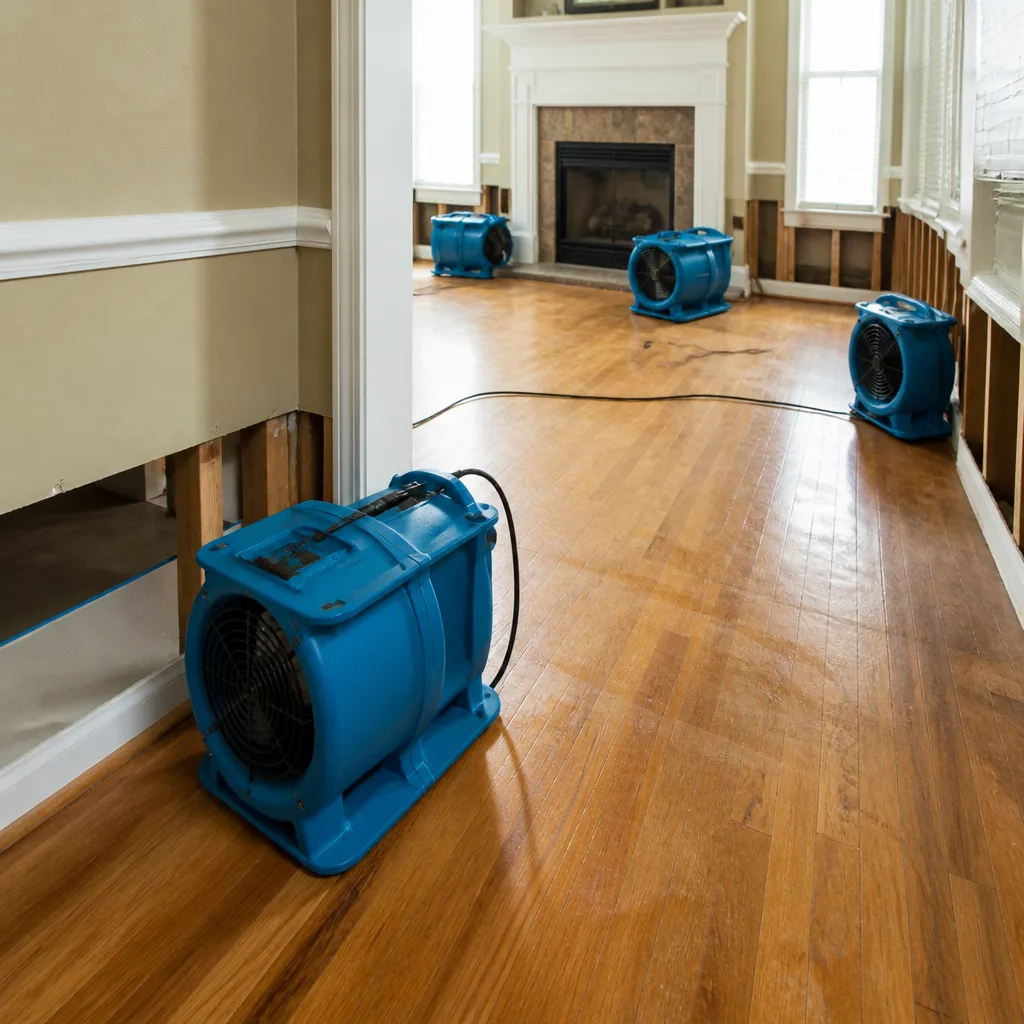
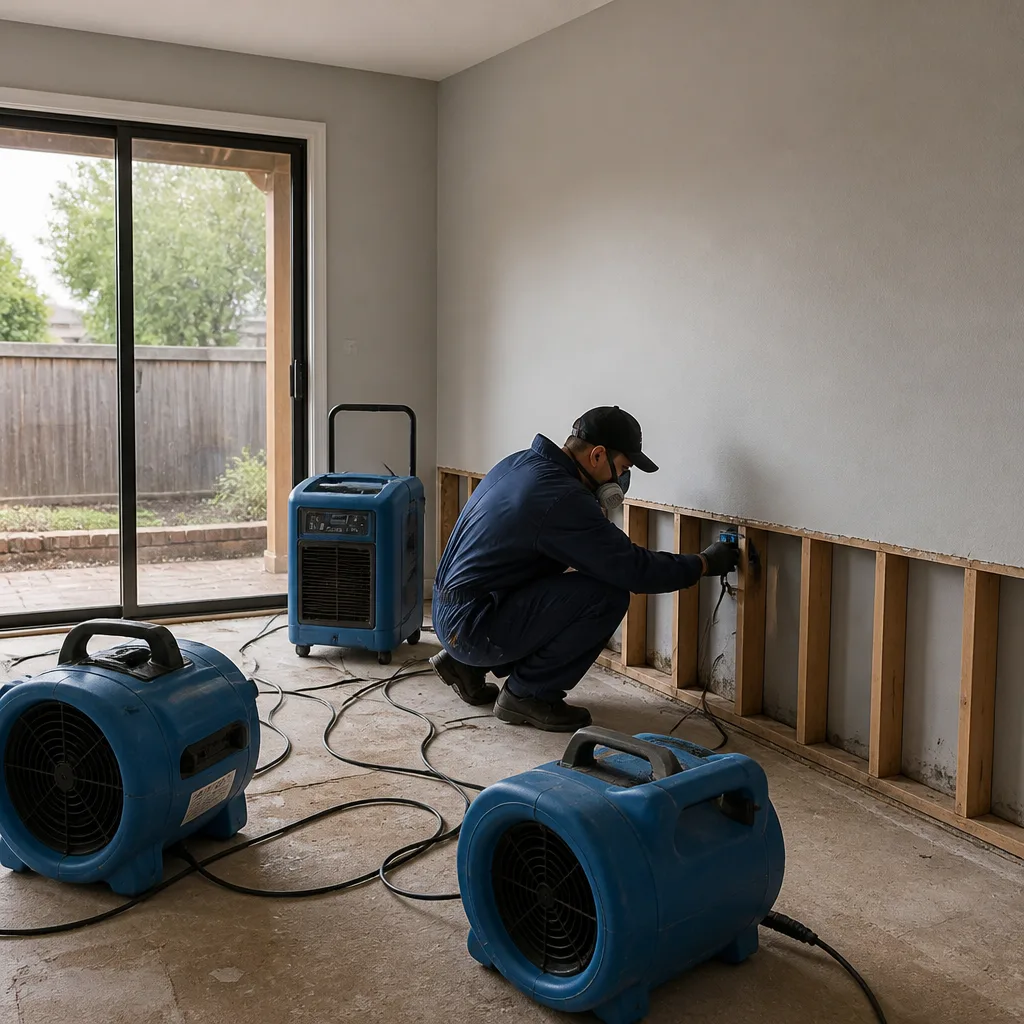
- Structural drying. Commercial-grade air movers and dehumidifiers are placed according to a calculated drying plan, not scattered around the room. Equipment brands like Dri-Eaz, Phoenix, and XPOWER are engineered for this specific application and move air at rates consumer fans cannot match.
- Daily monitoring. The contractor returns daily to take and log moisture readings. These logs show drying progress and are the documentation your insurer will expect. If drying stalls, the equipment configuration is adjusted.
- Clearance and final documentation. The job is declared complete only when moisture readings return to the baseline established during initial assessment. You receive a written record of all readings, equipment used, and work performed.
If a contractor cannot show you this documentation process, you have not hired a restoration specialist. You have hired someone who dries surfaces. See our Water Damage Restoration in Rancho Cucamonga page for how we apply this standard locally.
Water Categories and Classes: Why They Determine Everything
Not all water damage is the same, and the differences determine both safety protocols and salvageability decisions. Restoration professionals classify water damage using two systems: category, which describes the water source’s contamination level, and class, which describes the extent of saturation.
Category 1 is clean water from a supply line, faucet, or broken pipe. This is the most salvageable water damage, but only if addressed quickly. In Rancho Cucamonga’s warm climate, Category 1 water can degrade to Category 2 within 48 hours as bacteria multiply in standing water.
Category 2 is gray water containing significant contamination. Washing machine overflow, dishwasher discharge, and toilet overflow with urine fall into this category. Category 2 water requires antimicrobial treatment and more aggressive drying protocols.
Category 3 is black water, which contains pathogens and requires full containment, disinfection, and often more extensive material removal. Sewage backups, flooding from outside sources, and any water that has been standing long enough to support bacterial growth fall here. Category 3 jobs in Rancho Cucamonga require PPE and controlled demolition in most cases.
The class of water damage refers to how much of the structure is saturated. A Class 1 water loss affects a small area with minimal absorption. A Class 4 loss means deeply saturated materials like hardwood, concrete, and plaster that require specialized drying techniques and extended equipment run times. Class 4 jobs in Rancho Cucamonga slab-on-grade homes often require Injectidry mats or specialized drying chambers because concrete holds moisture for extended periods.
Hard Water Intrusion: The Inland Empire Complication
Rancho Cucamonga’s municipal water supply is classified as hard to very hard, with mineral content that varies by source but consistently leaves calcium and magnesium deposits behind. When a supply line fails and floods a room, that water carries dissolved minerals into every material it touches. As the water evaporates, those minerals remain.
What this means for restoration is significant. Mineral deposits can wick into drywall, carpet padding, and wood subflooring, changing the material’s porosity and drying characteristics. Materials that would be salvageable after a clean-water event in another city may not dry properly in Rancho Cucamonga because mineral residue impedes evaporation. In some cases, we’ve found that carpet padding from hard water intrusion becomes stiff and brittle after drying, making it functionally unsalvageable even though the water itself was Category 1.
The practical implication: homeowners in Rancho Cucamonga should expect their restoration contractor to factor water chemistry into drying decisions. The IICRC-certified approach includes an assessment of mineral impact, and in our experience, hard water intrusion from plumbing failures shortens the salvageability window for porous materials. That’s not a reason to panic. It’s a reason to move quickly and to hire a team that understands local water chemistry.
This same hard water chemistry is part of why mold remediation in Rancho Cucamonga requires a more thorough approach than homeowners expect. Mineral residue and trapped moisture create conditions that standard drying misses.
Stucco and Wood-Frame Construction: Where Moisture Hides
Rancho Cucamonga’s housing stock is predominantly stucco-clad wood frame construction. This building style, common across the Inland Empire, creates specific moisture challenges that drywall-only construction does not. Stucco is a cement-based material that is porous enough to allow moisture vapor to pass but dense enough to slow that movement significantly. When water gets behind stucco, either through a breach in the exterior or from interior flooding that saturates wall cavities, the stucco acts as a moisture barrier in the wrong direction.
In a drywall-only home, water inside a wall cavity can dry outward through the exterior sheathing. In a Rancho Cucamonga stucco home, that same water is partially trapped. The result is extended drying times and a higher risk of hidden mold if drying is stopped prematurely. This is why equipment placement matters so much. Professionals calculate the number of air movers and dehumidifiers based on cubic footage, material composition, and the specific drying path available. A wall cavity in a stucco home may require Injectidry technology or targeted ventilation ports to create airflow where none naturally exists.
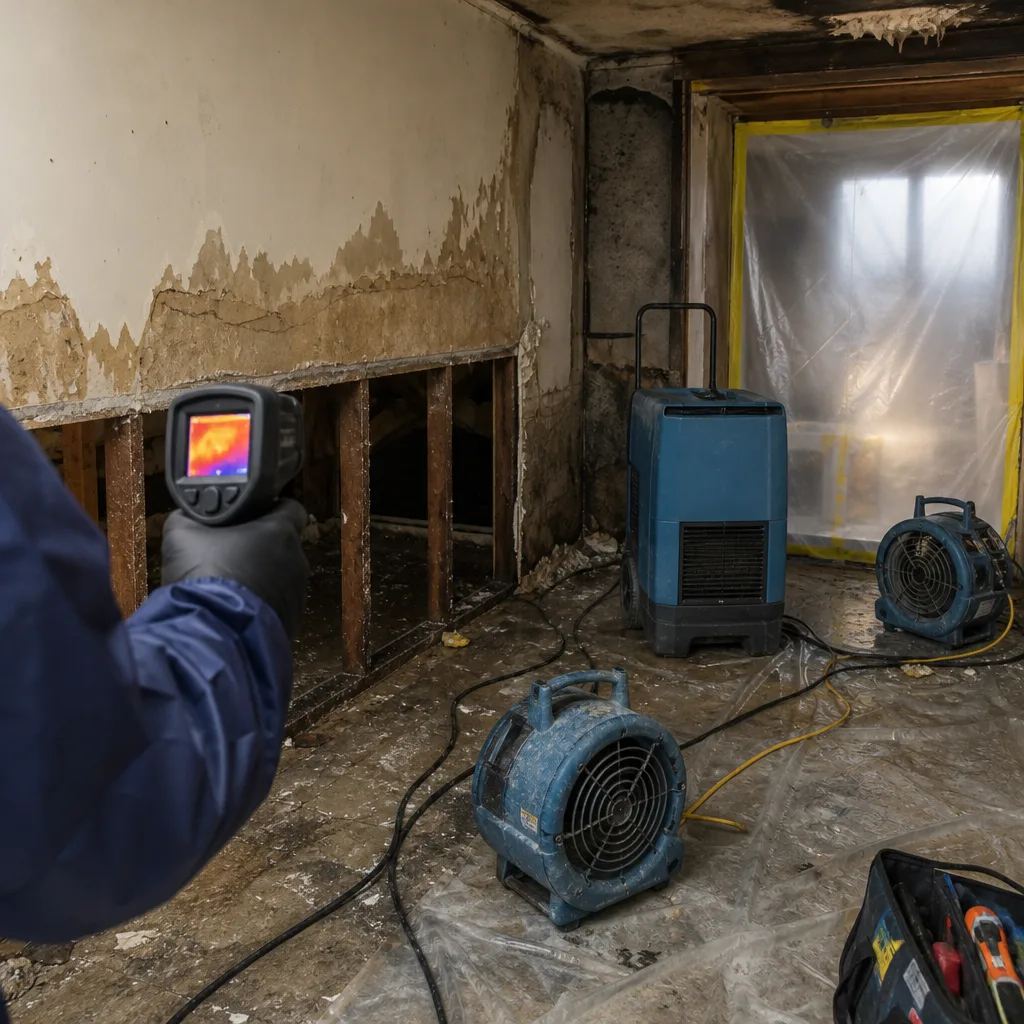
We dry the structure, not just the surface. In a stucco home, that means verifying dryness inside wall cavities with penetrating moisture meters and, when needed, drilling small monitoring holes that can be patched after clearance. The alternative is what we see too often: a homeowner who trusts a surface reading, repaints, and discovers mold six months later behind the baseboards.
The Step-by-Step Restoration Process
Understanding the sequence of a professional water damage restoration job helps homeowners know what to expect and what questions to ask. Here is the process Flood Guard Water Damage follows on a typical Rancho Cucamonga water loss:
- Emergency contact and dispatch. The clock starts when you call. Water continues spreading through porous materials until extraction begins.
- On-site assessment. A certified technician arrives, identifies the water source, stops the flow if possible, and documents the affected area with photos and moisture readings.
- Water extraction. Professional extraction equipment removes standing water. On a significant loss, this step alone can remove hundreds of gallons.
- Containment and material removal planning. The technician determines what must be removed, what can be saved, and what can be dried in place using Injectidry technology or similar non-invasive methods.
- Structural drying setup. Air movers and dehumidifiers are placed according to a calculated drying plan. Equipment runs continuously, typically for 3 to 5 days on a moderate loss.
- Daily monitoring. Moisture readings are logged daily. The drying plan is adjusted if progress stalls. You receive documentation of every reading.
- Clearance verification. When all affected materials return to baseline moisture levels, the drying equipment is removed. You receive final documentation showing the complete drying record.
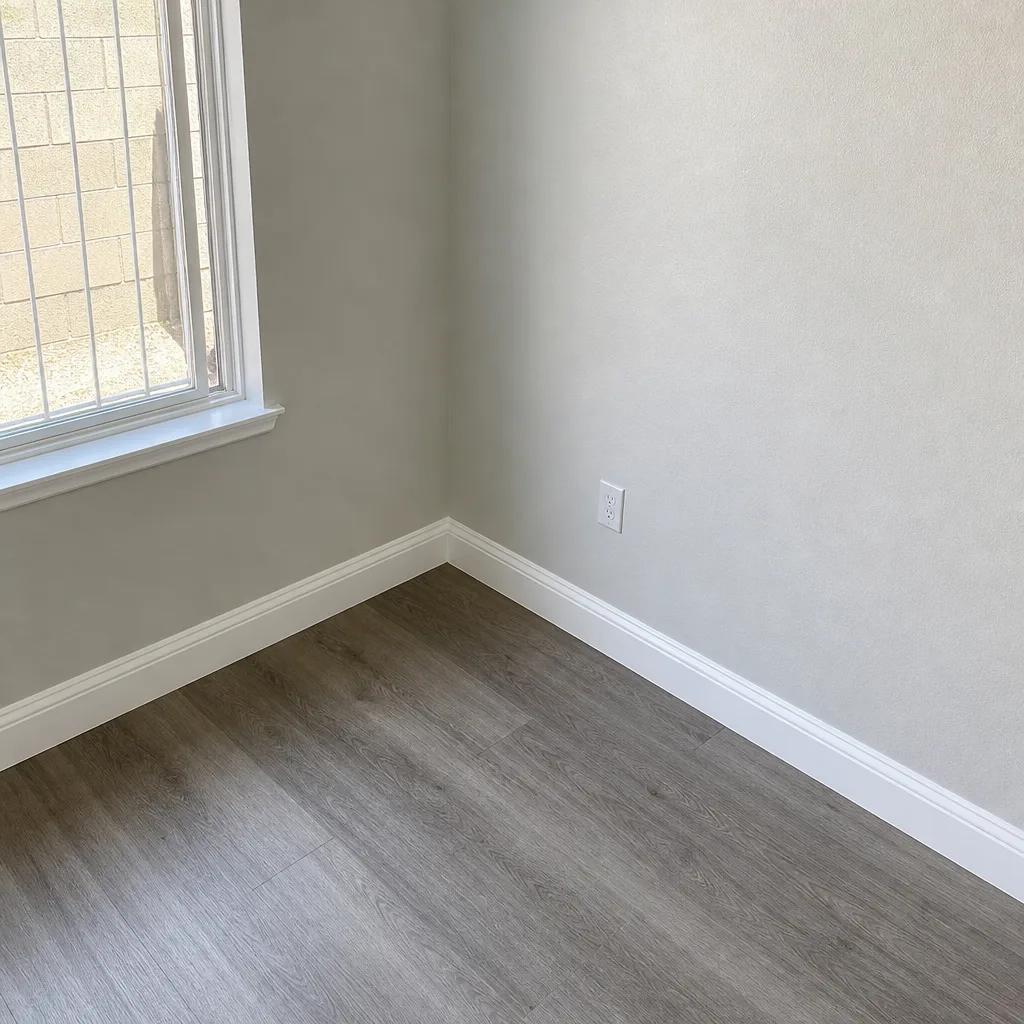
- Repair and reconstruction. If controlled demolition was required, this is when repair work begins. The goal is to return your Rancho Cucamonga home to pre-loss condition.
Notice what is absent from this list: guesswork, surface-level checks, and “it feels dry to me.” Every step involves measurement and documentation. That’s what IICRC-certified methodology means.
For homeowners facing fire damage in addition to water damage from firefighting efforts, the restoration sequence changes significantly. See our Fire Damage Restoration in Rancho Cucamonga page for how the process differs.
What to Document Before You Call Your Insurer
The hours immediately after a water damage event are chaotic, but the documentation you gather before calling your insurer has a direct impact on your claim outcome. Here is what to have ready as soon as possible:
- Photos of the source. If a pipe failed, photograph it before anything is moved. If an appliance leaked, photograph the appliance and surrounding area. These photos establish causation, which your adjuster needs to approve coverage.
- Photos of all affected areas. Take wide shots showing the full extent of water spread, then close-ups of damage to specific materials. Include walls, flooring, cabinetry, and any personal property.
- The water path. Water travels downhill and through wall cavities. Document the likely path even if you cannot see all of it. Restoration professionals can map this during assessment.
- Personal property inventory. List damaged items with approximate age and value. Photos of each item help substantiate replacement cost claims.
- Mitigation actions taken. If you shut off a water supply, moved furniture, or placed towels, document what you did and when. Insurers expect homeowners to take reasonable steps to prevent further damage.
- Contractor documentation. Once you hire a restoration company, keep records of their assessment, moisture readings, and drying logs. At job close, your contractor should provide a complete documentation package. Legitimate restoration contractors must be able to produce this documentation. If they cannot, your claim is at risk.
In Rancho Cucamonga, where stucco construction complicates drying, your adjuster may not understand the region-specific reasons behind extended drying timelines or targeted wall openings. The documentation from your restoration contractor becomes the evidence that justifies those decisions. That’s one more reason to choose a contractor who documents everything in writing.
Why Equipment Matters: Commercial-Grade vs. Consumer-Grade
When a restoration company arrives at your Rancho Cucamonga home, the first thing that tells you whether you’ve hired a specialist is the equipment they unload. This matters more than most homeowners realize. The difference between commercial-grade drying equipment and consumer-grade alternatives is not incremental. It is the difference between drying a structure in days and drying it in weeks, if it dries at all.
Restoration specialists use equipment engineered for this specific application. Brands like Dri-Eaz, Phoenix, XPOWER, and B-Air manufacture air movers and dehumidifiers designed for continuous operation in wet environments. A Dri-Eaz air mover moves air at speeds and volumes that a box fan cannot approach. And the placement of that air movement is calculated, not random. Professionals create directed airflow that forces moisture out of materials and into the air, where dehumidifiers capture it.
Injectidry technology represents the clearest example of the specialist difference. An Injectidry system forces dry air into wall cavities, under flooring, and into other enclosed spaces without requiring those spaces to be opened. In a Rancho Cucamonga stucco home, where opening a wall means patching stucco that never quite matches, this capability directly reduces demolition, repair cost, and disruption. A generalist contractor without this technology must open walls to dry them. We open walls when necessary, not by default.
Dehumidification is equally critical. In Rancho Cucamonga’s climate, daytime air is dry, but nighttime humidity rises as temperatures drop. A professional dehumidifier maintains a controlled drying environment regardless of outdoor conditions. It also prevents the moisture pulled from your walls from migrating into unaffected areas of the home, which is a real risk when drying is attempted with ventilation alone.
The shorthand: professional equipment costs what it does because it works. For more on how we apply this equipment to water losses specifically, see Water Damage Restoration in Rancho Cucamonga or start at our Flood Guard Water Damage home page.
Common Mistakes to Avoid
- Relying on surface readings to declare dryness. In Rancho Cucamonga’s climate, surfaces dry fast while cavities stay wet. A pin meter reading on drywall tells you nothing about the stucco cavity behind it. Professional drying verification requires penetrating readings at multiple depths.
- Waiting to call a restoration contractor. Every hour water sits in a Rancho Cucamonga home, it wicks further into walls, under flooring, and into cabinetry. Materials that could be dried in place on day one may require removal by day three.
- Using a general contractor for mitigation. General contractors build and repair. Restoration specialists dry and remediate. The skill sets overlap less than homeowners assume, and the IICRC certification exists because the restoration process follows a specific technical standard that general construction work does not.
- Not documenting the water path. If your insurer questions whether certain damage was caused by the covered event or by pre-existing conditions, your documentation is your defense. Photos taken before cleanup begins are worth more than any explanation after the fact.
- Stopping drying too early. The temptation to shut off loud equipment after a few days is real. But drying is complete only when moisture readings return to baseline, not when the surface feels dry. Premature equipment removal is the leading cause of hidden mold in Inland Empire homes.
- Ignoring hard water mineral residue. Mineral deposits left behind after water evaporates are a signal that moisture was present. In Rancho Cucamonga, these deposits can indicate deeper saturation that standard drying plans will miss. If you see white residue on dried surfaces, the job is not complete.
- Hiring based on price alone. The cheapest restoration estimate in Rancho Cucamonga often comes from a contractor who will perform less extraction, use consumer-grade equipment, and skip daily monitoring. The claim-related costs of that approach surface later.
When to Call a Professional
Some small, contained water spills can be handled by a homeowner with towels and a fan. A glass of water on a tile floor is not a restoration project. But if water has reached porous materials like drywall, carpet, cabinetry, or wood flooring, professional assessment is warranted. If the water source is a plumbing failure, Category 1 clean water can degrade within 48 hours as bacteria multiply in standing water. If the water source is a sewage backup or exterior flooding, the contamination risk requires professional containment and disinfection. If you cannot see how far the water has spread, or if your Rancho Cucamonga home has stucco walls that may be trapping moisture in cavities, do not wait for visible signs of mold. Flood Guard Water Damage offers free estimates in Rancho Cucamonga. Call (844) 716-1094 and we will assess your situation, document the damage, and give you a written scope before any work begins.
Frequently Asked Questions
Water damage restoration in Rancho Cucamonga typically costs between $2,500 and $7,500 for a moderate Category 1 water loss affecting one room, with costs rising with water category, saturation class, and the amount of controlled demolition required. For a detailed look at pricing, see our Damage Restoration Cost Breakdown: The Rancho Cucamonga Homeowner’s Reference for 2026. The final cost depends on the square footage affected, materials involved, drying time, and whether stucco wall cavities require access for proper drying. Call (844) 716-1094 for a free estimate specific to your situation.
Structural drying in Rancho Cucamonga typically takes 3 to 5 days for moderate water losses when commercial-grade equipment is used and monitored daily. However, stucco wall cavities and slab-on-grade construction can extend drying times to 7 days or more because moisture in enclosed spaces dries more slowly than exposed surfaces. Your contractor should provide daily moisture readings that show drying progress and justify any extension.
Most homeowner policies in California cover sudden and accidental water damage from plumbing failures, appliance leaks, and other covered perils, but each policy has specific exclusions and deductibles. What your insurer requires is documentation: photos of the source, the extent of damage, mitigation actions taken, and professional drying logs. A restoration contractor who provides complete documentation directly supports your claim. Call (844) 716-1094 if you need help navigating the documentation process.
If water has reached porous materials like drywall, carpet padding, or wood subflooring, DIY drying almost always leaves hidden moisture that leads to mold, because household fans and dehumidifiers lack the airflow and water removal capacity of commercial-grade equipment like Dri-Eaz, Phoenix, or XPOWER systems. The false “dry” surface reading is especially dangerous in Rancho Cucamonga stucco homes where cavities trap moisture. Professional assessment costs nothing and gives you a documented answer.
The IICRC, or Institute of Inspection, Cleaning and Restoration Certification, is the recognized authority that sets the technical standards for the restoration industry, most notably through the S500 standard for water damage restoration. A contractor following IICRC-certified methodology uses measured drying targets, documented monitoring, and science-based equipment placement rather than guessing. In practice, this means your restoration is verifiable, defensible to your insurer, and complete rather than surface-level.
Your restoration contractor should work directly with your insurance adjuster, providing the documentation, moisture logs, and scope of work that justify the restoration costs. Photo documentation and moisture readings are the primary evidence adjusters use to approve claims. Flood Guard Water Damage documents every stage of the restoration process and coordinates directly with adjusters so you are not left translating technical details. Call (844) 716-1094 to discuss how we can help with your specific claim.
The Bottom Line
Water damage restoration in Rancho Cucamonga is not a one-size-fits-all process. The region’s semi-arid climate accelerates surface drying while trapping moisture inside stucco cavities. Hard water intrusion leaves mineral deposits that complicate material salvageability. And the IICRC S500 standard, when actually followed, requires measurement, documentation, and equipment that generalist contractors simply do not carry. The homeowners who come through water damage in the best shape are the ones who act quickly, document everything, and hire a restoration specialist who follows certified protocols from extraction to clearance. For additional preparation tips, read our Damage Restoration Emergency Preparedness Guide for Rancho Cucamonga Homes. Flood Guard Water Damage applies this standard on every Rancho Cucamonga job, with commercial-grade equipment and written documentation at every phase.
Written by the team at Flood Guard Water Damage, serving Rancho Cucamonga since 2018. Explore our more guides & resources for homeowners.
See the difference
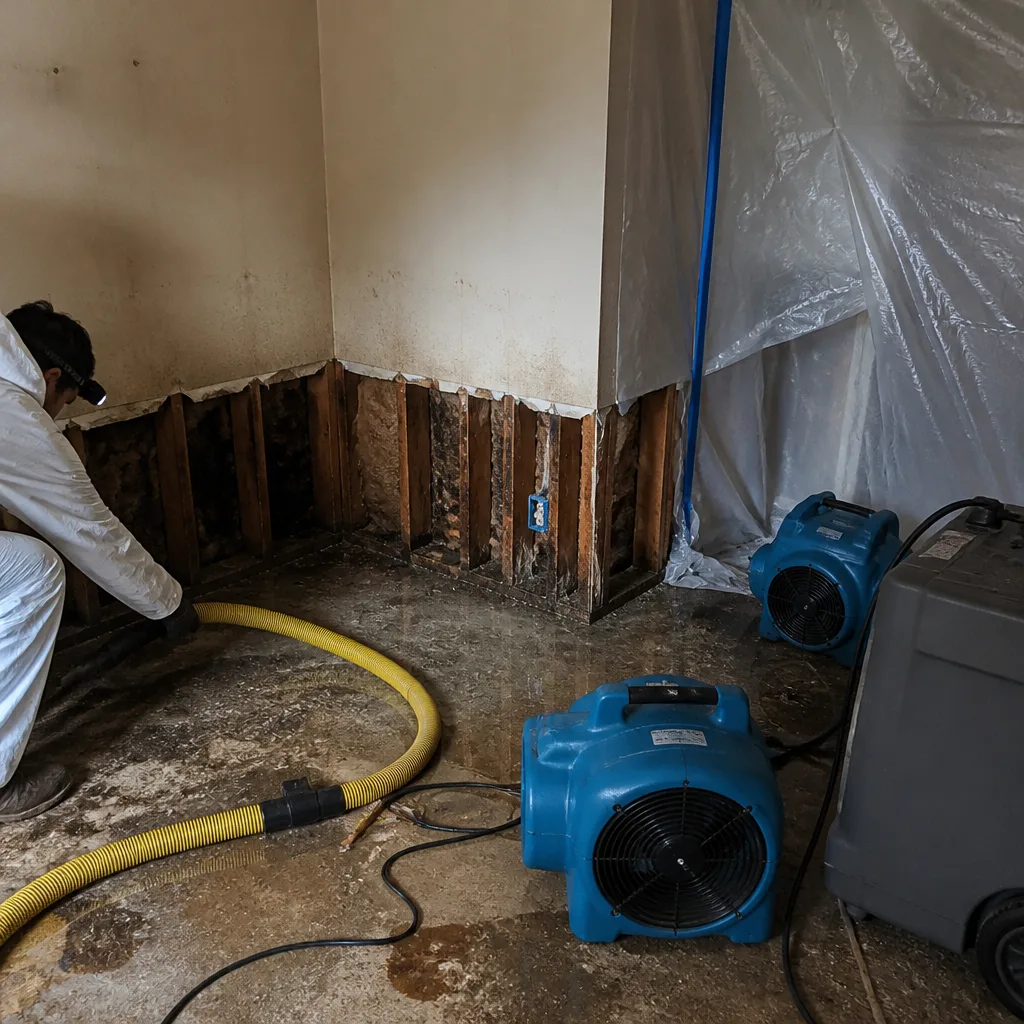 Before
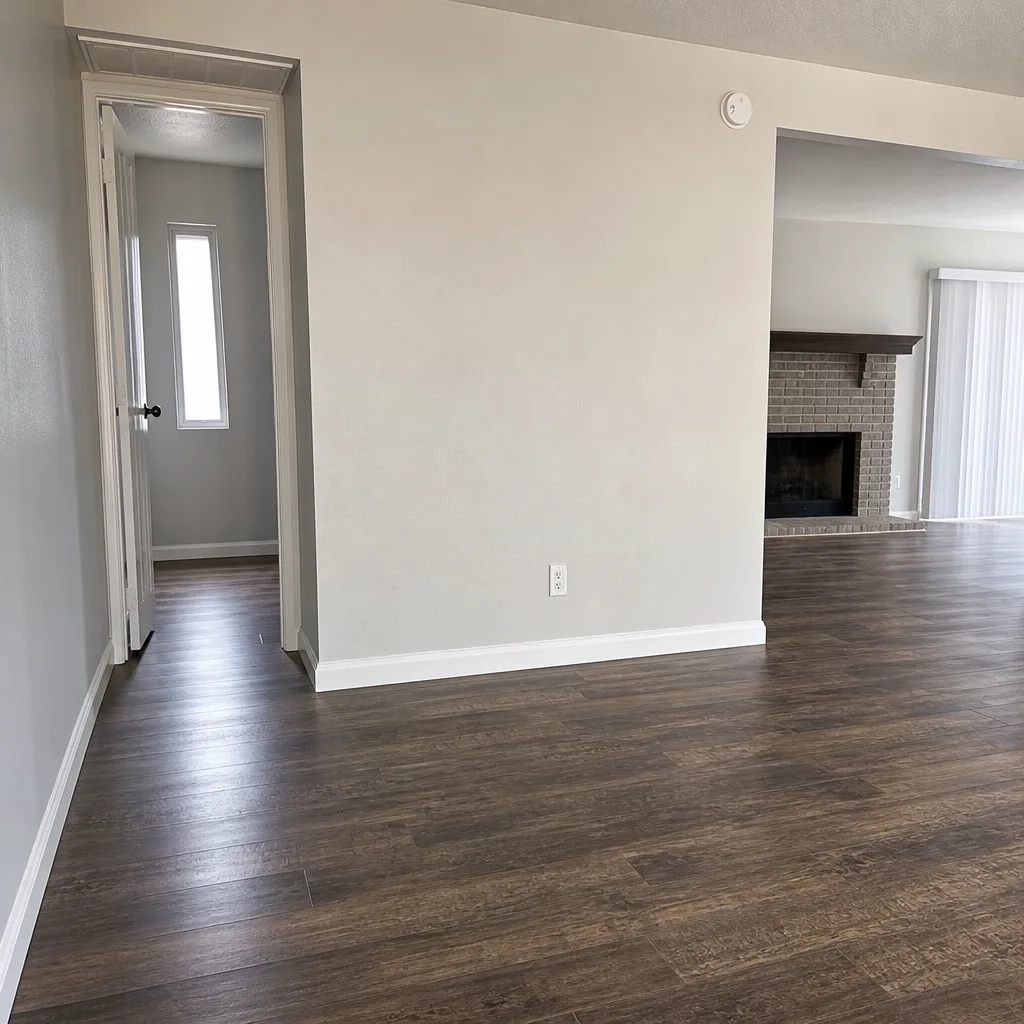 After
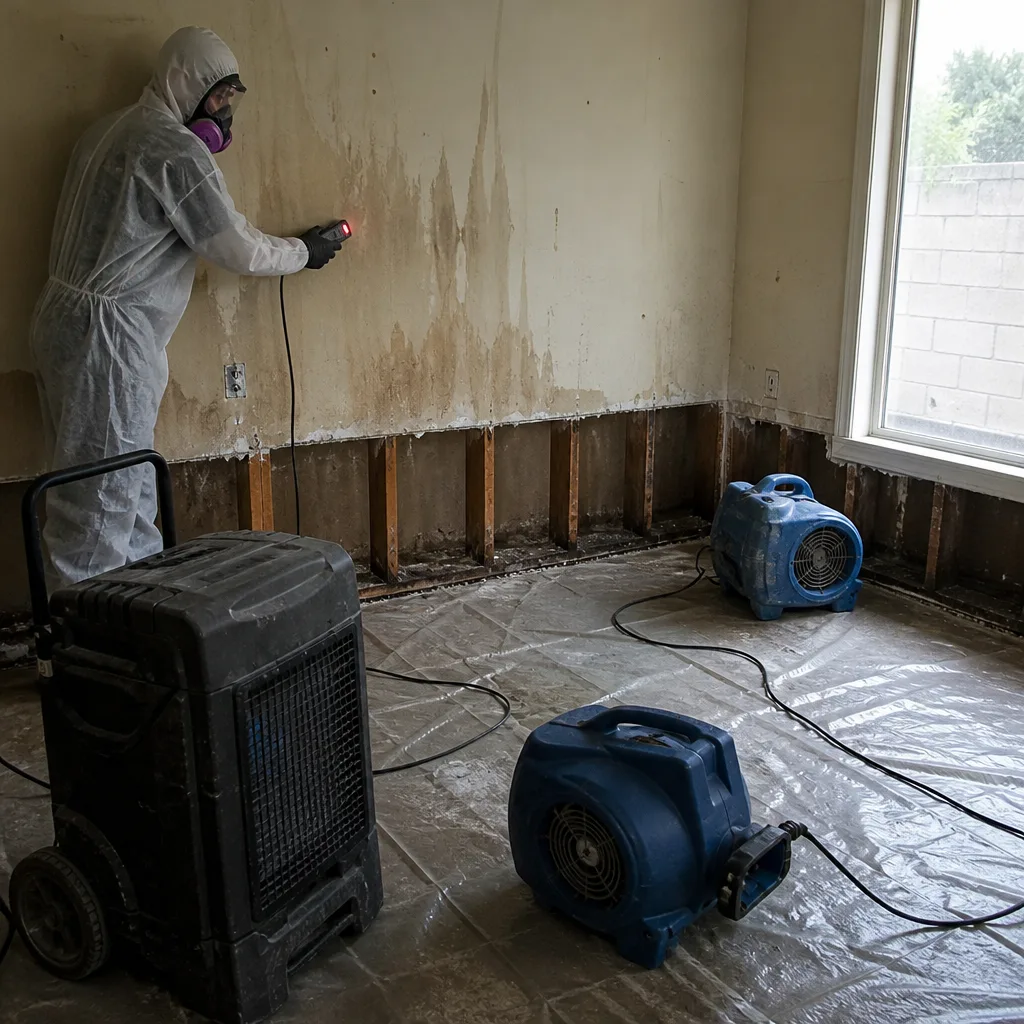 Before
 After
 Before
 After