 Water damage drying
 Fire & smoke cleanup
 Mold remediation
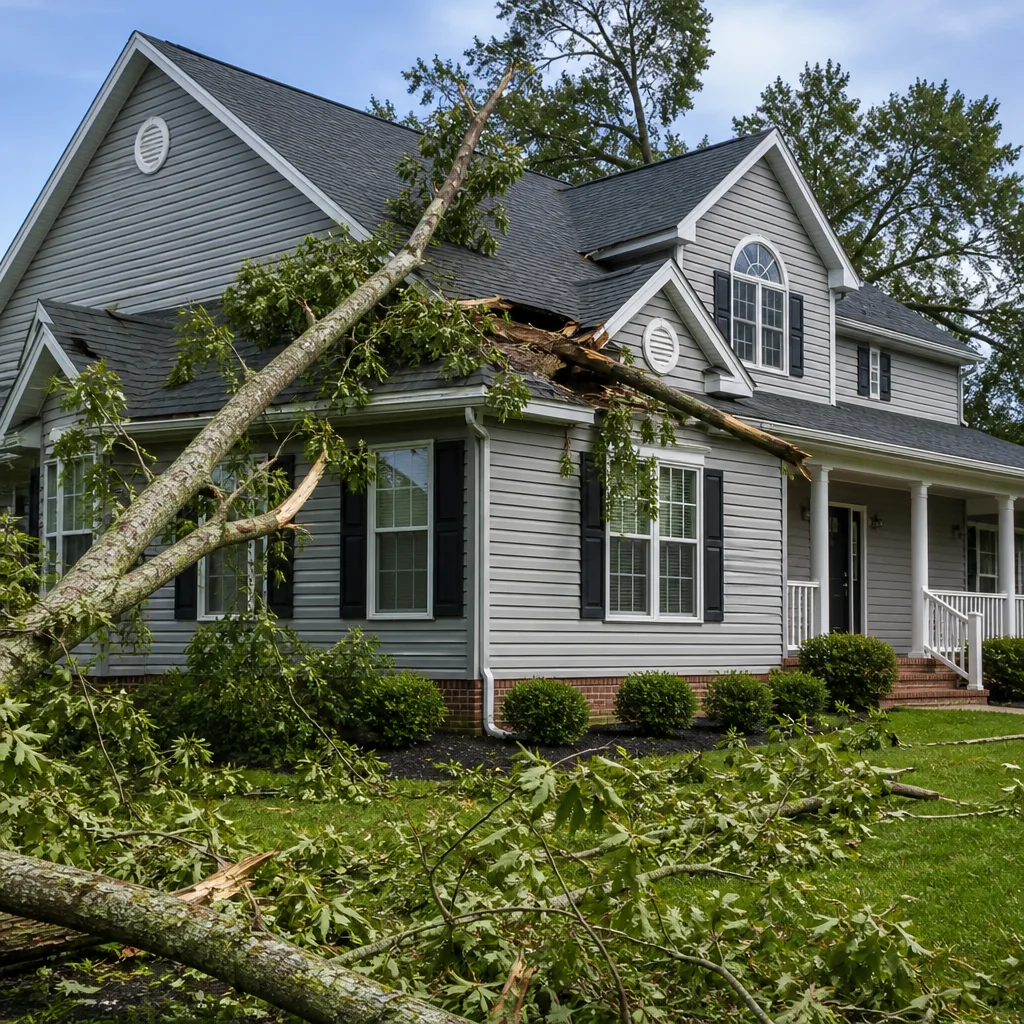 Storm response
 Sewage cleanup
 Reconstruction
Free visual inspection and a written scope of work before any mitigation begins - photos, moisture readings, and drying logs go in your claim file
The scope we write is the scope we bill. Anything new gets shown to you, in writing, before we touch it.
Get your free estimateFast, Reliable Water Damage Restoration Across Cabazon
Water damage restoration in Cabazon, CA typically costs $1,800 – $4,500 for a standard single-room mitigation and $3,500 – $9,000 for multi-room or whole-home drying, depending on the source and how far the moisture has traveled. We get called out to Cabazon for freeze-burst supply lines, wind-driven rain intrusion through window and door seals, and the kind of hidden moisture that sits in low-clearance manufactured home skirting until the subfloor starts to fail. Our crews are on the road from Rancho Cucamonga and know the San Gorgonio Pass well enough to plan for the wind before we even pull off the I-10. If you’re looking at standing water or a spreading stain right now, call (844) 716-1094 and we’ll walk you through the first steps while a team heads your way.
What separates us from a generalist handyman with a shop vac is pretty simple. We run IICRC-certified drying protocols backed by commercial-grade equipment from Dri-Eaz, Phoenix, and XPOWER, plus Injectidry mats and panels that pull moisture from inside walls and under flooring without automatic demolition. In a community like Cabazon, where manufactured homes and older stick-built houses have tight clearances and unusual framing, that equipment difference means we often dry the structure without tearing it apart. Noel Ibarra leads our restoration teams with the same measured approach on every job: measure the moisture, document the loss, dry the structure, then verify with readings before we pack up. Not estimates. Measurements.
Why Flood Guard Water Damage Is Cabazon’s Preferred Water Damage Restoration Company
Cabazon is not like the rest of the Coachella Valley. It sits at roughly 1,800 feet in the San Gorgonio Pass, where sustained winds blow sand and fine grit against north and west facing walls at 30 to 60 mph during the spring and summer, and Santa Ana events hammer the same walls from the east in fall and winter. That wind-driven grit works its way into window tracks, door sweeps, and roof edges, and when the wind pushes rain horizontally, the water finds every seam. Property owners here know that a “storm damage” call in Cabazon is often as much about abrasion and pressure-driven intrusion as it is about flooding. That’s the local reality we build our drying plans around.
Response time matters, and we’re honest about geography. Cabazon is a straight shot east on the I-10 from our Rancho Cucamonga office, and we can typically have a crew on site in under 90 minutes for emergency extraction. That’s fast enough to stop a category 2 burst-pipe release from soaking into drywall and subfloor, but we won’t promise a magical 20-minute arrival because that’s not how the pass works during heavy traffic or a wind event. What we will promise is this: when we arrive, we’re carrying moisture meters, thermal imaging, and enough drying capacity to handle the job the first trip. We’ve worked in the mobile home parks off Morongo Trail, the older single-family homes scattered around Main Street, and the commercial buildings along the corridor near the Morongo Casino. We know where the water hides in manufactured housing and why standard moisture meters miss it.
Our Water Damage Restoration team has built its reputation in Cabazon on documentation and accountability. Every job gets a written scope of work before we start, photo documentation of the loss and the drying progress, and daily moisture readings logged for insurance purposes. We coordinate directly with adjusters and carriers. You keep the records; you’ll know exactly what was done and why. That matters when you’re filing a claim on a wind-driven intrusion event that’s been misdiagnosed before.
Restoration work we handle
Water Damage Repair in Cabazon
Water Damage Repair in Cabazon starts with identifying what actually failed and how far the water moved after it did. In this pass community, that often means tracing a freeze-burst copper or CPVC line inside an exterior wall of an older stick-built home, or finding where wind-driven rain forced its way through a window seal and ran down inside the drywall cavity. Repair is the structural phase: removing water-damaged drywall, insulation, baseboard, and flooring only where the moisture readings say it’s beyond drying, then rebuilding those surfaces after the structure is verified dry. In Cabazon, repair costs on a typical single-room loss run $1,200 – $3,000, including drywall replacement, paint prep, and trim work. A full wall or ceiling replacement with insulation and texture matching runs $2,500 – $5,500 depending on ceiling height and whether it’s a manufactured home with panel-and-batten walls or a conventional stick-built house.
Reconstruction After Freeze Bursts
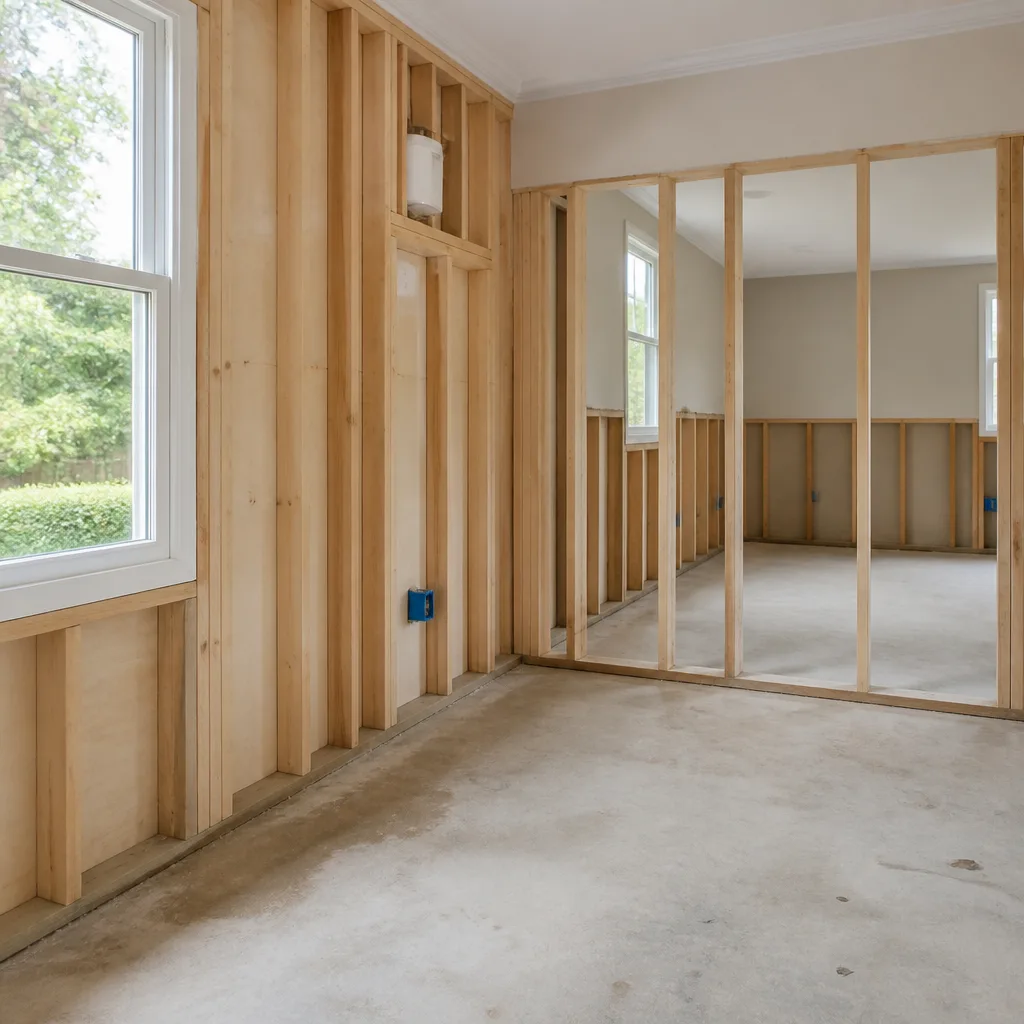
When a supply line freezes and splits inside a Cabazon wall cavity, the water often saturates insulation and framing before anyone notices. Our repair crews open the wall only to the extent the moisture map requires, remove the wet insulation, treat the framing with an antimicrobial where needed, and then rebuild with new insulation, drywall, and texture. In manufactured homes, we match panel sizes and trim profiles rather than forcing standard residential materials into a space they don’t fit.
Ceiling and Roof Leak Repair
Wind-stripped shingles and ice-dammed roof edges in Cabazon let water run down trusses and into ceiling drywall. We dry the ceiling cavity from above and below where possible, then repair the drywall and any damaged insulation. The same Injectidry system we use for subfloor drying gets placed against the ceiling to pull moisture out without cutting the whole thing down. That approach saves Cabazon homeowners from unnecessary demolition and keeps the repair bill aligned with the actual damage.
Water Mitigation in Cabazon
Water Mitigation in Cabazon is the emergency phase, the work that stops a water loss from becoming a mold and structural loss. It starts with emergency water extraction of standing water, whether that’s from a burst supply line, a failed water heater in a utility closet, or wind-driven rain that pooled inside the front door during a Santa Ana event. From there we set containment, place commercial dehumidifiers and air movers, and monitor the drying curve with daily moisture readings until the structure hits its documented dry standard. Mitigation in Cabazon typically runs $1,500 – $4,000 for a single-room event, and $4,000 – $8,500 when water spread through multiple rooms or into a low-clearance manufactured home belly board. The faster you call (844) 716-1094, the less water sits against framing and flooring, and the lower the final bill.
Structural Drying Without Unnecessary Demolition
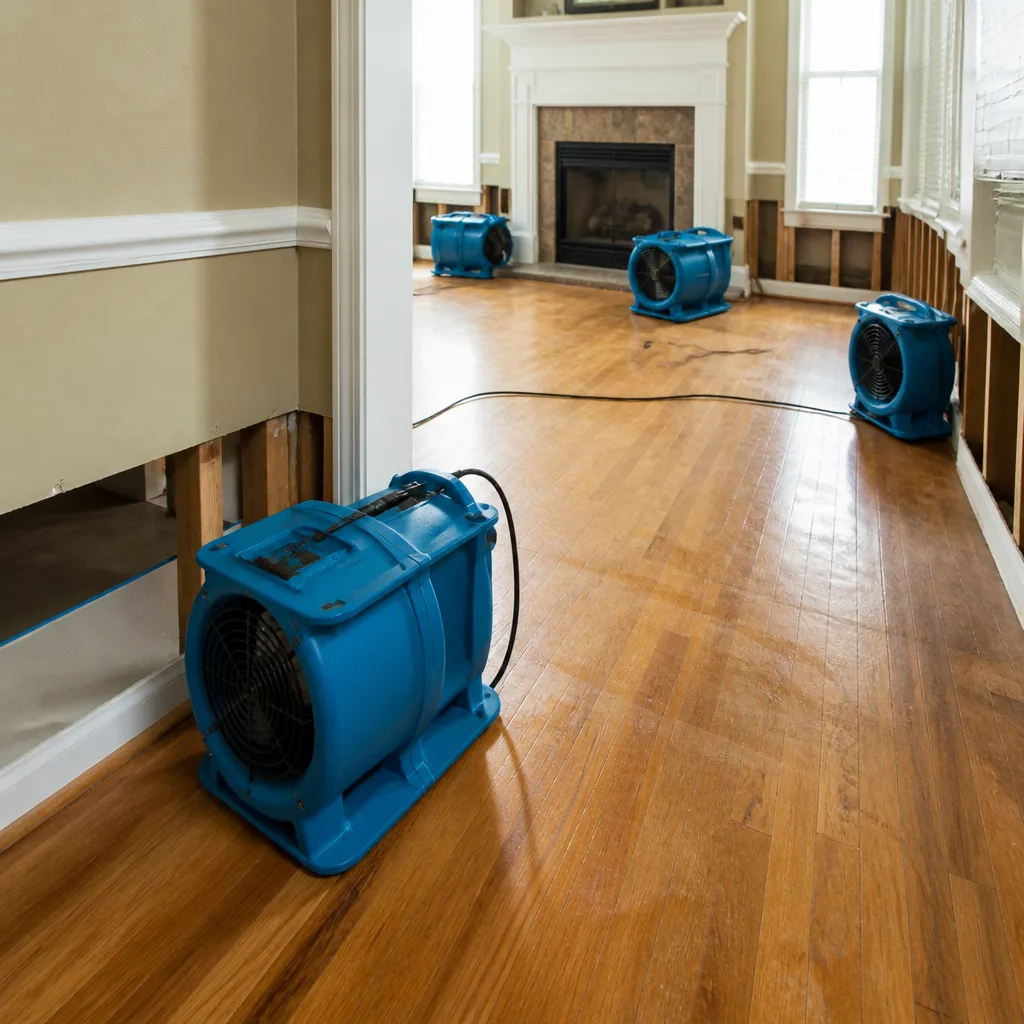
The difference between mitigation that saves a Cabazon home and mitigation that tears it apart comes down to equipment and training. Our Injectidry panels and mats force air through wall cavities and under flooring in a pressurized, controlled path, pulling moisture out through evaporation rather than cutting into every wet surface. In manufactured homes with low clearances and tight skirting spaces, that means we can often dry the subfloor and belly board without removing the entire skirting envelope. It’s slower than demolition in the short term, but far less disruptive and far less expensive to restore.
Containment and Mold Prevention
Cabazon’s dry heat doesn’t stop mold from forming after a water event. Within 48 to 72 hours of a category 2 water release into an enclosed wall cavity, mold spores can germinate on wet drywall, insulation, and wood framing, especially during the warmer months when daytime temperatures push 100 degrees inside an enclosed structure. Our mitigation crews set negative air containment on any affected area before we open walls or move materials, and we treat exposed framing with an EPA-registered antimicrobial. That’s the standard we follow on every job, from a small mobile home bathroom to a commercial storefront along the I-10.
Trusted Brands We Service in Cabazon
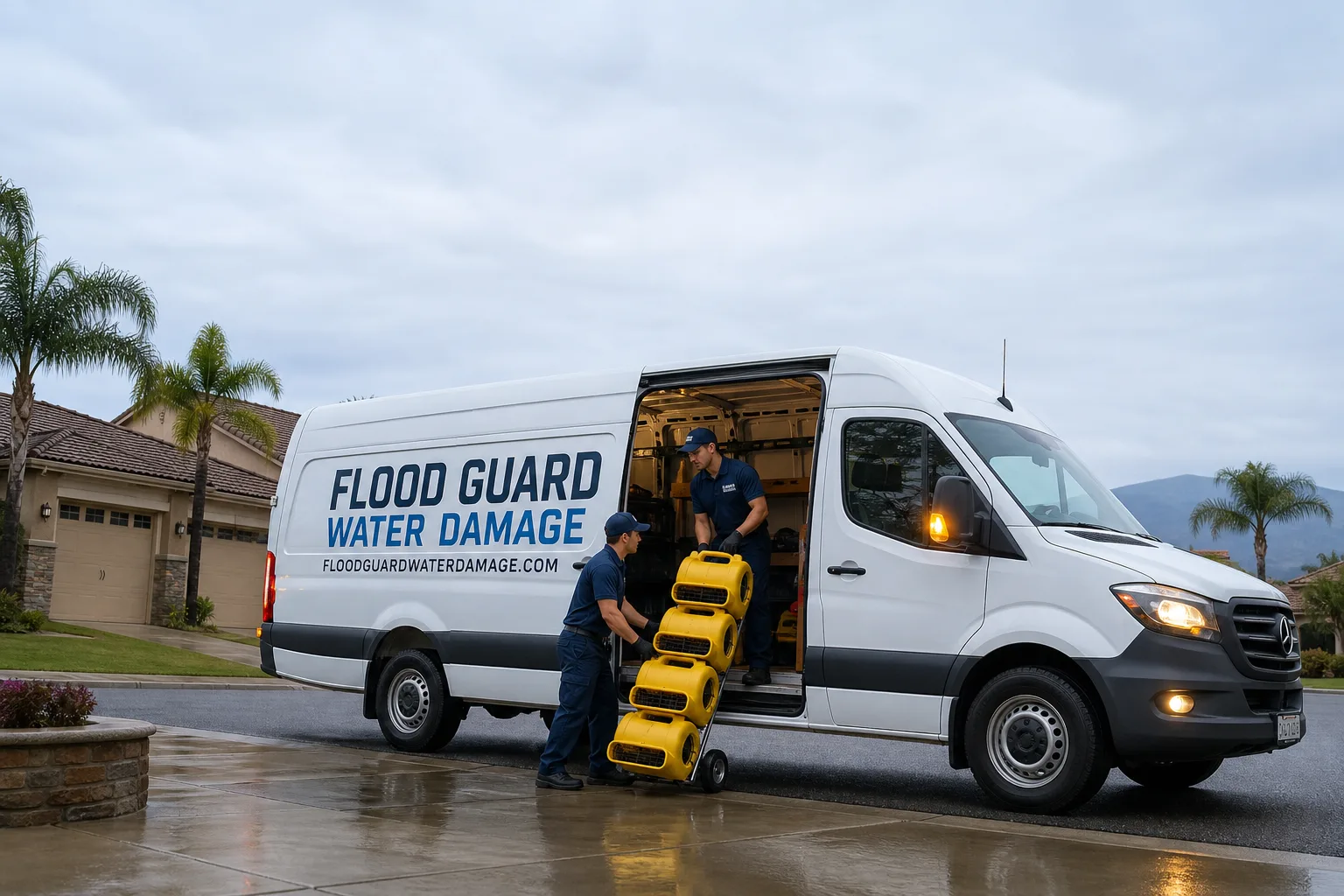
Cabazon homeowners trust their homes to Flood Guard Water Damage because we carry the equipment brands that commercial restoration teams use on large-loss jobs. Dri-Eaz dehumidifiers and LGR units, Phoenix air movers, XPOWER axial fans for targeted drying, B-Air filtration devices, and Injectidry panel systems are all on our trucks. What that means for a Cabazon customer is simple: the same drying technology that gets deployed to a flooded casino floor or a commercial warehouse in Riverside County shows up at your single-family home or manufactured home off Main Street. We don’t ask you to wait for parts or equipment to be delivered from a regional warehouse; the gear is on the truck when we arrive. Noel Ibarra keeps our inventory locked on the brands we trust because they produce the moisture readings and drying curves that insurance adjusters and property owners need to see.
See the difference
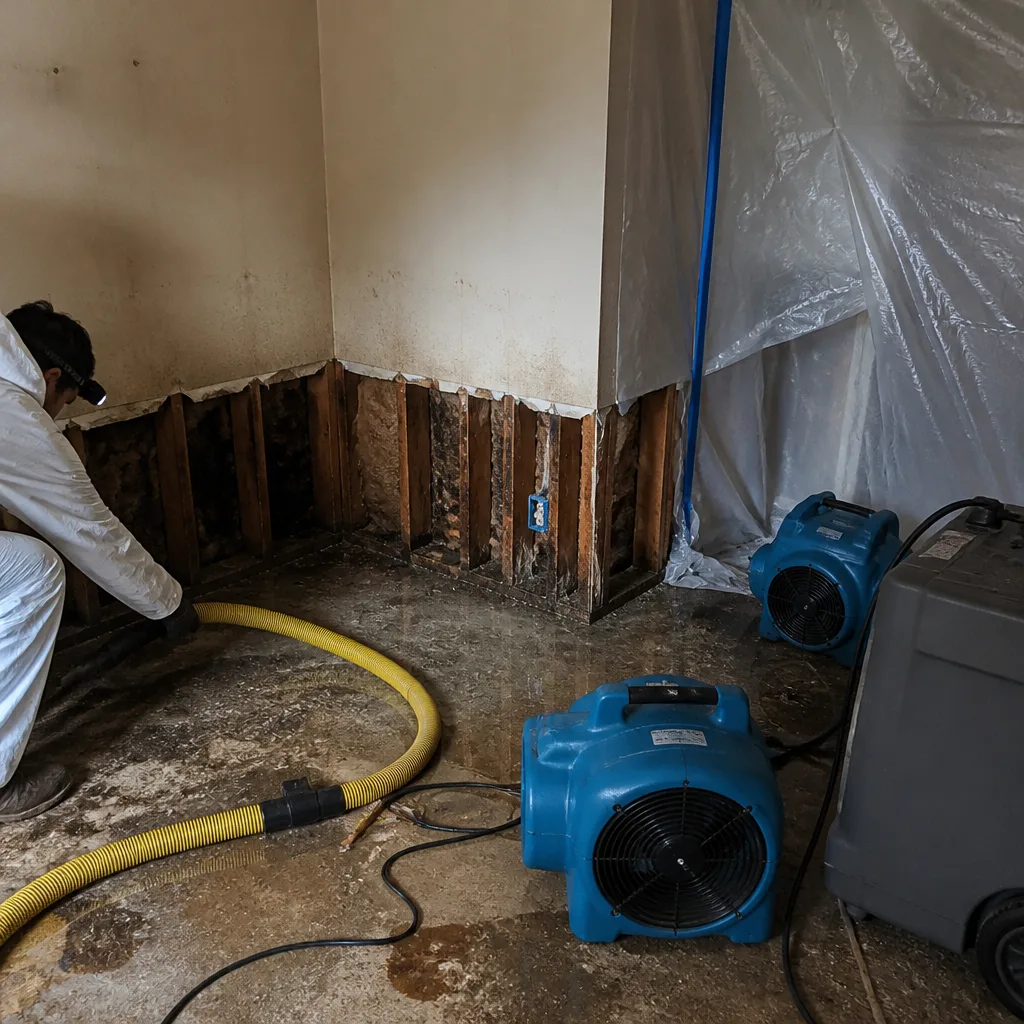 Before
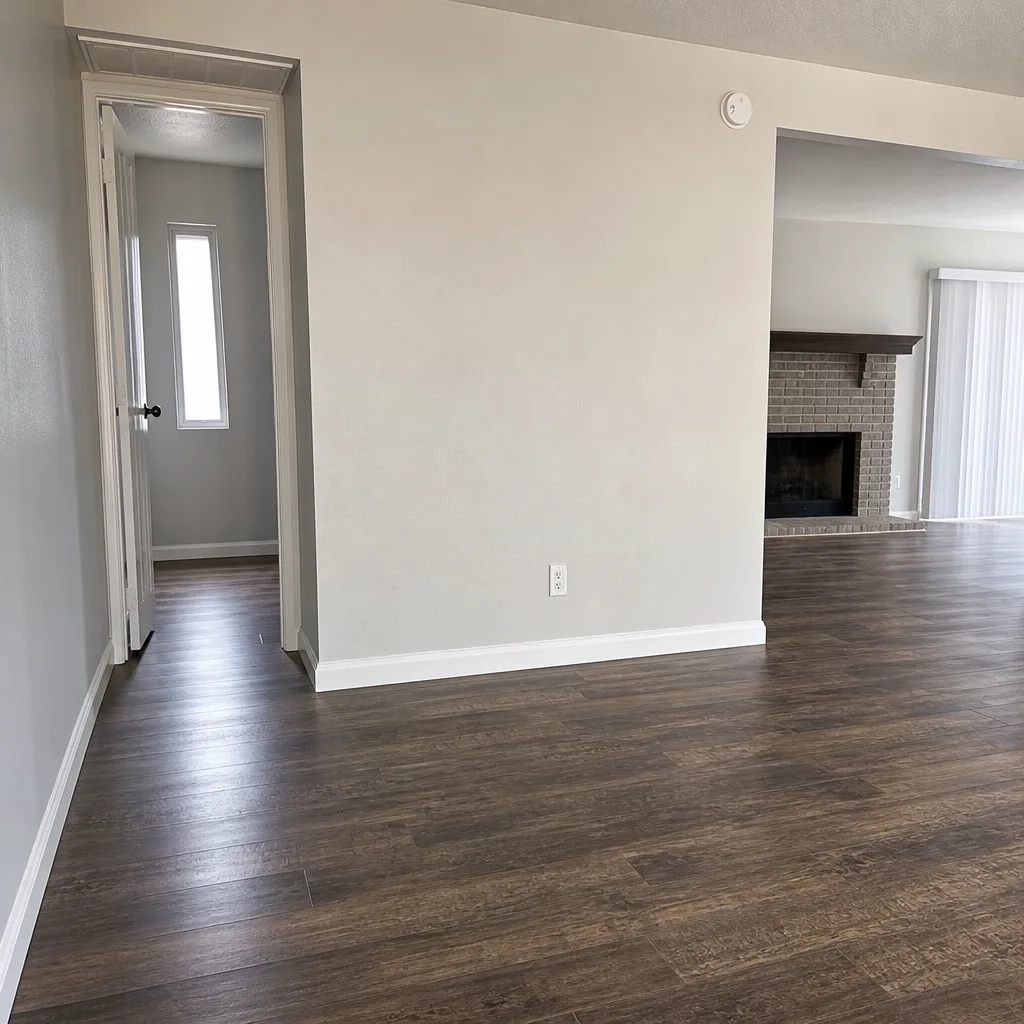 After
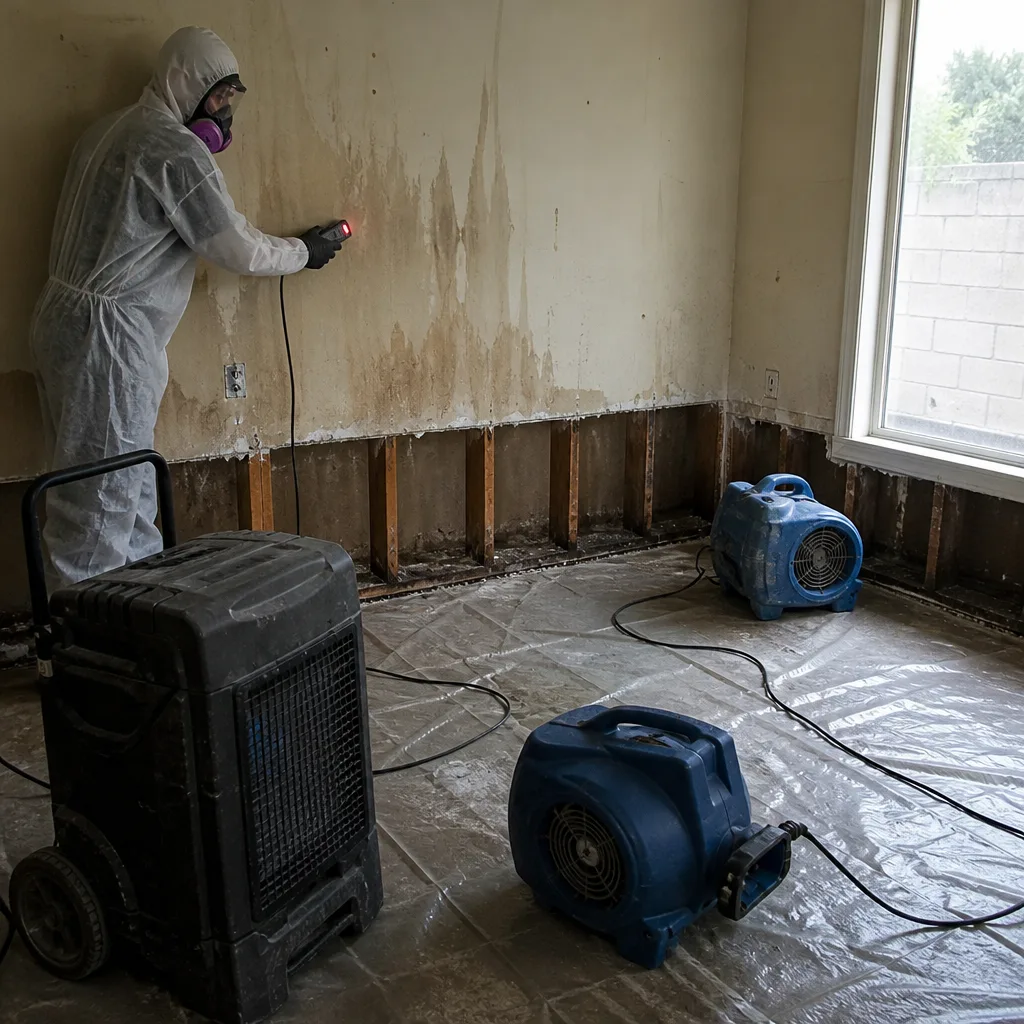 Before
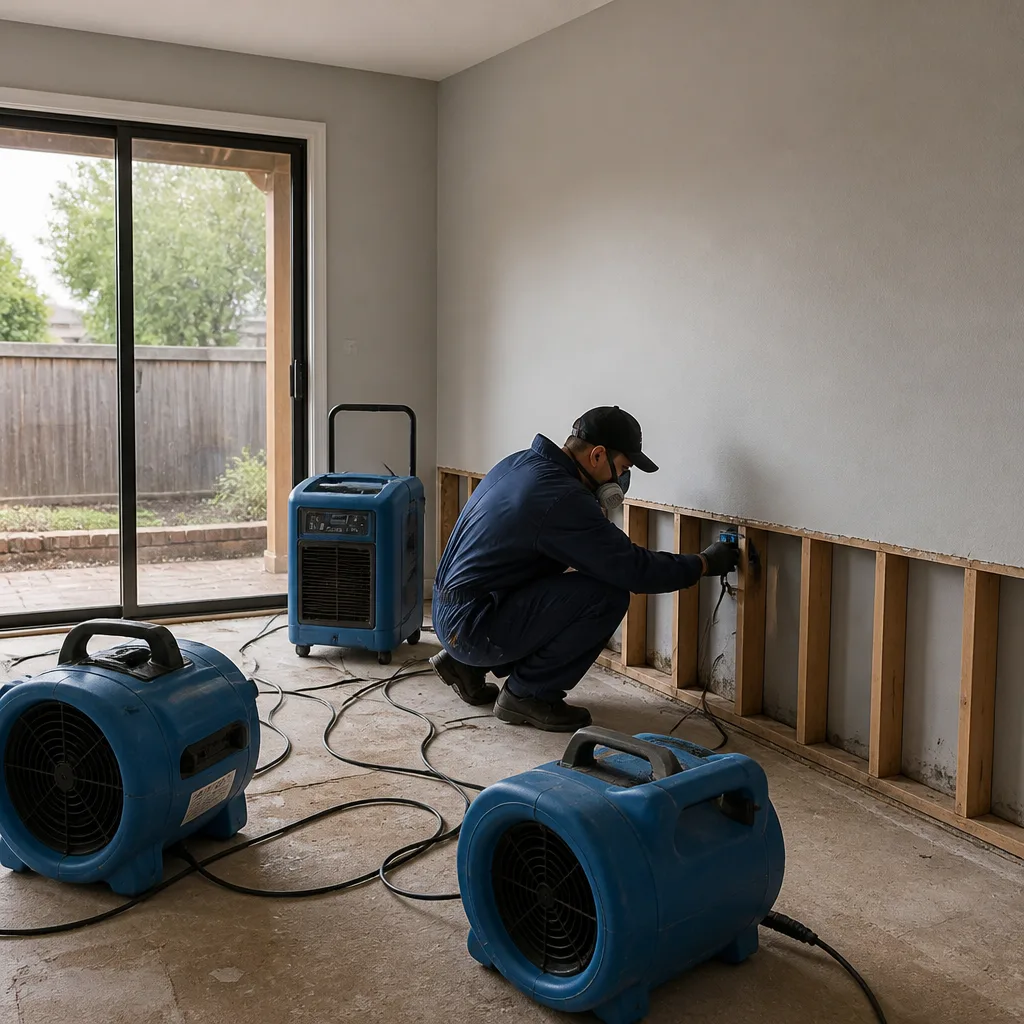 After
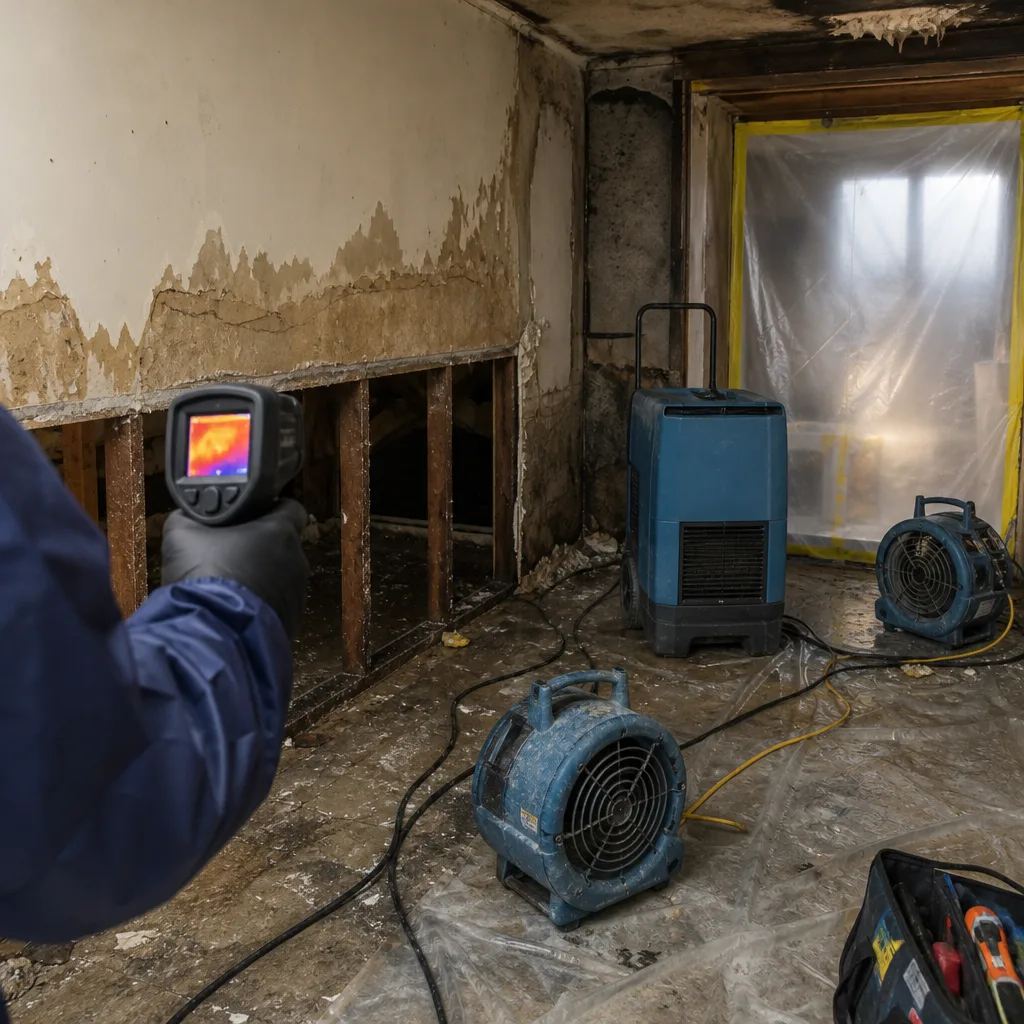 Before
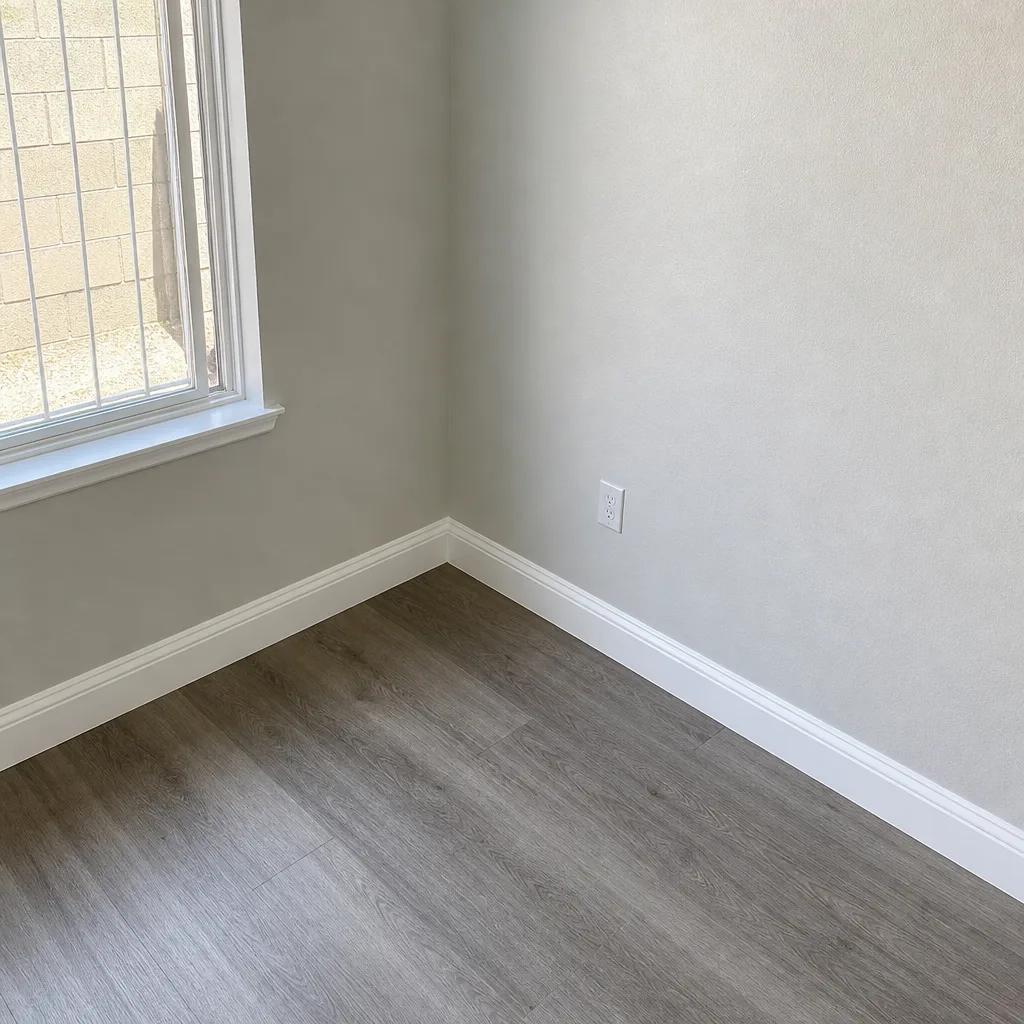 After
Common Water Damage Restoration Problems We See in Cabazon Homes
- Wind-driven rain intrusion misdiagnosed as a plumbing leak: During Santa Ana events, water forces its way through window and door seals and runs down inside drywall cavities. Homeowners and even some contractors assume a supply line failed, but the water pathway doesn’t match. We trace the moisture with thermal imaging and meters to find the real entry point. If the real source isn’t identified, the drying is incomplete and the moisture stays behind the wall.
- Manufactured home skirting and belly board moisture missed by standard meters: Low-clearance manufactured homes in Cabazon’s mobile home parks hide water under the skirting and inside the belly board where standard moisture meters can’t reach. Our techs use thermal imaging and penetrating moisture meters to map moisture in subfloor framing and insulation. Without that level of detection, subfloor rot progresses for months before anyone smells or sees the damage.
- Freeze-burst supply lines inside exterior walls: Cabazon’s winter nights drop below freezing often enough that older stick-built homes with poor insulation freeze supply lines in exterior walls. When they burst, the water soaks insulation and framing inside the wall cavity, and without containment and antimicrobial treatment, that category 2 water degrades the structure within 48 hours. We see this call pattern far more often in Cabazon than in the low-desert Coachella Valley cities to the east.
- Post-wind-event grit and debris clogging drains and downspouts: Blowing sand and fine desert grit accumulate against north and west facing walls and fill gutter runs after a big wind event. When the next rain arrives, the downspouts are clogged and water backs up against the foundation or pours over the fascia into the wall. We clear the drainage path as part of the mitigation so the water doesn’t return the moment we leave.
Pricing for Water Damage Restoration in Cabazon, CA
You deserve real numbers when you’re standing in a wet house. Emergency water extraction in Cabazon runs $500 – $1,200 depending on the square footage and how much standing water is present. Structural drying with containment and daily monitoring typically runs $1,500 – $4,500 for a single room, and $4,000 – $8,500 when water spread through multiple rooms or into a manufactured home’s belly board. Full water damage repair that includes drywall, insulation, baseboard, and paint work runs $1,200 – $3,000 for a single room and $2,500 – $5,500 for a full wall or ceiling replacement. The final number depends on the category of water, how far it traveled, and whether we can dry the structure with Injectidry rather than demo. Call (844) 716-1094 for a written estimate; the estimate is free and we’ll give you a scope of work before anything starts.
We Also Serve Cities Near Cabazon
Beyond Cabazon, our crews regularly respond to water damage calls in Water Damage Restoration in Cabazon neighboring communities along the I-10 corridor and up into the San Jacinto Mountains. We serve Banning to the west, Idyllwild and Idyllwild-Pine Cove up the hill, and Garnet to the east toward Palm Springs. If you’re in Cabazon proper or any of the surrounding unincorporated areas of Riverside County, we’re already familiar with the roads, the housing stock, and the wind patterns that shape the damage.
Serving Cabazon, CA — Our Local Coverage Area
We’re based in the Cabazon area and know this community well. Use the map below to see our service coverage — if you’re nearby, we can almost certainly help.
FAQs About Water Damage Restoration in Cabazon
Cabazon sits at roughly 1,800 feet elevation in the San Gorgonio Pass, so winter nights regularly drop below freezing when Palm Springs and the low-desert cities to the east stay in the 40s and 50s. That freeze exposure means burst supply lines and ice-dammed roof edges are recurring water damage call types here that valley restoration companies rarely see. Restoration here requires knowing how to trace moisture in insulated wall cavities and manufactured home belly boards that have been frozen and thawed repeatedly, and our drying plans account for that. Call (844) 716-1094 if you suspect a freeze burst in Cabazon.
We measure and trace rather than guess. Rain intrusion from a Santa Ana or pass wind event shows moisture patterns that start at the exterior wall, window, or door and spread inward, while a plumbing leak usually shows a pressure-fed stream from a supply line or a slow drip from a drain. Our techs use thermal imaging to find the cold spots and moisture meters to map the actual wet perimeter. In Cabazon, where wind-driven rain is commonly misdiagnosed as a leak, identifying the true entry point is the difference between a complete dry-out and a mold problem six weeks later.
In most cases, yes. The low-clearance space under a manufactured home is where water pools and soaks the belly board and subfloor, but standard drying equipment can’t access it. We use Injectidry mats and panels placed over the wet subfloor from above, pulling moisture out through the flooring rather than cutting down the entire skirting envelope. When we do need to access the crawlspace, we open the smallest section of skirting necessary, place drying equipment inside, and contain the opening. That approach preserves the home’s envelope and reduces repair costs significantly for Cabazon manufactured home owners.
A burst supply line in Cabazon that releases clean potable water into the structure is category 1 water at the source, but once it sits against drywall, insulation, and subfloor for more than 48 hours or mixes with dirt and building materials, it degrades to category 2. That means the affected materials must be removed or professionally dried and treated, and any porous materials that can’t be dried within the drying standard get removed. We document the category at the start of the job and treat the loss accordingly, which is what your insurance adjuster expects to see in the file.
Mold germination requires moisture, a food source, and temperatures between 40 and 100 degrees Fahrenheit. Inside an enclosed Cabazon wall cavity after a water event, those conditions are met within 24 to 48 hours in the warmer months, especially when the outside temperature pushes over 100 and the trapped moisture creates a humid microclimate. That’s why we treat any water loss that sat for more than a day as a potential mold event and set containment before we open walls. If you’ve had water sitting in a Cabazon home for two days or more, call us for a moisture assessment immediately.
Written by Noel Ibarra, Owner at Flood Guard Water Damage, serving Cabazon and the San Gorgonio Pass since day one.