 Water damage drying
 Fire & smoke cleanup
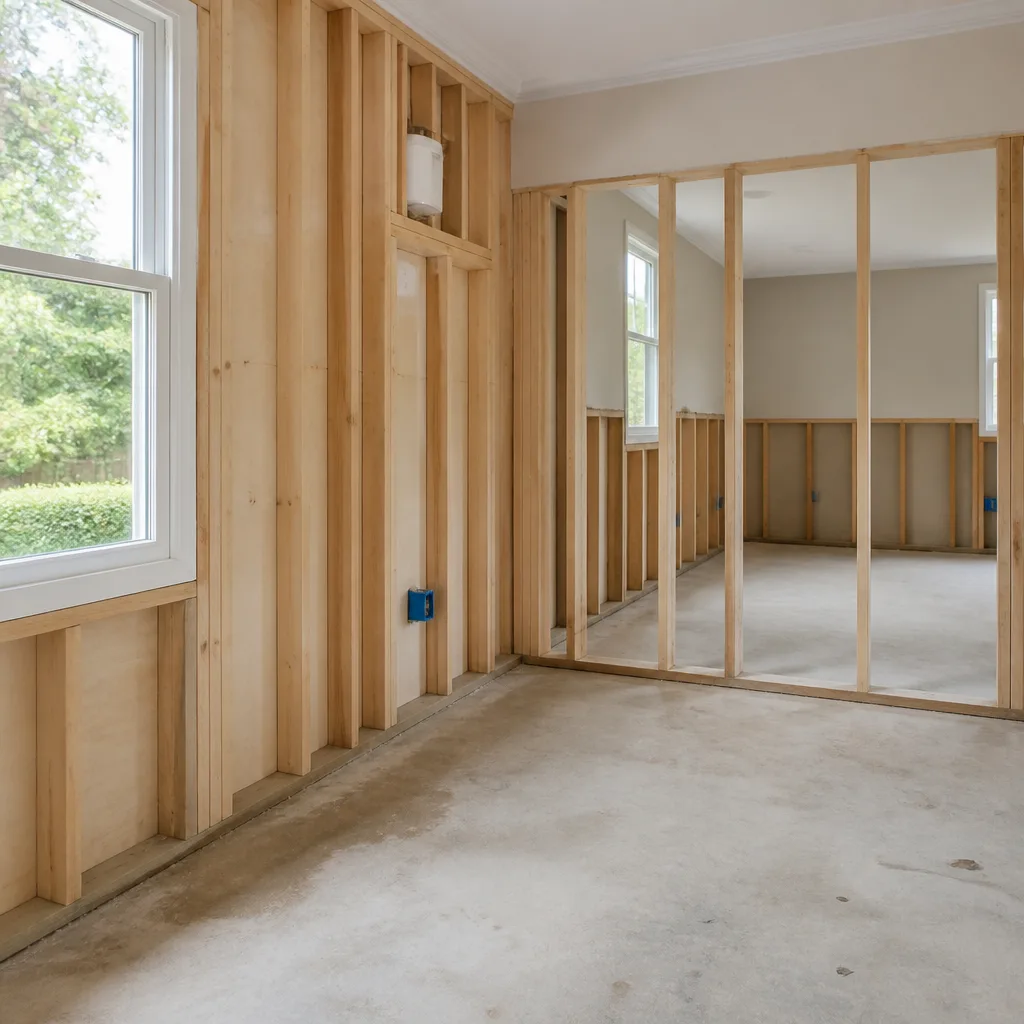 Mold remediation
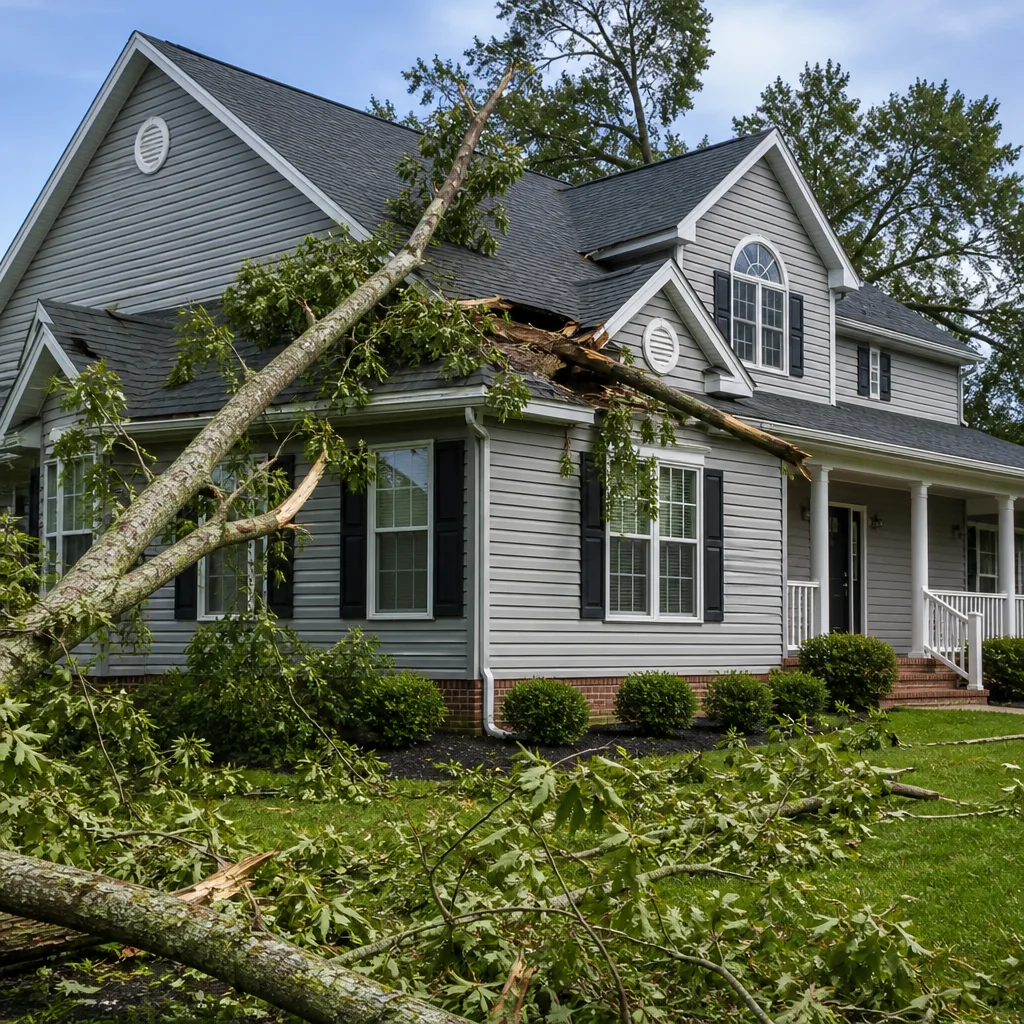 Storm response
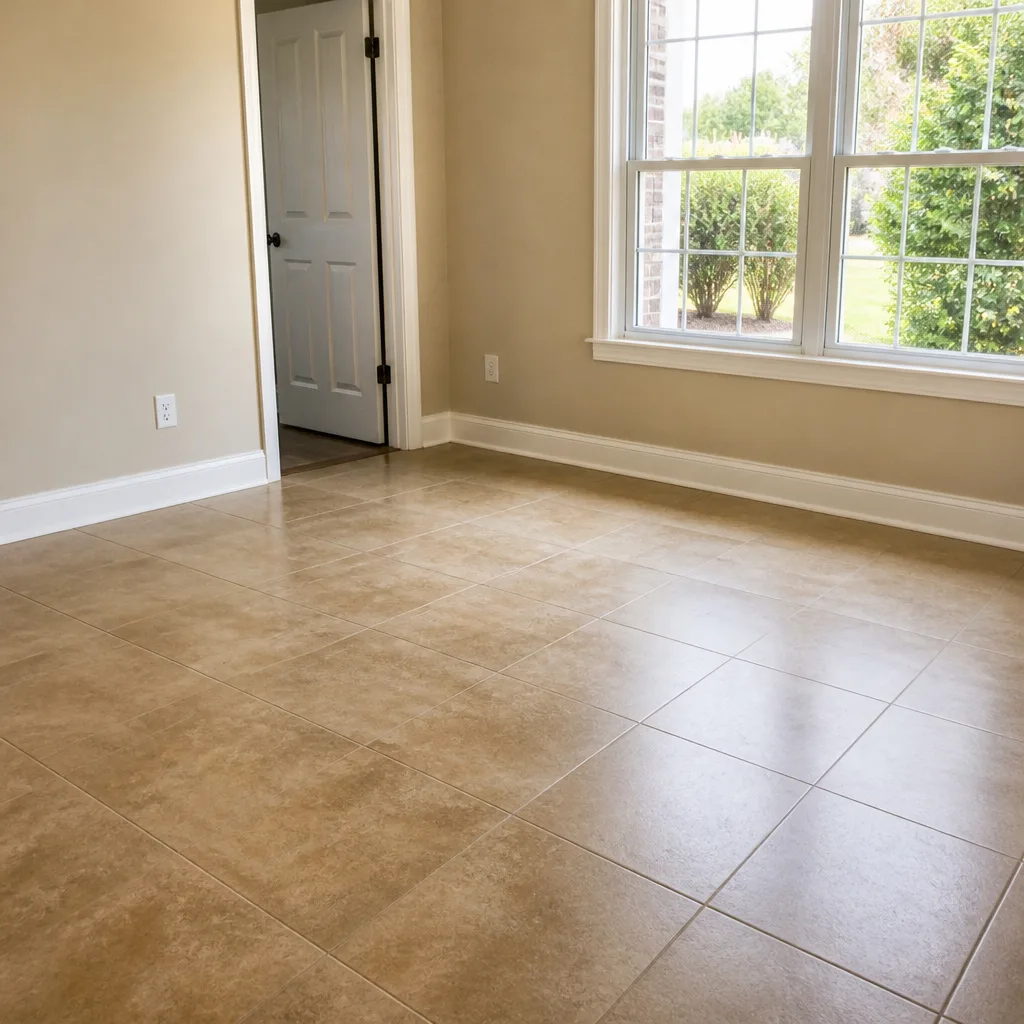 Sewage cleanup
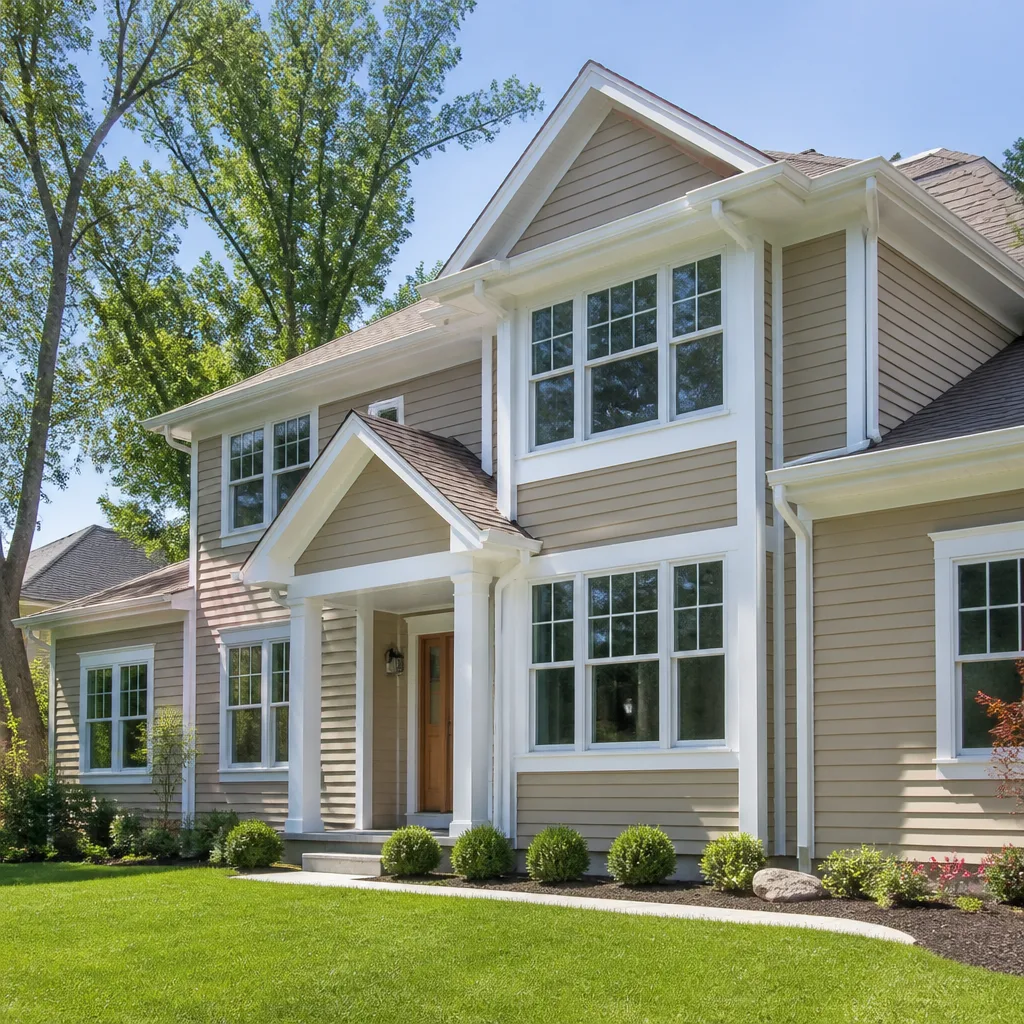 Reconstruction
Free visual inspection and a written scope of work before any mitigation begins - photos, moisture readings, and drying logs go in your claim file
The scope we write is the scope we bill. Anything new gets shown to you, in writing, before we touch it.
Get your free estimateFast, Reliable Water Damage Restoration Across Canyon Lake
When water is moving through a Canyon Lake home, every hour changes the scope of work. A slab leak under a 1980s lakefront house off Canyon Lake Drive North doesn’t wait for business hours, and neither do we. Flood Guard Water Damage runs IICRC-certified drying protocols with commercial-grade equipment, and we’re in Canyon Lake regularly because the lake itself creates damage patterns you won’t find ten miles inland. If water is where it shouldn’t be, call (844) 716-1094 now. We’ll talk you through what to do in the next ten minutes, then get a crew moving toward 92532.
Most Canyon Lake homeowners we meet have never dealt with a flooded lower level before. That’s normal. What matters is that the first crew on site measures moisture rather than guessing at it, and that’s the difference between drying a wall and rebuilding it later.
Why Flood Guard Water Damage Is Canyon Lake’s Preferred Water Damage Restoration Company
Canyon Lake isn’t a standard Riverside County job site. The gated community wraps around a private 400-acre lake, and homes built from the 1970s through the 1990s sit on graded slopes with stucco exteriors and wood-frame construction that holds moisture out of sight. Our Water Damage Restoration crews know that when a downhill-facing patio floods after a winter storm, the real problem is usually the rear retaining wall, not the roof. That local pattern recognition comes from running jobs here, not from a franchise playbook.
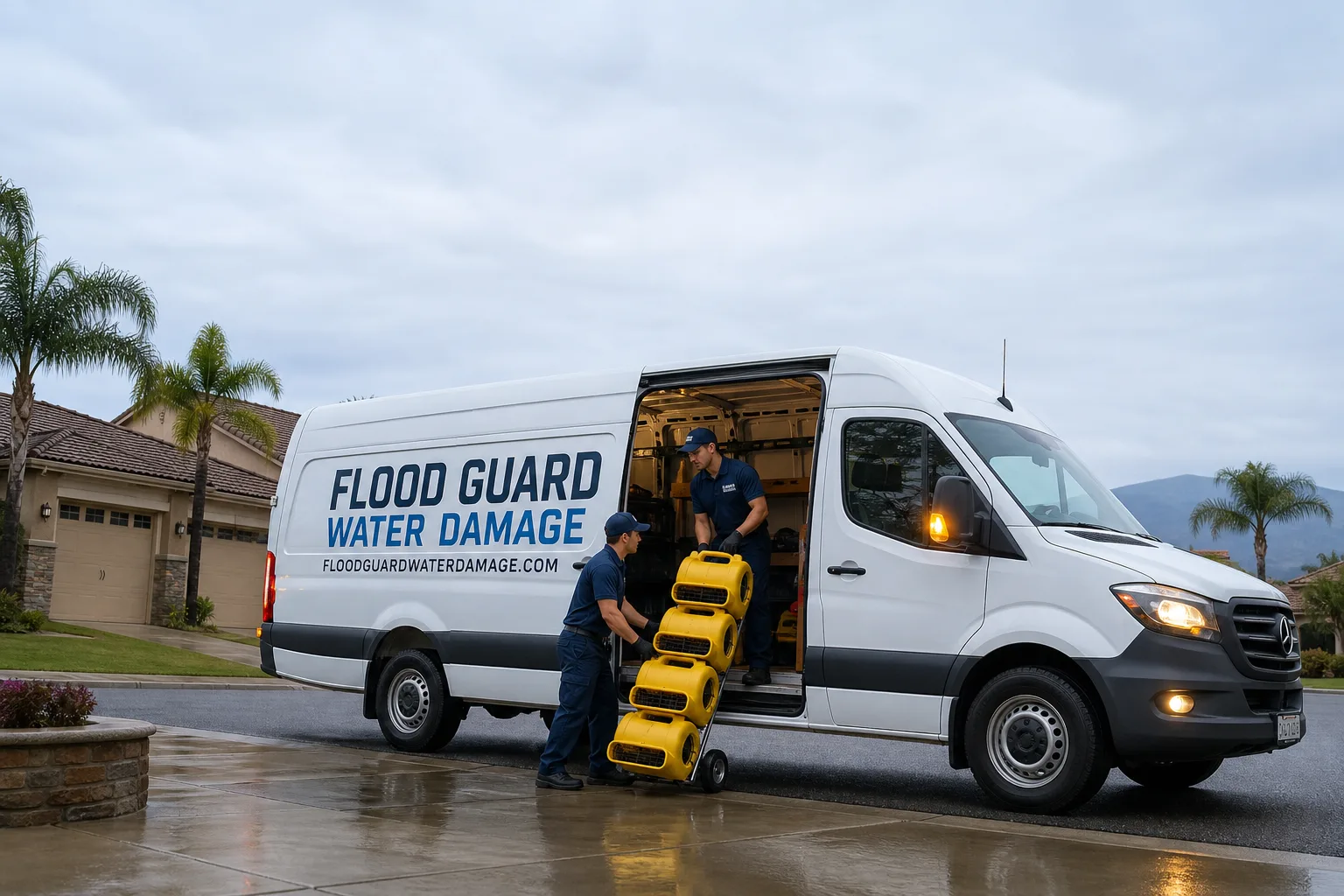
We carry the equipment that makes a measurable difference on Canyon Lake jobs: Dri-Eaz and Phoenix dehumidification, XPOWER air movers, and Injectidry systems for drying wall and floor cavities without automatic demolition. Homeowners in 92532 call us because the company that shows up with consumer-grade fans will miss what’s happening inside the wall assembly. We measure, document, and dry to pre-loss moisture readings, not to a schedule.
Our team is led by Noel Ibarra, and every Canyon Lake job follows IICRC-certified methodology. We hold active standing with the Restoration Industry Association (RIA) and IFA, which means our drying logs, containment procedures, and equipment choices get reviewed against industry standards, not internal shortcuts. When a Canyon Lake homeowner hands us a water-damaged lower level, they’re getting a documented process, not a promise.
Restoration work we handle
Emergency Water Damage Restoration in Canyon Lake
Emergency Water Damage Restoration in Canyon Lake usually starts the same way: a winter storm rolls in from the Santa Ana and Elsinore mountains, overwhelms hillside drainage, and a lower level or garage takes on water that has nowhere else to go. Or a slab leak on a lake-adjacent property finally surfaces through the flooring after weeks of elevated moisture. Either way, standing water needs extraction within hours, and the structure needs professional drying before mold establishes, which in Canyon Lake’s lake-humidity environment can happen in 24 to 48 hours.
Water Extraction and Containment
Standing water comes out first. We run truck-mounted extraction on flooded lower levels and carpeted spaces, then set containment so damp air doesn’t spread through the rest of the house. In Canyon Lake homes with stucco-over-wood-frame construction, we’re also checking sill plates and wall cavities at this stage, because water that wicked up behind stucco won’t show on a visual inspection. That’s what moisture mapping is for.
Structural Drying and Moisture Mapping
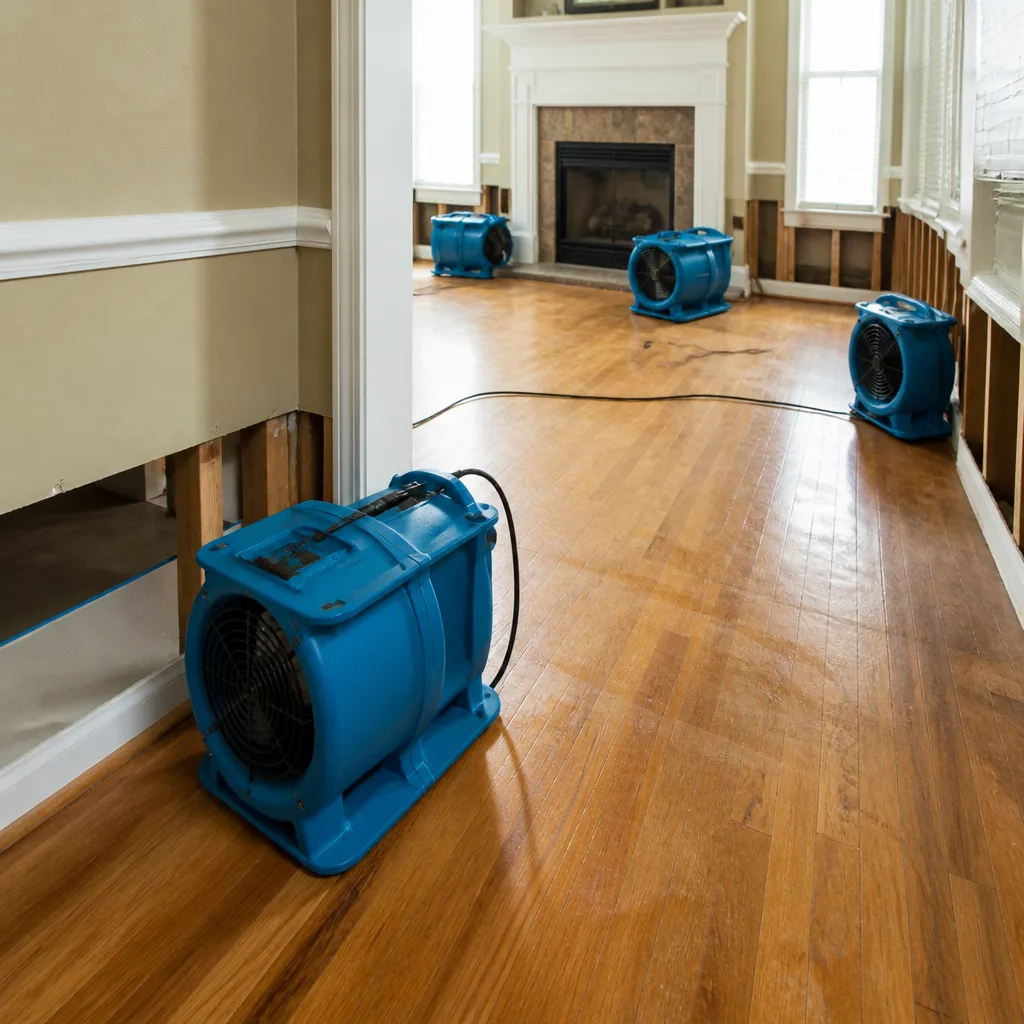
Drying a Canyon Lake house means drying the assembly, not just the carpet. We place Phoenix dehumidifiers and XPOWER air movers in a calculated layout, not a scatter pattern, and we take moisture readings inside wall cavities with penetrating meters. On hillside homes where runoff pooled against a rear retaining wall, we often run Injectidry mats inside the wall itself. Emergency water extraction and structural drying in Canyon Lake typically runs $2,800 to $5,600 depending on square footage, water category, and how far moisture moved through the assembly.
Water Damage Repair in Canyon Lake
Water Damage Repair in Canyon Lake is the rebuild phase that follows drying, and in this housing stock it’s rarely a simple drywall patch. Homes built in the 1970s through 1990s often have stucco exteriors that wicked moisture behind the surface, legacy single-pane sliders that failed at the sill, and baseboards that hid the first signs of a slab leak for months. Repair means opening what’s necessary, replacing what can’t be saved, and documenting everything so the final scope matches what the moisture readings actually showed.
Lower Level and Retaining Wall Remediation
When a rear retaining wall overflows into a downhill lower level, the water damage doesn’t end at the drywall. The sill plate, insulation, and wall cavity all need inspection. We remove saturated materials to the point of dry structure, treat what remains, and rebuild with materials that will dry properly if the same drainage failure happens again. Canyon Lake homeowners on sloped lots need drainage corrections baked into the repair, or the same wall floods next winter.
Kitchen and Bath Slab Leak Repair
A slab leak under a kitchen or bath reads differently in Canyon Lake than in Temecula. The lake acts as a permanent humidity reservoir, so moisture from a below-grade leak lingers longer and travels farther through the slab before anyone notices. Repair work often means opening the floor to access the leak, drying the slab with drying mats, then reinstalling flooring and cabinetry. Water damage repair in Canyon Lake ranges from $3,200 for a localized ceiling repair to $18,000 or more for a full lower-level rebuild with retaining wall corrections.
Trusted Brands We Service in Canyon Lake
Canyon Lake homes hold a mix of original 1970s-90s plumbing, fixtures, and building materials, and the hardware involved in a water damage job often needs replacement, not just cleaning. We stock common repair parts for Canyon Lake’s older housing stock and work directly with suppliers who carry the valves, sills, and drainage components specific to hillside lakefront construction. We service all major plumbing and fixture brands found in 92532 homes, and we order specialty parts same-day when a legacy component isn’t on the shelf. We’ve built our Canyon Lake parts inventory around what actually fails in this climate: the drainage hardware, slab plumbing, and wall-cavity assemblies that take the hit when lake humidity meets winter runoff.
See the difference
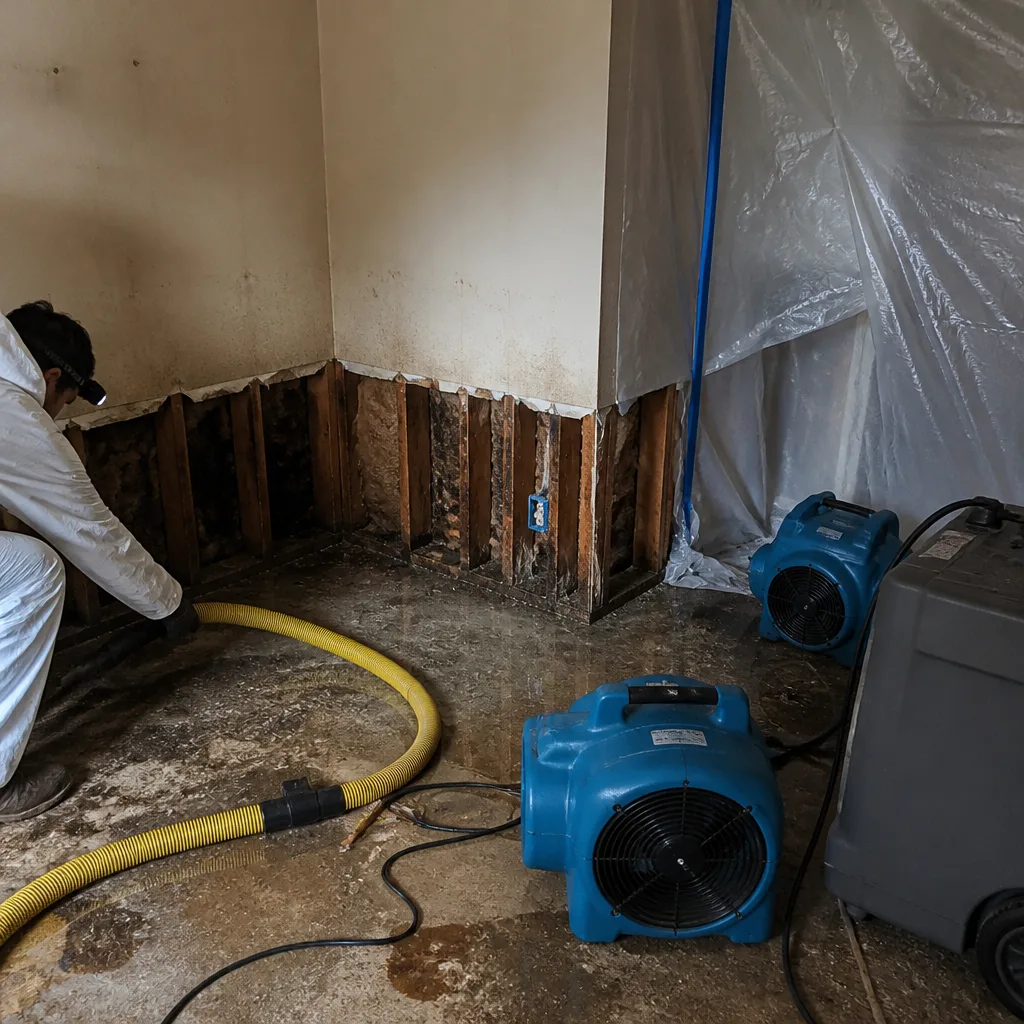 Before
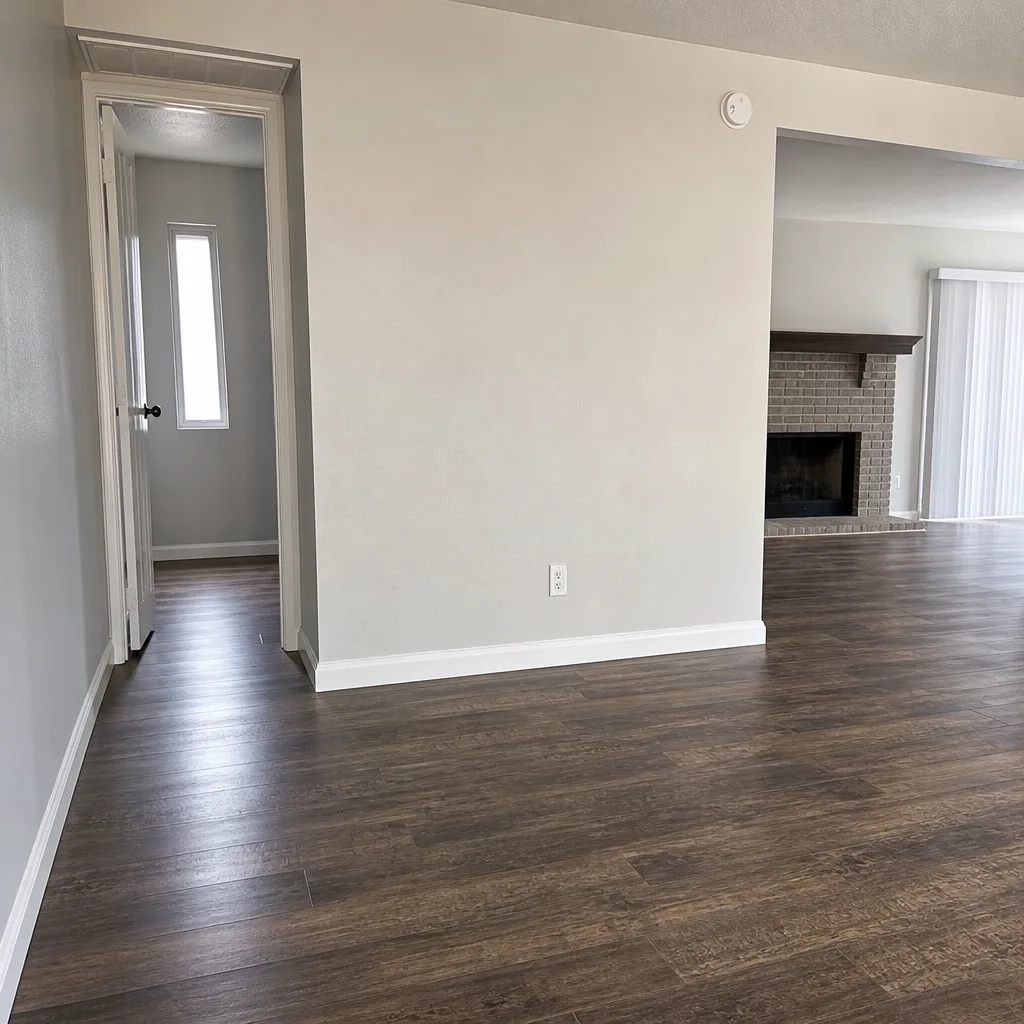 After
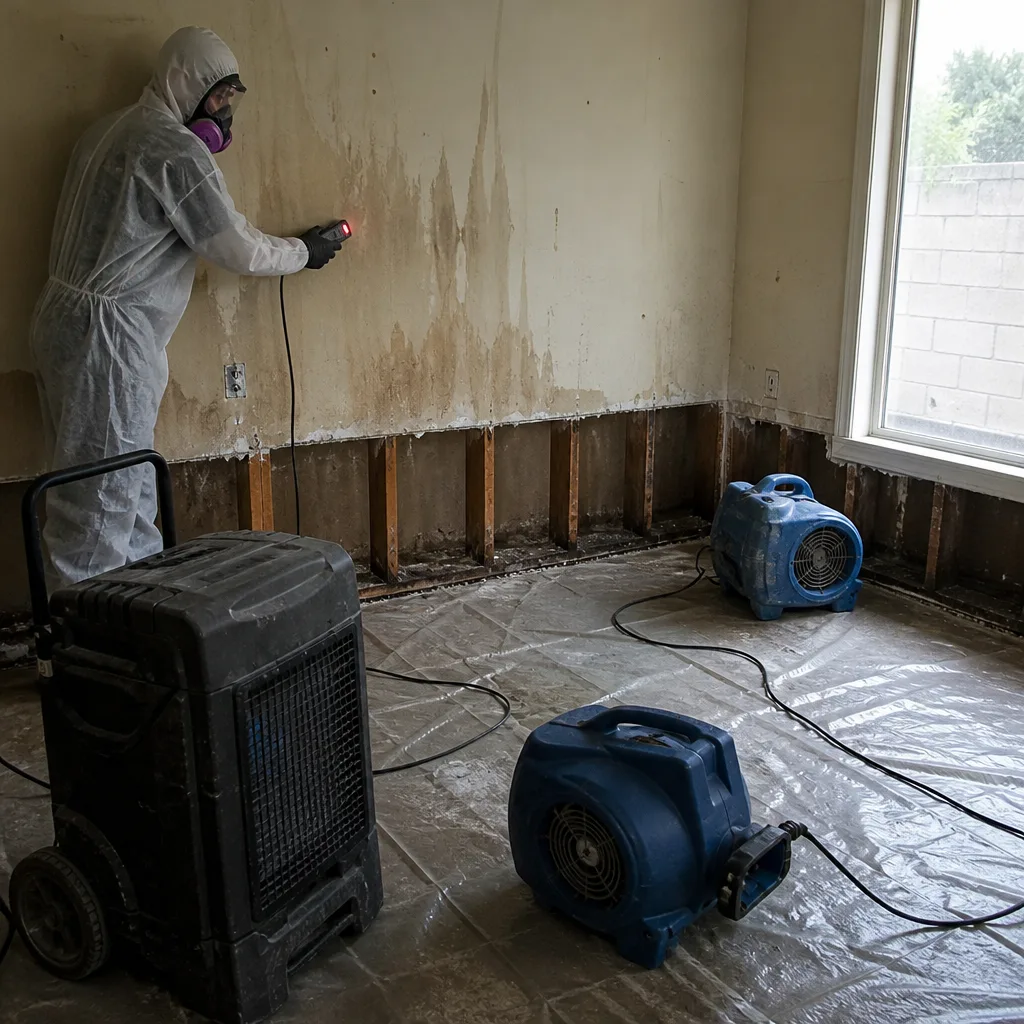 Before
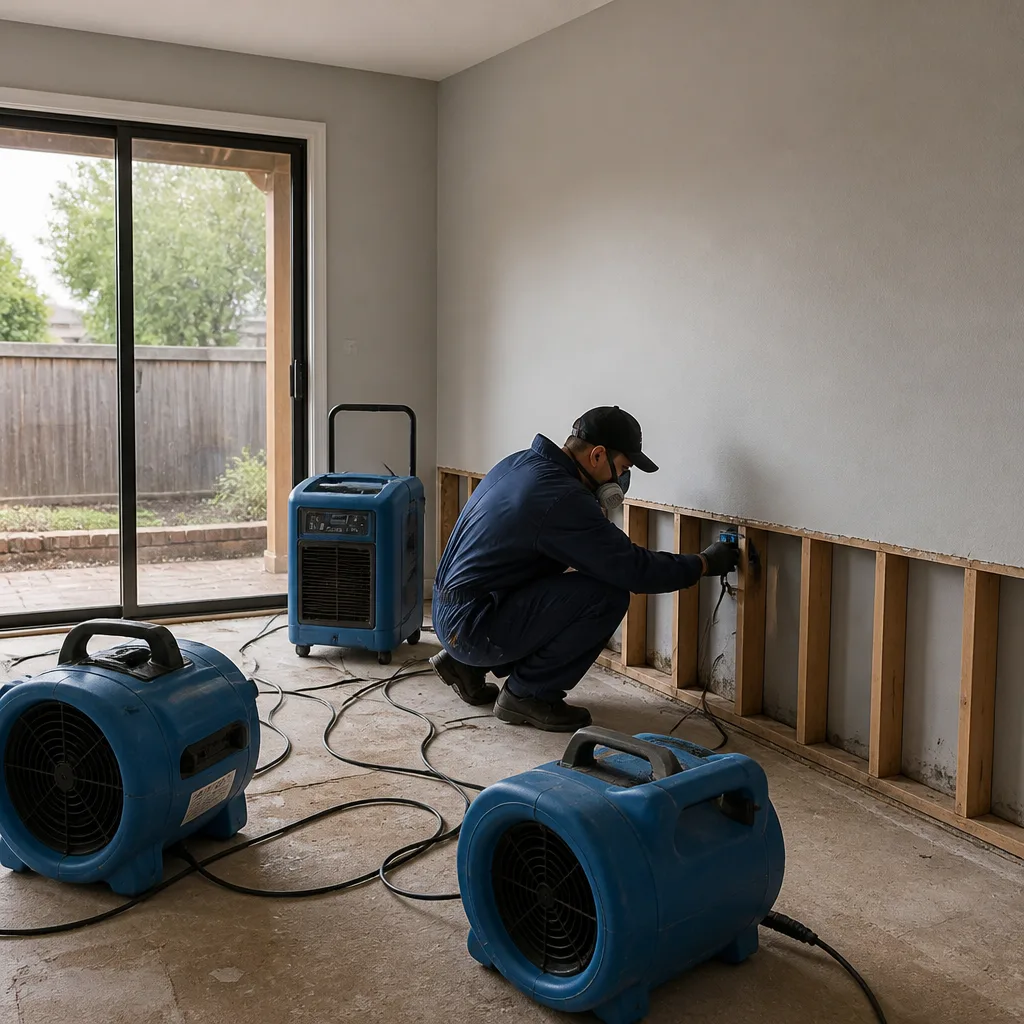 After
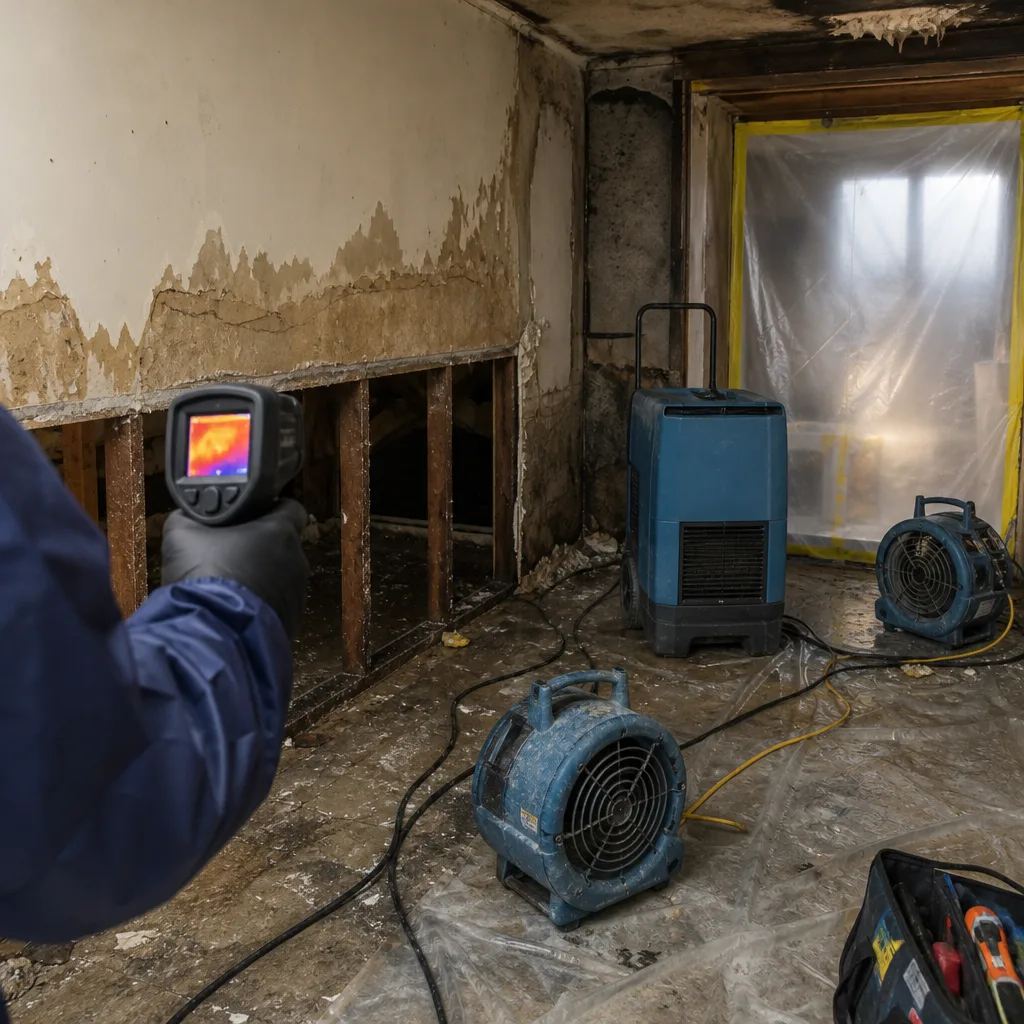 Before
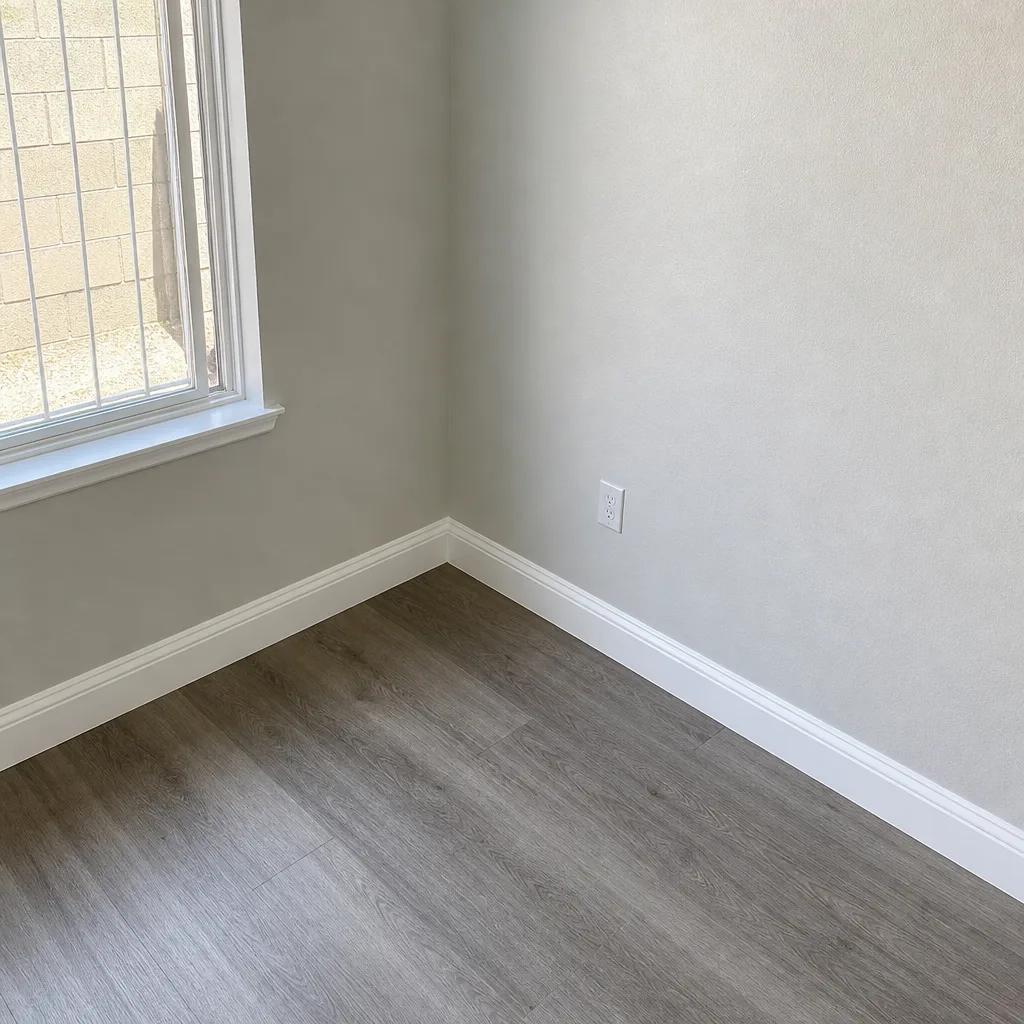 After
Common Water Damage Restoration Problems We See in Canyon Lake Homes
- Hillside runoff pooling against aging rear retaining walls. On steep lots above the lake, winter rain moves downhill fast and collects on downhill-facing patios. The lower level floods, and the homeowner assumes the roof leaked, but the real failure is the drainage behind the retaining wall. The drywall stays wet and mold takes hold within 48 hours if the wall cavity isn’t opened and dried.
- Lake-adjacent moisture making slab leaks harder to dry. Near-shore homes sit against a constant water source, so a slab leak that would dry out in a standard Riverside house keeps the slab and lower level damp for weeks. Surface drying isn’t enough; the slab and wall cavities need moisture mapping and below-grade drying with professional systems.
- 1970s-1990s stucco-over-wood-frame construction hiding wet assemblies. Canyon Lake was largely built as a planned resort subdivision, and the stucco exteriors look solid even when the wood frame behind them is saturated. Crews that skip cavity moisture readings will sign off on a scope that never addressed the wet assembly, and the homeowner finds out when mold shows up months later.
- Legacy single-pane sliders and older window sills failing at the bottom edge. We’ve seen Canyon Lake homes where the same wet zone kept reappearing years apart because a 1980s slider had failed at the sill and fed water into the wall assembly. Replacing the slider or reflashing the sill is part of the repair, or the same water damage returns with the next big storm.
Pricing for Water Damage Restoration in Canyon Lake, CA
Water damage restoration in Canyon Lake runs on a scope-of-work basis, and we put the numbers in writing before we start. Emergency water extraction for a single flooded lower level typically runs $2,800 to $5,600. Structural drying with containment and moisture mapping adds $1,500 to $3,200 depending on how far moisture moved. A full repair that includes drywall replacement, baseboards, flooring, and drainage corrections commonly lands between $6,500 and $18,000, with hillside retaining wall work pushing toward the higher end. Slab leak repairs that require opening a floor and drying the slab below grade start around $4,000. Every estimate is free, and every scope is written, so call (844) 716-1094 and we’ll walk the property before quoting anything.
We Also Serve Cities Near Canyon Lake
Flood Guard Water Damage runs crews throughout the Canyon Lake area, and we’re regularly in Meadowbrook, Sedco Hills, Lakeland Village, and Quail Valley. If you’re in a neighboring community and dealing with water intrusion, the same IICRC-certified process applies. For details on our full coverage area and what to expect, see Water Damage Restoration in Canyon Lake.
Serving Canyon Lake, CA — Our Local Coverage Area
We’re based in the Canyon Lake area and know this community well. Use the map below to see our service coverage — if you’re nearby, we can almost certainly help.
FAQs About Water Damage Restoration in Canyon Lake
It wasn’t the roof because the water came from the ground, not the sky. Canyon Lake’s steep lots drain toward downhill-facing patios and rear retaining walls, and when winter storm runoff overwhelms the drainage behind those walls, water pools at the exterior wall and enters at the sill plate. The water you saw on the lower level floor was runoff that had nowhere else to go. The fix starts with drying the lower level assembly, then correcting the drainage behind the retaining wall so it doesn’t repeat. Call (844) 716-1094 and we’ll trace the actual water path, not assume a roof leak.
Yes. The lake keeps the soil and air around near-shore homes wetter than inland Riverside, so moisture from a slab leak doesn’t dissipate on its own. The slab and lower level stay damp longer, and the water travels farther through the concrete and wall cavities before anyone sees it. Drying a Canyon Lake slab leak requires below-grade drying mats and moisture mapping across the slab, not just running fans on the surface. The drying protocol is different because the environment is different, and signing off on a slab that’s still wet underneath means mold inside the floor assembly.
We measure, we don’t guess. Penetrating moisture meters go into the wall cavities at multiple points, and we track readings over the drying period until they return to the pre-loss baseline for that material. On Canyon Lake’s stucco-over-wood-frame homes, visual inspection is meaningless because the stucco hides what’s happening behind it. We also use thermal imaging to find the cool, wet zones inside the wall before we open anything, so the scope of demolition matches the actual water damage rather than a contractor’s habit of opening everything. The drying logs are yours to keep.
It has to come out. Storm water that has run across the ground, through a retaining wall, or over a patio is Category 2 water, sometimes Category 3 if it picked up sewage or lake sediment. That water carries contaminants, and drying it into the structure means drying those contaminants into your home’s building materials. We extract the water, remove the affected porous materials that can’t be cleaned, disinfect the remaining surfaces, and then run structural drying on what’s left. The answer is not to dry dirty water in place; it’s to remove it, clean the assembly, and dry what remains.
Mold can establish in 24 to 48 hours in Canyon Lake’s lake-humidity environment, faster on organic materials like drywall paper, carpet pad, and wood framing. That’s why extraction and drying start immediately, not after an insurance adjuster visits. Our mitigation scope always includes a mold prevention component: we contain the affected area, dry the structure to pre-loss moisture, and document the readings so you and your adjuster both see that the work was done correctly. If we find existing mold growth during mitigation, that becomes a separate written scope with remediation protocols. The line between water damage and mold damage is measured in hours, and we treat it that way.
If you’re dealing with water in a Canyon Lake home, don’t wait for the moisture to spread. Call (844) 716-1094 for a free estimate and a written scope of work before anything gets opened up. We serve all of 92532, from the lakefront properties off Canyon Lake Drive North to the hillside homes on the slopes above the water.
Written by Noel Ibarra, owner at Flood Guard Water Damage, serving Canyon Lake and the surrounding Inland Empire communities.