Last updated October 30, 2026
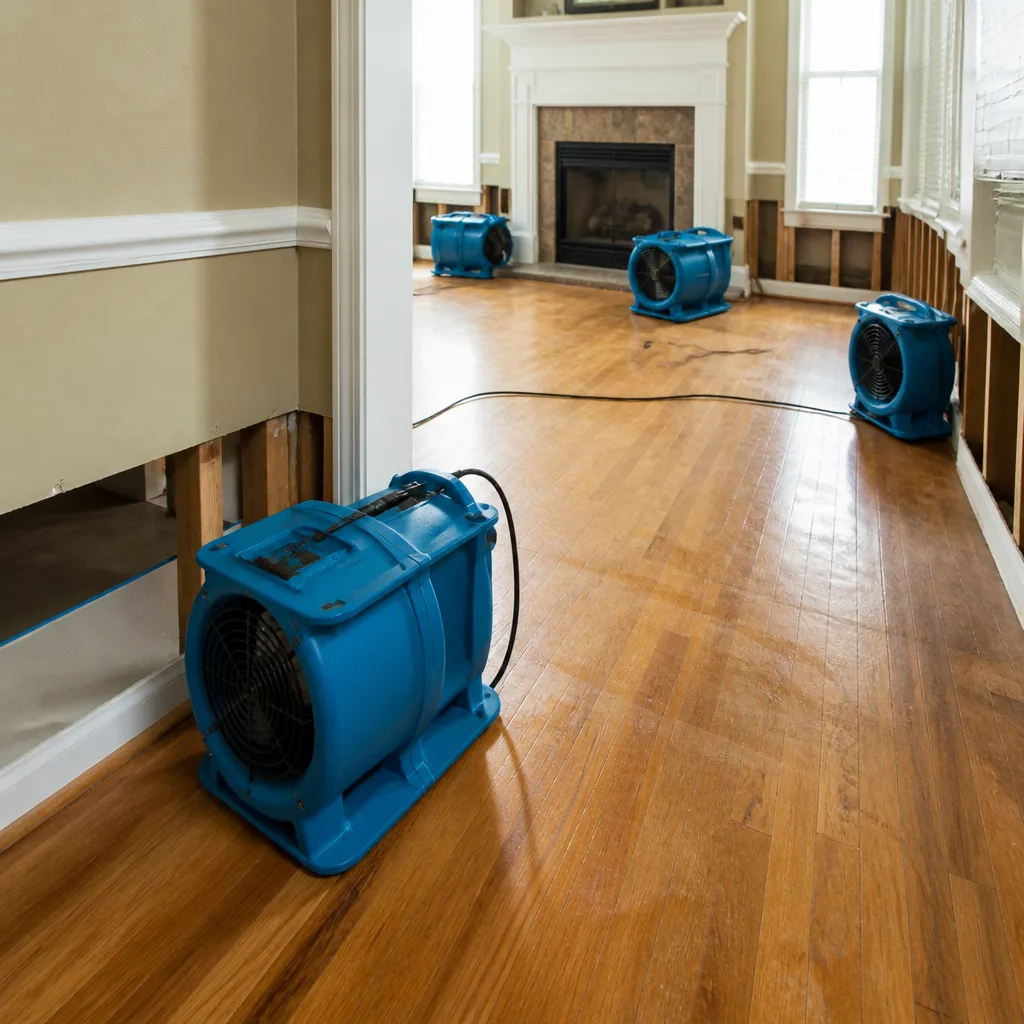 Water damage drying
 Fire & smoke cleanup
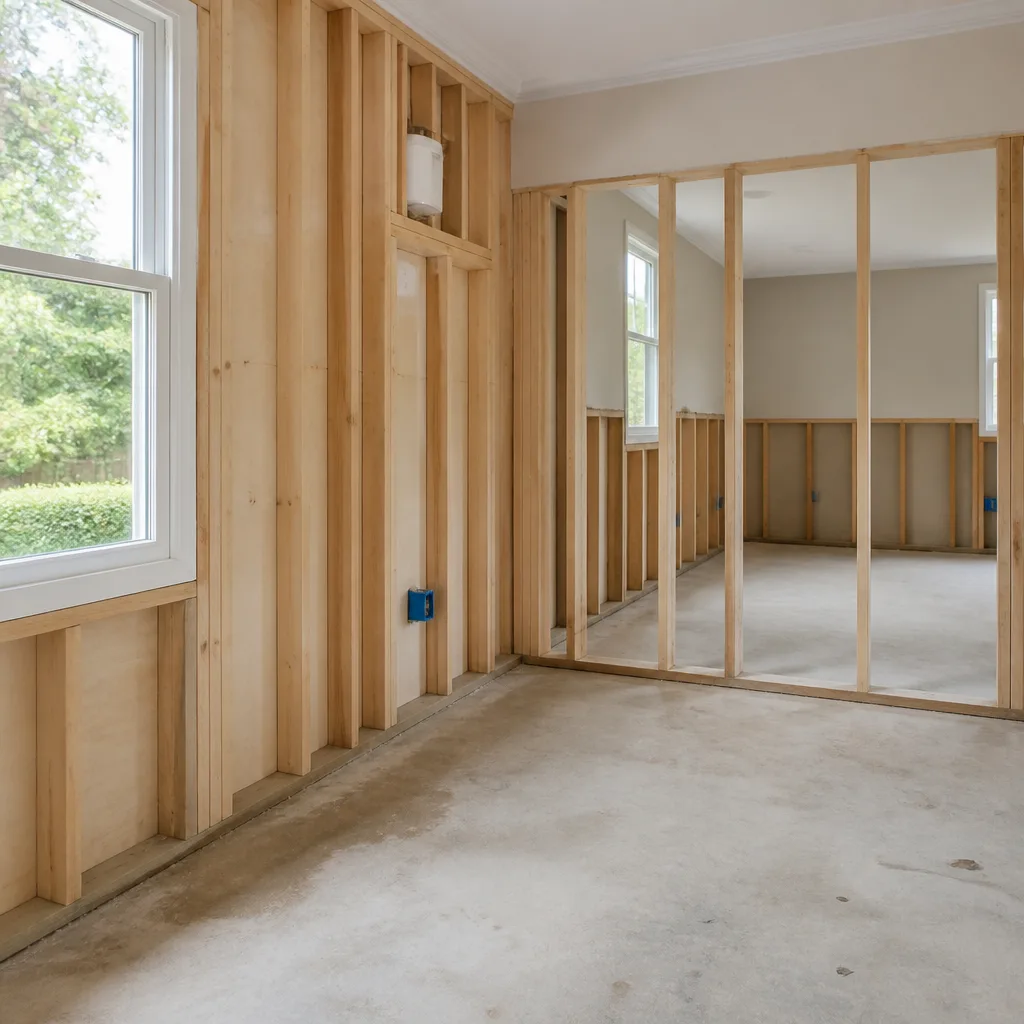 Mold remediation
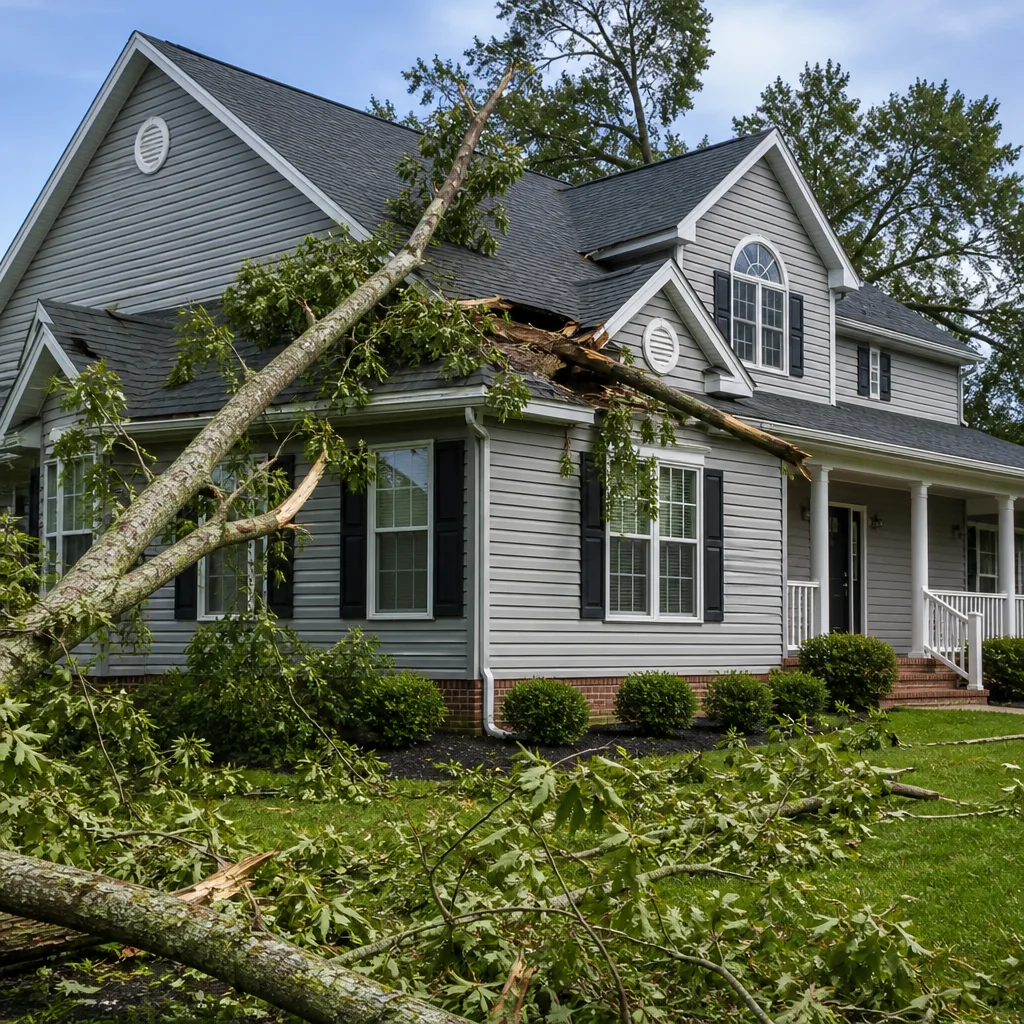 Storm response
 Sewage cleanup
 Reconstruction
Free visual inspection and a written scope of work before any mitigation begins - photos, moisture readings, and drying logs go in your claim file
The scope we write is the scope we bill. Anything new gets shown to you, in writing, before we touch it.
Get your free estimateThe Complete Guide to Damage Restoration in Rancho Cucamonga
Most homeowners think restoration is done when the fans are gone. Moisture trapped behind drywall at 19% or higher will grow mold within 48 – 72 hours, and no fan on the truck fixes that if it was never measured. In Rancho Cucamonga, where Santa Ana winds can drop outdoor humidity to single digits and fool moisture meters into reporting false “dry” readings, this mistake happens more often than you’d believe. This guide — along with The Complete Water Damage Restoration Guide for Rancho Cucamonga Homeowners — walks you through every phase of professional damage restoration, from the first moisture reading to the final clearance test, so you understand what’s actually happening inside your walls, under your floors, and behind your baseboards.
Quick Answer
Professional damage restoration in Rancho Cucamonga follows a sequenced process governed by the IICRC S500 Standard: emergency extraction and containment, structural drying with commercial-grade equipment, antimicrobial treatment where needed, and post-drying verification using moisture meters and clearance documentation. Legitimate restorers measure moisture levels in materials, document readings at every phase, and won’t declare a structure dry until readings fall below established thresholds. Skipping any phase, especially verification, is how hidden mold and rot show up months after a “completed” job.
Restoration work we handle
Table of Contents
- Phase One: Emergency Response and Water Extraction
- Phase Two: Containment and Source Identification
- Phase Three: Structural Drying and Dehumidification
- Phase Four: Antimicrobial Application and Mold Prevention
- Phase Five: Clearance Testing and Documentation
- Why Rancho Cucamonga’s Climate Changes Drying Calculations
- Category 1, 2, and 3 Water: Why It Changes Everything
- Common Mistakes to Avoid
- When to Call a Professional
- Frequently Asked Questions
Phase One: Emergency Response and Water Extraction
Water damage restoration in Rancho Cucamonga starts the moment water stops being where it belongs. The first 24 hours matter because water migrates. It travels through drywall, wicks up into baseboards, seeps under vinyl plank flooring, and saturates insulation. A slow toilet leak in a Rancho Cucamonga bathroom can travel through wall cavities and show up as buckling laminate in a hallway 15 feet away.
Professional extraction uses submersible pumps and truck-mounted or portable extraction units rated for hundreds of gallons per minute on standing water. After bulk water is removed, technicians move to extraction wands that pull water from carpet, pad, and hard surfaces under vacuum pressure. This is not a shop vac situation. The difference between consumer-grade extraction and commercial extraction is measurable in gallons left behind, and gallons left behind are gallons that extend drying time by days.
At this phase, a restorer following IICRC-certified methodology documents everything: where water entered, where it traveled, what materials absorbed it, and the initial moisture readings. That documentation becomes the baseline for the entire project. Without it, no one can prove the structure actually dried.
What Equipment Gets Used in Phase One
- Submersible pumps for standing water over 2 inches deep
- Truck-mounted extraction units for high-volume water removal
- Portable extraction wands for carpet, pad, and hard surface water removal
- Moisture meters to establish baseline readings before drying begins
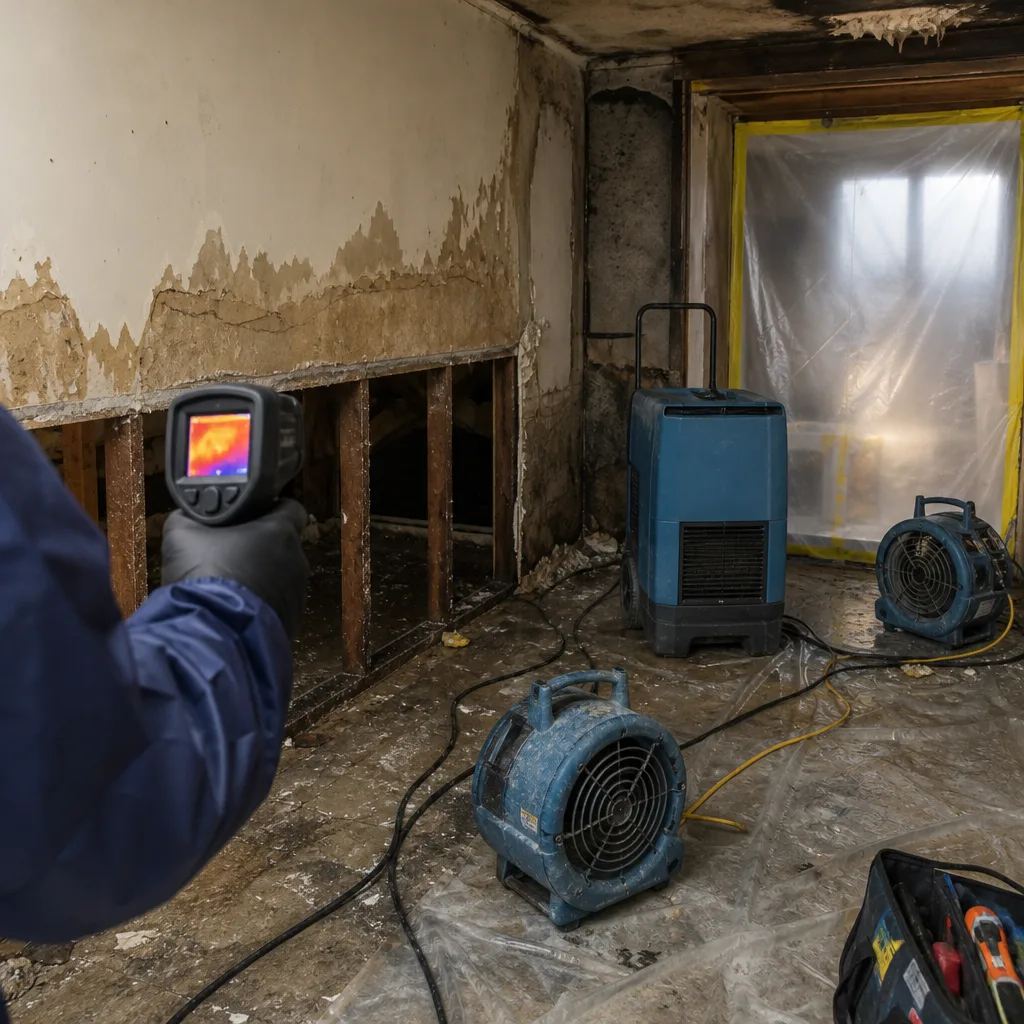
- Thermal imaging cameras to map water migration behind walls and under flooring
If a crew shows up with only a shop vac and some box fans, you’re not getting professional restoration. You’re getting a cleanup that will likely become a mold problem later. The water damage restoration process we use in Rancho Cucamonga follows the same phased approach used on commercial losses, because your home’s structure doesn’t care whether the water came from a broken supply line or a burst pipe.
Phase Two: Containment and Source Identification
Before drying can begin, the water source has to be stopped and the affected area contained. Source identification sounds obvious, but in practice it’s where untrained contractors make expensive mistakes. A wet ceiling under a bathroom could be a toilet flange leak, a shower pan failure, a supply line pinhole, or condensation from an uninsulated duct. Each has a different fix, and if the actual source isn’t addressed, the drying phase is wasted effort.
Containment serves two purposes: it prevents cross-contamination to unaffected areas and it creates a controlled drying chamber. For Category 2 or 3 water losses (more on categories below), containment involves plastic barriers and negative air pressure to keep contaminants from spreading through the HVAC system and into other rooms. In Rancho Cucamonga homes with open floor plans, proper containment can be the difference between drying 400 square feet and drying 2,000 square feet.
This is also when restorers make material decisions. Carpet pad that’s saturated with Category 1 water from a supply line can often be extracted and dried. Pad saturated with Category 3 water gets removed and disposed of. Drywall that’s wicked moisture 12 inches up the wall might be salvageable with Injectidry technology. Drywall saturated through with contaminated water gets cut. These decisions require knowledge of the IICRC S500 Standard, not a guess.
- Stop the water source: shut off supply lines, fix the leak, or contain the intrusion.
- Map the affected area with thermal imaging and moisture meters.
- Establish containment barriers where contamination exists.
- Document everything with photos and written readings.
- Make material decisions: salvage, dry in place, or remove.
Phase Three: Structural Drying and Dehumidification
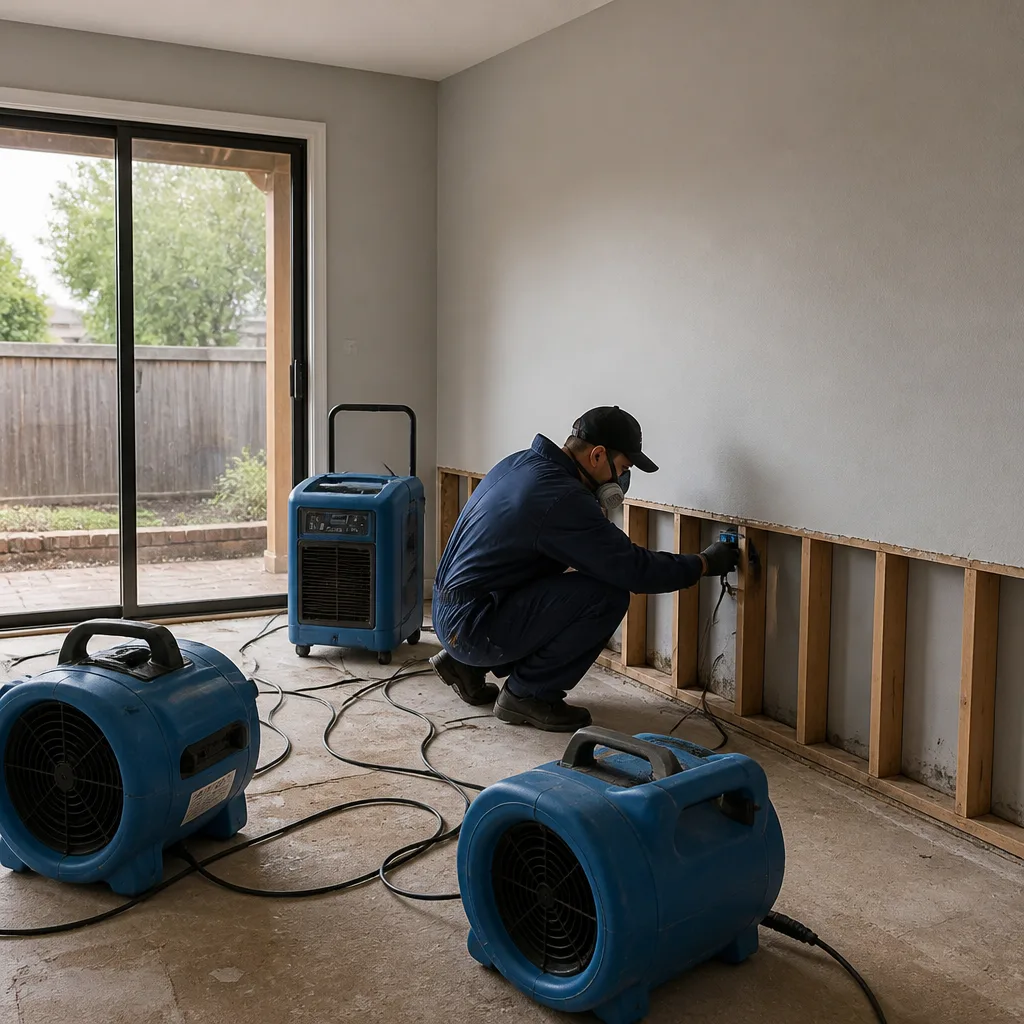
Drying is where the equipment matters most. The goal of structural drying is not to make surfaces feel dry. The goal is to bring the moisture content of every affected material back to its dry standard, which for most dimensional lumber is 8 – 12% and for drywall is below 1% on a moisture meter’s relative scale. A surface can feel bone dry while the stud cavity behind it reads 25%.
Professional drying uses low-grain refrigerant (LGR) dehumidifiers, which pull far more moisture from the air than consumer dehumidifiers. Desiccant dehumidifiers may be used for extremely wet conditions or when drying in cooler temperatures. High-velocity air movers create airflow across surfaces to accelerate evaporation. The equipment brands you’ll see on serious restoration trucks in Rancho Cucamonga include Dri-Eaz, Phoenix, and B-Air, the same brands used on large commercial water losses.
For water trapped inside walls, under cabinets, or beneath hardwood flooring, Injectidry systems apply directed air pressure or vacuum to dry cavities without automatically tearing everything out. This is a specific, documented capability that reduces demolition and keeps repair costs down. We use Injectidry panels and mats in Rancho Cucamonga homes regularly, because opening walls when it isn’t necessary creates a second project the homeowner never planned for.
What Monitoring Looks Like
- Daily moisture readings from affected materials, recorded in writing
- Humidity and temperature readings from the drying chamber
- Adjustments to air mover placement based on drying progress
- A drying log that shows the structure is actually moving toward dry standards
- Equipment left in place until readings confirm the dry goal is met
A restorer who doesn’t produce a drying log isn’t doing professional restoration. They’re renting you equipment. The difference matters because drying that isn’t verified is drying that may not have happened.
Phase Four: Antimicrobial Application and Mold Prevention
After drying, restorers apply antimicrobial treatments to affected materials that remain in place. This step is preventive: it addresses the bacteria and fungal spores that water introduced, even from a clean water source. The specific antimicrobial used depends on the material and the water category, but the principle is the same: the structure dries faster than mold can establish itself, and what can’t be removed is treated.
This is also when restorers assess whether any mold is already present. Mold that grew before drying began, or that was present before the water event, requires actual mold remediation, which is a different process with different containment requirements. The mold remediation work we perform in Rancho Cucamonga follows IICRC S520 standards, which govern mold assessment and remediation separately from water damage.
A key point homeowners miss: antimicrobial treatment is not a substitute for drying. You cannot spray away moisture. A restorer who reaches for chemicals before the structure is actually dry is hiding the problem behind a product claim. IICRC methodology always sequences drying before treatment, and any legitimate restorer will tell you the same.
Phase Five: Clearance Testing and Documentation
Clearance is the phase most homeowners never see, because many contractors skip it entirely. A proper post-drying clearance report includes moisture readings from every material that was affected, confirmation that readings fall at or below the dry standard established at the start of the job, and documentation of the drying log from start to finish. It should also note any materials that were removed and why.
Accepting a verbal “all clear” is a liability risk. If mold shows up six months later and your insurance company asks for proof that the structure actually dried, a verbal assurance from a contractor won’t hold up. A written report with dated moisture readings will. This is one reason the IICRC S500 Standard requires documentation at every phase: someone has to be able to prove what happened.
In our experience in Rancho Cucamonga, homes that get proper clearance documentation almost never develop post-restoration mold problems in the same areas. Homes that get verbal assurances do. We’ve seen the pattern often enough that we won’t close a job without written readings.
Why Rancho Cucamonga’s Climate Changes Drying Calculations
Rancho Cucamonga sits in an inland valley climate where conditions shift dramatically between seasons and sometimes within the same week. Summer temperatures regularly exceed 95°F with low humidity. Santa Ana wind events in fall and winter can push outdoor humidity into single digits for days at a time while temperatures swing 30 degrees between day and night.
Those conditions affect drying in ways that don’t apply to coastal California restoration work. When outdoor humidity is extremely low, the air can evaporate surface moisture quickly, which makes materials feel dry to the touch while moisture remains trapped deeper in the material. A technician who relies on touch instead of a moisture meter will pull equipment too early and leave the structure wet behind the surface. Low humidity also makes evaporation faster than a dehumidifier can capture if the drying chamber isn’t balanced properly, which can drive moisture into nearby materials instead of out of the building.
Winter inversions bring the opposite problem: cool, damp air that slows evaporation and can stall drying entirely without supplemental heat or desiccant dehumidification. A drying plan that works in July might need adjustment in January. This is why professional restoration in Rancho Cucamonga requires daily monitoring and equipment adjustments, not a set-it-and-forget-it approach.
Category 1, 2, and 3 Water: Why It Changes Everything
Not all water damage is the same, and the IICRC S500 Standard defines three categories that determine what can be salvaged and what must be removed. Homeowners often hear these terms from adjusters or restorers without understanding what they mean for their specific situation.
Category 1: Clean Water
Water from a supply line, a faucet, a water heater, or a rain event that hasn’t contacted contaminated surfaces. This is the most salvageable water damage. Carpet, pad, drywall, and insulation can often be dried and kept, provided drying starts quickly and is completed properly. In Rancho Cucamonga, where many homes were built during the 1980s and 1990s construction boom, supply lines in original copper plumbing often fail at joints, making Category 1 losses common.
Category 2: Gray Water
Water that contains significant contamination: dishwasher overflow, washing machine discharge, sump pump failures, or Category 1 water that has sat for more than 48 hours and begun to support bacterial growth. Carpet pad is typically removed in Category 2 losses. Drying can sometimes salvage structural materials, but antimicrobial treatment becomes essential.
Category 3: Black Water
Sewage, flood water from outside sources, or water from any source that has contacted human or animal waste. Category 3 water is a health hazard. Affected porous materials are removed and disposed of. The remaining structure is cleaned, treated, and dried. Containment with negative air pressure is required. If a restorer suggests drying and keeping carpet exposed to Category 3 water, that’s a red flag that they don’t follow IICRC standards.
Common Mistakes to Avoid
- Waiting to call because the water “looks small.” Water migrates far beyond what’s visible. A small puddle under the sink can mean saturated subfloor spanning two rooms. In Rancho Cucamonga slab-on-grade homes, water trapped under vinyl plank can sit invisibly for weeks.
- Renting equipment and doing it yourself. Consumer dehumidifiers pull a fraction of what LGR units pull. Without moisture meters, you can’t know when drying is done. Without containment, you can spread contamination through the HVAC system.
- Accepting a verbal “all clear” without written documentation. Moisture readings in writing are the only proof that drying actually happened. Verbal assurances don’t hold up in insurance disputes or resale disclosures.
- Pulling drying equipment too early. Surface dryness is not structural dryness. A moisture meter reading above the dry standard means microbial growth is still possible, even if the wall feels dry.
- Ignoring the water category. Treating Category 3 water like Category 1 water creates contamination that lingers after the visible water is gone. The category determines what gets removed, treated, and tested.
- Hiring a contractor who doesn’t document. If there’s no written scope, no moisture readings, and no drying log, there’s no accountability. Professional restoration produces paperwork. Accepting less means accepting risk.
- Assuming your insurance adjuster will catch everything. Adjusters rely on restorer documentation. If the restorer doesn’t measure and record, the adjuster has nothing to approve. A documented job gets properly approved.
When to Call a Professional
Call a professional restorer any time water has contacted drywall, flooring, or structural materials and you can’t fully remove and dry them within 24 hours. Call immediately for any water event involving sewage, any leak that’s been running overnight, any water that has seeped into walls or under flooring, or any situation where you see warping, staining, or odor development. The 24-to-48-hour window for mold growth makes speed a structural issue, not a preference. For fire damage, call after the fire department releases the scene. A fire damage restoration team in Rancho Cucamonga handles soot removal, odor neutralization, and structural assessment before secondary damage from standing extinguisher water sets in. Flood Guard Water Damage offers free estimates in Rancho Cucamonga. Call (844) 716-1094 and we’ll assess the situation.
Frequently Asked Questions
Most Category 1 water losses in Rancho Cucamonga complete structural drying in 3 to 5 days, assuming the water source is stopped immediately and the property has standard HVAC and framing. Category 2 and 3 losses typically take 5 to 10 days because materials must be removed, the structure must be cleaned and treated, and drying conditions must be re-established after demolition. Santa Ana wind events can sometimes shorten drying times by dropping outdoor humidity, which allows more aggressive dehumidification, but every job is different. For typical pricing ranges, see our Damage Restoration Cost Breakdown: The Rancho Cucamonga Homeowner’s Reference for 2026, or call (844) 716-1094 for an assessment of your specific situation.
Most homeowners policies cover sudden, accidental water damage, such as a burst supply line or an overflow, assuming the cause isn’t excluded. Sewage backup coverage often requires a specific endorsement, and long-term leaks from neglected maintenance may be denied. What matters most is having a restorer who documents everything: initial readings, drying logs, equipment placement, and clearance reports. That documentation is what adjusters review when approving payment. A written scope from a professional restoration company is what keeps the process moving.
Water restoration is the process of extracting water and drying the structure before mold can establish itself. Mold remediation is the process of containing, removing, and cleaning existing mold growth. The two often overlap: a water event that wasn’t properly dried becomes a mold problem. In Rancho Cucamonga, where summer heat pushes moisture deep into framing members, inadequately dried water losses often show up as mold three to six months later. The certification and equipment required for mold remediation are different, which is why finding a company that handles both without subcontracting gaps matters.
Yes, in many cases. Drywall that has wicked water but hasn’t lost structural integrity can often be dried in place, especially when the water category is clean. Injectidry systems direct air into wall cavities through small access holes, drying the back side of the drywall and the stud cavity without removing entire sheets. Drywall that has been saturated through with contaminated water, or drywall that has begun to crumble or sag, gets removed. The decision is based on moisture readings, water category, and the IICRC S500 material salvage guidelines, not on how the wall looks from the outside.
First, stop the water source if you can do so safely. Shut off the supply valve, turn off the main, or contain the leak. Then move valuables and furniture out of standing water if it’s safe to walk through the area. Don’t use a household vacuum to remove water, and don’t turn on ceiling fixtures if water is coming through a ceiling. Call a restoration company — ideally one you’ve already identified through our Damage Restoration Emergency Preparedness Guide for Rancho Cucamonga Homes. The first hour is the best time to prevent Category 1 water from degrading into Category 2, and it’s the difference between drying carpet and replacing it.
Yes. The difference between consumer-grade and professional-grade drying equipment is measurable in gallons per day and in drying time. LGR dehumidifiers used in professional restoration pull several times as much water from the air as big-box store units. Air movers used by restorers are designed for continuous commercial operation and positioned based on chamber calculations, not placed at random. When you see brands like Dri-Eaz, Phoenix, and B-Air on a restoration truck, you’re seeing the same equipment used on commercial losses where deadlines and outcomes are contractually enforced. The equipment matters because water trapped in structure has to be evaporated and captured. Anything less than professional-grade extends drying time and increases the chance of mold.
The Bottom Line
Damage restoration is a process with specific phases, measurable outcomes, and documented results. The IICRC S500 Standard exists because water damage that isn’t measured, dried, and verified becomes a much more expensive problem months later. In Rancho Cucamonga, our inland valley climate makes moisture measurement more important, not less, because low-humidity conditions can create false confidence that a structure is dry. A professional restoration job produces a structure that’s actually dry, documented as dry, and protected against what would grow if it weren’t. That’s what the process is for, and that’s what separates professional restoration from cleanup. For more guides & resources, visit our blog.
Written by the team at Flood Guard Water Damage, serving Rancho Cucamonga since 2018.
See the difference
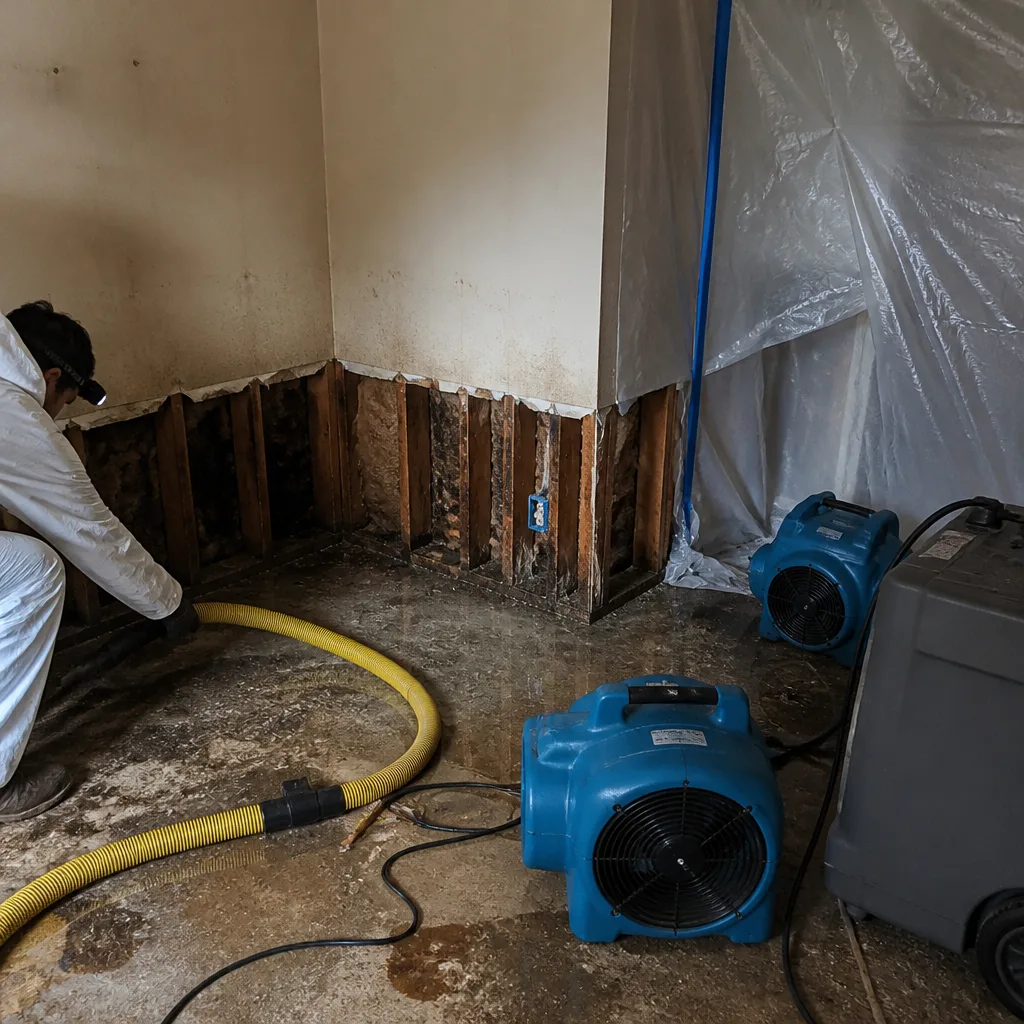 Before
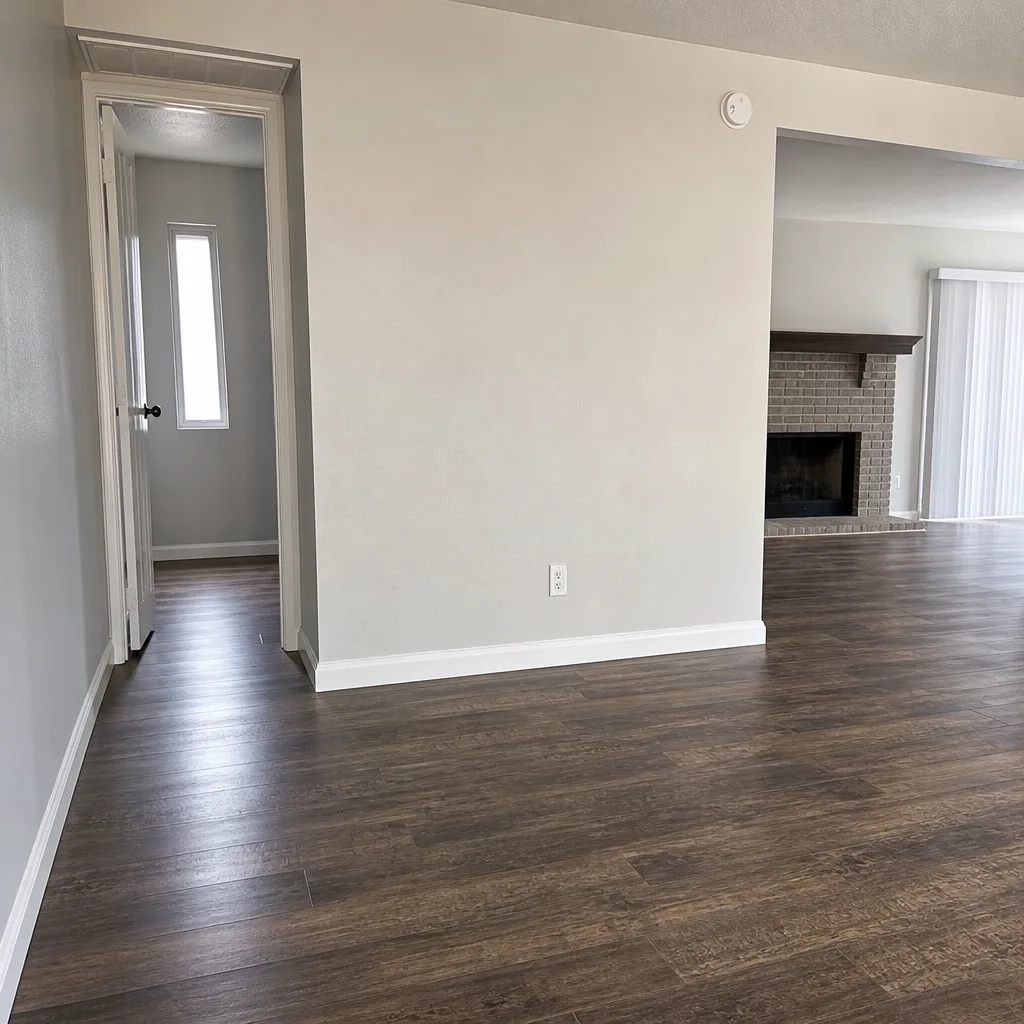 After
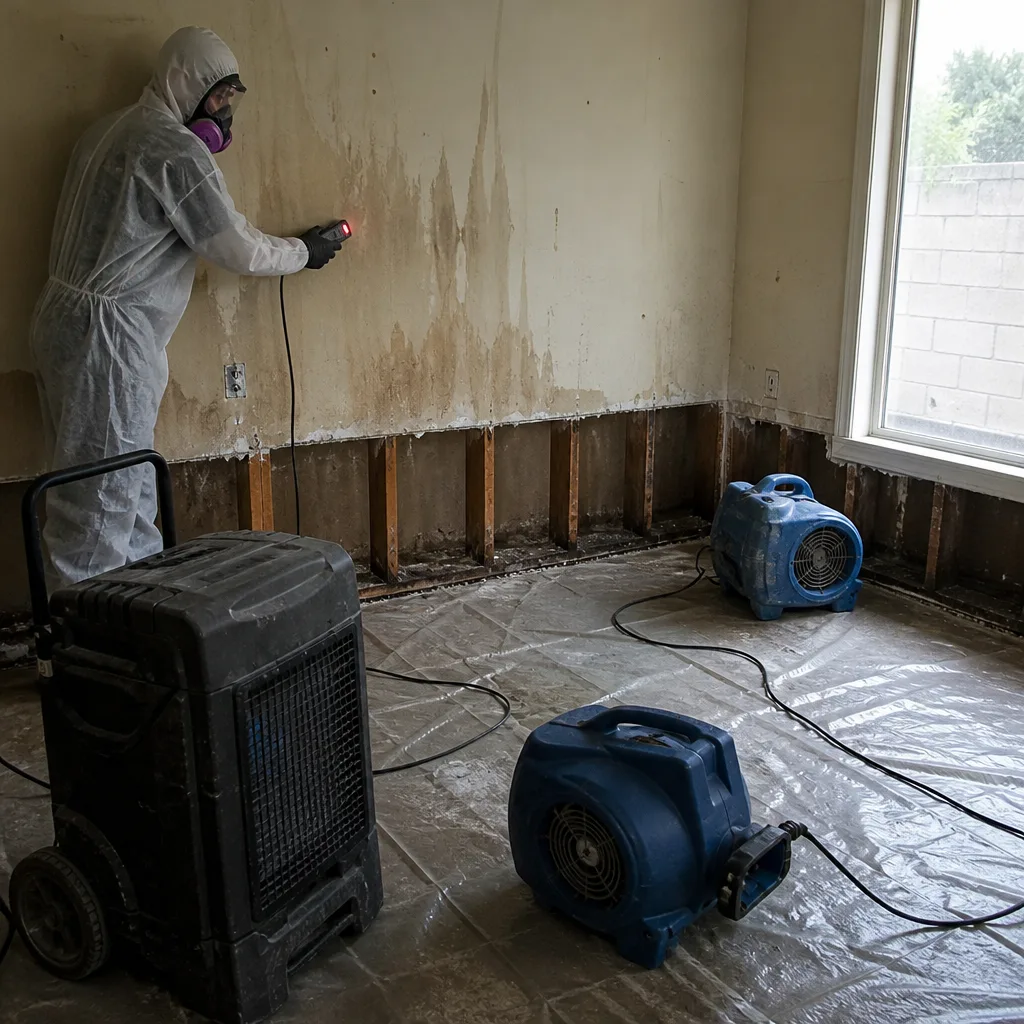 Before
 After
 Before
 After