
Last updated October 30, 2026
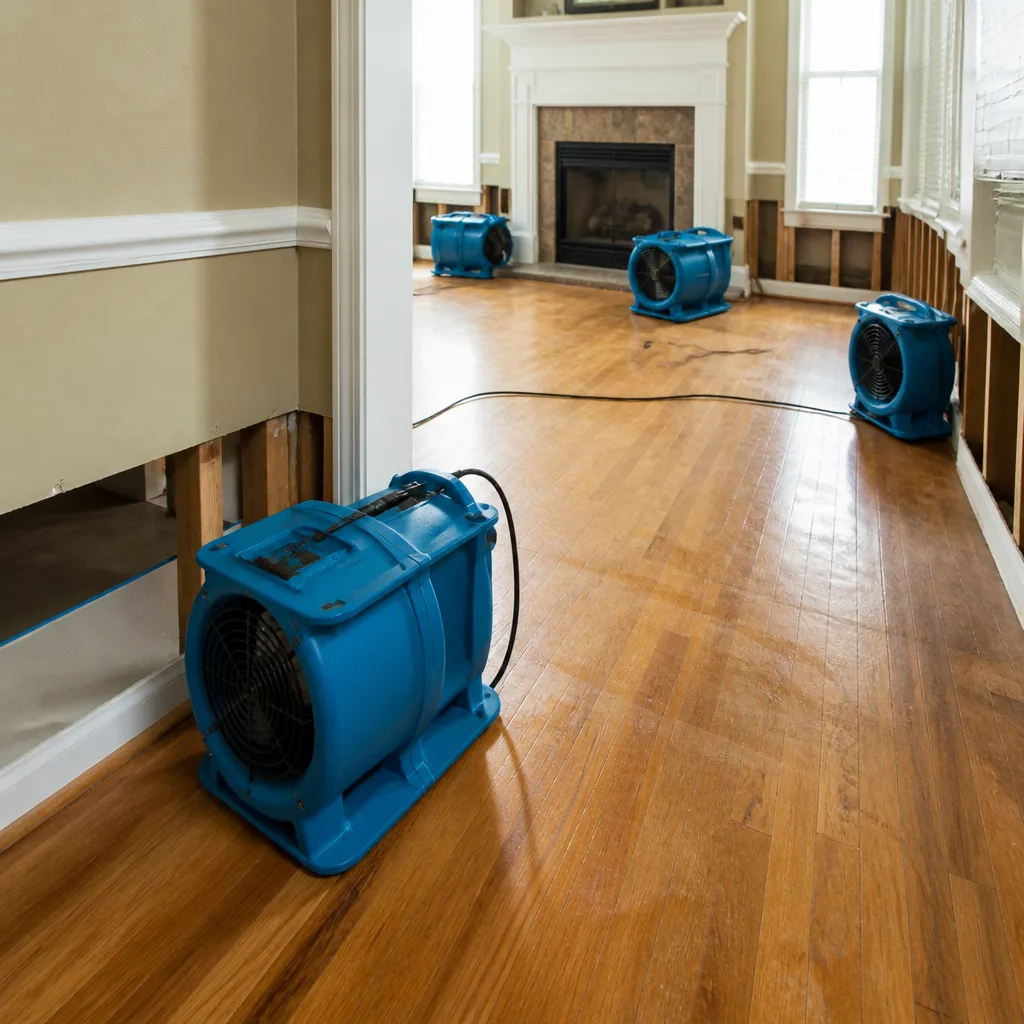 Water damage drying
 Fire & smoke cleanup
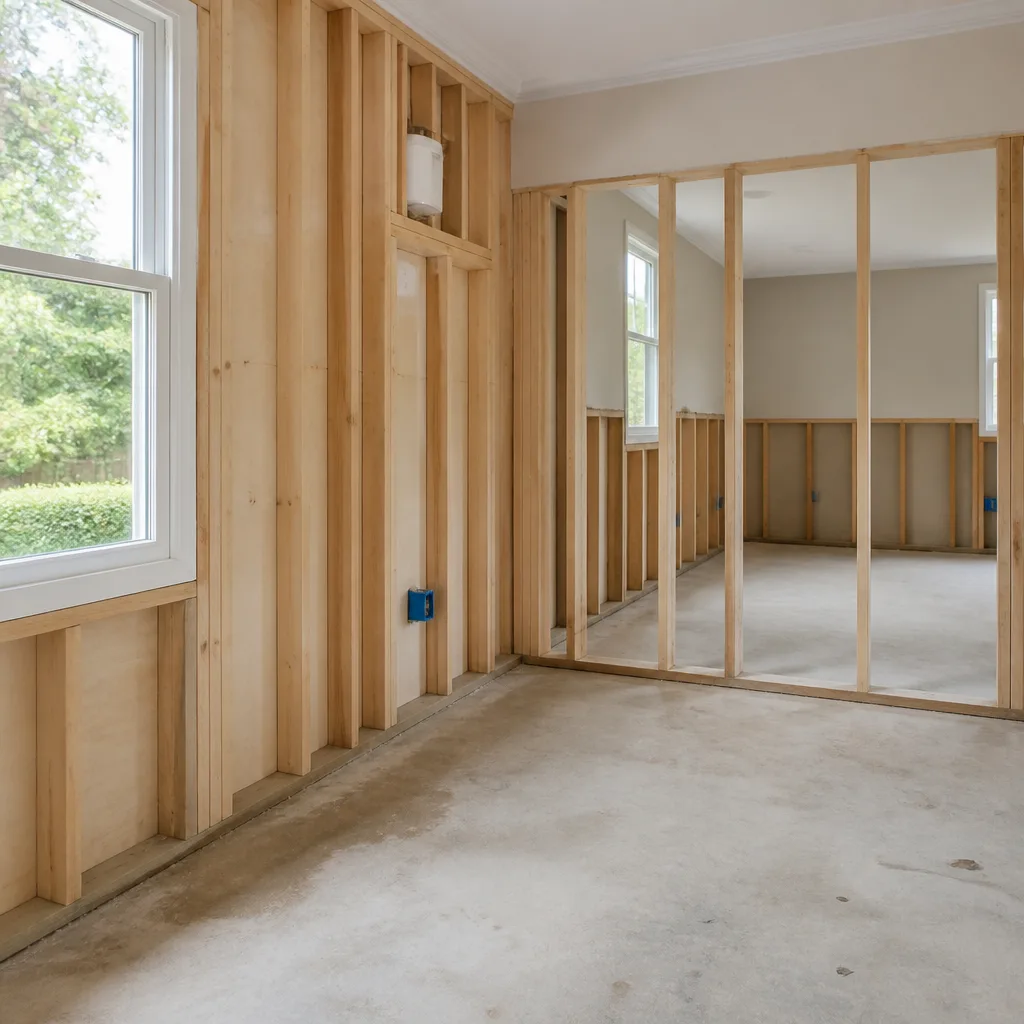 Mold remediation
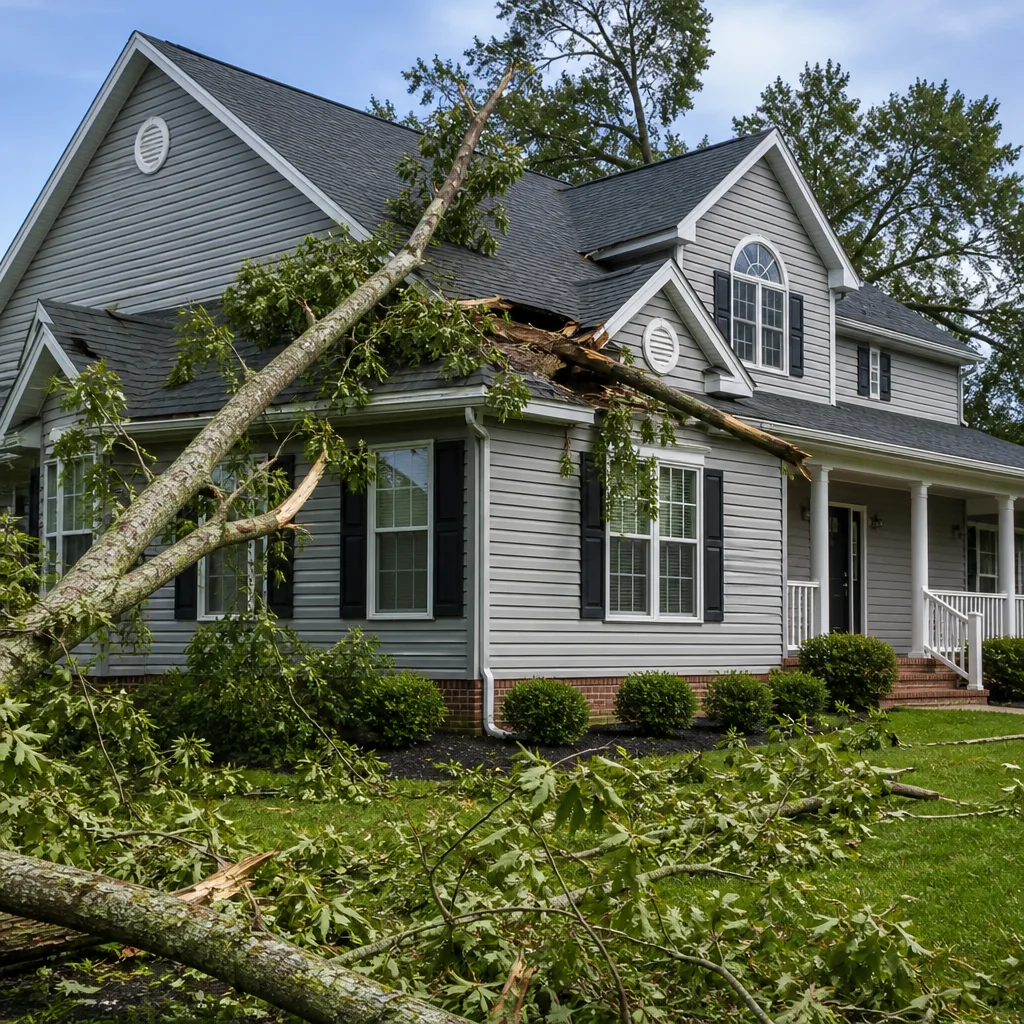 Storm response
 Sewage cleanup
 Reconstruction
Free visual inspection and a written scope of work before any mitigation begins - photos, moisture readings, and drying logs go in your claim file
The scope we write is the scope we bill. Anything new gets shown to you, in writing, before we touch it.
Get your free estimateDamage Restoration Permits, Codes & Inspections in CA: What You Need to Know
A restoration contractor who tells you a permit isn’t needed for full drywall replacement after a Category 2 water loss is either wrong or hoping you don’t ask. In California, structural repairs and any work touching electrical panels or HVAC systems trigger permit requirements regardless of whether the damage came from a burst pipe, a kitchen fire, or a storm. This guide explains the line between restoration and repair under California Building Code, why unpermitted work becomes a title problem at resale, and how homeowners in Rancho Cucamonga and surrounding San Bernardino County cities can protect themselves before the first contractor shows up. For related reading, see our Damage Restoration Warning Signs: A Rancho Cucamonga Homeowner’s Reference Guide.
Restoration work we handle
Quick Answer
In California, water damage restoration that is limited to water extraction, drying, cleaning, and sanitizing does not require a building permit. However, any repair work that replaces structural materials (drywall, framing, subfloor), alters electrical wiring or panels, or modifies HVAC ducting triggers permit requirements under the California Building Code. Mold remediation itself does not require a state permit, but San Bernardino County may require documentation and, in some cases, inspection when remediation involves demolition or structural repair.
Table of Contents
- Restoration vs. Repair: Where California Draws the Line
- When Are Permits Required? Specific Damage Scenarios
- Mold Remediation Permits and San Bernardino County Requirements
- The Real Cost of Unpermitted Restoration Work
- How Permits Interact With Insurance Claims
- The Inspection Process: What to Expect in Rancho Cucamonga
- Documentation That Supports Both Permits and Insurance
- Common Mistakes to Avoid
- When to Call a Professional
- Frequently Asked Questions
- The Bottom Line
Restoration vs. Repair: Where California Draws the Line
California Building Code (CBC) does not use the word “restoration” as a permit category. That’s the source of most confusion. The code regulates work based on what is being done to the structure, not what caused the need for the work. Water extraction, drying, dehumidification, cleaning, antimicrobial treatment, and content manipulation are considered maintenance or cleaning activities and do not require permits. The moment you cut out drywall and replace it, you’ve crossed into repair, which does require a permit in most California jurisdictions when the replacement area exceeds a certain threshold.
The California Residential Code (CRC) Section R105.2 lists work exempt from permit requirements. Exemptions include painting, wallcoverings, floor coverings less than $500 in value, and “minor repairs” that do not affect structural integrity. The problem is that most post-water-loss drywall replacement affects the wall’s shear capacity or fire rating, especially in multi-family buildings. In single-family homes, the practical test most building departments in San Bernardino County apply is this: if the repair touches framing, changes the electrical rough-in, or replaces more than one sheet of drywall on a fire-rated assembly, permit it.
Here’s the framework we use when advising homeowners in Rancho Cucamonga (see more guides & resources):
- Extraction and drying only: No permit needed. This includes setting up professional-grade drying equipment from brands like Dri-Eaz and Phoenix, water extraction, and monitoring moisture levels until the structure reaches dry standard.
- Drywall replacement of one sheet or less, no electrical exposure: Arguably exempt as a minor repair in some jurisdictions, but the City of Rancho Cucamonga building division generally expects a permit for any drywall replacement on a wall that contains wiring or insulation.
- Full wall or ceiling replacement below four feet (water damage): Permit required. This is repair work that changes the building envelope.
- Any electrical panel, wiring, or outlet replacement after water contact: Permit required, full stop. Water-damaged electrical components are a fire hazard and a life-safety issue.
- HVAC duct replacement or cleaning that involves duct modification: Permit required for replacement. Cleaning alone generally does not require a permit.
The phrase we use with clients is simple: we dry the structure, not just the surface. Drying a stud cavity behind a wall is restoration. Replacing the drywall that covered that stud cavity is repair. Keeping that distinction clear from day one prevents surprises at inspection time.
When Are Permits Required? Specific Damage Scenarios
Here are the most common post-damage scenarios we see in Rancho Cucamonga and the permit reality for each. These are based on California Building Code and City of Rancho Cucamonga building division expectations. Always confirm with the building department, because interpretations vary by inspector.
Scenario 1: Supply Line Burst, Single Wall Affected, Drywall Cut Below 2 Feet
If only the lower portion of a wall is opened for drying and the drywall is replaced after drying completes, the replacement is a repair. Rancho Cucamonga building officials generally require a permit for this work because the wall cavity contains electrical wiring that was exposed to water. The permit triggers an electrical inspection.
Scenario 2: Toilet Overflow (Category 2 Water), Bathroom Subfloor Saturated
When subfloor and underlayment must be removed and replaced in a bathroom, the work involves structural framing and plumbing fixture disconnection. A building permit is required, and depending on whether the toilet flange or trap is touched, a plumbing permit may also be required. In Rancho Cucamonga, most restoration contractors pull a combination building/plumbing permit for this scenario.
Scenario 3: Kitchen Fire With Smoke Damage Throughout the Home
Smoke and soot cleaning is restoration and requires no permit. If the fire damaged drywall, cabinets, or electrical in the kitchen, the repair work triggers permits. Fire damage restoration in Rancho Cucamonga frequently includes structural drying, drywall replacement, and electrical rework, so the repair phase almost always triggers a permit. See our Fire Damage Restoration in Rancho Cucamonga page for how we sequence the restoration and repair phases.
Scenario 4: Roof Leak With Ceiling Drywall Collapse
The roof repair is governed by the California Building Code and requires a roofing permit if any roof sheathing or underlayment is replaced. The interior ceiling drywall replacement is also a repair that requires a permit in most cases, because ceiling drywall is part of the structure’s fire-rated assembly. Homeowners sometimes skip the ceiling permit because they’re already paying for the roof permit, but the two are separate scopes of work in the eyes of the building department.
Scenario 5: Mold Remediation Behind Walls With Demolition
Demolition itself does not require a permit, but the reconstruction after remediation does. The key difference: a mold remediation contractor can remove mold-affected drywall under a remediation protocol without a permit, but the replacement drywall requires a permit before it goes back up. We cover this in more detail below.
Mold Remediation Permits and San Bernardino County Requirements
California does not require a state-issued permit or license specific to mold remediation. The California Department of Public Health (CDPH) publishes guidelines for mold assessment and remediation, but they are not a permitting regime. What does apply in San Bernardino County is a combination of local building department requirements and environmental health oversight in certain multi-family and commercial scenarios.
In Rancho Cucamonga specifically, mold remediation work performed by a contractor must follow CDPH guidelines if the affected area exceeds 10 square feet. For larger jobs, the contractor should provide a written scope of work, contain the affected area with negative air pressure, use HEPA filtration, and conduct post-remediation verification. None of this requires a permit. What triggers a permit is the reconstruction: drywall replacement, insulation replacement, painting over remediated surfaces, or any structural repair.
Here’s the step-by-step sequence we follow for Mold Remediation in Rancho Cucamonga when the job includes permit-triggering repair:
- Assessment and scope: We document the moisture source, affected area, and remediation plan in writing.
- Containment and remediation: Affected materials are removed under controlled conditions with HEPA filtration.
- Clearance testing or visual verification: The structure is confirmed dry and free of visible mold growth.
- Permit application: The reconstruction scope is submitted to the City of Rancho Cucamonga building division.
- Reconstruction with inspections: Drywall, insulation, and any affected electrical are replaced and inspected.
- Final inspection and documentation: The building department signs off, and the homeowner receives a close-out package.
One thing homeowners in San Bernardino County should know: unpermitted mold remediation does not create an automatic title defect, but unpermitted reconstruction after remediation does. If you remediate mold and replace drywall without a permit, and you later sell the home, the buyer’s inspector may flag the work. If the buyer requests the permit history and finds none, you’ll negotiate from a weaker position.
The Real Cost of Unpermitted Restoration Work
Homeowners often weigh the cost of a permit ($200 to $600 in Rancho Cucamonga for a typical repair permit) against the cost of pulling the permit and decide to skip it. That decision is short-sighted. The cost of unpermitted work surfaces in three places, and none of them are friendly.
First, resale disclosure. California law requires sellers to disclose known material facts about the property. If you know unpermitted repair work was done after a water loss, you’re legally obligated to disclose it. Buyers and their lenders will price that disclosure accordingly. We’ve seen transactions in Rancho Cucamonga where unpermitted drywall replacement after a slab leak cost the seller $8,000 to $15,000 in price concessions because the lender required retroactive permitting before closing.
Second, insurance claim disputes. If you file a future claim related to the same area of the home, the insurer may inspect the prior repairs. Unpermitted work is a common basis for claim denial. The insurer’s argument is simple: unpermitted work cannot be verified as code-compliant, and non-compliant work can contribute to future damage.
Third, safety risk that compounds. Water-damaged electrical wiring that was not inspected may arc later. A fire-rated wall assembly that was not properly reconstructed may fail to contain a fire. These are not abstract concerns. Southern California’s dry climate and the Santa Ana winds make fire resistance a serious issue in Rancho Cucamonga foothill neighborhoods like Alta Loma and Etiwanda.
How Permits Interact With Insurance Claims
Your insurance company has a direct interest in whether your restoration work is permitted. Most standard homeowners policies in California cover the cost of “reasonable and necessary” repairs, which includes permit fees when permits are required by the local jurisdiction. The permit fee is a recoverable line item on your claim. If your restoration contractor is telling you to skip the permit to save money, they’re also walking away from a recoverable expense that protects you.
Here’s how we recommend homeowners handle the insurance-permit sequence:
- File the claim immediately after damage discovery. Document the damage with photos and video before any work begins.
- Get a written scope of work from the restoration contractor. The scope should list what is restoration (no permit needed) and what is repair (permit required).
- Provide the scope to your adjuster. Your adjuster will confirm which repair items require a permit and include permit fees in the approved claim.
- Pull the permit before repair work begins. The permit makes the repair code-compliant and provides the third-party inspection that your insurer will expect.
- Keep the final inspection sign-off. This document is part of your claim file and your property disclosure file.
At Flood Guard Water Damage, our documentation package is built to serve both purposes. Every job we do includes moisture mapping, drying logs, photo documentation of affected materials, and a written scope that separates restoration from repair. That package is designed to support a permit application and a Water Damage Restoration in Rancho Cucamonga insurance claim simultaneously. Your adjuster sees the same document the building department sees. No gaps, no surprises.
The Inspection Process: What to Expect in Rancho Cucamonga
The City of Rancho Cucamonga building division issues permits through its Building and Safety department. The process for post-damage repair permits is straightforward if your contractor has done it before. Here’s what to expect.
Application and plan review. For most post-damage repair work, Rancho Cucamonga accepts a simple scope of work document without full architectural plans. The building division reviews the scope, confirms the code requirements, and issues the permit. Turnaround is usually 3 to 7 business days for standard repair permits.
Inspections. The number of inspections depends on the scope. A drywall-and-electrical repair after a water loss usually requires a rough inspection (before drywall goes back up) and a final inspection (after everything is complete). Some jobs require an electrical inspection if wiring was replaced. Rancho Cucamonga inspectors are thorough, and they will check for things like proper insulation type, drywall thickness, and GFCIs in wet locations.
Common inspection failures we see. Missing junction boxes where wiring was spliced, drywall not matched to the original fire rating, and insulation not installed to the required R-value. These are avoidable when the repair contractor knows Southern California code and the specific requirements of the Rancho Cucamonga building division.
Final sign-off. Once the final inspection passes, the city issues a certificate of occupancy or final approval. Keep this document with your property records. It is your proof that the repair work was done to code, and it is the document that answers the permit question when you sell.
Documentation That Supports Both Permits and Insurance
The difference between a restoration company that files clean paperwork and one that creates problems is the documentation package. Here’s what we include on every Rancho Cucamonga job, and why each item matters.
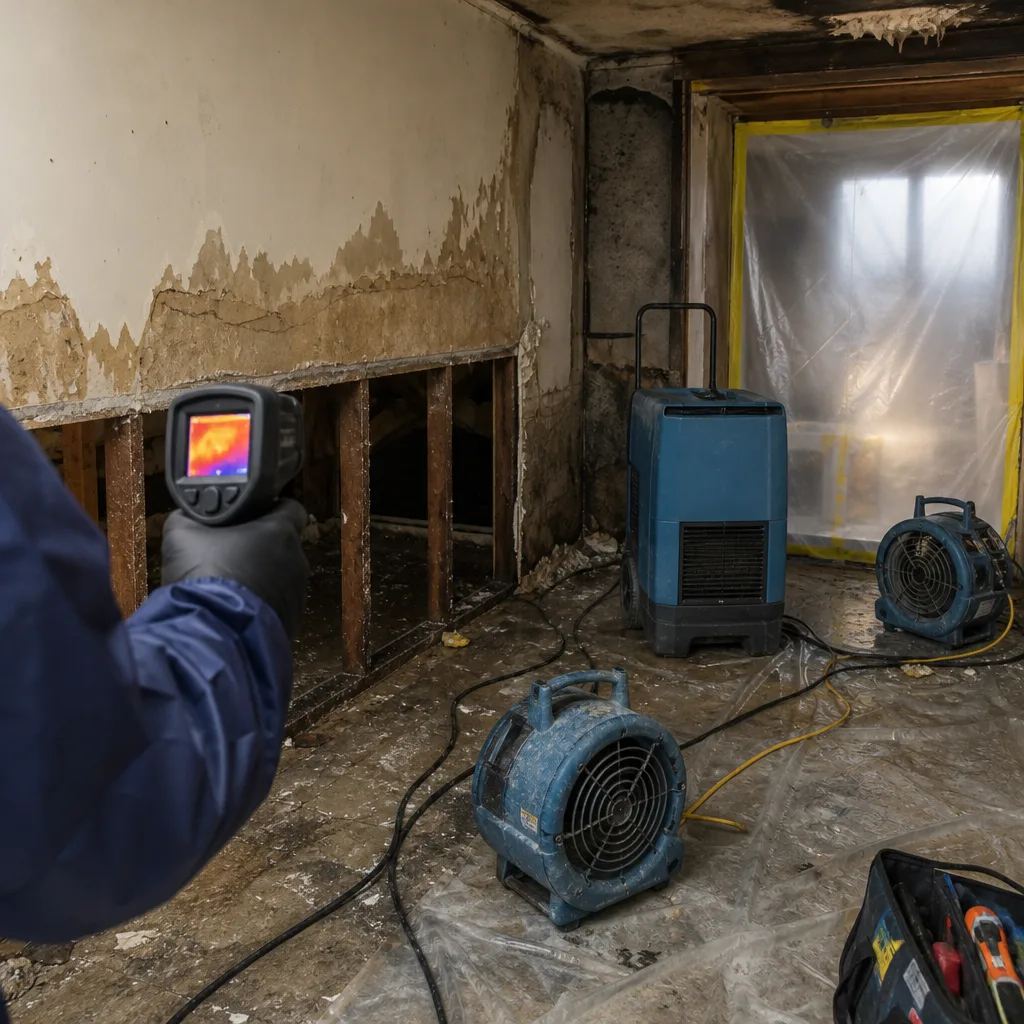
Moisture mapping and drying logs. We use professional-grade moisture meters and thermal imaging to document where the water went and how thoroughly it dried. Equipment from Dri-Eaz and Phoenix logs temperature, humidity, and grain depression data daily. This proves the structure hit dry standard and supports the permit application by showing the full extent of the affected area.
Photo documentation of affected materials. Before and after photos of every wall, floor, and cavity that was opened or replaced. These photos support the insurance claim and give the building inspector a clear picture of the work performed.
Scope of work separated into restoration and repair. This is the document that prevents permit problems. Restoration line items (extraction, drying, cleaning, antimicrobial treatment) do not trigger permits. Repair line items (drywall replacement, electrical, HVAC) do. When the scope is clear, the building department processes the permit quickly and the adjuster approves the right line items.
Material specifications. We list the drywall type and thickness, insulation R-value, and any electrical components replaced. This level of detail speeds plan review in Rancho Cucamonga and eliminates the back-and-forth that delays permit issuance.
Post-remediation verification. For mold jobs, we document clearance testing or visual verification per CDPH guidelines. This matters for resale disclosure and for the peace of mind of anyone buying your home later.
We use Injectidry technology when drying behind walls or under floors is required. That capability often means we can dry materials in place without demolition, which in turn means the project stays in the “restoration” category longer and avoids permit-triggering repair. Opening walls when necessary, not by default, is how we describe the approach. It reduces cost, reduces permit scope, and gets the home back to normal faster.
Common Mistakes to Avoid
- Skipping the permit because the contractor says “it’s just drywall.” Drywall replacement on an exterior wall or a wall with electrical wiring is a repair, not a minor fix. In Rancho Cucamonga, the building division will require a permit if they find out, and they find out at final inspection or when the next buyer pulls the permit history.
- Paying the contractor to pull the permit and never confirming it was pulled. Always get the permit number and verify it on the City of Rancho Cucamonga building permit portal. A contractor who charges for a permit and never pulls it is committing fraud, and you won’t know until the inspector never shows up.
- Treating mold remediation demolition as the end of the permit conversation. Removal of mold-affected drywall is not permit-triggering, but the replacement drywall is. Homeowners who stop at remediation and hire a separate handyman for reconstruction often end up with unpermitted repair work.
- Assuming insurance will handle permits automatically. Your insurer will pay for permit fees when they’re included in the approved scope, but you or your contractor must list them. An adjuster won’t add a permit fee unless the scope of work requests it.
- Not documenting the pre-existing condition of the affected area. Before any work starts, photograph everything. When you later need to prove what was replaced versus what was original, photos are the evidence that holds up.
- Using a contractor who is unfamiliar with Rancho Cucamonga’s specific building division expectations. Code is state-level, but enforcement is local. A contractor who mostly works in Los Angeles County may not know that Rancho Cucamonga inspectors are particularly strict about electrical grounding and GFCI placement in wet areas.
When to Call a Professional
If you’ve experienced water damage that requires wall or floor opening, a fire that damaged structural materials, or mold growth exceeding 10 square feet, call a restoration company that understands both the restoration and the repair sides of the job. Our How to Hire a Damage Restoration Contractor in Rancho Cucamonga: A Step-by-Step Guide covers what to look for. The moment extraction stops and reconstruction starts, you need someone who works with the City of Rancho Cucamonga building division every week, not someone who is learning the permit process on your project.
Flood Guard Water Damage offers free estimates in Rancho Cucamonga and the surrounding San Bernardino County area. We document the scope of work, separate restoration from repair, and coordinate with your adjuster and the building department. Call (844) 716-1094 to schedule an assessment. The estimate is free, and the permit conversation happens before work starts, not after.
Frequently Asked Questions
No permit is required for water extraction, structural drying, cleaning, and sanitizing. A permit is required when repair work replaces drywall, framing, insulation, electrical components, or HVAC ducting. The line is between restoration (no permit) and repair (permit required).
Mold remediation itself does not require a permit in San Bernardino County or anywhere in California. However, the reconstruction that follows remediation (drywall replacement, insulation replacement, structural repair) does require a building permit in the City of Rancho Cucamonga.
California law requires you to disclose known unpermitted work. Buyers typically demand retroactive permits, a price reduction, or both. We’ve seen unpermitted water damage repairs in Rancho Cucamonga cost sellers $8,000 to $15,000 in concessions. The permit fee you skip today becomes a much larger negotiation cost at resale.
Yes, most standard California homeowners policies cover permit fees as part of the “reasonable and necessary” repair cost, provided the permit is required by the local jurisdiction. Your contractor must list the permit fee in the written scope of work submitted to the adjuster.
For most post-damage repair permits, plan review takes 3 to 7 business days in Rancho Cucamonga. Emergency situations can sometimes be expedited, but the building division does not guarantee expedited review. Starting the permit application early in the project keeps the reconstruction phase moving.
You can, but water damage and mold remediation involve health and safety risks that trained professionals understand. Improper drying leads to secondary mold growth, and improper mold containment can spread spores throughout the home. If you’re going to split the work, hire an IICRC-certified restoration company for the drying and remediation, and have them coordinate with the repair contractor on the permit scope. For help deciding, read our DIY vs Professional Damage Restoration: The Rancho Cucamonga Homeowner’s Decision Guide. Call (844) 716-1094 for guidance on your specific situation.
The Bottom Line
California’s permit requirements for post-damage restoration come down to one distinction: restoration is drying and cleaning, and repair is rebuilding. Restoration doesn’t require a permit. Repair does. The moment your project crosses from one to the other, and it almost always crosses in water, mold, and fire damage scenarios, the permit protects you. It ensures the work is code-compliant, it satisfies your insurer, and it keeps a future home sale from turning into a negotiation about unpermitted work. In Rancho Cucamonga, the building division is accessible and efficient if your contractor knows the process. Flood Guard Water Damage handles the full sequence from water damage restoration to mold remediation to fire damage repair, with documentation built to support permits, insurance claims, and resale disclosure. Call (844) 716-1094 for a free estimate and a permit conversation before the work begins.
Written by the team at Flood Guard Water Damage home, serving Rancho Cucamonga since 2018.
See the difference
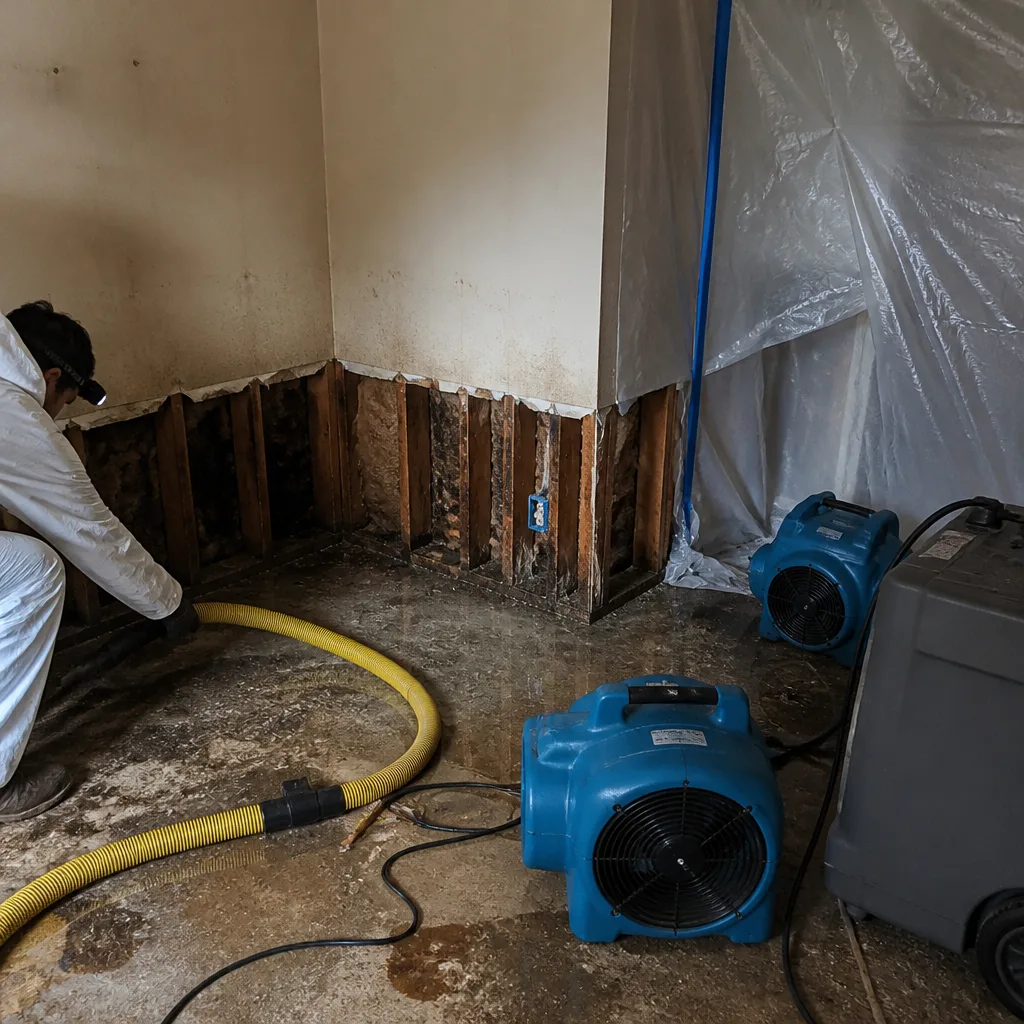 Before
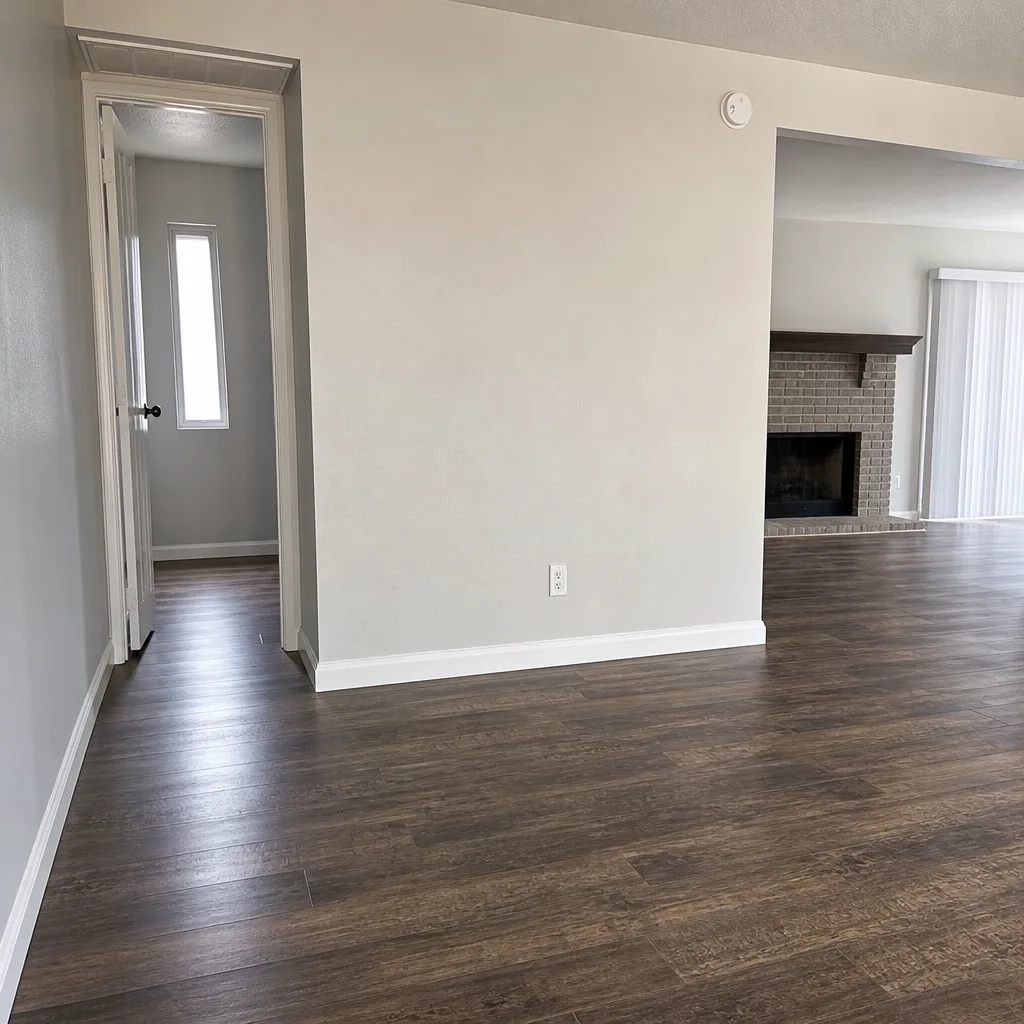 After
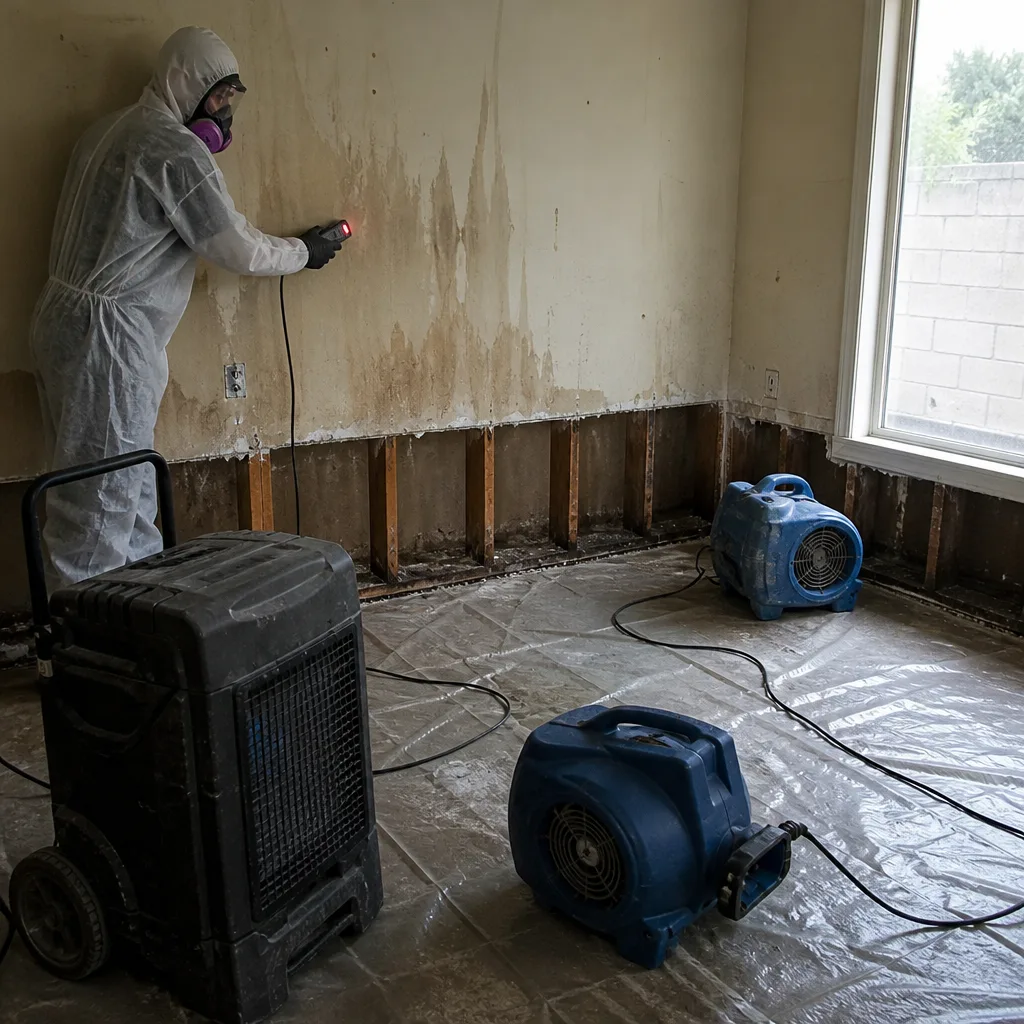 Before
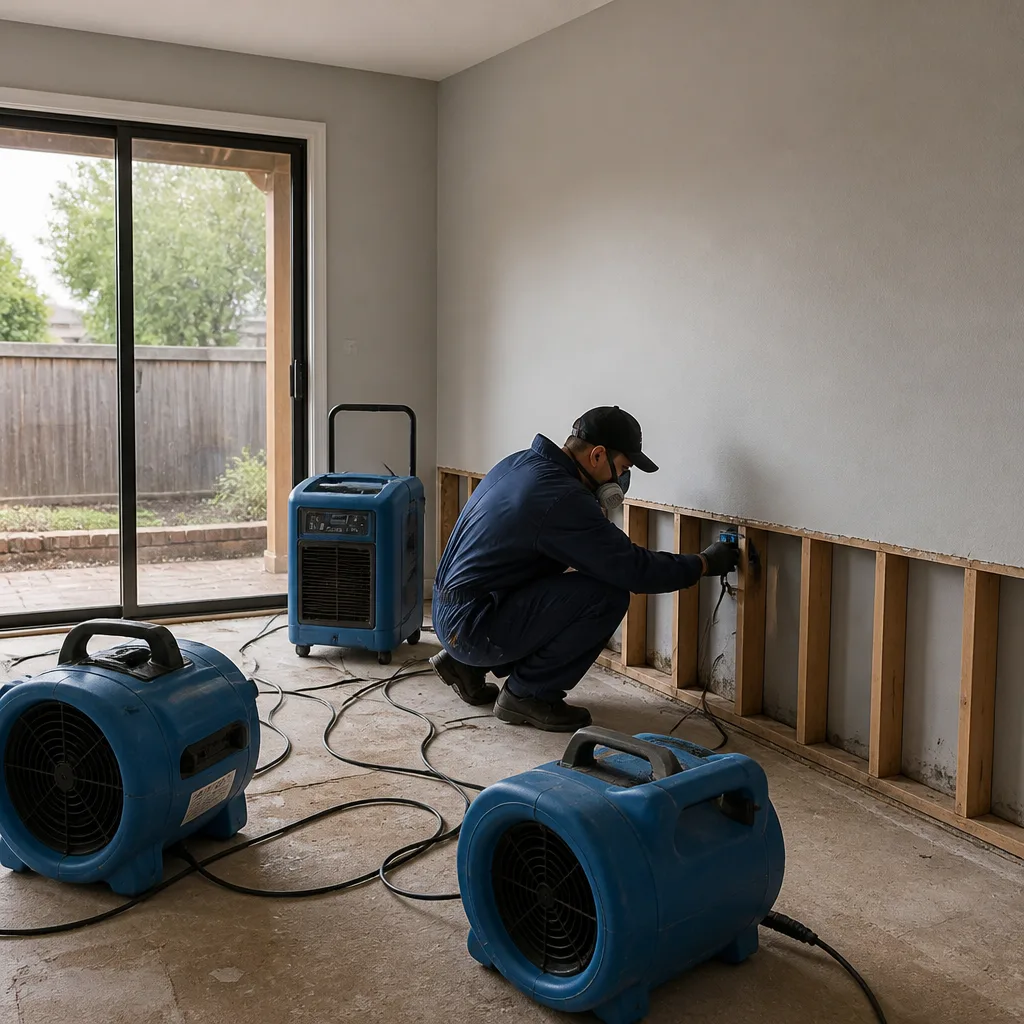 After
 Before
 After